Why Chicago's Urban Environment Can Create Winter Pest Challenges
Posted by Mosquito Squad Plus
November 5, 2026

The densely packed nature of Chicago neighborhoods gives pests plenty of places to shelter through the bitter cold of winter. Apartment buildings between businesses, shared walls, and alleyways all create conditions pests have the potential to thrive in. These are different from the detached homes in the suburbs, but can foster plenty of pest activity. Chicago IL pest control starts with understanding how the environment, more than even weather, impacts pest activity. Mosquito Squad Plus of Chicago can help explain how common household pests use these urban features during colder months.
Buildings Create Small Pockets of Warmth
Concrete, asphalt, and buildings absorb heat from the sun and everyday activities. Even after the sun sets or the temperatures drop, the retained heat in certain materials releases heat gradually, producing an urban heat island effect. Buildings set on the lakefront or bordering parks are less likely to retain heat. The exposure to wind and the lack of heat pockets allows for faster evaporation of heat. It can make a difference in overwintering pest activity.
Practical Prevention in a Dense Neighborhood
It isn't always possible to treat all areas of an apartment or townhome, especially if you are renting and there are other tenants in the building. The places you can control:
- Door sweeps and weather stripping around windows and doors should be checked
- Take note of cracks around entryways, plumbing, and appliances
- Store food in airtight containers and off the floor
Shared areas with neighbors may require coordinating with others or building management. Ideally, property management has a pest control plan in place, but if not, it's worth discussing with them. A gap in one part of the structure can lead to cross-contamination of pests moving from unit to unit. Utility lines, plumbing, and even aging materials may all provide access to rodents, beetles, spiders, and other pests.
Alleys Can Support Rodent Activity
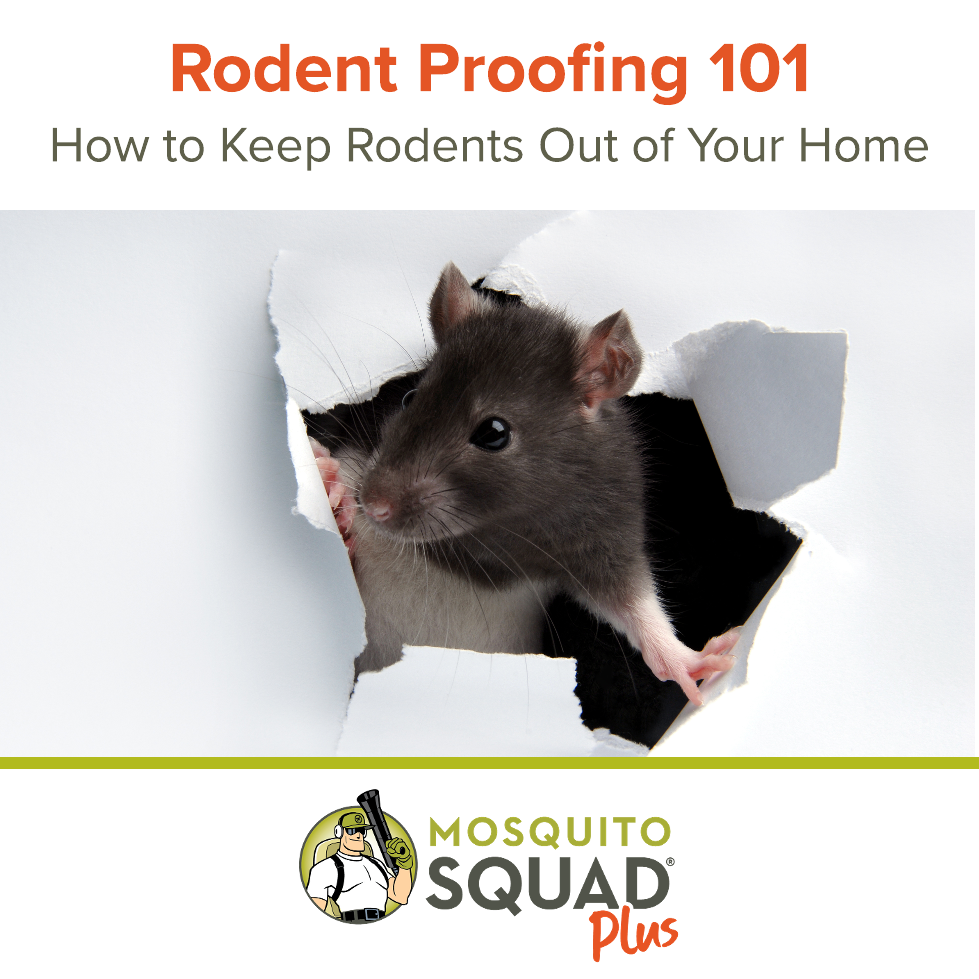
Communal garbage in alleyways or basements draws all types of pests to them. IF bins are allowed to overflow or gather around dumpsters, it provides urban rodents with easily accessible food when it's otherwise scarce in winter. It can be frustrating when you are taking garbage out regularly, but the communal areas are still attracting pests.
Where Overwintering Pests Hide
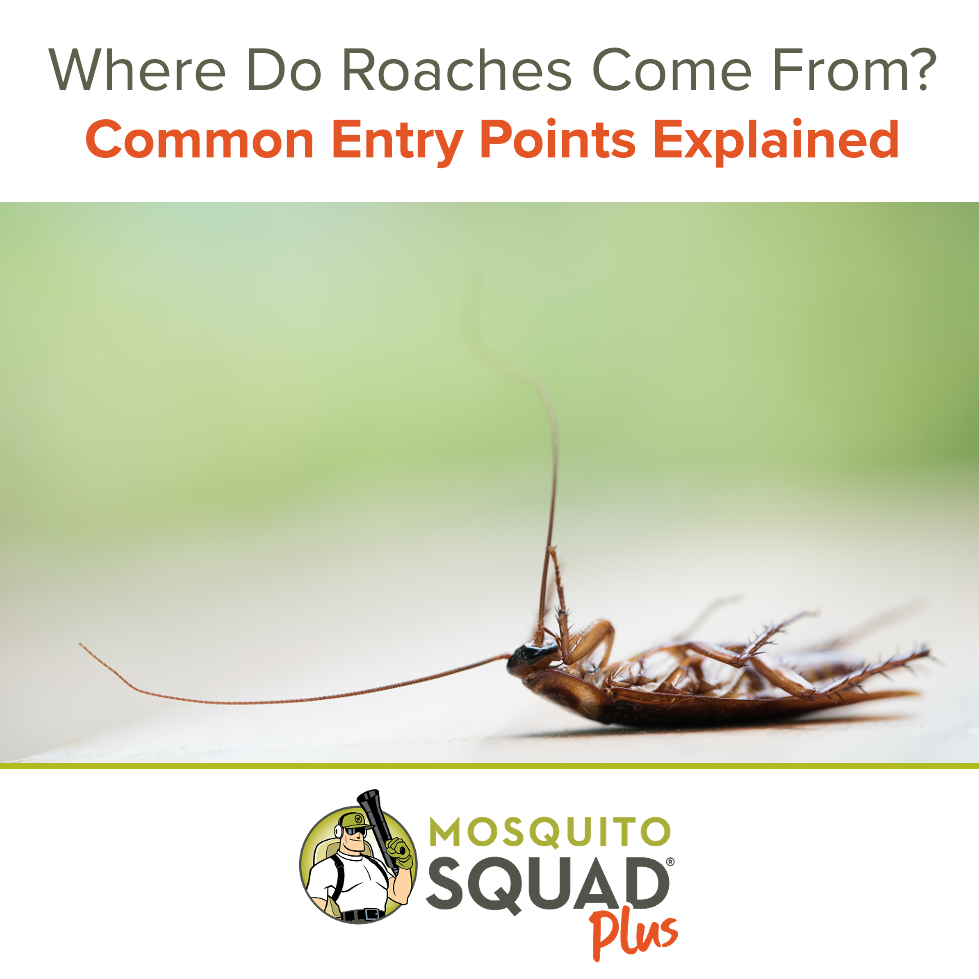
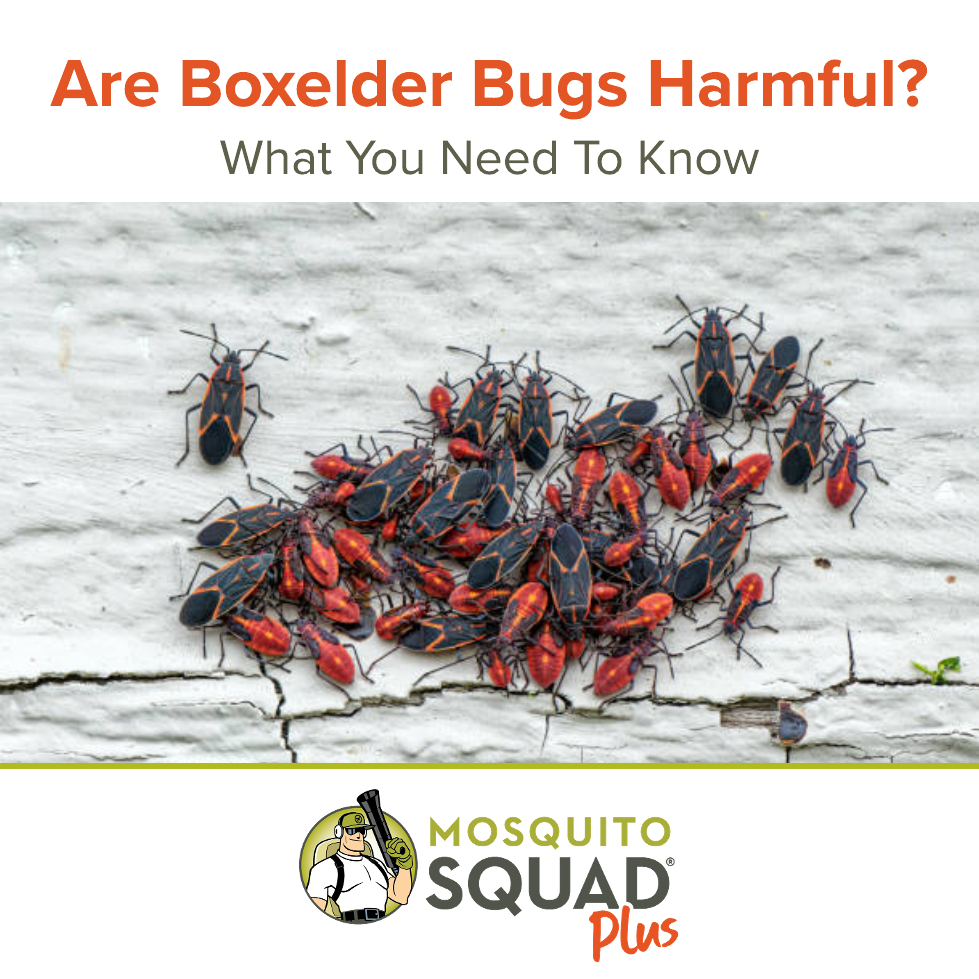
Stink bugs and boxelder bugs are heat seekers. They spend time on sun-warmed surfaces and seek shelter under siding, door edges, and windows as outside temperatures drop. Watch for recurring clusters around windows as it might indicate a settled group using wall voids and other hiding places to shelter. Heated kitchens, laundry rooms, and utility areas can draw cockroaches and spiders searching for warmth and food sources.
Why Winter Detection Can Be Difficult
Snow is a frequent part of winters in Chicago. Snowfall conceals burrows and hides debris that may attract pests. The heat retained by a packed storage room provides warmth as well as shelter for mice and other household pests. Cockroaches may chew on cardboard while rodents can use stored items for nesting materials. Keep an eye out for droppings, gnaw marks, and skin shed.
To request a free quote over the phone, call (630) 556-8315 or contact Mosquito Squad Plus of Chicago. The right pest control plan starts with knowing where the activity is occurring and what conditions may encourage pests.