
What Does a Tick Bite Look Like? Signs and Symptoms
Posted by Emma Grace Crumbley, Entomologist
June 29, 2026
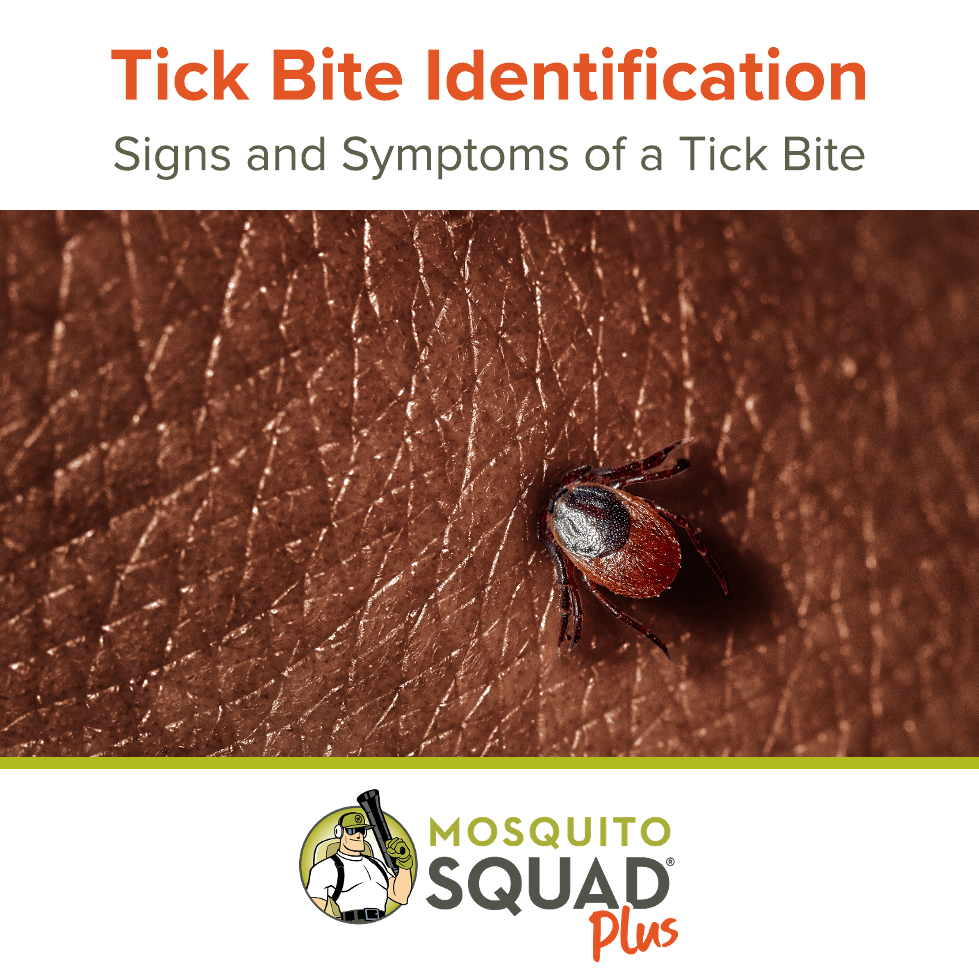
A tick bite may seem minor, but it can sometimes lead to serious health concerns if left unnoticed. Knowing how to identify, remove, and monitor a tick bite can help protect you from the diseases ticks are known to transmit.
How Ticks Bite
Ticks are blood-feeding insects, similar to mosquitoes and biting midges. However, ticks don't just take some blood and move along to the next host like mosquitoes do. Instead, ticks use their haustellum, a saw-like mouthpart, and a cementing enzyme in their spit to chew their way through our skin and "glue" themselves to us, slowly drinking our blood over time. If left unchecked or unnoticed, ticks can feed on people for days.
When a tick bites you, you may not even notice. Ticks are stealthy and target exposed, creased areas, such as along sock lines, under armpits, behind the ears, or on the backs of knees. When you find a tick on you, take notice of how large it is. The more swollen the tick appears, the longer it’s been feeding on you.
Signs and Symptoms
Ticks are known vectors of several diseases, including Alpha-gal syndrome, anaplasmosis, babesiosis, Lyme Disease, and Rocky Mountain spotted fever, among others. While not every tick is guaranteed to carry one of these diseases, tick-borne illnesses are highly regional and can create high-prevalence "at-risk zones” throughout the United States.
To learn more about the ticks in your area, use the Mosquito Squad Plus Interactive Tick Map.
If you live in or traveled from one of these at-risk zones and found a tick on you, remove it carefully and monitor your symptoms over the next few days. Flu-like symptoms accompany most tick-borne illnesses within the first two days of being bitten.
Alpha-gal Syndrome
Spread by Lone Star tick
Alpha-gal syndrome (aka Red Meat allergy) occurs when infected Lone Star ticks inject alpha-gal molecules into the body, causing the body to react adversely to red meat and meat byproducts. While no immediate symptoms may occur after the bite, symptoms will develop after consuming red meats and their byproducts, including milk and gelatin. Allergy symptoms have a major delay, often manifesting days after consuming meat allergens, and causing intense rashes, stomach pain, nausea, and, in severe cases, anaphylaxis.
Lyme Disease
Spread by both eastern and western black-legged ticks (Ixodes)
Lyme disease is the most common tick-borne disease in the United States. This disease is contracted after a tick has been attached to a person for more than 36 hours, and its symptoms include the iconic bull's-eye rash, a red ring that forms around the bite mark. This rash typically appears within the first week after being bitten, followed by flu-like symptoms (fatigue, fever, body aches) which can progress into neurological issues.
Rocky Mountain Spotted Fever
Spread by American Dog Ticks, Brown Dog Ticks, and Rocky Mountain Wood Ticks
Despite its name, Rocky Mountain spotted fever (RMSF) is found throughout the United States, not just in the Rocky Mountain range. RMSF has a short incubation period, with transmission occurring within 6 hours of a tick feeding on a host. Flu-like symptoms take effect within the first week of being bitten, and a speckled rash will appear along the body within the first two days. RMSF is more than just a fever. If allowed to go unchecked, this disease can attack blood vessels and lead to amputations or life-threatening conditions.
If you are at all unsure about your symptoms, have found an engorged tick on you, or have recently visited an at-risk area, contact a medical professional immediately.
Tick Control Options
The best way to protect yourself from tick bites is to prevent ticks from entering your yard. Professional tick control with Mosquito Squad Plus is an easy, effective strategy for long-term tick prevention. To get started on your next service or learn more about the ticks in your area, call a Squad near you today. Services vary by location.