
Where Do Cockroaches Come From? Common Entry Points Explained
Posted by Emma Grace Crumbley, Entomologist
November 5, 2026
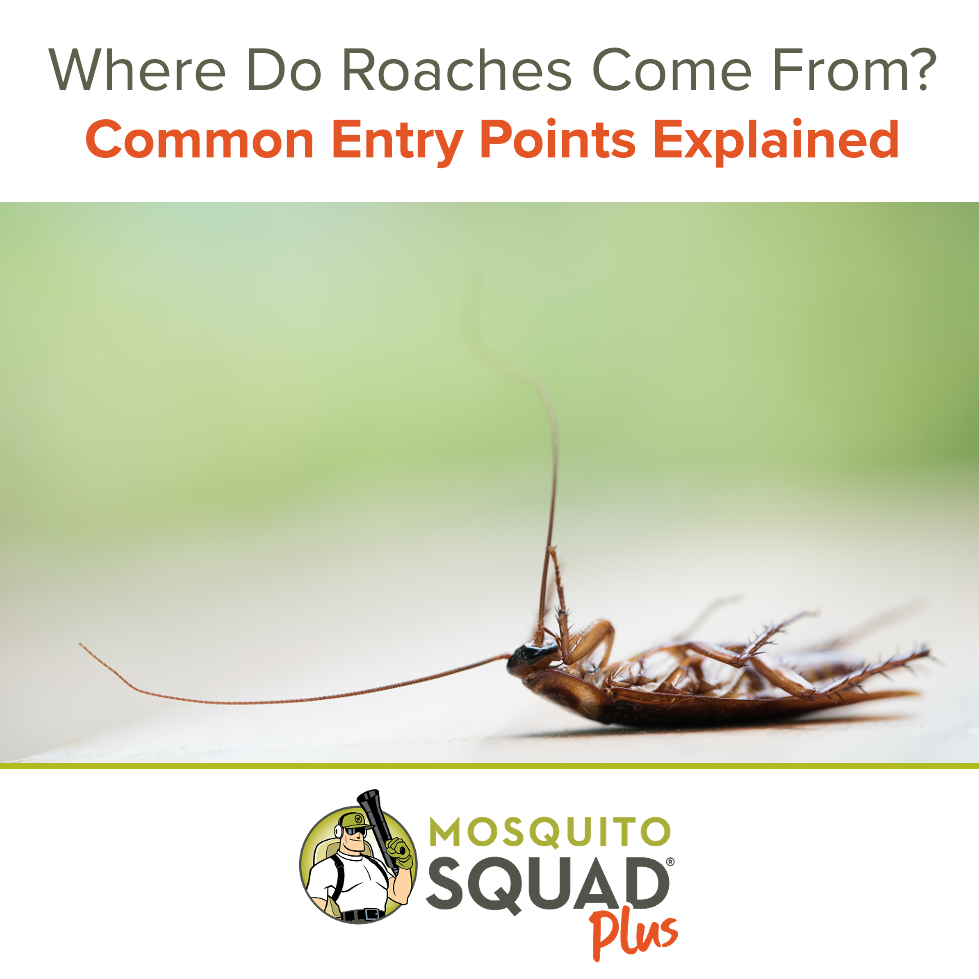
Cockroaches (order Blattodea) are among homeowners' least favorite insects. Many people would rather deal with a full-blown infestation of flies or ants than spot a single cockroach in their home. In fact, growing up, cockroaches were commonly referred to as “code reds” in my house – even just saying the word “roach” was enough to gross out my family.
But where do cockroaches come from? And how do they get inside our homes? While it might sometimes feel like they spontaneously appear in our homes, they're often attracted to our houses for the food, water, shelter, and warmth they provide. And in some cases, we may even be bringing them in without realizing it.
If “code reds” make you squeamish, skip ahead to the section on Preventing Roaches. Otherwise, read on to learn more about roaches!
Cockroaches in Nature
When cockroaches aren’t infesting our homes, they live outside in nature in dark, moist, protected spaces. Think garbage cans, sewers, and clogged gutters – places with plenty of food, water, and protection. Cockroaches, especially, are attracted to tight, hard-to-reach places. This behavior is known as positive thigmotaxis. Cockroaches feel more secure when they are being touched on all sides of their body. Leaf litter, wood piles, and mulch provide roaches with that secure feeling and create ideal hiding spots in your yard. Cockroaches are also negatively phototactic. This means cockroaches aren't attracted to light sources and prefer dim or dark habitats.
Cockroaches in Our Homes
In your yard, there are plenty of places for cockroaches to live and thrive in… so why do they come inside our homes? Sometimes roaches are pushed inside due to seasonal changes. In fall and winter, cockroaches invade our homes to escape the cold. Similarly, during intense rainstorms, roaches find their way inside to escape their flooded environments. In any case, once a cockroach is inside, it has no problem finding a dark, moist, protected space to live in – our homes are full of them!
The most common areas to see cockroaches are in kitchens, bathrooms, attics, basements, and crawlspaces. That doesn't mean a roach won't venture into the living room or bedroom (sorry for the nightmare fuel), but these five areas offer the most food, water, warmth, and hiding spots for a cockroach to camp out in. If you suspect a cockroach infestation, check under appliances, near pipes, and around doors and windows that lead outside for signs of cockroaches.
Preventing Roaches
Now that I've fully grossed you out, let's talk about how to keep roaches from making themselves at home. The most effective way to keep roaches out is to remove their entry points. Cockroaches can flatten their bodies to fit through gaps as small as 3mm, so any gaps around windows, door frames, or plumbing and utility lines can serve as entry points. This applies all over the house. If you have cracks in your attic where sunlight peeks in, or gaps around the crawl space door and vents, you have potential entry points cockroaches can use to get inside. Sealing those entry points makes it harder for roaches to wander inside and can help reduce the number you see in your home.
Other ways to prevent roaches include reducing, removing, or relocating elements in your yard that are attracting them to your home. Place leaf piles, wood stacks, compost bins, and garbage cans away from the home. This helps create space between the roaches living in those areas and the sides of your home where potential entry points may be. Additionally, keeping a tidy yard free of debris helps reduce the areas roaches can hide in your lawn.
Finally, be sure you aren’t accidentally bringing roaches inside. Remember earlier when I mentioned that in some cases roaches get inside because we bring them in? Well, for German cockroaches, that is almost exclusively how they infest our homes. German cockroaches (Blattella germanica) are seldom found in nature. That is because these roaches have grown to be commensal pests of humans – where we are, they are. Similar to bed bugs, these roaches spread on infested items: cardboard boxes, old electronics, second-hand furniture, etc. To prevent a German roach infestation, double-check any pre-owned items for signs of roaches or their egg cases and throw away any infested objects.
Roaches are good at getting inside. That’s why it’s essential to inspect your home for entry points, identify areas attracting them, and work with a professional pest control company to help protect your home from future “code reds.”
Comprehensive Cockroach Control
Cockroaches are distressing, and finding one roach can feel like finding one too many. For comprehensive pest control solutions, call the technicians at your local Mosquito Squad Plus. After our techs inspect your home, they will work with you to develop a customized, comprehensive management plan that meets your unique pest needs. Call your local Squad today to set up your next service! Services vary by location.