
DIY Tick Prevention vs Professional Services
Posted by Emma Grace Crumbley, Entomologist
May 28, 2026
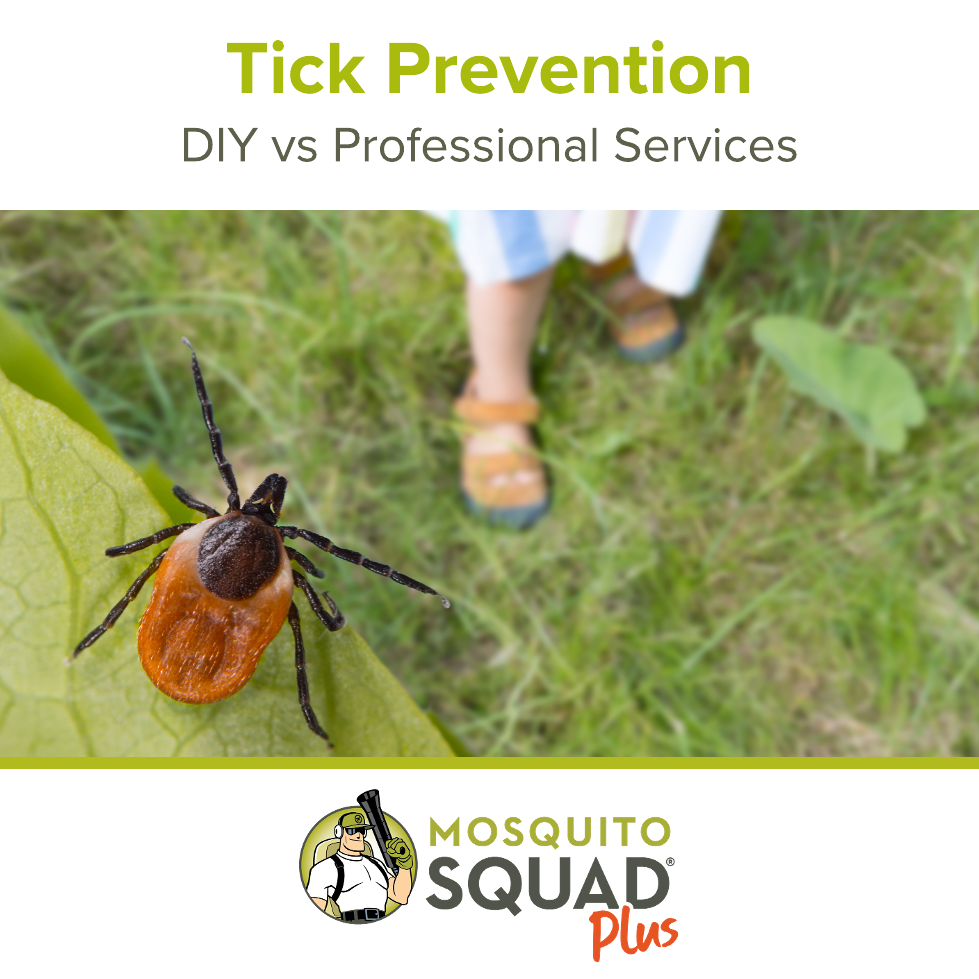
Tick season is ticking right along, and with it comes a rise in tick-related emergency room visits, according to the CDC. Since May is Lyme Disease Awareness Month, and with the launch of our new Interactive Tick Map, we wanted to share and compare DIY tick prevention tips and professional tick control services.
Spoiler alert: Both DIY projects and professional services can help protect your yard from ticks!
Do-It-Yourself Strategies
Several steps of the pest control process can be DIY projects. Simple actions like removing standing water, keeping a tidy yard, cleaning out trash cans, and moving woodpiles away from the home all help reduce the number of pests living and breeding in and around your home.
If you’re looking to try some do-it-yourself fixes for ticks, here are a few strategies to help you get started:
Keep a Tidy Lawn
Ticks thrive in damp, shaded environments and tend to die in sunny, dry areas. Clear out areas where lawn clippings and tree debris gather and relocate compost piles away from high-traffic areas. This strategy requires significant effort and is ultimately a short-term fix, as weather and time can create new tick-harborage areas around your yard. Still, limiting the places ticks can hide and thrive will help protect your yard from new and existing infestations.
Create a Forest-Line Barrer
Ticks thrive along the forest edge, where they wait for their next hosts. Creating a mulch or gravel barrier between your yard and neighboring forest edges helps prevent ticks living in the forest from crossing into your yard. This strategy may require some upfront effort to plan and install landscaping materials, but it is effective and adds to long-term protection.
Reduce Animal Presence
Small animals, like deer mice, harbor ticks in their nests, while larger animals, like deer, can carry ticks from one backyard to another. Inspect and remove areas where these animals live and are attracted to prevent them, and their ticks, from taking over your yard. This strategy requires quite a bit of effort, but it can provide short-term protection against ticks and prevent new ticks from entering your yard.
These DIY strategies will help make a noticeable impact on your yard’s tick problems. Remember: For comprehensive, effective pest management, any DIY treatments should be paired with integrated pest management techniques, as the professional pest control services Mosquito Squad Plus provides.
Calling in the Pros
When a problem is too big to solve alone, or when you’ve done-it-all-yourself and the ticks aren’t budging, it’s time to consider the benefits of professional pest management. At Mosquito Squad Plus, our comprehensive approach to pest control combines integrated pest management techniques with high-quality treatments to deliver an effective, long-term strategy for pest prevention.
Mosquito Squad Plus offers a few options for tick control services, like our traditional barrier treatment and our natural treatment option (Do you know about EBI? Click here to learn more!).
During your cost-free consultation, we’ll inspect your property for tick breeding areas (wooded areas, high grasses, mulch beds, etc.). After a thorough inspection, our technicians will develop a treatment plan tailored to your unique property and pest needs.
Professional pest control with Mosquito Squad Plus is an easy, effective strategy for long-term tick prevention. To get started on your next service or learn more about the ticks in your area, call a Squad near you today! Services vary by location.