Why Owens Cross Roads Gets a Mosquito Most of Huntsville Never Sees
Posted by Mosquito Squad Plus
August 10, 2026
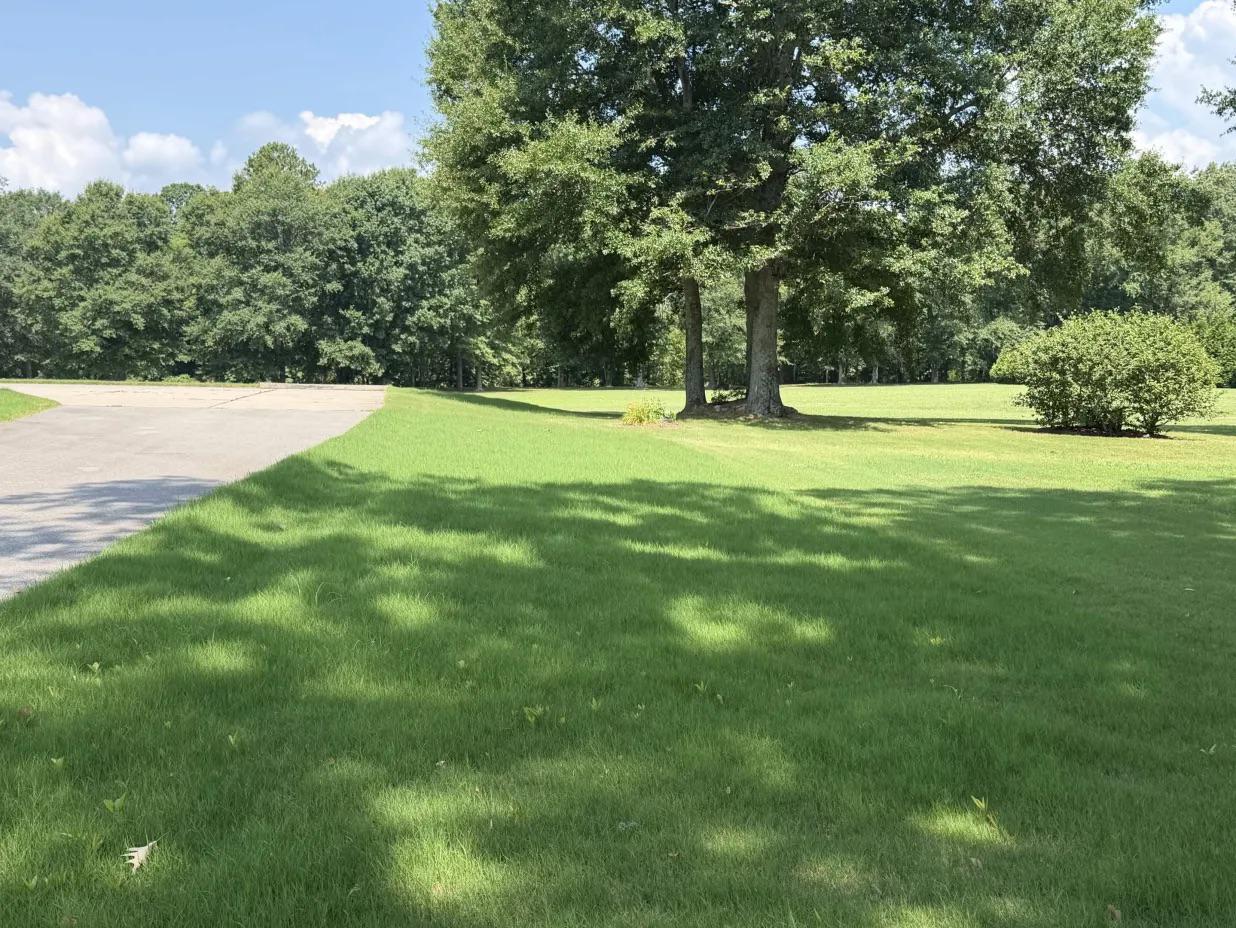
The mosquito biting you on a back porch in 35763 is probably a different animal than the one biting somebody in a Madison subdivision that same evening, and most people out here notice the difference before they can name it. It runs bigger. It stays on you while you swat at it rather than drifting off and circling back the way a yard mosquito does.
Owens Cross Roads sits on the Flint River floodplain, and floodplain ground produces a category of mosquito that most of Madison County rarely deals with in volume. It breeds somewhere other than your property, on a schedule you cannot see, which changes where a treatment has to go to be worth anything.
Homeowners out here work out the practical half of this on their own. You empty everything that holds water, you keep the gutters clear, you do what the internet tells you to do, and the yard is still unusable by seven o'clock. The reason has less to do with your housekeeping than with which species showed up.
The Mosquito Most of Huntsville Has
Across most of Madison County, the biting pressure comes from container breeders. Asian tiger mosquitoes and house mosquitoes, laying in whatever holds a half inch of water near where people live. Plant saucers, clogged gutters, the tarp over the boat, a low spot in a retention pond bank. That is the story in Madison, in Harvest, in most of the subdivisions across the Huntsville service area, and it is why the standard mosquito control advice is built around a weekly walk of your own property.
Those mosquitoes are also homebodies. A container breeder generally lives out its adult life within a few hundred feet of the water it hatched in. That is what makes source reduction so effective in a subdivision. Find the water, dump the water, and you have removed a real share of the local population, because the local population is local.
Owens Cross Roads has all of those too. They are just not what is driving your worst evenings.
Eggs Laid on Dry Ground
Floodwater mosquitoes do not lay in water at all.
University of Illinois Extension describes species that lay eggs on low-lying dry ground which gets flooded later by rainfall, and notes that a heavy rain can flood enough ground at once that huge numbers hatch together, including eggs deposited across many prior weeks. Brunswick County's vector program puts it more precisely: the female lays at the receding waterline on the leaves, twigs and soil of temporary pools, woodland pools and floodplains, and after a period of drying those eggs hatch once rainfall floods them.
An egg out here does not need standing water to be laid. It needs ground that will flood eventually, which is a much lower bar and a much larger footprint.
The eggs are also built to wait a long time. Research published through the National Library of Medicine describes Aedes vexans as a species that breeds mainly in floodplains, rivers and lakes, laying near ground pools predisposed to seasonal inundation, with eggs that enter diapause, survive long droughts, and hatch massively after flooding.
The ground around Owens Cross Roads is built for exactly that. The City of Huntsville describes Hays Nature Preserve as ten miles of trail following the Flint River and its oxbow lakes through low riparian habitat and old fields. Oxbow lakes are abandoned river bends that swell and shrink with the river, and around them sit sloughs, bottomland hardwood, and old pasture that holds water in sheets before drying out.
The permanent water in the valley matters too, and it produces a different roster. The stocked lakes and pond edges up through the Big Cove and Hampton Cove side run heavy on Culex and Asian tiger, the same species most of the county deals with. What the intermittent ground adds on top of that is the floodwater component, and on the Flint bottom it is the part that ruins evenings.
Every square foot of that is a nursery that looks like dirt most of the year.
The first walkthrough on a property out here usually goes sideways for this reason. People expect us to find something. A clogged downspout, a forgotten kiddie pool, a bad grade along the back fence. Sometimes we do. But on a lot of these properties the honest finding is that the yard is clean and the pressure is coming from somewhere else entirely, and the plan has to be built around that instead of around a checklist of things to fix.
Ten Miles Is a Normal Trip for This Mosquito
The LSU AgCenter documents travel of up to ten miles by Aedes vexans in search of a blood meal, and draws the contrast directly: most mosquito species do not disperse far from where they hatched. This one does. Rutgers Center for Vector Biology has the field numbers behind that. Recorded flight ranges of five miles to eight in Utah, ten in British Columbia, and movements of five, ten and even fifteen miles from the breeding site logged in New Jersey. Rutgers sets it against Ae. canadensis, which stays put near where it hatched.
Set that next to the container breeders in the same county. A tiger mosquito in a Madison subdivision is generally working within a few hundred feet of the water it came out of, which is why a homeowner there can dump three flowerpots and notice a difference by the weekend. Nothing you do on half an acre changes the math on an insect that treats three miles as a commute.
So the mosquito on your patio in Owens Cross Roads may have emerged from a slough three miles away that you have never laid eyes on, on land you do not own, cannot access, and could not drain if you did.
That is why the yard stays bad after you have done everything right. You are not losing to your own gutters. You are downwind of a few hundred acres of production.
It also explains the size complaint. Psorophora, another floodplain genus, includes some of the largest mosquitoes in North America, and homeowners in the Flint bottom tend to notice them the first summer.
Because the production is off site, your neighbors are also not the variable out here. In a subdivision, one house with a green pool can make four houses miserable, and getting that fixed fixes the block. Out here everyone on the road is drawing from the same floodplain whether they treat or not, so what happens on the property next door barely registers. That is a different conversation than the one we have with a customer in Harvest or Madison.
Source reduction on your property is still worth doing, and we will get to which parts of it move the needle. It is just no longer the main lever.
What That Means When It Rains
Rain matters here in a specific way that is different from the rest of the county.
Everywhere in Madison County, a big storm resets breeding conditions and the pressure climbs the following week. We covered that county-wide pattern in what severe weather season leaves behind, and it holds here as much as anywhere. The difference on floodplain ground is scale rather than timing. A rain that fills containers across Madison also inundates hundreds of acres of loaded floodplain soil around Owens Cross Roads, and that soil has been accumulating eggs since the last time it flooded. Brunswick County puts the larval cycle at seven to ten days depending on water temperature.
The practical version: if a serious rain moved through the valley, your next service is more valuable than usual, and it is a reasonable thing to bring up with your tech rather than leaving the schedule on autopilot.
Quarter Acre or Five Acres, Same Mosquito
Owens Cross Roads is two kinds of place at once, and a ten mile flier does not care about the difference.
You have the tight side. Hampton Ridge lots running under half an acre, Freedom Park Circle, the newer construction along the 431 corridor and the builds going in on the Flint. A new house on that ground still comes with a bug problem. Then you have the open side. Five acre tracts off Hobbs Island Road with no HOA, engineered septic, wells, pasture, cross fencing, a barn. Working horse property with paddocks and troughs.
Half an acre of tidy Bermuda offers no protection at all from a brood that emerged three quarters of a mile away.
What does differ between those two properties is where the adults rest once they get there, and that is what a treatment plan gets built around.
On a small lot the resting habitat is concentrated. Foundation shrubs, the shaded north side, under the deck, fence line plantings, mulch beds that stay damp through the afternoon. On acreage it spreads out. The tree line, the fence row, the pasture edge, the brushy corner nobody bush hogs, the shade around the barn. Same species arriving, very different map for where they wait out the daylight. It is the same reason pest pressure reads differently from one pocket of Madison County to the next.
Why We Spray the Tree Line as a Second Pass
Standard practice on our Owens Cross Roads accounts is two passes, and the second one is there because of everything above.
The first pass is the house perimeter, which is what most people picture when they think about a mosquito barrier treatment. Shrubs, foundation plantings, under decks and porches, the shaded sides of the structure. The second is a separate run along the tree line or the field edge where your property meets the bottom.
University of Georgia Extension explains that a residual barrier application puts material on the surfaces where an adult mosquito rests, instead of trying to hit insects in flight. That is the whole logic of the second pass. A mosquito that flew in from three miles out does not arrive at your deck and hover there until sundown. It settles into the first shaded vegetation it finds at the edge of your property, sits out the heat, and moves toward the house at dusk.
Treat only the house and you meet it at the last thirty feet. Treat the edge too and you meet it at the first thirty.
The edge itself is where most homeowners guess wrong about their own property. People point us toward the patio because that is where they get bitten, and the patio is almost never where the mosquitoes spent the day. The line we care about is wherever maintained ground stops and something shaggy begins. A fence row that has not been cut back in two seasons. The last twenty feet before the woods. The strip along a drainage ditch. That transition is doing more work against you than any single container in the yard.
On a five acre property that second pass takes real time. On a half acre lot in Hampton Ridge the edge might be sixty feet of privacy fence with honeysuckle behind it, so it takes ten minutes. The principle does not change with the acreage, only the length of the run.
Our Yard Defender program is built around treating chosen zones rather than blanketing a lawn, and the 7 T's of Mosquito Control framework covers how we prioritize when we walk a property for the first time.
What Holds Up Between Hatches
A few things move the number on floodplain ground.
Source reduction still earns its place, aimed correctly. The water you control is the water on your side of the fence. Troughs, tarps, low spots that hold after irrigation, clogged gutters, the tractor bucket, the boat cover, the trash can lid. Clearing those removes the container-breeder share of your problem, which is real even when it is not the majority.
Larvicide fits where you have persistent standing water you cannot drain, like a ditch line or a corner that never quite dries. It does not scale to public floodplain, and anybody selling you on that is overpromising.
Recurring treatment on a tight cycle carries the season. Our barrier program runs every 21 days and pricing on Huntsville accounts starts as low as $74 per treatment. Homeowners who want the structure covered alongside the yard usually land on Home Shield or Complete Home and Yard, the latter starting as low as $119 a month, which folds in ants, spiders, roaches and rodents.
For properties where the outdoor living space is the point, an automatic misting system holds a defined zone between visits. Families with gardens, hives or livestock nearby often choose the natural treatment option, which runs a shorter interval. For a wedding or a graduation party, a special event spray handles the one evening.
Where the Pressure Runs Heaviest Around Owens Cross Roads
Pressure is not even across 35763.
The Hobbs Island side runs closest to the river bottom, and the acreage tracts down there sit directly against ground that floods. That is the heaviest exposure in the area and where the second pass earns the most.
The stretch along 431 south toward the preserve catches dispersal off the oxbow complex directly. Newer builds along the Flint fall in this band.
North toward Hampton Cove the water shifts from river bottom to lakes and creek backwater, which changes the species mix more than the volume. East toward Gurley and Brownsboro the ground climbs and floodwater production drops off.
South into New Hope you are back in bottom, and how a New Hope yard drains tracks closely with what we see here.
There is a marker worth walking out to check if you are unsure which side you are on. After a dry week in late July, look for where the vegetation is still lush without anybody watering it. Sedge, cattail, buttonbush. That growth is telling you the water table sits close to the surface, and close water table means the ground goes under fast and stays wet.
The Things Riding the Same Ground
Mosquitoes are the loudest problem out here. They are not the only one.
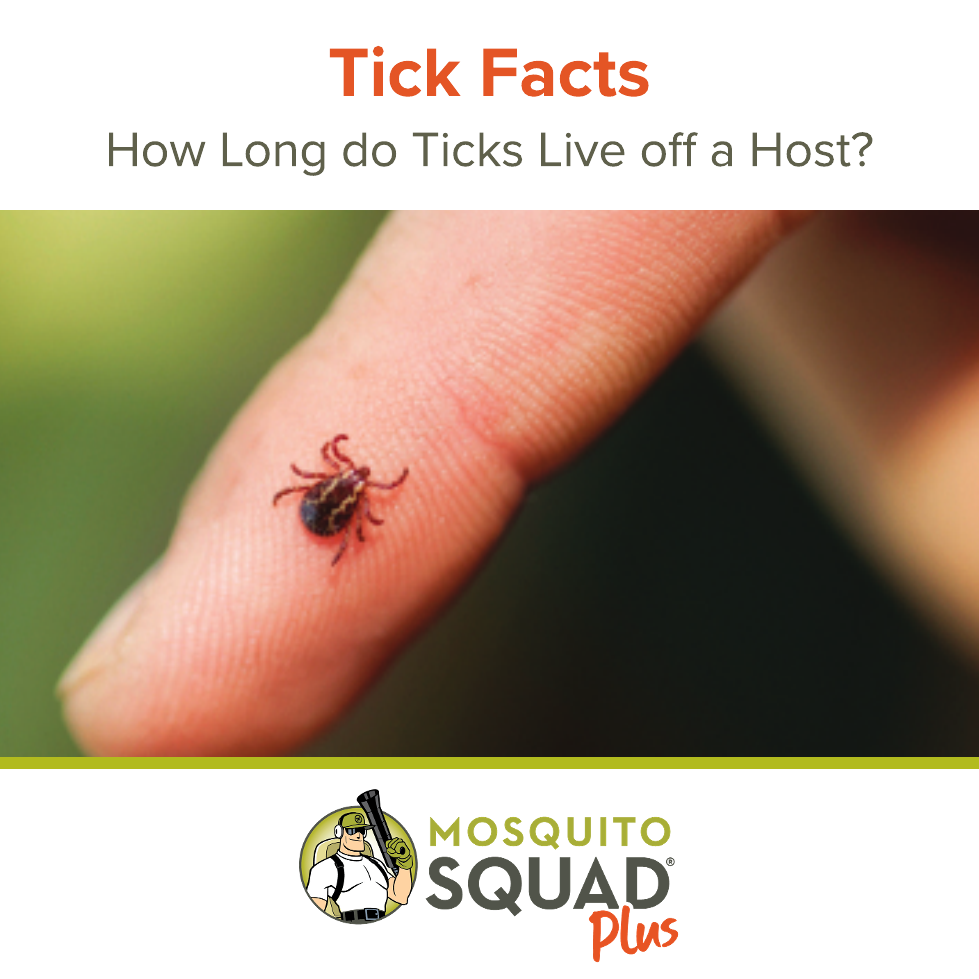
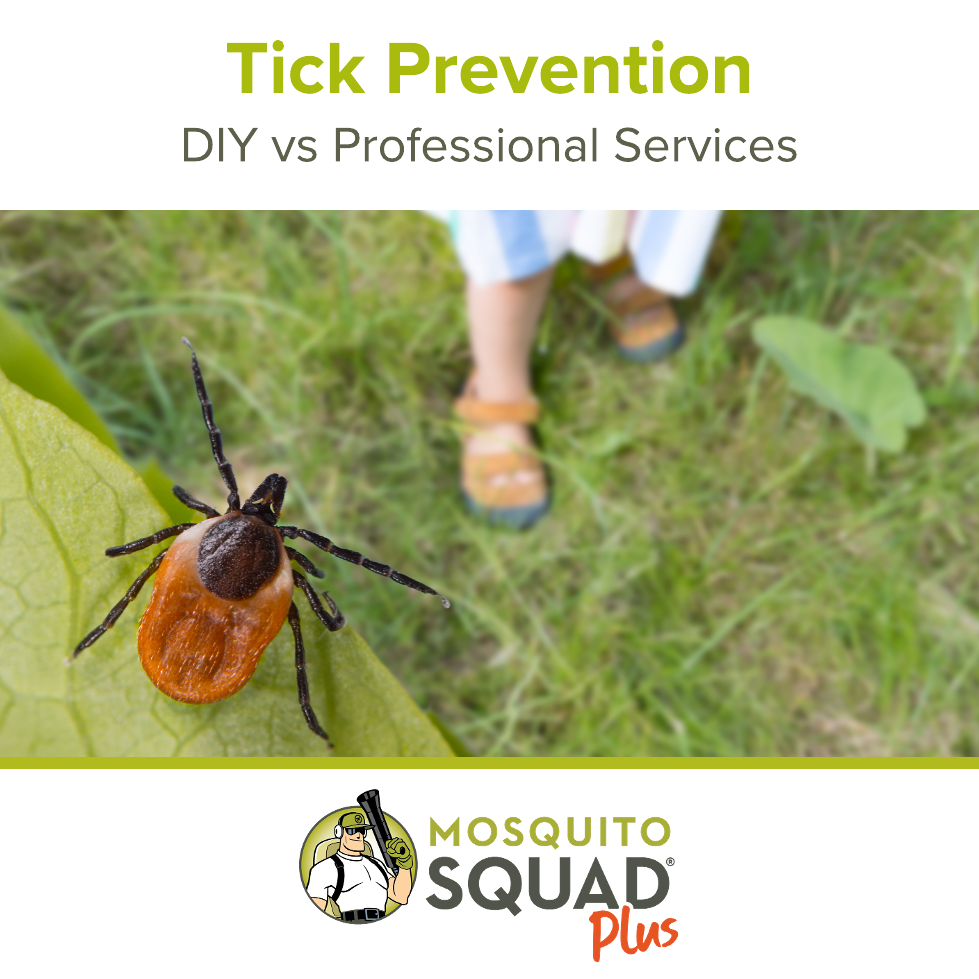
The same bottomland edge that stages mosquitoes is prime tick habitat, covered in depth in our Big Cove tick blog for valley floor properties and the Willowbend piece for the slope side. Anyone walking a fence line here should be running tick control alongside the mosquito program.
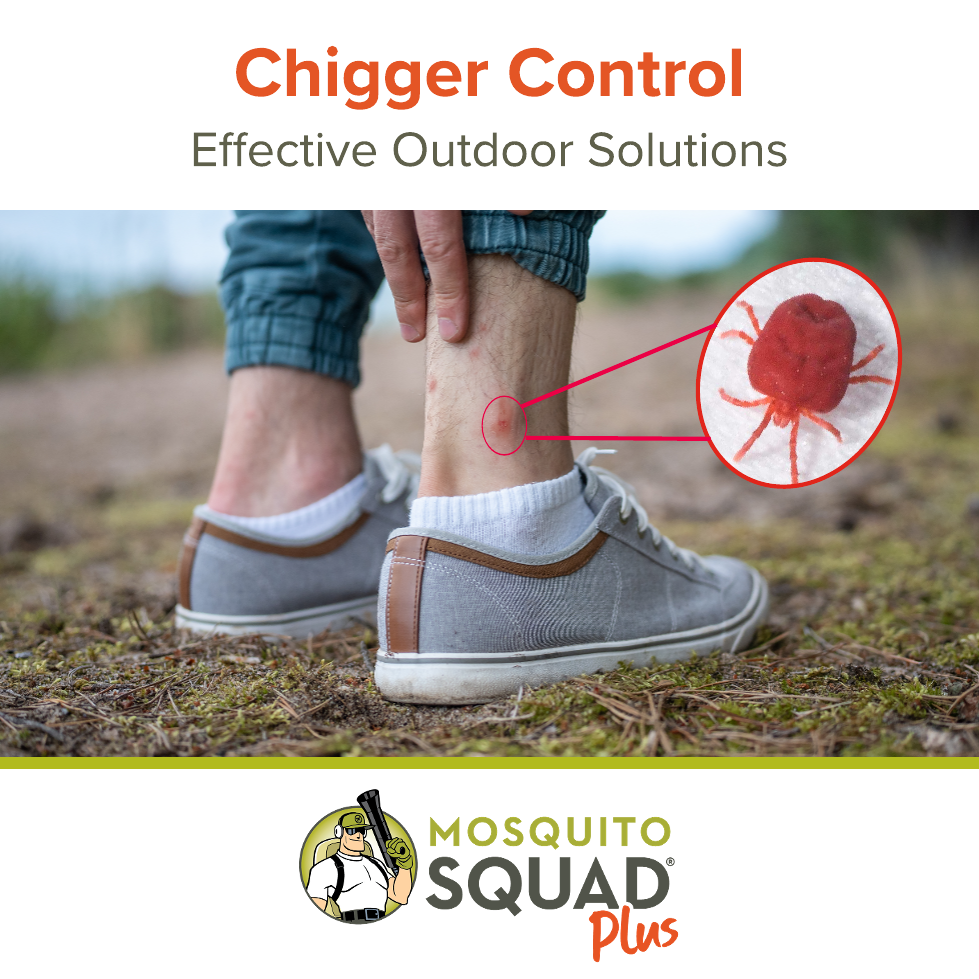
Fire ants work the same disturbed pasture and field margin and surge after the same rains. Fire ant control belongs on the plan for anyone with open ground. Chiggers hold in the tall grass at the transition zone, and chigger treatment covers the same band we are already treating on the second pass.
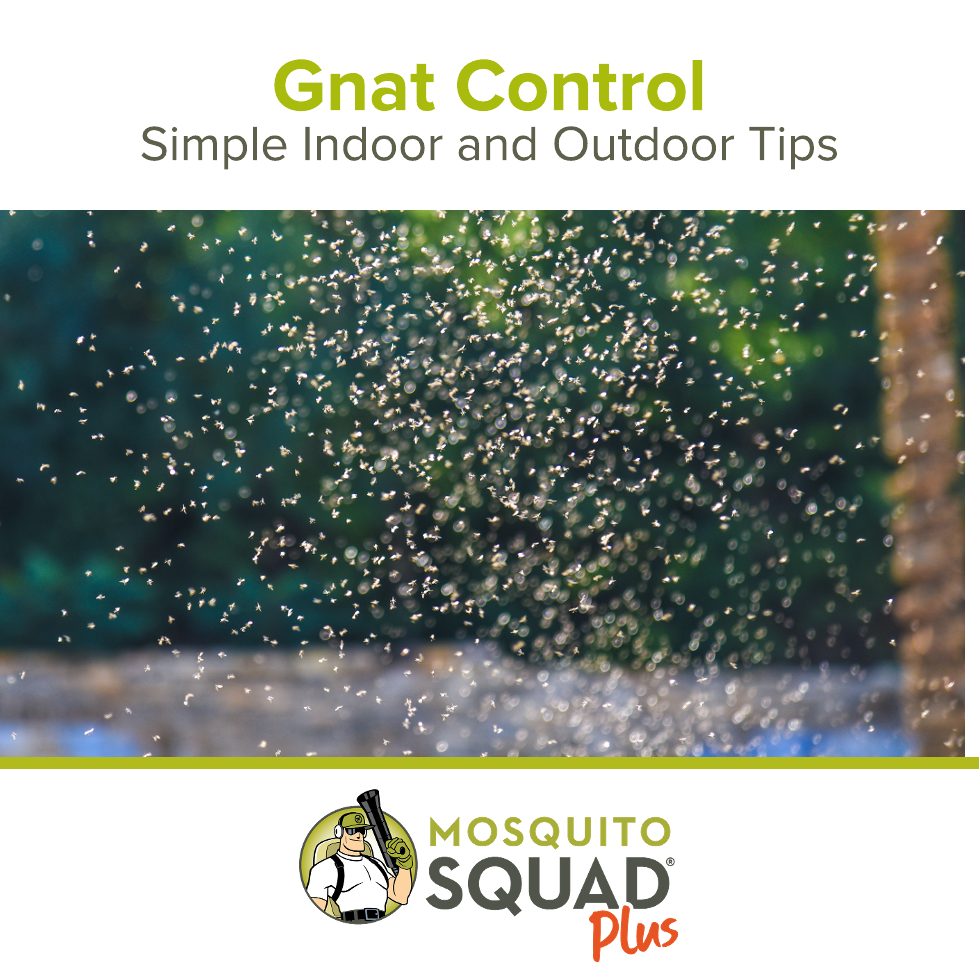
Damp bottomland also feeds gnat and no-see-um pressure, which is why people here report bites they never saw land.
We are a veteran-owned local outfit running the Owens Cross Roads side of this valley since 2018. If you have done everything right and the yard is still unusable at dusk, the problem is not your housekeeping. It is the ground around you. Call (256) 907-8493 or request a free property assessment and we will walk the edge with you. You can read what your neighbors say about how these properties get handled, and current special offers are posted online.