What Tick Season Looks Like on the Valley Floor of Big Cove, Huntsville
Posted by Mosquito Squad Plus
May 4, 2026
There is a moment most Big Cove homeowners eventually have. You come back from a walk on the Big Cove Greenway with the dog, or your kid rides home from a lesson at Hampton Cove Equestrian Center, or you spend a Saturday morning working in the back yard along the fence line that runs into the wooded edge. By Sunday evening someone in the house is finding a tick. Sometimes more than one. Often on parts of the body nobody thought to check the night before.
That is the working reality of tick season on the valley floor in Big Cove. It is not a mountain story. It is not a wooded-park story. It is a valley story, and the geography of this cove produces tick pressure that compounds in ways most homeowners do not understand until they have lived through their first full year here.
This piece is a different conversation than the slope-side tick story we covered in our Willowbend tick blog. Willowbend deals with mountain pressure coming down. Big Cove deals with everything that mountain pressure brings, settling on the valley floor where the homes are. The implications for a property here, particularly the equestrian acreage and the lakefront lots in Owens Cross Roads and the surrounding Hampton Cove community, are real, and they sit alongside the broader tick pressure profile we work with across the Huntsville and Northern Alabama service area.
What the Geography of the Cove Actually Produces
The valley sits in a bowl with Monte Sano Mountain to the west, Keel Mountain to the east, and Green Mountain rising on the western edge. The Flint River runs through the eastern side of the valley. Big Cove Creek runs through the western side. Hays Nature Preserve takes up 538 acres of working floodplain at the southern end of the valley. Goldsmith Schiffman Wildlife Sanctuary sits along the Flint River corridor immediately south of the preserve. The valley floor sits at roughly 600 feet of elevation. The surrounding ridgelines rise above 1,600 feet at Monte Sano.
That elevation differential matters. Cold air sinks into the valley overnight. Morning fog regularly forms in the bottomland through spring and early summer. The understory stays damp later into the day than what you would see on the flats out toward Madison or the higher elevations on Monte Sano itself. From a tick biology standpoint, that microclimate sustains the conditions ticks need across more days of the year than the surrounding terrain.
The 2,800-acre Hampton Cove master-planned community sits on the valley floor itself, with twenty-one different subdivisions ranging from patio homes to multimillion-dollar estates. Flint Mill runs along Peavey Creek with wooded settings and homes set back into the trees. Lake Pointe sits adjacent to several of the community's lakes. Grande Highlands is tucked into the wooded slopes that rise off the valley floor. Hampton Cove Estates carries the higher-end estate properties near the main entrance. Each of those subdivisions sits in a slightly different pressure zone within the cove, and the property-level tick story varies meaningfully between a lakefront lot in Lake Pointe, a wooded lot in Flint Mill, and an estate in Grande Highlands tucked closer to the slope.
The Tick Species Working a Big Cove Property
Four tick species drive the tick pressure on properties in the cove. Each one works differently and carries different implications for a property-level treatment program.
The lone star tick is the most common biter Madison County homeowners encounter. Outdoor Alabama, drawing on Auburn University research, identifies it as the most common tick across the state. The Alabama Cooperative Extension System documents this species as actively pursuing hosts rather than waiting for one to brush past, which means it does not require the homeowner to enter a wooded area to make contact. It crosses maintained lawn to reach a target. Lone star ticks can transmit alpha-gal red meat allergy, ehrlichiosis, and southern tick-associated rash illness.
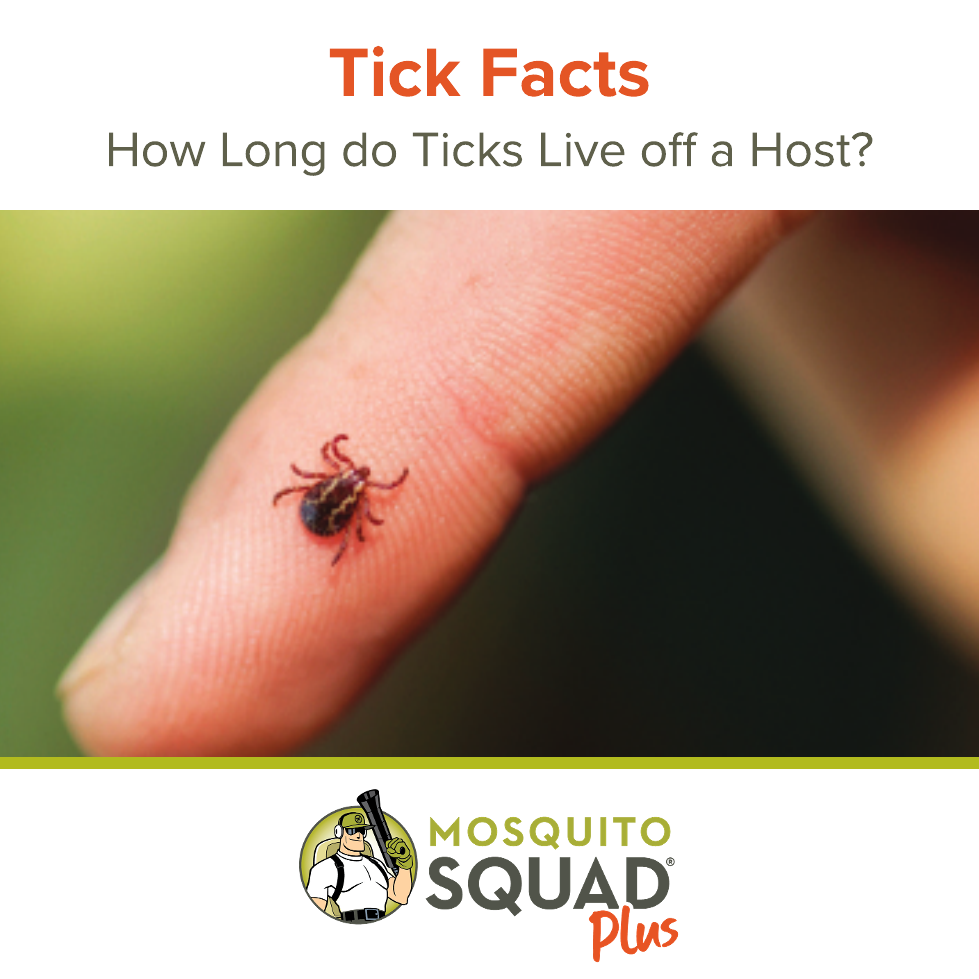
The blacklegged deer tick is the species that carries Lyme disease, anaplasmosis, and babesiosis. Adults push into late fall and through warm winter stretches. Nymphs are most active in May and June and are roughly the size of a poppy seed, which makes them easy to miss until after the bite has happened. The valley floor's leaf-litter substrate, shaded ground cover, and humidity profile produce ideal conditions for the lifecycle this species requires. Our Toney tick blog covers what the Limestone Creek corridor does to blacklegged tick pressure on the western side of Madison County, and the same general species profile applies in the cove with the geographic variables shifted to a valley floor rather than a creek bottom.
The American dog tick works the lawn itself, particularly the transition zones between mowed turf and any naturalized vegetation. It does not require a wooded edge. On a Hampton Cove lot with a maintained yard meeting any natural area along a fence line or a greenway buffer, dog tick pressure is real. Our Hazel Green tick blog covers a similar lawn-to-edge dynamic on properties in the Beaverdam Creek corridor north of Huntsville.
The Gulf Coast tick has expanded its range across Alabama in recent years and is now established across much of the state. It carries Rickettsia parkeri, which can produce a Rocky Mountain spotted fever-like illness. The valley floor environment is the kind of habitat this species favors.
A comprehensive tick control program on a property in the cove has to account for all four species rather than treating ticks as a single category.
What Equestrian Properties and 20 Miles of Horse Trails Add
Big Cove and the broader Hampton Cove area carry an equestrian community that does not exist anywhere else in Madison County at this scale. Hampton Cove Equestrian Center connects directly onto the Big Cove Greenway, with dedicated horse trails through the Equestrian Parklands along Big Cove Creek and continuing into Hays Nature Preserve along the Flint River. The valley has 20 miles of riding paths in total. Working farms with horses on the property are common features through the cove, and the historical name "Horse Cove" (used during the Civil War when local residents hid their horses in the valley to keep Union troops from seizing them) reflects how long the equine character has been part of this place.
Horses carry ticks home from trail rides. They are also blood-meal hosts for adult lone star and Gulf Coast ticks, which means a riding property maintains a tick population on the equine pasture itself in addition to whatever pressure comes from wildlife. The 6 C's of Tick Control framework we use on properties like these accounts for the equine harborage as a separate treatment zone from the residential perimeter.
The Centers for Disease Control and Prevention documents that ticks attach to people during outdoor activities including riding, hiking, and walking through grass and brush, and the recommendation to do thorough tick checks within two hours of coming inside applies on every Big Cove property. Conducting tick checks on horses themselves before bringing them into the barn is part of the working routine on most established equestrian properties in the cove.
A Word on the 28 Lakes and the Mosquito Side of the Valley
Hampton Cove has 28 stocked fishing lakes within the master-planned community. The Flint River provides another fifteen miles of waterfront within the Big Cove area. Hays Nature Preserve adds wetland and pond complexes through the southern end of the valley. The valley floor holds water in a way that very few other Huntsville-area communities do.
For mosquito biology, that water inventory matters. Culex mosquitoes (the West Nile virus vector) breed in the stocked lakes, the pond edges, and the slow-moving creek and river backwaters. Asian Tiger mosquitoes (the daytime biter) breed in any standing water held for more than three days, which on an equestrian or residential property in the cove includes water troughs, low spots in pasture drainage, irrigation system pooling, and the saucers under outdoor potted plants. The Alabama Department of Public Health tracks mosquito-borne disease activity statewide and consistently notes Madison County as part of Alabama's documented West Nile risk corridor.
A mosquito barrier treatment program on a Big Cove property accounts for the same wildlife corridors and shaded resting habitat that drive tick pressure, because the species rest in the same kinds of zones (foundation shrubs, pasture edge vegetation, shaded fence-line plantings) that ticks use as harborage. Properties that need both a mosquito control program and a tick control program get them on coordinated treatment cycles rather than as separate visits.
What Actually Works on a Big Cove Property
Effective tick control in the cove is built around treatment that matches the valley's specific pressure profile. Recurring barrier treatment runs from late February or early March through November, addressing lone star activation through the fall blacklegged adult window. Targeted treatment of the harborage zones (lawn-to-edge transitions, pasture-to-fence transitions, foundation shrub plantings, fence-line vegetation) does the actual work, rather than blanket lawn application. The Squad Yard Defender program is built around this targeted approach, and the Home Shield program extends similar coverage to indoor and structural pest pressure on properties where both are concerns.
Tick tube placement adds another layer on properties with significant wildlife pressure. Tubes work by getting permethrin-treated material into small rodent nests, which kills larval ticks before they reach the host stage that affects humans, pets, and horses. On a property with bottomland adjacent to the lot, a wooded fence line, or active wildlife corridors crossing the property, tick tubes meaningfully reduce the next generation that would otherwise reach the residential portion of the yard.
We are headquartered at 1305-B Fletcher Street in Huntsville, and we serve Big Cove and the broader Owens Cross Roads and Brownsboro corridors that share the valley terrain.
A Practical Walk Around a Big Cove Property
An hour outside with the following will tell you most of what an inspection will need to address.
Walk the boundary that adjoins floodplain, woods, or pasture. The transition between maintained lawn or paddock and any natural area is the single highest tick pressure zone. Note where vegetation has crept into the fence line and where the mower does not quite reach.
Check the lake or pond edge if your property has one. Stocked lakes in Hampton Cove subdivisions and the natural waterways throughout the cove sustain Culex mosquito production. Ornamental plantings along water edges harbor adult mosquitoes resting in the shaded vegetation through the heat of the day.
Inspect the equine areas if you have horses. Pasture-to-fence transitions, run-in shed edges, the area immediately around water troughs, the corners where horses tend to stand for shade. These zones carry their own tick pressure profile distinct from the residential portion of the property.
Walk the greenway access if your property connects to one. The Big Cove Creek Greenway, the Flint River Greenway, and the Little Cove Road Greenway pass through neighborhoods directly. The transition where the trail enters or leaves a property is a high-traffic wildlife corridor.
If you ride or walk the trails, check yourself within two hours of coming inside. The CDC documents this as one of the highest-impact prevention practices, and it works.
Schedule a free property assessment to get the property evaluated by a team that knows the valley terrain. The inspection is free and the program is built around what your specific property needs across the active season.