What Limestone Creek Brings Into Toney Yards Before Anyone Realizes the Season Started
Posted by Mosquito Squad Plus
April 14, 2026
Toney does not feel like a place with a complicated tick problem when you first settle in. The properties here have real acreage to them. Limestone County farmland, mixed hardwood stands between cleared lots, the kind of rural residential character north of Huntsville that people move here specifically to find. The commute to Huntsville runs down Highway 431 and the rest of it feels appropriately removed from the city.
What most Toney homeowners do not factor in is what runs through the back of their property. Limestone Creek follows the community from north to south before draining into the Tennessee River corridor. The U.S. Geological Survey maintains active monitoring stations along Limestone Creek near Toney, and the creek's watershed is documented as predominantly agricultural with significant recent residential growth from Huntsville. That creek is not a passive landscape feature. It is the wildlife movement corridor connecting Toney's residential properties to something considerably larger downstream.
It is early April. The Lone Star tick, documented by Auburn University research as the most common tick in Alabama, does not wait for the weather to feel like it. It is already active in the leaf litter along Limestone Creek's banks and in the brushy edges where cleared residential land gives way to the wooded drainage connecting Toney lots to the corridor downstream. The season does not send a warning. It just starts.
What Limestone Creek Actually Connects To
The terrain story of Toney is specific and it is different from every other community in the Huntsville market library.
Limestone Creek is a 45.5-mile tributary of the Tennessee River that rises in Lincoln County, Tennessee, flows south into Madison County, Alabama, and drains through Limestone County before terminating at the Tennessee River within the U.S. Fish and Wildlife Service's Wheeler National Wildlife Refuge management territory. The FWS Comprehensive Conservation Plan for Wheeler NWR explicitly references Limestone Creeks and adjacent lands as part of the refuge corridor management zone. Wheeler National Wildlife Refuge is a 35,000-acre federal refuge along the Tennessee River documented as home to 47 species of mammals, including white-tailed deer, raccoon, bobcat, beaver, and wild turkey, along with hundreds of bird species.
The deer and small mammals that use that refuge habitat do not stay within its formal boundaries. They move through the creek drainages and wooded corridors connecting the refuge territory to the agricultural and residential land upstream. Limestone Creek is that corridor. The same creek that runs through Toney's residential properties at the upstream end is the creek system that the U.S. Fish and Wildlife Service manages at the downstream end as part of active federal wildlife habitat. A Toney homeowner with a back fence line along Limestone Creek or one of its tributary drainages is not living near wildlife habitat. They are living inside the movement corridor that connects that habitat to the upland terrain throughout northern Madison County.
Alabama Cooperative Extension System entomologists are direct that homes built next to forest with dense wildlife populations have a higher risk of contact with ticks, and that the most common outdoor places where ticks are found are moist and humid areas with leaf-litter substrate under a foliage canopy, specifically the border areas where lawn or landscape meets the woodline. In Toney, that border is often the back edge of a residential lot where cleared land meets the creek drainage or the mixed hardwood stands that characterize this part of Madison County. It is not a narrow strip. On a Toney property of an acre or more, it can describe a substantial portion of the property boundary.
The Ticks Active in This Part of North Alabama
Three species drive most of what Toney homeowners encounter and understanding each one separately matters for how you approach the season.
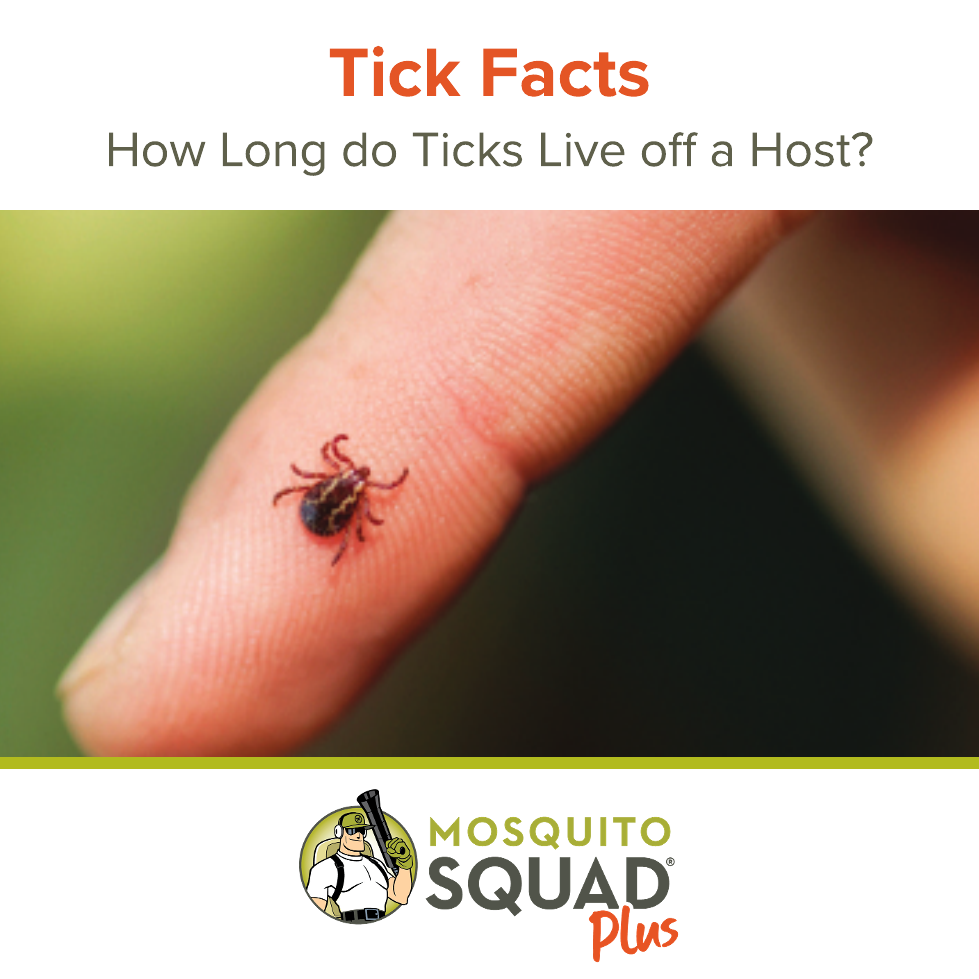
The Lone Star tick is the one that demands the most attention first. Auburn University research published through Outdoor Alabama documents it as the most common tick in Alabama following a statewide field survey conducted through the Alabama Division of Wildlife and Freshwater Fisheries. Auburn researchers found that the Lone Star and Gulf Coast ticks are the most aggressive, actively hunting down hosts rather than waiting passively on vegetation. Turkey hunters in Alabama have reported watching Lone Star ticks crawl toward them while sitting still in the woods. That behavior does not stop at the property line. This tick turns up in maintained yards near the tree line because actively seeking hosts is how it operates.
Alabama Cooperative Extension System entomologist Xing Ping Hu has called it the most abundant tick species in the state. It transmits ehrlichiosis, tularemia, southern tick-associated rash illness, and Alpha-gal syndrome. The Alabama Department of Public Health documents ehrlichiosis as transmitted primarily by the Lone Star tick, with symptoms beginning within one to two weeks of a bite and with delayed treatment increasing the risk of severe illness. Alpha-gal syndrome, a permanent allergic reaction to red meat triggered by a Lone Star tick bite, is documented by ADPH as a condition of public health concern in Alabama.
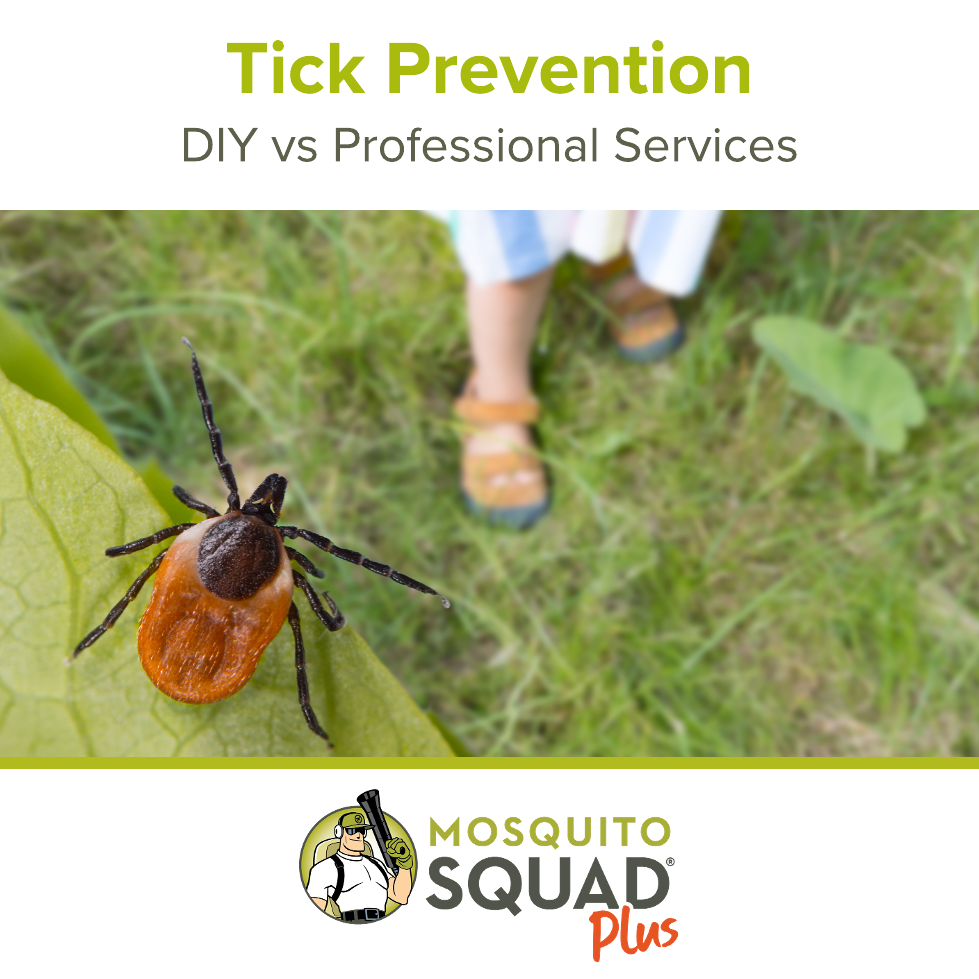
The blacklegged deer tick adds a second layer that is growing in relevance in north Alabama. The Alabama Department of Public Health lists spotted fever rickettsiosis, Lyme disease, ehrlichiosis, and anaplasmosis as the most commonly reported tick-borne diseases under surveillance in Alabama, with blacklegged ticks transmitting Lyme disease and anaplasmosis. The CDC documents that nymphal blacklegged ticks are actively questing from April through July, that their poppy-seed size makes them nearly impossible to detect during the 36 to 48 hours needed for Lyme disease bacteria to transmit. In Toney's mixed hardwood and creek corridor terrain, which Auburn research confirms as habitat where blacklegged ticks are found equally in pine and hardwood stands, that April through July window maps directly onto the outdoor season when most families are spending the most time in their yards.
The American dog tick rounds out the picture. Alabama Cooperative Extension documents it as a species commonly found in people's backyards, especially where there is a maintained green lawn and a nearby wooded area. On a Toney lot where mowed turf transitions to mixed hardwood stand or creek edge, that description applies across a meaningful share of the property perimeter.
What Toney Homeowners Run Into
The back of the property is the reason most people chose this place. The lot that runs to a creek or a tree line, the space between the house and the neighbor's fence line that actually feels like space, the sense that you are close enough to Huntsville to commute but far enough removed that the yard feels like it belongs to you. That distance is real. It is also exactly where the first tick encounter happens.
Not near the house. Down at the far end of the property, near the creek, where the mowed grass runs out and the brushy growth takes over along the drainage. The dog comes back from that corner and sits unusually still while you work through the fur at the base of its ear and find something small and dark that was not there this morning, already partially attached. Or a child comes inside from the back of the lot with a bite that develops slowly near a sock line rather than on open skin, the kind of bite you find during the bath that night rather than when it happened.
The yard gets walked the next morning. Nothing obvious near the house or in the open mowed area, which makes sense because the open mowed area is genuinely low-pressure terrain. The pressure lives in the leaf litter along the creek bank. It lives in the shaded brushy edge where cleared lot gives way to the wooded drainage connecting back toward the Limestone Creek corridor. It lives in the low damp corners where the terrain holds moisture three or four days after the last rain.
The response is to treat the open areas near the house because those feel controllable. Granular products go on the lawn. Tick checks get more serious. The brushy back edge gets noted as something to clear back eventually. All reasonable responses to finding something on the dog or a child. None of them address the source population concentrating in those creek edge and woodland transition zones, and none of them change what happens the following weekend when the dog is back in that corner and the kids are at the far end of the lot near the creek.
How Treatment Works on a Toney Property
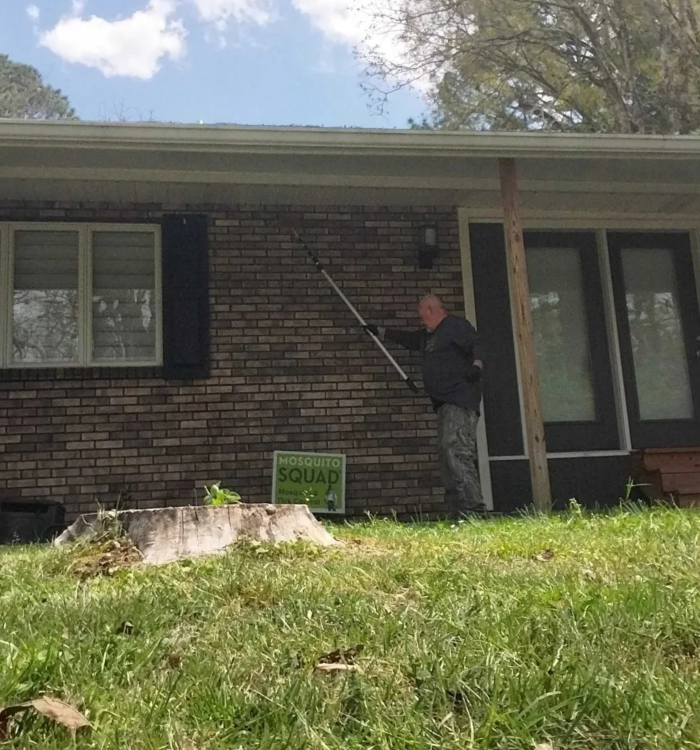
The Alabama Cooperative Extension System is specific about where applications need to go. The tick zones are the moist and humid areas with leaf-litter substrate under foliage canopy, the border areas where lawn or landscape meets the woodline, and the brushy shrub edges where ticks concentrate within twelve inches of the ground. Not the open mowed lawn. Not the area around the back deck. The edge zones where the treated property transitions into the terrain that connects back toward the creek corridor. Alabama Cooperative Extension puts the standard treatment window at April through October, with recurring treatments every four to seven weeks to prevent gaps where the population quietly re-establishes between visits.
What makes Toney's treatment geography different from a denser suburban lot is not just scale. It is the nature of the pressure. On a tighter suburban lot the tick population is relatively static between visits. The source zone is defined and the wildlife movement through it is limited. On a Toney property with Limestone Creek frontage, the reintroduction pressure from the corridor downstream is continuous rather than seasonal. Deer, raccoon, and small mammals moving between Wheeler NWR territory and the upland residential land along the creek do not stop when the calendar flips to a new month. They move through that corridor all year. A treatment program that begins in early April and maintains consistent coverage through fall intercepts that continuous pressure at the edge zones where it enters the property rather than reacting to it after it has already reached the yard.
For properties with significant creek frontage or wooded acreage, tick tubes add a second layer by targeting the white-footed mice and small rodents that carry larval ticks into residential areas before they reach the biting stage. The CDC recommends consulting a licensed applicator for properties with significant tick pressure and notes that targeted treatment can meaningfully reduce tick populations in treated areas. On a Toney lot where the creek edge connects to the Limestone Creek wildlife corridor, that second layer is worth the consideration.
Harvest sits to the south in the Madison County corridor where Limestone Creek continues its drainage toward the Tennessee River. Properties there with creek-adjacent lot lines and wooded edges along that same drainage system face the same continuous wildlife movement pressure from the corridor connecting back toward Wheeler NWR territory. The treatment logic that applies along the creek edges in Toney applies equally through that corridor for the same documented terrain reasons.
When to Start and What to Watch For
Early April is the window for Toney. The Alabama Department of Public Health documents that tick-borne illnesses have been reported year-round in Alabama, though ticks are most active in early spring and late fall months. For the Lone Star tick specifically, Auburn research confirms it is active during warm stretches well before most families have thought once about the season. A warm stretch of days in late February or early March is enough to bring activity back along the Limestone Creek edges before April arrives.
The specific indicators that tell you the season is running in a Toney yard: deer sign along the creek bank or the back fence in late March, fresh tracks in soft soil after a wet morning. The dog sitting unusually still after time in the back of the property. A child coming inside from near the wooded edge with a bite that develops slowly near a waistband or sock line. On a Toney property where the back of the lot connects to Limestone Creek, those are not unusual seasonal events. They are the creek corridor doing what it does.
Meridianville homeowners in the eastern Madison County corridor with creek drainage and wooded lot edges deal with comparable pressure for the same terrain reasons. Athens sits in Limestone County directly adjacent to the Toney corridor and properties there with rural residential character and creek frontage face the same early spring activation pattern along the Limestone Creek watershed.
For context on how tick pressure builds elsewhere in the Huntsville market, the Willowbend blog covers what living on the mountain side of Huntsville does to tick season for the communities on the ridge side of the market. Toney's tick pressure runs from a different source and through a different corridor, but the seasonal calendar is the same. Getting ahead of it before April means managing the season rather than chasing it.
The Limestone Creek corridor has been moving wildlife through this part of Madison County longer than the residential lots have been here. The edge zones at the back of the property know that even when the calendar does not. Reach out to Mosquito Squad Plus and get the perimeter addressed before the Lone Star population peaks.