What the Beaverdam Creek Corridor Means for Tick Season in Hazel Green
Posted by Mosquito Squad Plus
April 15, 2026
Most people who moved to Hazel Green know the Flint River is out there somewhere to the northeast. Fewer think about Beaverdam Creek, which drains the western side of north Madison County through wooded bottomland and wetland habitat before feeding into the Limestone County system toward Wheeler National Wildlife Refuge. It does not show up in casual conversation. It does not have a boat ramp or a weekend fishing crowd that puts it on anyone's radar.
What it does have is 700 acres of documented sensitive habitat that the City of Huntsville transferred to the Land Trust of North Alabama specifically because of what lives in that corridor, dense canopy, swamp, wetland margins, and the kind of continuous wildlife movement that comes with connecting residential north Madison County to one of the most significant wildlife refuges in the Southeast. The deer, raccoon, coyote, and turkey that move through that system do not stop at property lines. And the ticks that ride along with them definitely do not either.
That is the part nobody mentions when you are signing the papers.
What the Beaverdam Corridor Actually Does
The Beaverdam Creek system runs through terrain that looks and behaves completely differently from the open agricultural ground Hazel Green is known for. The creek corridor is shaded, organically rich, and wet across a wide margin for most of the year. The Land Trust of North Alabama has documented this area as containing swamp, wetland, and dense bottomland hardwood canopy that supports a population of threatened and endangered aquatic species. That kind of ecological stability only exists in a system with consistent moisture, minimal disturbance, and serious wildlife activity year-round.
That same stability is exactly what creates persistent tick habitat. The CDC's tick surveillance guidance identifies dense, shaded, leaf-littered woodland edges adjacent to open ground as the primary residential tick exposure zone in the eastern United States. The Beaverdam corridor checks every one of those boxes, and it presses directly against residential properties on the western side of Hazel Green where larger lots back up to wooded buffers, undeveloped field edges, and fence lines that have not seen a mower in years.
The wildlife using that corridor does not stay in it. It moves through yards, gardens, and the stretch of grass between the driveway and the back fence on a daily basis throughout spring, summer, and fall, and less consistently but still meaningfully through winter. Every visit is a delivery.
The Two Ticks That Matter Here and Why They Are Different
North Madison County has documented populations of both the Lone Star tick and the blacklegged tick according to the Alabama Department of Public Health, and honestly, knowing the difference between the two changes everything about how you think about your yard.
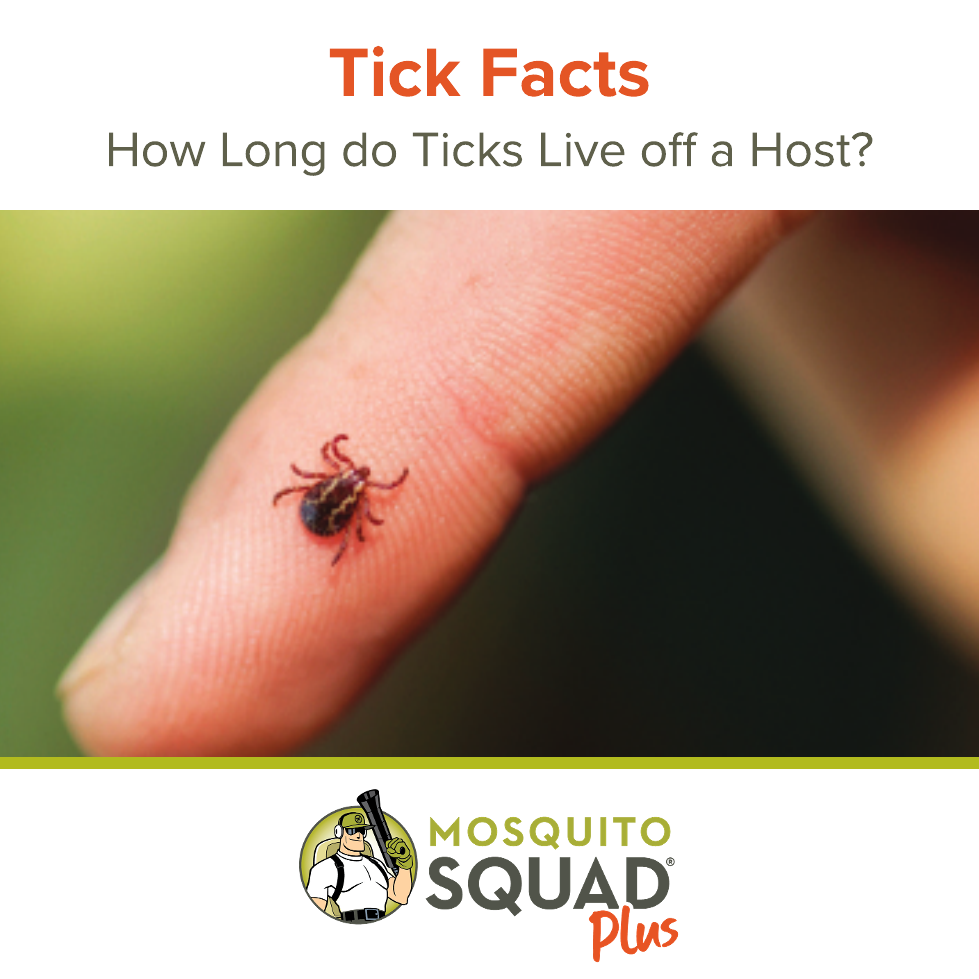
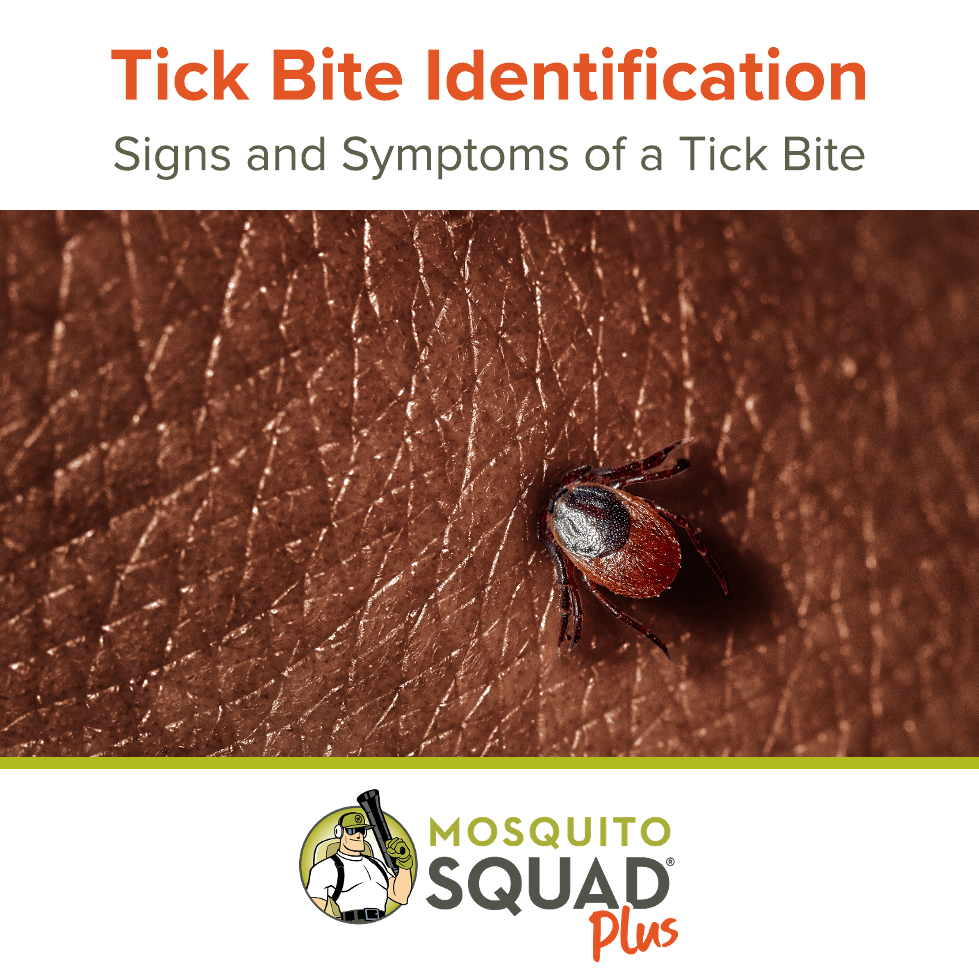
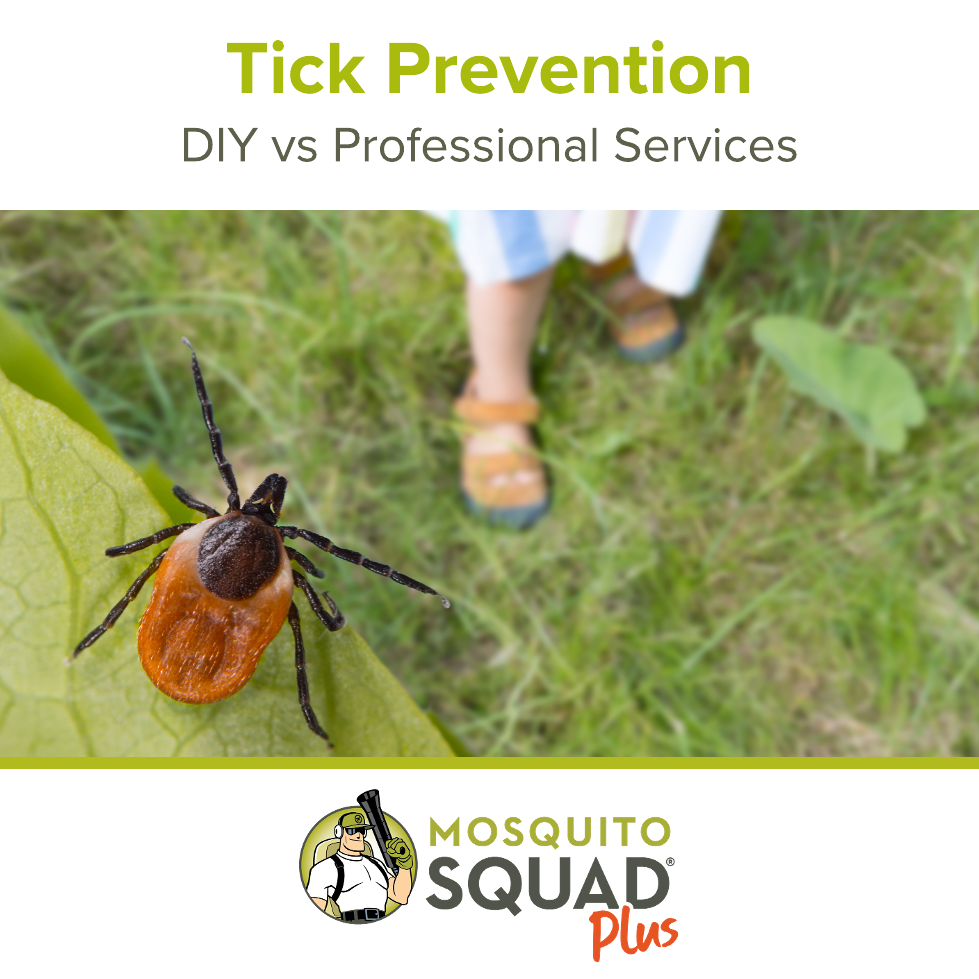
The blacklegged tick, Ixodes scapularis, is the Lyme disease vector. It is a passive hunter. It climbs to the tip of a grass blade or a low shrub and waits for something warm to brush past. This is called questing, which sounds almost peaceful until you realize it means your dog, your kid, or your ankle is the thing it is waiting for. Blacklegged ticks concentrate in predictable zones, the transition between maintained lawn and unmaintained vegetation, the edge of the wood line, the perimeter of a garden bed that runs up against a fence. They do not chase. They wait. Which means you can actually get ahead of them if you know where to look.
The Lone Star tick, Amblyomma americanum, is a different story entirely. It actively pursues hosts by detecting carbon dioxide and heat, moving toward the source rather than sitting and hoping. According to Alabama Cooperative Extension, the Lone Star tick is now the most commonly encountered species in residential north Alabama, and its aggressive behavior means exposure is not limited to the vegetated edge. It will cross open lawn to reach you. (Yes, really.)
The Lone Star tick also carries a consequence that catches a lot of north Alabama homeowners completely off guard. A bite from an infected Lone Star tick can trigger alpha-gal syndrome, an immune response to a sugar molecule called galactose-alpha-1,3-galactose that causes allergic reactions to red meat. Sometimes serious ones. Symptoms can develop weeks or months after the initial bite, which means plenty of people never connect the allergy to a tick exposure at all. The CDC's alpha-gal syndrome documentation shows rising cases across the Southeast as Lone Star populations expand into residential and rural settings. Hazel Green fits that profile on every count.
What a Hazel Green Property Looks Like to a Tick
A half-acre or larger lot backing up to a wooded fence line in north Madison County is not a yard with a tick problem at the edges. It is a yard embedded in tick habitat, with a maintained lawn serving as the buffer zone between the house and a corridor that connects directly to Beaverdam Creek bottomland and everything that moves through it.
The areas where ticks concentrate on a property like this are actually pretty predictable once you know what to look for. The unmowed strip along the back fence where the grass transitions into something taller and less managed. The area under any deck or outbuilding where leaf debris has accumulated and moisture stays long after everything else has dried out. The perimeter of any garden bed that runs near a natural edge. The path the dog takes between the back door and the wood line, every single day, and every blade of grass along it.
Alabama Cooperative Extension tick research documents that the highest residential tick encounter rates in north Alabama occur on properties with large lot size, proximity to wooded or agricultural edge, and regular wildlife visitors. Hazel Green checks all of those. So does neighboring Meridianville, which sits in the same north Madison County farmland-to-woodline transition terrain and carries the same year-round tick pressure on larger residential lots. If you have talked to a neighbor about finding ticks on the dog, there is a good chance they nodded immediately. (We hear this constantly.)
What Homeowners Usually Try First
The first move is usually personal protection. DEET, permethrin-treated clothing, tick checks after time outside. All reasonable, all worth doing, and the CDC recommends them as part of any tick exposure reduction strategy. Keep doing those things.
They work at the individual level. They do not change the population density on your property. A yard with consistent, untreated tick pressure means every trip outside, every time the kids run through the back, every time the dog comes in from the fence line, carries exposure risk regardless of what anyone is wearing. You can do everything right personally and still have a yard that is working against you.
The second move is usually habitat modification. Clearing the leaf litter along the fence line. Mowing the unmowed strip. Creating a wood chip barrier at the lawn-to-woodline transition. These reduce the edge habitat that blacklegged ticks depend on and are genuinely worth the effort. They are less effective against Lone Star ticks, which will cross that barrier anyway because that is just what they do.
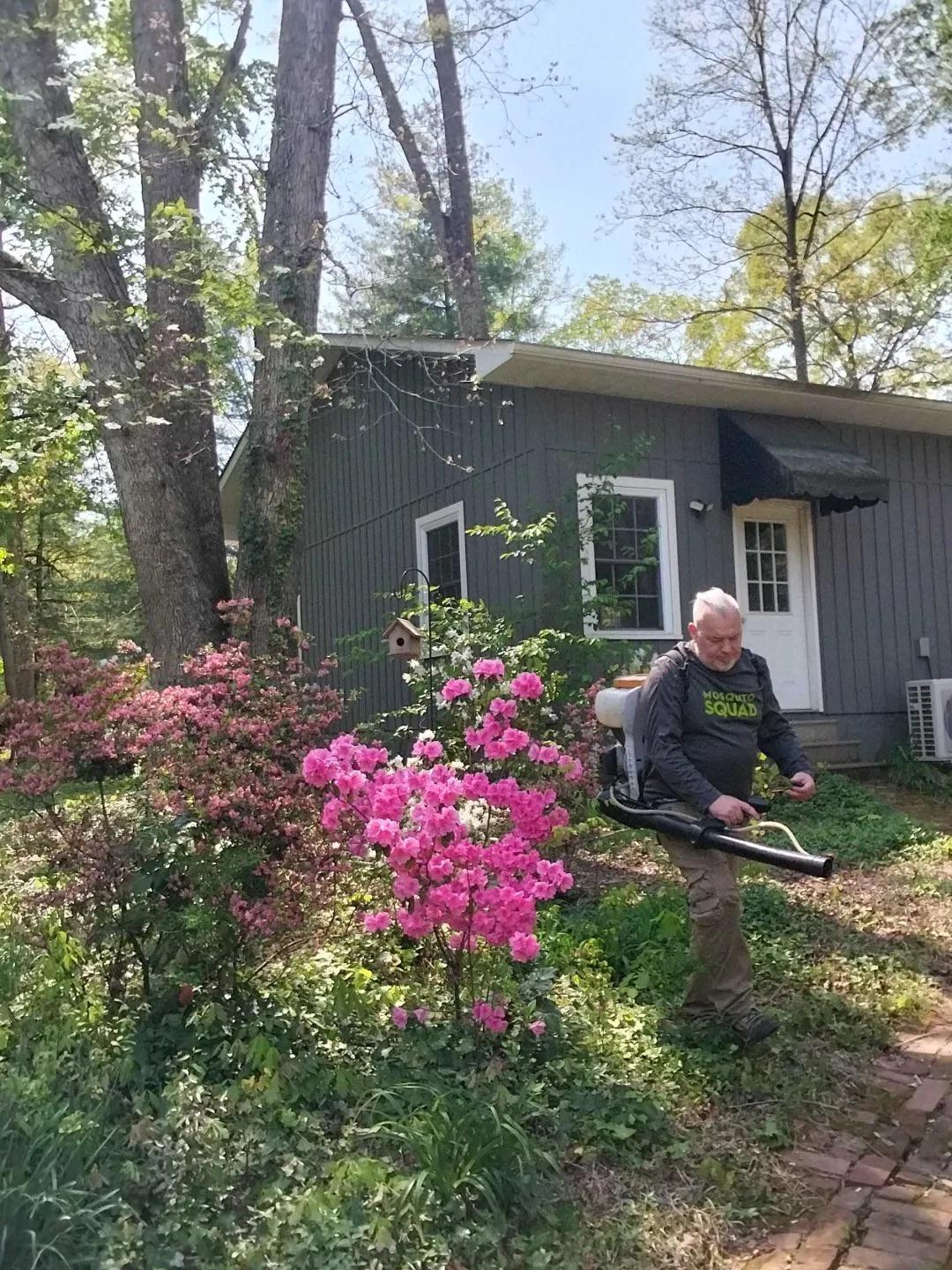
A tick control treatment program that targets the areas where ticks concentrate on your specific property, applied on a recurring schedule through the active season, addresses both species and works alongside those habitat and personal protection measures rather than replacing them. The 6 C's of tick control is a solid framework for thinking through tick management on a property with the kind of terrain Hazel Green has.
When Tick Season Actually Runs in North Madison County
Longer than most people expect. That is the honest answer. The Alabama Department of Public Health notes that tick activity in Alabama is documented in every month of the year in areas with consistent wildlife movement and moderate winter temperatures. North Madison County qualifies on both counts, and the Beaverdam corridor keeps wildlife moving through residential areas even when it feels too cold for anyone to be worrying about ticks.
The practical peak runs from late February through November. The blacklegged tick is most active in the cooler shoulder seasons, early spring and fall, when temperatures support questing behavior without the heat stress that pushes them into leaf litter. The Lone Star tick runs hottest in late spring and early summer when nymphs are active and moving aggressively through residential yards.
Nymphs are the stage most responsible for human disease transmission, and they are the one most people have never heard of until something goes wrong. They are roughly the size of a poppy seed. Easy to miss on a tick check. Capable of attaching and feeding for the 24 to 48 hours that transmission of most tick-borne pathogens requires without you ever noticing them. Getting a treatment program in place before nymph activity peaks, which in north Alabama typically means March or early April, consistently outperforms reactive treatment started after the first confirmed tick encounter. Trust us on that one.
Hazel Green, the Beaverdam Corridor, and the Broader Picture
The mosquito story in Hazel Green is about the Flint River and what agricultural north Madison County does to the early season. The tick story is a completely different conversation, built around what the Beaverdam Creek corridor and the wooded edges pressed against residential properties do to year-round exposure risk. If you want the full seasonal picture for this community, the Hazel Green mosquito blog covers the other half. And if you want to see what tick season looks like on the mountain and ridge side of the Huntsville market, the Willowbend tick blog covers that terrain from a completely different elevation and habitat character.
Mosquito Squad serves Hazel Green and Harvest and communities throughout north Alabama. The Huntsville tick control team is ready when you are. The Beaverdam corridor does not slow down for spring to arrive officially, and neither should your treatment program.