What Severe Weather Season in Huntsville Leaves Behind
Posted by Mosquito Squad Plus
May 28, 2026
Everyone who lives in North Alabama knows the drill. The sirens go off, you check your phone, the radar looks like something out of a disaster movie, and you spend forty minutes in the hallway waiting for the all-clear. Then the storm passes, the sky turns that particular shade of washed-out green that only exists after a serious weather event, and you walk outside to assess the damage.
Branches down. Maybe a fence panel. The yard is absolutely soaked, standing water everywhere, and the air smells like wet clay and ozone. You start picking up debris and figuring out what needs to be fixed.
What you are not thinking about, because why would you be, is mosquitoes.
But you will be. About a week from now, when the sky is clear and the temperature is perfect and you finally feel like walking out to the back patio with a drink, the mosquitoes are going to make that decision for you. And if the storm that just moved through was a serious one, the kind that left standing water in places you forgot could hold standing water, the pressure is going to be worse than anything you dealt with earlier in the season.
This is not a coincidence. This is North Alabama doing exactly what North Alabama does every spring. The severe weather comes through, leaves the valley soaked, and the mosquitoes inherit everything the storm left behind. Understanding why that happens here specifically, and why mosquito control in Huntsville has to account for the way this valley behaves after a major weather event, is the whole conversation.
North Alabama Is Not Just Tornado Country. It Is a Flood Basin With a Tornado Problem.
People outside of Alabama think of this region primarily in terms of tornadoes. And they are not wrong. The Tennessee Valley is one of the most tornado-active corridors in the country, and the NOAA Storm Prediction Center data confirms what anyone who has lived in Madison County through a few April storm seasons already knows in their gut. The storms here are not occasional. They are a seasonal feature of life, the same way mosquito season is, and they tend to arrive in waves rather than as isolated events.
But what gets less attention is what those storm systems leave behind on the ground. Huntsville sits in the Tennessee Valley, a broad flat basin bounded by the Cumberland Plateau to the north, Monte Sano Mountain to the east, and the lower plateau terrain to the west. When a storm system drops significant rainfall across that basin, the water does not have a lot of places to go quickly. The Flint River runs south through Madison County before meeting the Tennessee River near Decatur. Limestone Creek drains through Toney and Meridianville. Indian Creek runs through the eastern parts of Huntsville before emptying into the Tennessee River system. These are creek systems, not major rivers, and they rise fast and recede slowly.
The USGS streamflow data for the Flint River near Brownsboro shows exactly this pattern after significant rainfall events. The river crests quickly, then the recession stretches out over days, leaving saturated soil and wet creek margins across the valley floor long after the storm has moved east. That slow recession is not just a nuisance for homeowners with low spots in their yards. It is a mosquito incubator running at full capacity, and nobody is thinking about it because they are still cleaning up tree limbs.
Wheeler Lake, which TVA manages along the Tennessee River just north and west of Huntsville, adds another layer. The lake level fluctuates seasonally, and after significant storm events the lake margin expands, leaving wet vegetated shoreline that serves as persistent mosquito habitat for weeks. Madison sits directly along the Wheeler Lake corridor and deals with this dynamic every single spring. The view from a waterfront lot is genuinely beautiful. The mosquito math after a major storm event is genuinely not.
Mosquito control in Huntsville cannot be built around average conditions because average conditions do not describe North Alabama spring. This market is defined by its weather extremes, and the mosquito season that follows those extremes is just as extreme if you are not prepared for it.
What the Storm Actually Left in Your Yard
Here is where it gets personal, because the watershed story and the TVA reservoir story are interesting context, but the mosquito problem happening in your yard right now is not happening at the watershed scale. It is happening in the wheelbarrow that got left outside and still has a depression holding two inches of rain. The low spot along the back fence where the grade runs toward the property line and water sits for four days after a storm. The gutters that did exactly what clogged gutters do when three inches of rain falls in ninety minutes.
The CDC's mosquito prevention guidance is consistent and has been for years: the most productive mosquito breeding sites are small, shallow, warm containers of standing water close to where people live. Not swamps. Not retention ponds. The half inch of water in a plant saucer that nobody moved before the storm. The low corner of the tarp over the boat that has been collecting water all spring. After a severe weather event in North Alabama, every one of those sources fills at once and the mosquitoes do not waste any time getting to work.
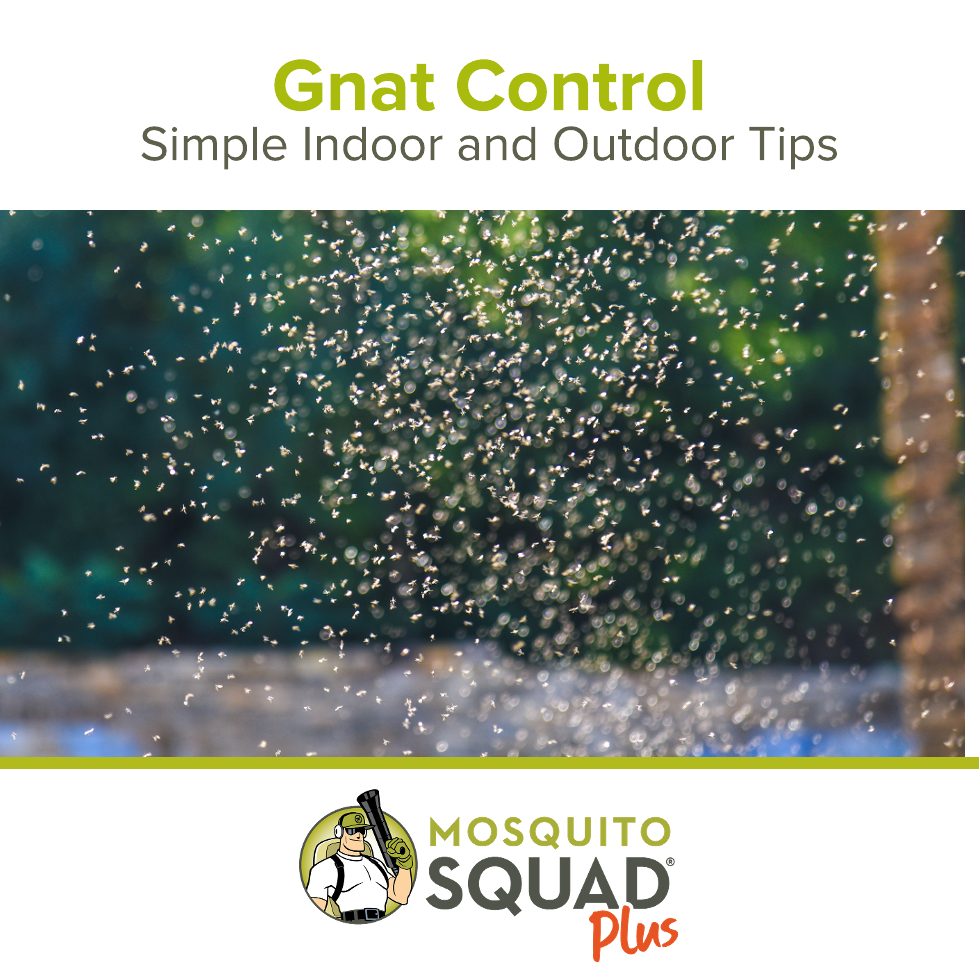
Aedes aegypti and Culex quinquefasciatus, the two species responsible for most of the biting pressure in residential Huntsville, need about a half inch of standing water and roughly a week of warm temperatures to go from egg to biting adult. In Alabama's spring climate, where temperatures are already running warm before the storm even arrives, that cycle runs at its fastest possible speed. The eggs get laid in post-storm standing water within hours of the storm passing. The larvae hatch within a day or two. By the time the yard looks normal again and you are ready to be outside, the first generation of post-storm adults is already looking for a meal. That meal is you.
Madison and the subdivisions along the Wheeler Lake corridor deal with a version of this that is compounded by the lake margin itself. The waterfront lots have standing water in the transition zone between maintained lawn and shoreline that does not drain away because there is nowhere for it to go. It just sits there, warm and shallow, doing exactly what it does.
Hazel Green and Toney in the northern part of the county deal with a different version. The Limestone Creek corridor and Beaverdam Creek hold water in the low agricultural and residential land on both sides, and the properties adjacent to those creek systems see standing water in their yards for days after a significant rain event. The people who have lived on those roads for twenty years know exactly which part of their yard stays wet longest. The mosquitoes figured it out before they did.
Owens Cross Roads sits on the eastern edge of the county where Big Cove Creek and the terrain near Lake Guntersville create persistent wet conditions after heavy rain. The properties that back up to wooded edges or creek margins there are dealing with mosquito pressure that builds fast after a storm and does not retreat quickly because the habitat that produced it is still there and still wet.
Why the Week After the Storm Is the Real Problem
If you have lived in Huntsville long enough you have noticed this pattern without necessarily having a name for it. The storm comes through, everything is miserable and flooded, and then it clears and you think the worst is over. Then about a week later you walk outside on a beautiful evening and immediately regret the decision. The mosquitoes are worse than they were before the storm. Sometimes significantly worse.
That is not imagination. That is biology running exactly on schedule.
Mosquito eggs deposited in post-storm standing water hatch within 24 to 48 hours under warm conditions. The larvae that emerge develop into biting adults in roughly seven to ten days when temperatures are in the range that North Alabama spring reliably produces. The American Mosquito Control Association documents how mosquito populations build in overlapping generations throughout the active season. A storm event does not start a new cycle from scratch. It supercharges the cycles that were already running and adds new ones layered on top.
The adults that were grounded during the storm itself were not killed. They were resting in protected spots under dense vegetation and leaf litter, exactly the shaded humid microhabitats that exist in abundance in a valley with mature tree canopy and creek-edge vegetation. The moment the storm passed and the air stilled, they were back out looking for the fresh breeding habitat the storm so helpfully provided. And there was plenty of it.
So the week after a severe weather event in Madison County, you have the original population of adults that survived the storm, plus the first wave of adults hatching from eggs laid in post-storm standing water, all arriving at the same time. That overlap is why the evenings feel so much worse than they did before the storm. It is not that the storm made things temporarily bad. It is that the storm reset the breeding calendar and compressed multiple generations into the same window. All of them landing in your backyard on the first nice evening you have had in two weeks.
Mosquito control in Huntsville that waits for pressure to become obvious is always starting late. The population has already done its work by the time most homeowners realize they have a problem.
The Severe Weather Season Is the Mosquito Season
This is the thing that separates Huntsville from most other markets and it is worth sitting with for a moment. In a lot of cities, mosquito season is a weather-dependent inconvenience. You get some rain, mosquitoes get worse for a week, things normalize. That is not the North Alabama pattern.
North Alabama's severe weather season, which the Alabama Emergency Management Agency identifies as running primarily from March through May with a secondary peak in November, is not a series of isolated events. It is a sustained period of recurring storm systems moving through the Tennessee Valley on a roughly weekly cycle. Each system drops significant rainfall. Each rainfall event resets the mosquito breeding conditions in residential yards across Madison, Limestone, and Morgan Counties. And because the valley does not drain quickly, those conditions persist between storm events, meaning the yard never fully dries out before the next system arrives.
The practical result is a mosquito season that does not build gradually the way it does in drier climates. It erupts. One significant storm event in late March can push mosquito activity from barely noticeable to genuinely unmanageable in ten days. And because another storm system is usually two weeks behind the first one, the population never gets the chance to recede before the next reset arrives. You are not fighting one surge. You are fighting a conveyor belt.
Harvest and Meridianville in the central part of the county sit on relatively flat terrain where drainage toward the creek systems is slow and agricultural ditches hold water for extended periods after heavy rain. The mosquito pressure in those communities after a significant storm week reflects exactly this pattern. Gurley and New Hope on the eastern side of the county sit closer to the base of Monte Sano and the plateau ridges, where runoff from the elevated terrain concentrates in the valley floor below and keeps conditions wet longer than the rain totals alone would suggest. None of those neighborhoods are unusual for North Alabama. They are all just doing what the Tennessee Valley does after a storm moves through.
Ticks Come With the Territory Too
The same storm conditions that reset mosquito breeding habitat do something parallel for ticks, and in North Alabama that parallel is worth taking seriously.
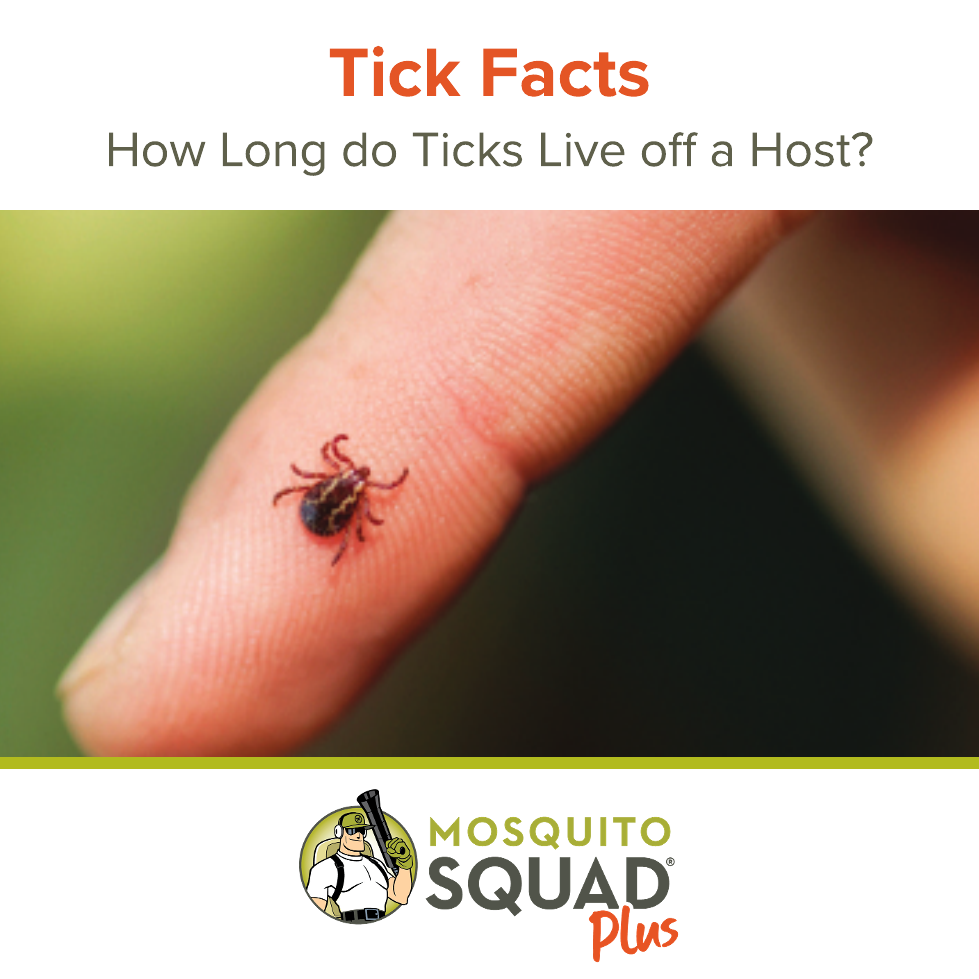
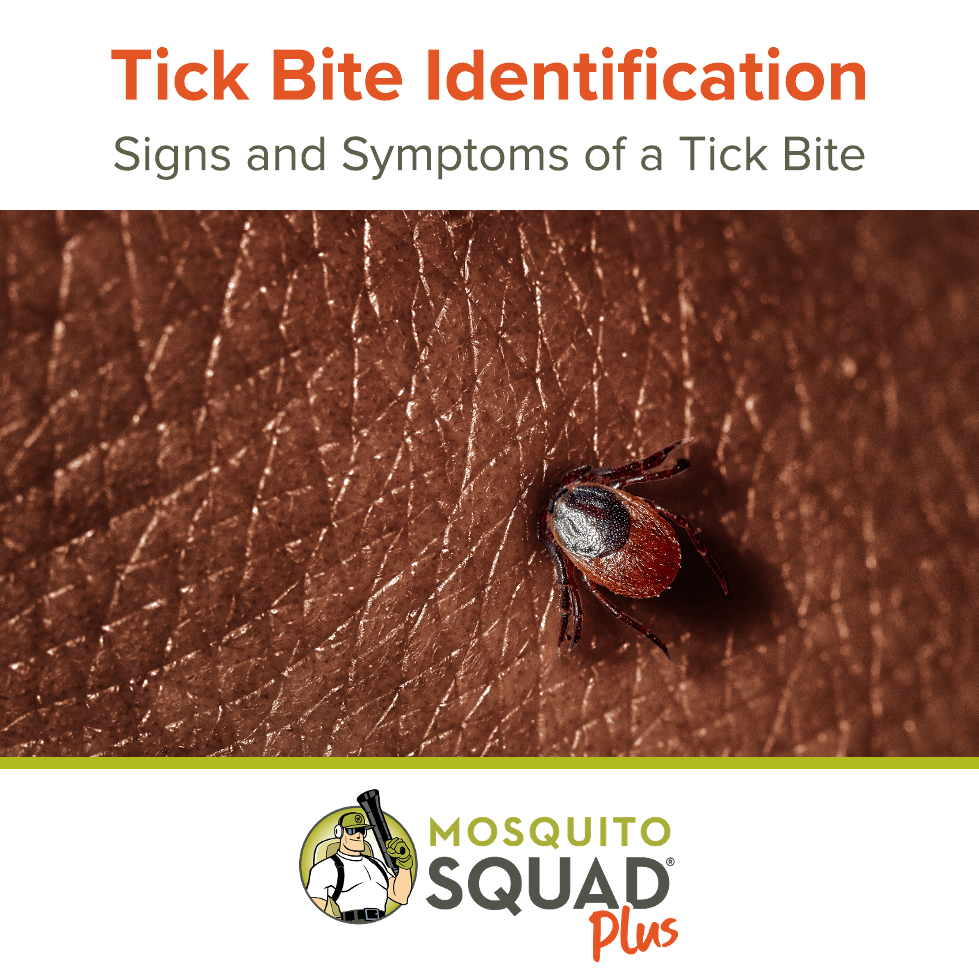
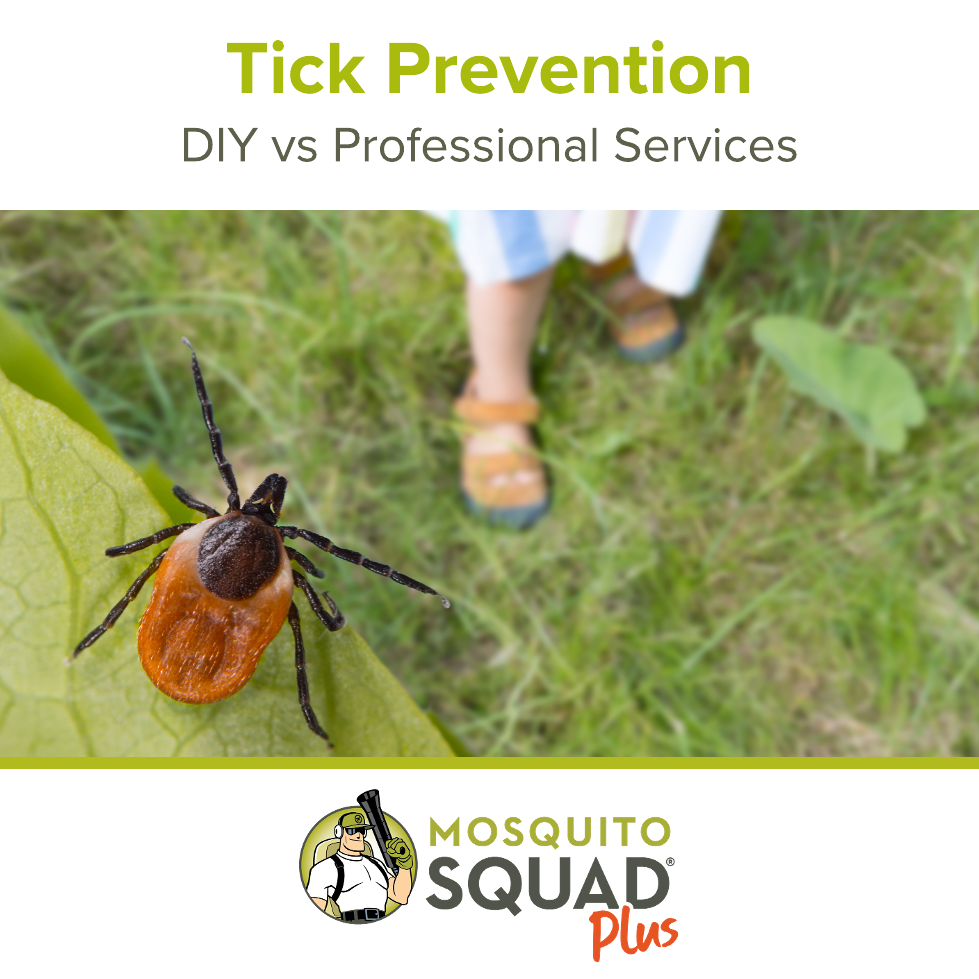
Ticks do not breed in standing water. But the saturated leaf litter, the dense wet vegetation, and the shaded soil margins that a storm week creates are exactly where lone star ticks, American dog ticks, and black-legged ticks wait for a host. Patiently. They are very good at their one job. The Alabama Department of Public Health has documented tick-borne illness across North Alabama, and the habitat that produces those numbers is everywhere in this market. The wooded edges of Willowbend. The creek margins in Hazel Green. The trail-adjacent properties near Monte Sano State Park. After a storm week those habitats are damp, shaded, and exactly what those species are looking for.
If you are only treating for mosquitoes on a property with wooded edges, a creek nearby, or a yard that backs up to undeveloped land, you are solving half the problem. The other half is waiting in the leaf litter every time someone lets the dog out, and after a wet week it is more patient than ever.
Tick control in Huntsville targets the resting habitat specifically. The shaded fence line. The mulch bed. The transition zone between the maintained lawn and the brush where the property ends and the woods begin. Those are the same zones that hold moisture longest after a storm. Same geography, same timing, same treatment window. There is no good reason to treat them separately when the conditions that drive both problems arrive together every spring in the same weather system.
What a Barrier Treatment Does When the Season Hits Like This
The 7 T's of mosquito control are worth doing every time, without exception. Tip the birdbath. Clear the gutters. Check every container in the yard that could hold water. That work genuinely reduces breeding habitat and it matters. But in a valley where severe weather creates standing water faster than any homeowner can address it, and where the creek systems keep soil saturated between events, source reduction alone is not a complete answer. Anyone who has tried to out-tip-and-toss a North Alabama storm week knows this already.
A barrier treatment targets the vegetation where mosquitoes spend the majority of their time. Not the open yard. Not the middle of the lawn. The shrub lines, the lower canopy, the dense ground cover along the fence, the shaded mulch beds where humidity sits even on dry afternoons. Mosquitoes are resting in those spots all day waiting for evening, and the barrier treatment finds them there before the evening finds you. On a 21-day cycle it keeps the population below the threshold where it disrupts outdoor life, and it stays ahead of the overlapping hatches that storm events trigger.
After a severe weather event the timing of that treatment matters more than it does during a normal week. A treatment applied in the seven to ten days following a major storm, when the post-storm hatch is just starting to emerge from all that fresh standing water, catches the population at the most vulnerable point in its cycle. That is the window that separates a yard that recovers quickly from one that stays difficult through the rest of May and into June.
Mosquito Squad's barrier treatment runs on a 21-day schedule because that interval matches the biology of the population cycle and keeps the treatment ahead of the hatches that North Alabama's recurring storm pattern triggers. It is built for exactly this kind of season, not a gentle spring with occasional light rain, but a valley that gets hit repeatedly and needs coverage that holds between events.
Properties in Decatur and Athens along the Tennessee River and Wheeler Lake corridor, and properties in Owens Cross Roads and Brownsboro near the eastern creek systems, deal with sustained pressure that goes beyond what a single seasonal program handles on its own. Year-round coverage through the Home Shield package or the Complete Home and Yard program makes more sense for those properties because the conditions that create the problem do not take a proper winter break in North Alabama the way they do in colder climates.
When to Start and Why the Storm Already Answered That Question
In most markets the timing question is about the calendar. When does mosquito season typically start? What temperature threshold triggers activity? Those are reasonable questions in predictable climates.
In Huntsville, the timing question is answered by the weather. Specifically by the first significant storm event of the year. Whenever that storm arrives, whether it is the third week of March or the second week of April, the week that follows it is when mosquito season in Madison County truly begins. Not the calendar date. The storm date.
The University of Alabama in Huntsville's atmospheric research has documented how the valley's geography amplifies storm impacts compared to surrounding areas, with the bowl terrain concentrating both rainfall and the temperature conditions that follow it. That concentration means the valley floor warms faster after a storm than the surrounding plateau terrain, which accelerates mosquito development precisely in the neighborhoods where most people live.
Starting mosquito control in Huntsville before the first significant storm of the season means the barrier treatment is already working when that storm resets the yard. Properties with active coverage going into a major weather event recover faster and stay manageable through the rest of the storm cycle. Properties starting from zero after the storm are always playing catch-up, and in a season where another system is never more than two weeks away, catch-up is a very difficult position to sustain.
The Home Shield package extends that protection year-round, which matters in North Alabama because the shoulder seasons here are longer than most homeowners budget for. The mild winters mean pest pressure pauses rather than stops. The same yard dealing with mosquitoes in May is dealing with spiders, ants, and rodents trying to move inside in October. Year-round protection built around the actual climate of the Tennessee Valley makes more sense than seasonal scrambling every spring when the storms arrive and the mosquitoes follow right behind them.
The Storm Passes. The Mosquitoes Stay.
That is the North Alabama pattern in one sentence, and it has been the pattern every spring for as long as people have been building houses in the Tennessee Valley.
The severe weather is dramatic. It gets the attention, the news coverage, the cleanup effort. And rightly so. A tornado touchdown is not a minor weather event and nobody is treating it like one. But the weeks that follow a significant storm sequence are when the real outdoor quality of life problem shows up, quietly, at dusk, in the yard you just spent a weekend cleaning up. You cleared the branches. You fixed the fence. You thought you were done.
You were not done.
The Flint River is still running elevated. Limestone Creek is still wet on both sides. The low spots in yards from Toney to Owens Cross Roads are still holding water that nobody can see from inside the house. And the mosquito population that hatched into all of that post-storm habitat is right on schedule, right when the weather is finally nice enough to want to be outside.
The USGS National Water Information System tracks how long the creek systems in Madison County stay elevated after storm events. The answer, for anyone who has watched a North Alabama spring play out a few times, is longer than you would expect. Longer than the storm itself feels. Long enough for multiple generations of mosquitoes to complete their full cycle before the soil finally dries out.
If you are in Huntsville, Madison, Hazel Green, Harvest, Owens Cross Roads, or anywhere across Madison, Limestone, or Morgan County, call Mosquito Squad at (256) 907-8493 or get a free quote online. First treatment is scheduled within 48 hours.