Why a Brand-New Madison House Doesn't Mean a Bug-Free Yard
Posted by Mosquito Squad Plus
July 6, 2026
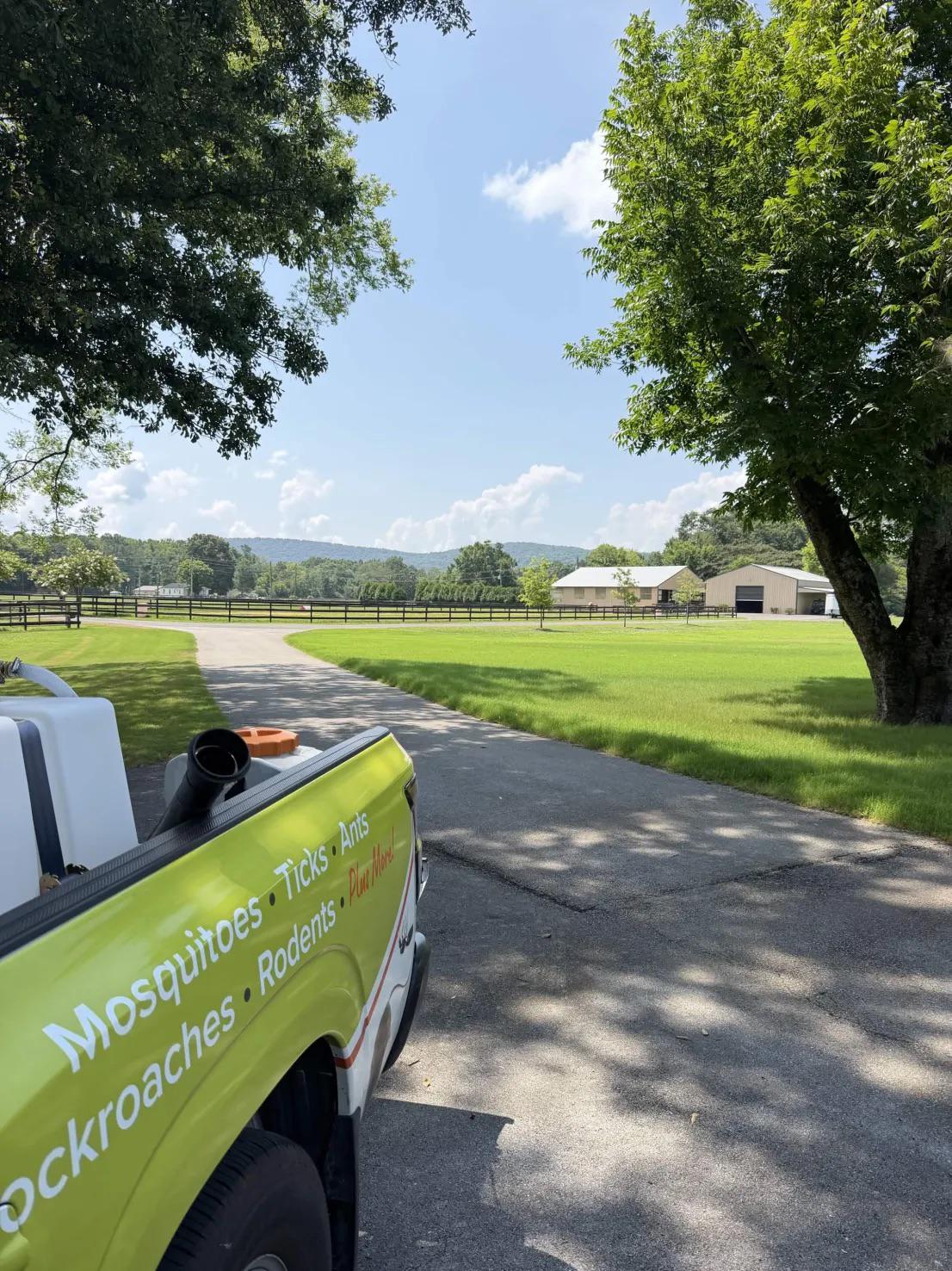
The first summer in a new Madison house is when people figure out that the fresh sod did not come with a fresh start. The closing paperwork is barely filed, the yard is graded and green, the whole place feels brand new, and then the first warm evening on the back patio turns into a slapping match. It catches people off guard, because the assumption is reasonable. New house, new lawn, new neighborhood, surely the bug problem is something that builds up over years in an old place. It is not. In Madison, the new subdivision is often the worst spot for mosquitoes on the block, and the reason is buried in the dirt the house is sitting on.
We have treated enough yards out here to know the pattern by heart. Madison is the fastest-growing city in Alabama, and it is growing the way North Alabama grows, by turning flat farmland into subdivisions faster than almost anywhere in the state.
That land did not arrive empty of pests. The cornfields and pasture and low cow-pasture bottoms that got graded into cul-de-sacs held water and bred mosquitoes for a hundred years before the first slab was poured. Building a neighborhood on top of that does not erase it. In a lot of cases it makes the first few seasons worse, because construction reshapes the drainage, and the new house ends up sitting right at the edge of ground that has always been wet.
So here is the honest version of why a brand-new Madison yard can have an old mosquito problem, what is actually biting you out there, and what it takes to get the new place under control.
Why New Construction in Madison Comes With Old Mosquitoes
Madison grew by more than four thousand people in a single recent year, leading every city in Alabama, and that growth is happening on the flat, formerly agricultural land that spreads west from Huntsville across Madison and Limestone counties. The new neighborhoods going up around the Madison corridor, out past County Line Road, and along the creek bottoms are being built on exactly the kind of ground mosquitoes have always liked: low, flat, and slow to drain.
Here is the part that surprises new homeowners. A working farm field is actually a fairly poor mosquito factory in some ways, it gets disced, drained, and worked. The moment you stop farming it and start building on it, two things change.
First, the heavy equipment and grading scrape and compact the soil and carve new low spots, ruts, and drainage swales that hold standing water in ways the open field never did. Second, the new stormwater infrastructure, the retention ponds, the drainage fields, the culverts and ditches that every Madison subdivision is required to have, becomes permanent standing or slow-moving water sitting right inside the neighborhood. Those retention ponds and drainage easements are doing their job for the houses. They are also some of the most reliable mosquito breeding habitat in the whole development.
Then there is the simple geography of being on the edge. A brand-new Madison subdivision almost always backs up to something undeveloped, a tree line, a creek corridor, a drainage field, the next farm that has not sold yet. The homepage way of saying it is that moving into a new Madison home does not mean starting with a clean slate. It means moving to the edge of the pest pressure, because the lot on the perimeter of the subdivision is the lot that shares a fence with a hundred years of established mosquito and tick habitat. The interior lots get some buffer. The edge lots, which in a new and still-building neighborhood is a lot of them, get the brunt of it.
What Is Actually Biting You in the New Yard
Most people picture mosquitoes as a dusk problem, the cloud that comes out when the sun goes down. In a Madison subdivision, the one ruining your afternoon is often a different animal entirely, and it changes how you have to think about the yard.
The Asian tiger mosquito has become the dominant residential mosquito across this part of North Alabama, and the Madison County Health Department's vector control division flags it specifically as an aggressive daytime biter, which is the opposite of the dawn-and-dusk pattern people expect. It is the small black-and-white-striped one, and it will bite you at two in the afternoon in full sun while you are pushing a stroller down the Bradford Creek Greenway or grilling on the patio at noon.
That daytime habit is exactly why a Madison family with kids feels like they can never get a break in the yard. The mosquito is active during the hours the yard actually gets used. It is also not just a nuisance: the CDC notes that West Nile virus is the leading mosquito-borne illness in the continental United States, which is the real reason yard-level mosquito reduction is worth doing rather than just enduring.
The other thing about the tiger mosquito is where it breeds, and this is where the new neighborhood works against you. It is a container breeder that rests in shady spots near the ground. It does not need the retention pond, though it will happily use the edges of it. It needs almost nothing, a flowerpot saucer, a kid's toy left in the grass, a wrinkle in a tarp, a clogged gutter, the corrugated drain pipe coming off the downspout, a bucket by the new garden.
Vector control points out that some mosquitoes can breed in as little as a teaspoon of standing water. A new yard is full of those teaspoons, the construction debris, the new landscaping, the drainage features, the stuff that piles up the first year in a house before anyone has a system for the yard. You can have zero standing water that you would notice and still be raising mosquitoes in a dozen spots you would never think to check.
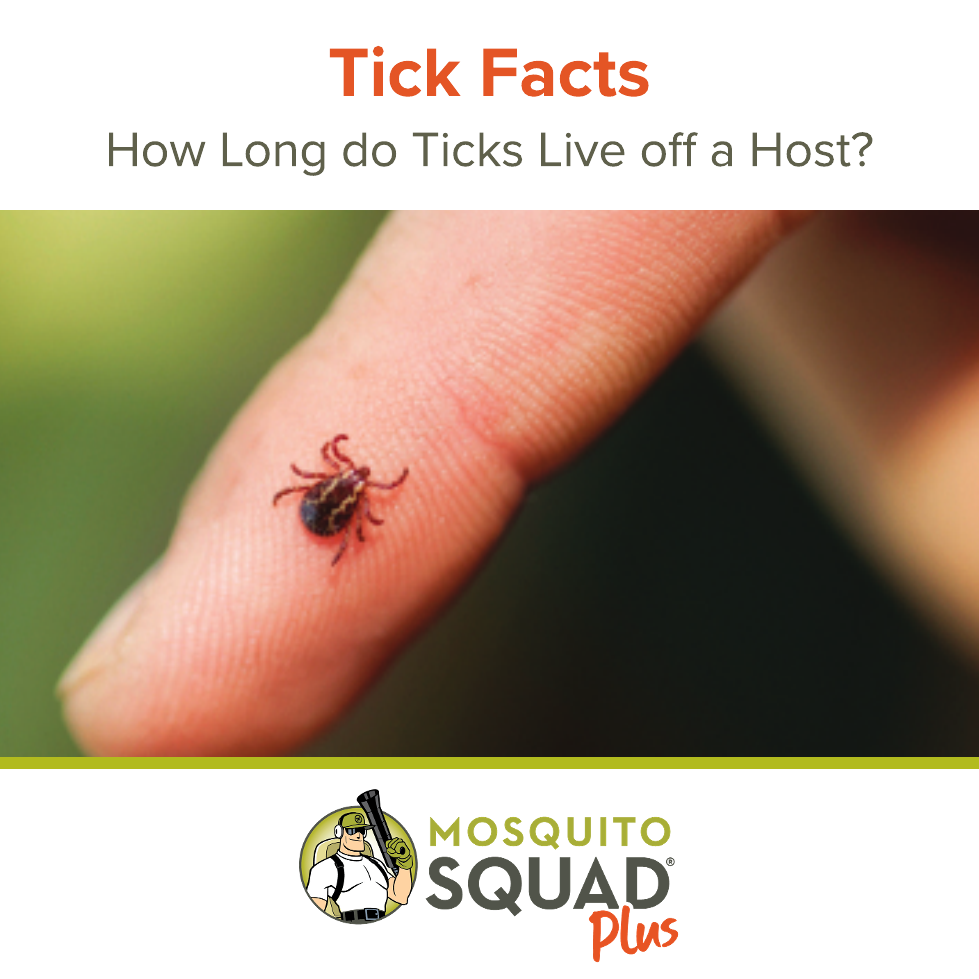
Ticks ride in on the same edge habitat, especially on the lots backing to wooded corridors and the greenway trail systems, but the daytime-biting, container-breeding mosquito is the one that defines the new-construction Madison yard, and it is the reason a fresh lawn does not buy you a fresh start. Both the mosquito control and tick control side of a new property come down to the same thing: the edge, where the yard meets whatever has not been built yet.
Why the Big-Box Approach Doesn't Hold
Every new Madison homeowner tries the same things first, and there is no shame in it, the citronella candles, the clip-on foggers, the hose-end yard spray from the hardware store, the bug zapper that turns out to be a very expensive way to kill moths. They knock the population down for an afternoon and then it is right back, and there is a specific reason the do-it-yourself approach struggles in a yard like this.
The hose-end sprays do not last. They wash off with the next irrigation cycle or summer thunderstorm, which in Madison is most evenings in July, and they only treat the surfaces you happened to hit. The candles and foggers only work in a small radius for a short time. None of it touches the actual problem, which is the breeding sources scattered across and around the property and the shaded resting spots where adult mosquitoes wait out the heat of the day. Alabama Cooperative Extension's guidance on the home landscape is consistent that real mosquito reduction depends on eliminating standing water first, because no spray keeps up with a yard that is actively producing new mosquitoes every few days.
That is the honest case for a professional barrier program in a new subdivision. It is not magic chemistry. It is that controlling mosquitoes in a yard like this is a source-and-resting-site discipline, treating the shaded undersides of foliage, the dense new landscaping, the fence lines and the wood edge where adults rest, on a recurring cycle that matches how fast the population rebuilds, while also identifying and knocking out the breeding containers a homeowner walks past without noticing. That is hard to keep up with on your own across a new property, especially in the first couple of years when the yard and the neighborhood are both still changing.
What a New Madison Yard Actually Needs
The honest version of getting a new subdivision yard under control has a few parts, and each one earns its place.
It starts with a real look at the property, because every new lot is different depending on where it sits in the build-out. An edge lot backing to a creek corridor, an interior lot near the retention pond, and a lot next to a drainage easement all have different pressure and different breeding sources, and the treatment should reflect which one you actually have. This is also why pricing on a new yard is quoted after walking it rather than over the phone, an established interior lot and a raw edge lot are not the same job.
It runs on the mosquito's cycle, not the calendar's. Our Mosquito Barrier Treatment is applied every 21 days through the season, which matches how fast a North Alabama mosquito population rebuilds, and it targets the resting and breeding zones rather than just misting the open lawn. In a market where the season starts earlier than the calendar suggests, getting on a recurring program before the first big hatch is the difference between managing the yard and chasing it all summer.
It covers more than the mosquitoes, because the same edge habitat driving the mosquito problem is driving tick pressure on the wooded-edge lots and, by the time fall arrives, pushing rodents and home invaders toward the new house. For homeowners who want the structure and the yard handled together year-round, the Home Shield and Complete Home and Yard programs are built for exactly the layered pressure a new subdivision on the edge of undeveloped land creates, from the roofline to the back fence.
We are a veteran-owned family business, and we have been treating yards across the Huntsville area since 2018, including a lot of the new construction going up around Madison and out toward Owens Cross Roads and Harvest across the rest of the communities we serve. The new neighborhoods backing up to open fields and creek corridors give us some of the most consistent mosquito and tick pressure we see anywhere in our service area, which means we have spent a lot of time figuring out exactly how these yards behave. Pricing is quoted after we walk the property, with no long-term contract and a satisfaction guarantee behind the work.
The fresh sod is a real fresh start for a lot of things. The mosquitoes are just not one of them. A program built for where your lot actually sits is what gets the new yard to feel as new as the house.