Why Mosquito Control in Hampton Cove Gets Harder When the Leaves Start Falling
Posted by Mosquito Squad Plus
October 16, 2026
Reviewed by Brandon Robertson
Some of the worst mosquito calls we take from Hampton Cove are not about the back patio. They are about the front walk. In September of last year, one homeowner texted our office that people coming up her front walk were getting eaten alive, and that her family was too. We moved her next visit up five days.
That call stuck with us because it gets at something people miss this time of year. Everybody watches the backyard. The front of the house, with its foundation beds, shrubs along the walk and a porch that may not get much use, quietly becomes a resting spot of its own. And once the leaves start coming down in October, the places mosquitoes can hide shrink and shift, and they end up crowding into exactly those low, shaded spots.
Our lead tech in Huntsville put it simply this week. The sun burns them up, so they go low and hide in whatever shade is left. When the canopy over a yard starts to open, the shade moves down, and the mosquitoes follow it toward the ground.
This post covers what that shift looks like in a Hampton Cove yard, why the warm fall is bringing mosquitoes back between visits faster than people expect, and why fall mosquito control out here comes down to treating low.
What Changes in a Yard When the Canopy Opens Up
Through the summer, a landscaped yard has layers of shade. The upper canopy of the hardwoods. The understory of ornamental trees. The shrub beds along the foundation and the walk. The ground cover and pine straw under all of it. Adult mosquitoes spend their daylight hours spread out through those layers, wherever it stays cool and humid enough to keep them from drying out.
A mosquito is a tiny insect with almost no defense against dry air. Direct afternoon sun on a leaf is a hostile place to sit, so the resting population goes wherever the light does not.
When leaves start dropping, the upper layers thin out first. More sun reaches the middle of the yard. Shrubs that sat in deep shade all summer now catch a couple of hours of light in the afternoon. What shade is left gets pushed down and pulled in, toward the base of the trees, the north side of the house, the space under the deck, the ground cover, and the dense lower branches of the foundation plantings.
That happens to be where the most common biter in a Hampton Cove yard prefers to be anyway. University of Florida entomologists note that the Asian tiger mosquito prefers resting in low shrubs near the ground, and Georgia's public health department describes it resting in shrubs near the ground in shady areas during the day.
So the fall shift does not send mosquitoes somewhere new. It concentrates them in the low, shaded zones they already liked and packs more of them into less space.
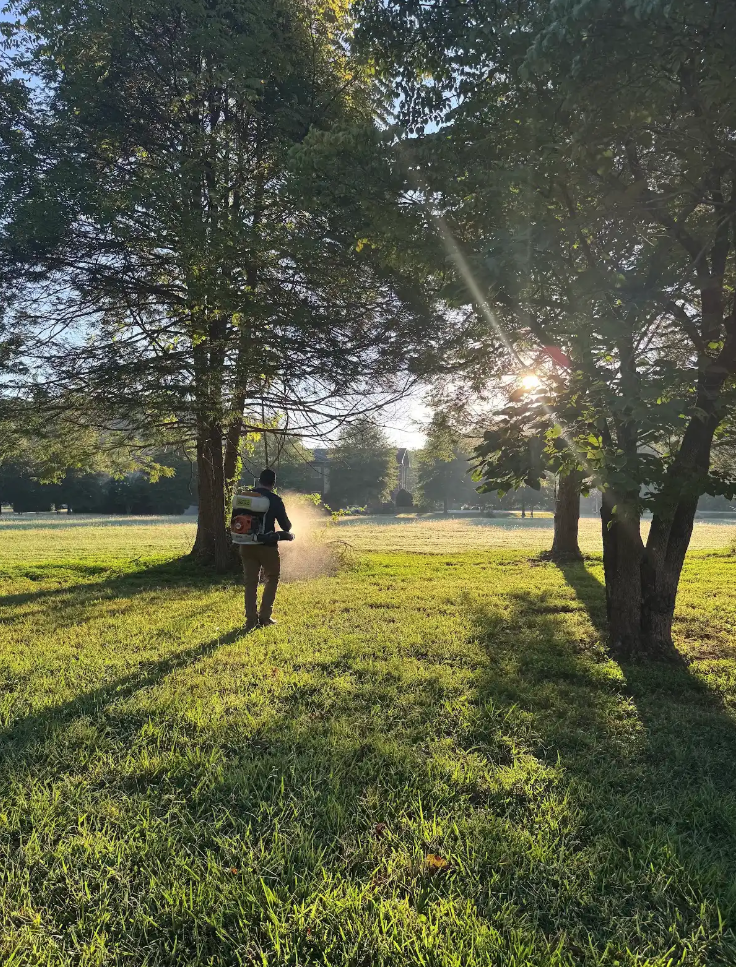
Our lead Huntsville tech has been watching that happen route after route this month. His adjustment has been to aim lower. Instead of working the spray up into the canopy, he works toward the ground: the bottom of the trunks, the root flare, the soil line under the shrubs, the shaded side of the beds. He has been telling the rest of the Huntsville crew to do the same, because the pattern shows up across the market once the leaves start to go.
Why Hampton Cove Holds Onto Mosquitoes Longer Than Most of Huntsville
Part of the reason Hampton Cove stays active this late is the ground it sits on. Most of the neighborhood sits down in the Flint River bottom, and the city describes the Hays Nature Preserve next door as more than ten miles of trail running along the river, past oxbow lakes, old fields and a golf course. Low ground near water holds humidity, and humidity is what lets a resting mosquito survive a warm October afternoon.
Then there are the stocked lakes and ponds, which keep producing mosquitoes right through the season, and the lawns that stay on irrigation well into fall. A lot on a lake edge or backing up to a fairway can have a damp, shaded margin that never really dries out between rains.
Irrigation shows up in our own service history out here, too. On one Hampton Cove property we have treated for years, the tech notes read like a map of where water hides in a yard like this: irrigation valve boxes, the AC drain line, the yard drains by the driveway, downspouts, the pots on the back deck and a birdbath. Those same spots got larvicided visit after visit, including October visits.
That is a different problem than the one a few miles south. In Owens Cross Roads, a big share of the pressure comes from floodwater mosquitoes that hatch off site and fly in, which we covered in why Owens Cross Roads gets a mosquito most of Huntsville never sees. Hampton Cove gets some of that, but the fall issue here is more about what is resting in the yard itself and how falling leaves rearrange where it rests. Yards up on higher ground run on their own schedule again, closer to what we described in our Monte Sano post.
Why the Heat Is Bringing Mosquitoes Back Between Visits
Mosquitoes are also showing back up sooner than people expect after a treatment.
Our lead tech says that when the weather stays this hot, a lot of yards are going to need a retreat no matter how thoroughly they were treated. That is not a sign the work was done wrong. It is what warm weather does to mosquito development.
Heat speeds up every stage of the life cycle. University of Georgia researchers reported that a batch reared at 84 to 85 degrees went from freshly laid eggs to emerging adults in seven days, and that warm nights in particular speed up their growth. When fall nights stay mild in North Alabama, the turnover from egg to biting adult stays fast. New adults keep emerging from water you cannot see, like a valve box or a drain line, and they settle into the same low, shaded resting spots the treatment was aimed at.
The barrier is designed with that in mind. It knocks down the mosquitoes present when it goes on and keeps working on treated surfaces for up to 21 days, which is why our mosquito barrier treatment runs on a recurring schedule instead of a single spray. During a hot stretch, though, that residual is up against a faster stream of new adults, and the surfaces it is working on keep changing as the leaves fall and the shade shifts.
If mosquitoes are back between visits at your place this fall, call the office and tell us. Our guarantee is simple: if you are not satisfied with the service, we will make it right.
The Water That Fall Creates in a Hampton Cove Yard
Falling leaves also hold water and block it from draining.
Georgia's public health department lists fallen magnolia leaves right alongside tires, flowerpot saucers and water barrels as places the Asian tiger mosquito lays eggs. A cupped leaf that catches a little rain and sits in the shade for a week is a container as far as a mosquito is concerned. Leaves washing into gutters, downspout extensions and yard drains slow the water down and keep it sitting.
The sources our techs keep finding in Hampton Cove are mostly the ones nobody looks at:
- Irrigation valve boxes, which sit below grade, fill from the system and the rain, and stay dark and still
- The AC condensate line, which drips into the same spot all day; Mississippi's health department lists air conditioner drain areas among the common breeding spots around a home
- Yard drains and drain grates near the driveway, especially once leaves start collecting in them
- Downspouts and their extensions
- Pots and saucers on decks and porches, along with birdbaths
Purdue Extension recommends weekly checks of the water in flower pots and plant containers and changing birdbath water once or twice a week, and that matches what we see. On that long-running Hampton Cove account, an August visit found larvae in the pots on the back porch, and the tech dumped and flipped them before treating. The Alabama Department of Public Health makes the same point: dump and drain standing water and scrub containers weekly so eggs stuck to the sides do not survive.
We went deeper on late-season water in why Huntsville mosquitoes get worse in August, and nearly all of it still applies in October. The lakes and ponds keep doing what they do all season. What fall adds is a fresh layer of small, hidden water right next to the house.
What Hampton Cove Homeowners Usually Try
A lot of folks spray up into the trees. It feels right, since the trees are where the leaves are coming from and where people picture bugs living. By October, though, the upper canopy is the sunniest, least protected part of the yard. The mosquitoes have already moved below it.
Others wait for the first cold snap. One cool morning in the fifties does not end anything. The National Weather Service puts Huntsville's average first freeze around November 2 and the first hard freeze around November 12. A few chilly mornings followed by warm afternoons just push mosquitoes deeper into the shade during the cool hours, and they are back out by evening.
Citronella candles and patio fans come up constantly. Fans help on a deck, since mosquitoes are weak fliers, and candles do far less than people hope. Neither touches the population resting in the beds ten feet away, and neither does anything for the front walk.
The big one is canceling service in September. It makes sense on paper. The kids are back in school, football is on, and the yard feels like it is winding down. In a warm fall, the yard often is not winding down at all, and a gap in October leaves the low, shaded resting zones untreated right when mosquitoes are crowding into them.
What Actually Works: Treating Low and Treating Thoroughly
Effective mosquito control in Hampton Cove during the fall looks a little different than it does in June, mostly in where the product goes.
The focus moves to the ground layer:
- The base of each tree and the root flare, where leaves collect and shade lingers
- The soil line and lower branches of foundation shrubs, front and back
- The beds along the front walk and around the front porch
- Ground cover, liriope and pine straw beds in the shade
- Under decks, porches and exterior stairs
- The damp margin along a lake edge, a drainage swale or the back of a fairway lot
Water sources get handled on the same walk. Valve boxes, drains and anything that cannot be dumped get larvicided, and pots and saucers get dumped and flipped. That lines up with how the 7 T's of mosquito control approach a yard: find the water and the resting habitat first, then treat both.
Thoroughness matters as much as aim. A good fall visit is a full walk of the property, front yard included, not a quick lap around the patio. It is also how our techs catch problems nobody called about. Last week, one of our Huntsville techs came around the front of a north Huntsville home during a routine mosquito visit and found a big wasp nest on the porch. The wasps came out at him fast enough that he had to back off and regroup before he could treat it. His advice to the homeowner afterward was simple: use your porch. The porches that sit quiet for weeks at a time are the ones stinging insects move into. If you have something similar going on, our wasp and hornet control covers it.
For yards that need more than a recurring barrier, there are a few directions to go:
- The natural treatment option runs the same rhythm with essential oil based products on a slightly tighter interval, which a lot of families with kids, pets or pollinator gardens prefer.
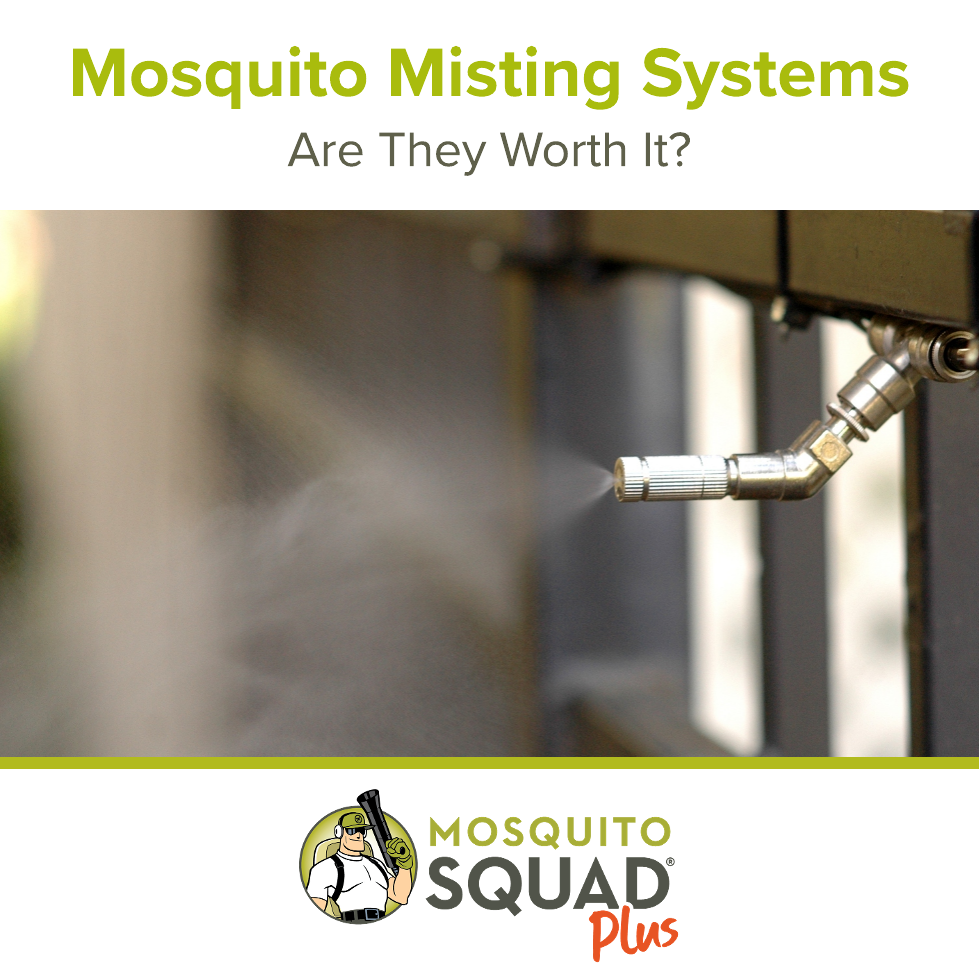
- Automatic misting systems are worth a look for lots where the outdoor living space is the whole point, like a pool deck or screened porch facing the water, since they keep working between visits.
- Yard Defender is built around treating specific zones of the property, which suits a fall approach where the zones that matter have shifted.
- Home Shield adds perimeter protection for the house itself, which starts to matter as cooler nights send other pests looking for a way inside.
The Egg Bank: Why October Treatments Pay Off Next April
As the days get shorter, female Asian tiger mosquitoes start laying a different kind of egg. Researchers at Washington University in St. Louis describe mosquitoes responding to shortening days by laying diapause eggs, with the embryo held in a near-hibernation state. Ohio State's extension fact sheet notes that the species can survive the winter as dormant or diapausing eggs that hold up through long dry spells.
In a Hampton Cove yard, that means the females still flying in October are the ones stocking next year's egg supply. Every female knocked down in a low, shaded resting spot this fall is a batch of eggs that never gets laid in a valve box, a drain or a magnolia leaf, and a little less pressure when the season starts back up. It is a slower payoff than a usable patio this weekend, and it is the main reason we do not treat October as an afterthought.
When to Treat in Hampton Cove, and When to Stop
The honest answer is to keep treating until the weather makes the call for you, which in most years means early November. The first hard freeze is the real finish line. Huntsville's earliest first freeze on record came on October 9, 2000, so an early end is possible, but it is rare.
A few signs your yard is ready to wind down: several nights in a row in the thirties, afternoons that no longer warm up, and no biting at dusk for a week or more. Until then, staying on schedule is the safer move.
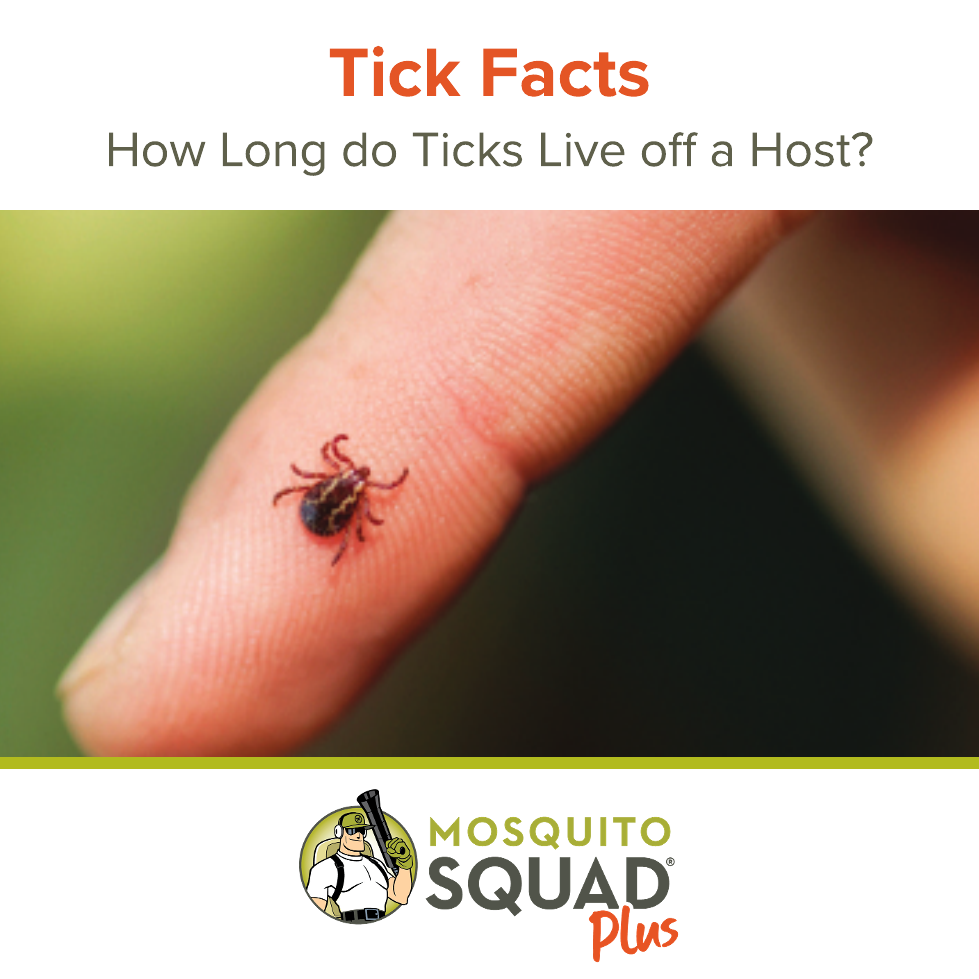
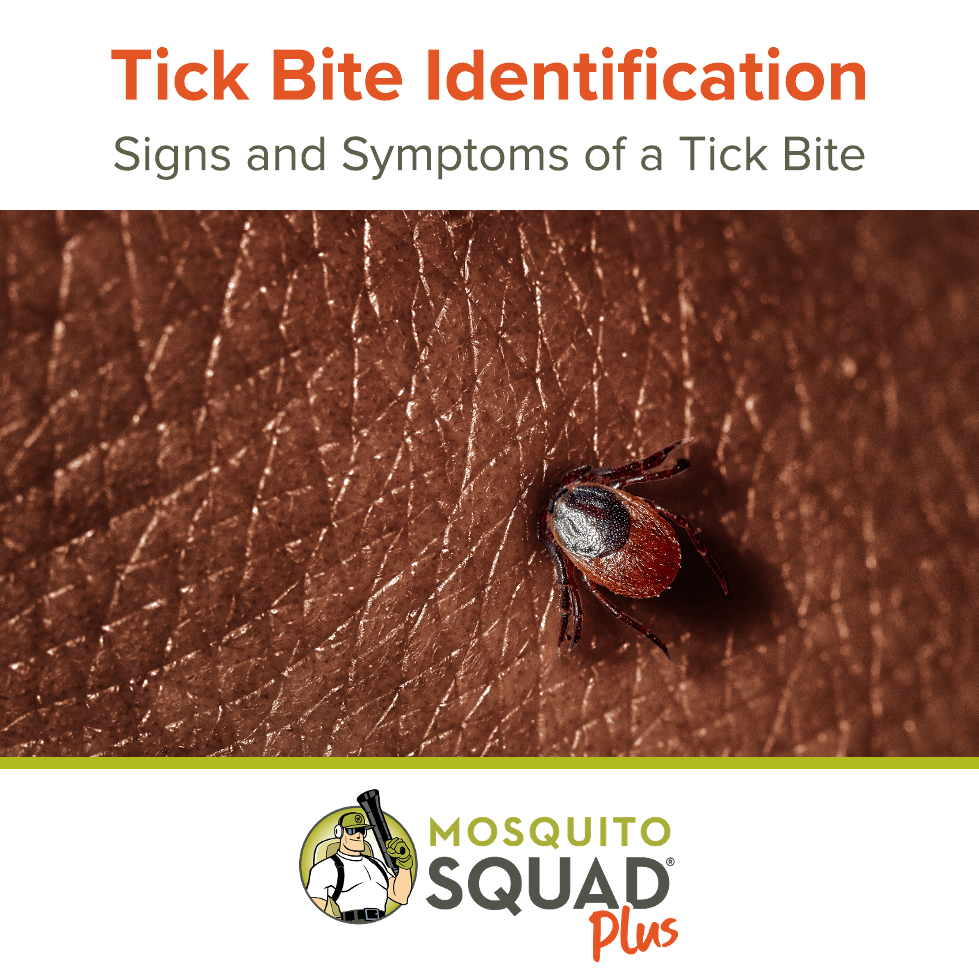
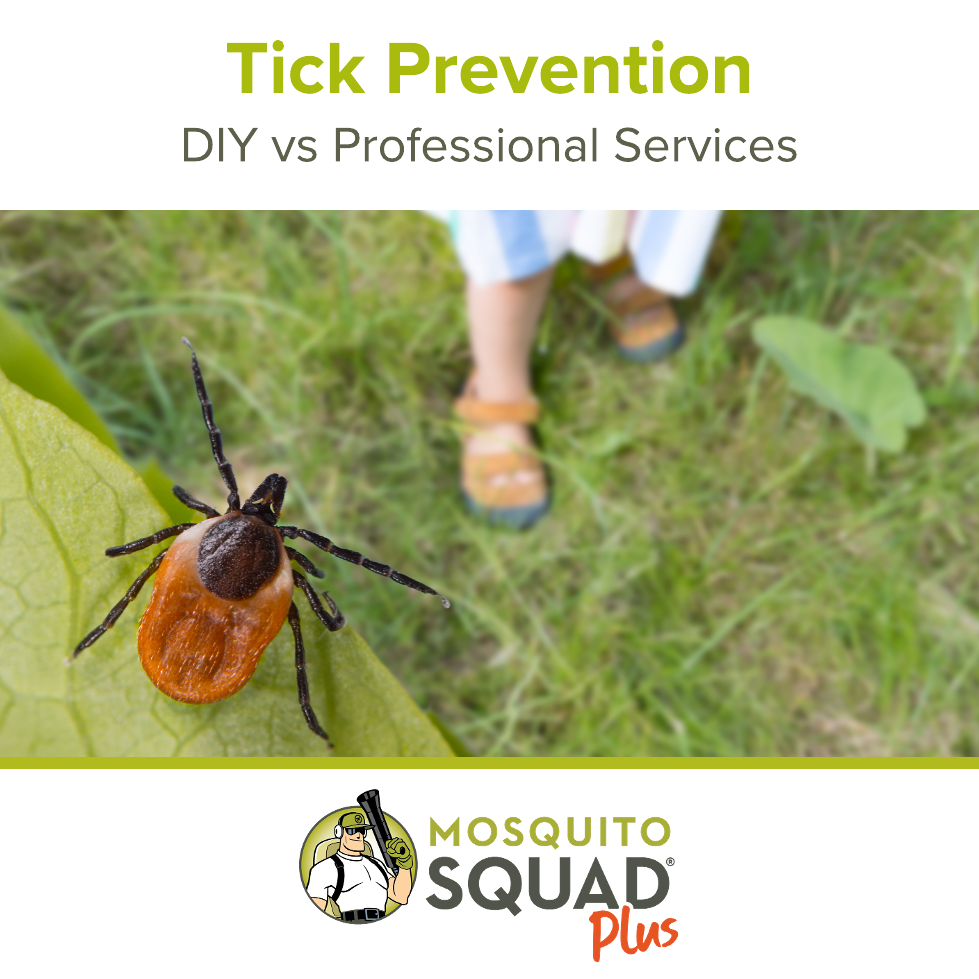
Ticks run on a separate calendar. They stay active through fall along the edges where Hampton Cove yards meet the preserve and the greenways, which we covered for valley floor properties in what tick season looks like in Big Cove. If your lot backs up to woods or a trail, tick control belongs on the fall plan as well.
How Hampton Cove Compares to the Rest of the Area
Every pocket of this market runs on a slightly different calendar, and it helps to know what is driving yours. In Hampton Cove, the fall issue is mostly resting habitat shifting under a thinning canopy in a humid river bottom, with irrigation and drains adding hidden water. Owens Cross Roads to the south is more of a floodwater story. Jones Valley and the older shaded parts of town hang onto evening humidity under heavy canopy.
Everything else we treat in the neighborhood year round, from ticks to fire ants, is on our Hampton Cove service page.
Fall Mosquito Control in Hampton Cove Is a Different Job
Leaves coming down are a sign the season is changing, not a sign it is over. In Hampton Cove, leaf drop pushes mosquitoes lower and crowds them into less shade, including the beds out front that nobody thinks about. Warm nights keep new ones coming from valve boxes, drains and pots, and the females flying now are laying next spring's eggs. Treatment that works this time of year is aimed at the ground, covers the front yard as carefully as the back, and runs through to the first hard freeze.
We are a veteran-owned local business, and we have been treating yards around Huntsville since 2018. If your patio or front walk still is not usable at dusk, call us at (256) 907-8493 or request a free quote, and we will walk the yard with you and show you where the mosquitoes are actually sitting. You can read what Huntsville customers say about how we work, and check our current special offers before you book.