Why Huntsville Mosquitoes Get Worse in August
Posted by Mosquito Squad Plus
August 3, 2026
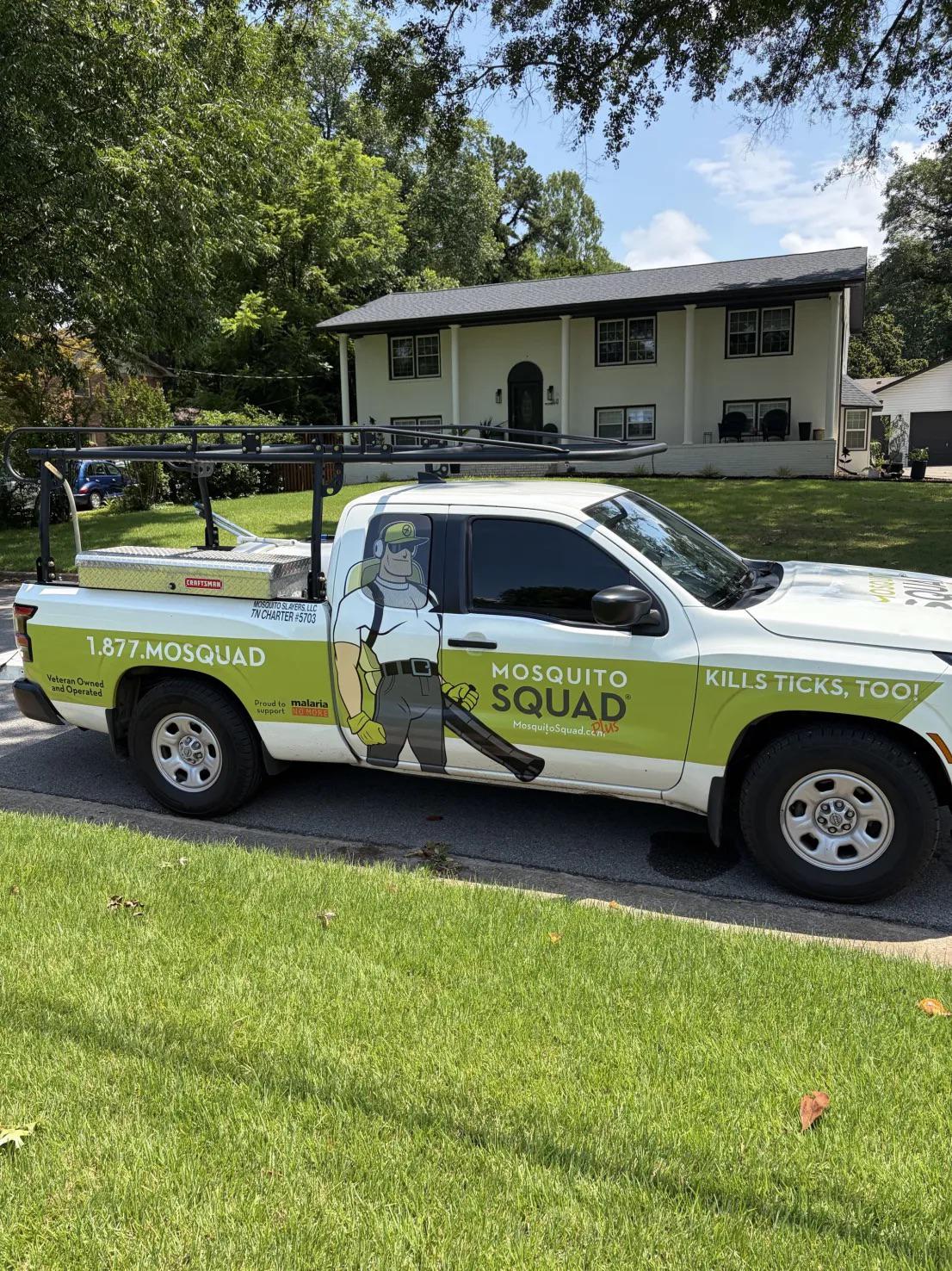
Mosquitoes are still working your yard the morning after the county fog truck comes down your street. The trucks run weekday evenings through the summer and they do real work along the right of way. They do not reach the shaded strip behind your fence, and that strip is where the mosquito biting you at nine o'clock spent her afternoon.
Something else is going on by August. The daytime biting eases up, your patio feels fine at six, and by full dark you are swatting again. Your property did not change and neither did your routine. What changed is which mosquito is doing the work. She comes off different water than the one that bothered you in June, she keeps different hours, and she is the one that carries West Nile virus.
The Call We Take Every August
"Season's about over, right?"
We get that question constantly from the middle of August into September. Somebody calls in, the kids are back at school, there are pumpkins stacked outside Publix, and they want to know whether it makes sense to keep paying for something that feels finished.
The reasoning is understandable. August in North Alabama has an ending quality to it. School starts, the light changes, and the season turns in your head well before it turns in your yard.
Mosquitoes do not run on the school calendar. They run on temperature and standing water, and in a normal year around Huntsville both of those are still holding through September and most of October. So the honest answer to the question is no, and the rest of this explains why.
The Mosquito Around Your House Changes in the Back Half of Summer
Early in a North Alabama summer, the mosquito giving you trouble is usually a container breeder that works in daylight. The Asian tiger mosquito is the one most people here can describe without knowing the name. Black and white striped legs. Hits you in the shade at two in the afternoon while you are pulling weeds.
Clemson's extension service notes that this species breeds in artificial containers rather than swamps, which means your gutters, bird baths, flower pots, tires, and tarps are the whole story. University of Florida's entomology profile puts its feeding peak in morning and afternoon, not at night.
She also does not travel. University of Georgia extension research puts the tiger mosquito's flight range near a hundred yards from where she hatched. If you are getting bitten in daylight, the water producing those mosquitoes is on your lot or your neighbor's, which is why the weekly walk through our 7 T's of mosquito control does most of the heavy lifting in June.
By August the balance tips. The southern house mosquito, Culex quinquefasciatus, takes over your evenings. Texas A&M describes her as a stealthy evening and night biter that prefers polluted water and rarely flies more than a mile from where she developed.
The difference that matters is water quality. A tiger mosquito wants relatively clean rainwater in a plant saucer. A southern house mosquito wants water that has sat long enough to go foul, with organic material breaking down in it. Mississippi State's extension publication on the species covers the biology and control picture at more length than you will need.
Alabama's late summer produces that kind of water in volume. Leaf litter starts dropping early on heat-stressed trees. Grass clippings wash into drains. Anything holding clean water in June is holding something else by the second week of August.
Where the August Water Is on Your Property
The sources that matter this late are not the ones you checked in the spring. When our techs walk a property in August, the water we find is older, dirtier, and better hidden than what we found in May.
Corrugated drain extensions are the recurring one. Your downspout runs into a black flexible pipe, the pipe develops a low spot or a crushed section, and it holds a few inches of stagnant water all summer where nobody can see into it.
Gutters you cleaned in April have taken on two months of shed leaves and pollen wash. The water sitting behind that dam is exactly what a Culex female is hunting for, and it is invisible from the ground.
Then there are the sources that only exist this late in the year. The kiddie pool that stopped getting drained in July. The tarp over your boat with a fold holding rainwater and a layer of debris. Bins with a few inches of liquid in the bottom that you keep deciding to deal with next weekend. The tray under your outdoor AC unit.
Rural lots carry their own version. Septic components, stock tanks, and low pasture corners hold water differently than a subdivision does, which is part of why yards around New Market behave nothing like yards inside the loop.
Irrigation keeps some of this going even in a dry stretch. A system running three times a week into a bed that already drains poorly maintains standing water on a schedule, which is a pattern we see constantly in newer Hampton Cove landscaping.
The Alabama Department of Public Health's guidance on reducing container breeding sites covers the standard weekly walk. It also makes a point most people skip. Mosquitoes rest through hot daylight hours in shaded, humid places, meaning tall vegetation, the space under your patio furniture, and your carport. By August those resting spots are more crowded than at any other point in the year, because the population has been compounding since April.
Ground that drains slowly stacks this up faster. We wrote about how red clay holds water across much of Madison County, and that soil is doing the same work in August that it does in March.
What the County Fog Truck Covers, and What It Does Not
The fogging is real and the program is useful. It is also aimed at something other than your backyard.
Vector Control runs out of the Madison County Health Department, handling mosquito and rat control inside Huntsville within Madison County. Trucks work city streets on weekday evenings, seven until midnight, skipping state holidays. The program follows an integrated pest management approach, larviciding or removing breeding sites where it can and fogging with an adulticide where elevated adult populations turn up.
You can check your own address on the city fog routes map and see when your street was last covered and how many times this season. Most people are surprised by the number either way.
The first limit is geography at the property scale. The fog moves down the public right of way and kills adults flying over the street at that moment. Mosquitoes resting in the vegetation along your back fence are forty feet away and untouched.
The second limit is weather. The trucks cannot run in high wind, excessive heat, or rain, which between them describe a meaningful share of any Huntsville August.
The third is coverage. A great deal of what we service sits outside the city fogging footprint entirely, including most of Owens Cross Roads and the county pockets east of town.
None of that is a knock on the program. It is a public health tool doing a public health job across an entire county, and your yard is a smaller problem with a different answer.
West Nile Runs on the Late Summer Calendar
The species turnover matters beyond nuisance because the mosquito taking over your evenings is the one that carries West Nile virus. The Alabama Department of Public Health identifies the Culex pipiens group as vector to humans and horses in this state, and notes that cases have been reported from every public health district in Alabama.
This year is running hot. On July 1, CDC announced the earliest season start since 2004, with 48 human cases reported as of June 30 against a post-2004 average of roughly 10 by that point in the year. Twenty-three states had reported activity, the most in a decade, and 38 of those 48 cases were neuroinvasive disease.
Case counts climb through August and September in a normal year. That puts the heaviest weeks of a season that already started early somewhere in front of us rather than behind. CDC posts updated surveillance data every week or two through December.
CDC's own guidance for cutting your exposure includes staying in between dusk and dawn, since those are the hours when the mosquitoes that spread West Nile are working. That is also the window when a Huntsville yard finally becomes usable in late August, once the afternoon heat lets go.
Most people who get infected never know it. About one in five develop fever and flu-like symptoms, and fewer than one percent develop severe neurologic illness. Adults over sixty and people with certain underlying conditions carry the higher risk.
When Mosquito Season in Huntsville Ends, By the Numbers
Mosquito activity slows and stops when temperatures fall and stay down, so the question of when your season ends is a weather question with a local answer.
National Weather Service records for Huntsville put the average first freeze on November 2, with the average first hard freeze arriving around November 12. On the other end, the average last spring freeze falls near April 1.
That is roughly seven frost-free months. Run it from a late July date and you are barely past the midpoint, with something close to a hundred frost-free days still ahead of you. Three more months of usable evenings, three more months of development cycles turning over, and the peak of the disease calendar sitting in the middle of that stretch.
Warm falls push it further out. We treat properties into October most years, and in a mild autumn the pressure in shaded, moist yards around Jones Valley holds on well past the point where anybody is still thinking about it.
Late Season Control Buys You Next Spring
Culex has a habit that makes your August and September treatments pay twice. Container mosquitoes overwinter as cold-hardy eggs. Mated Culex females do something different, surviving the winter as adults in a state of reproductive arrest, tucked into sheltered spots.
Research on overwintering Culex biology has documented them holed up in manholes, catch basins, and similar protected structures, with some populations staying active well into winter. Around here that means crawl spaces, garages, sheds, culverts, and storm drains.
The females that make it to shelter in October are the ones that come out and start laying in March. Cutting the late season population down reduces how many reach that point. It is a slower payoff than a treatment you can feel the same evening.
August into October is also the handoff where the rest of your pest list wakes up. Rodents look for a way inside as the nights cool, and they find the same foundation gaps every year.
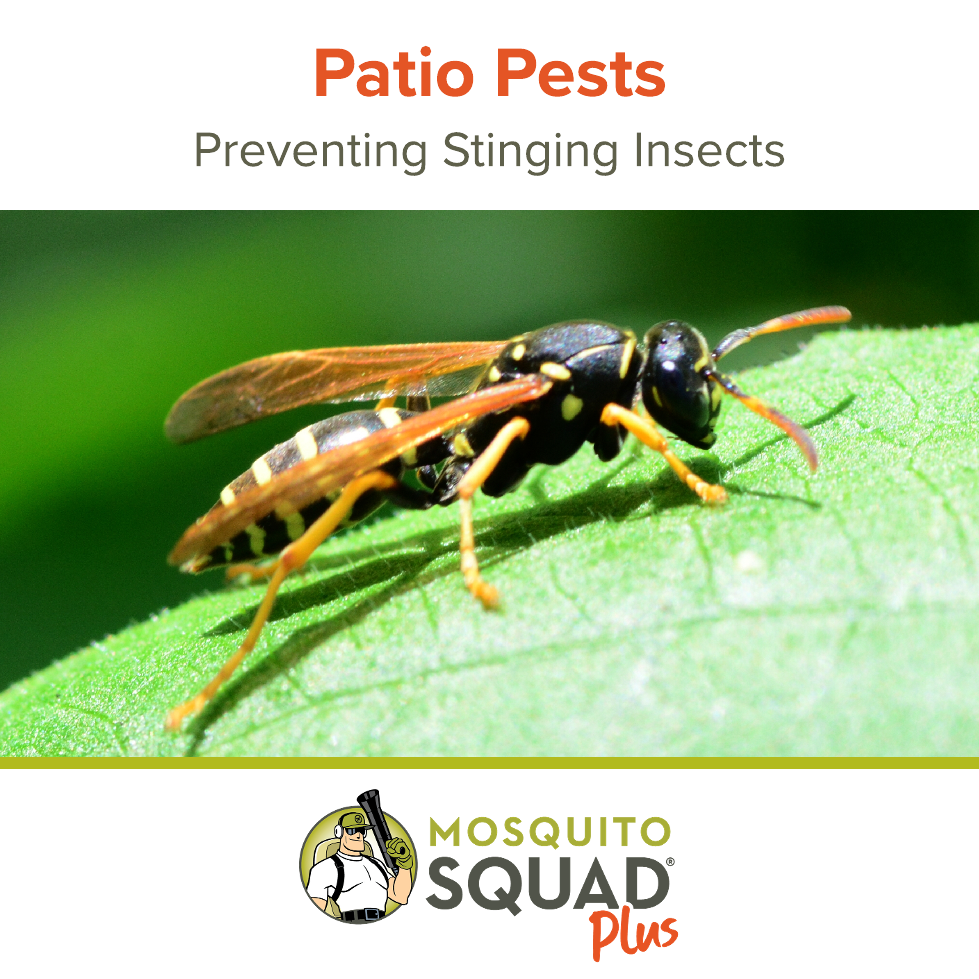
Stinging insects get more aggressive in the same window, when colonies are at peak size and workers are competing for a shrinking food supply. We covered that in a post on hornet nests in outbuildings, which is a separate problem running the same calendar.
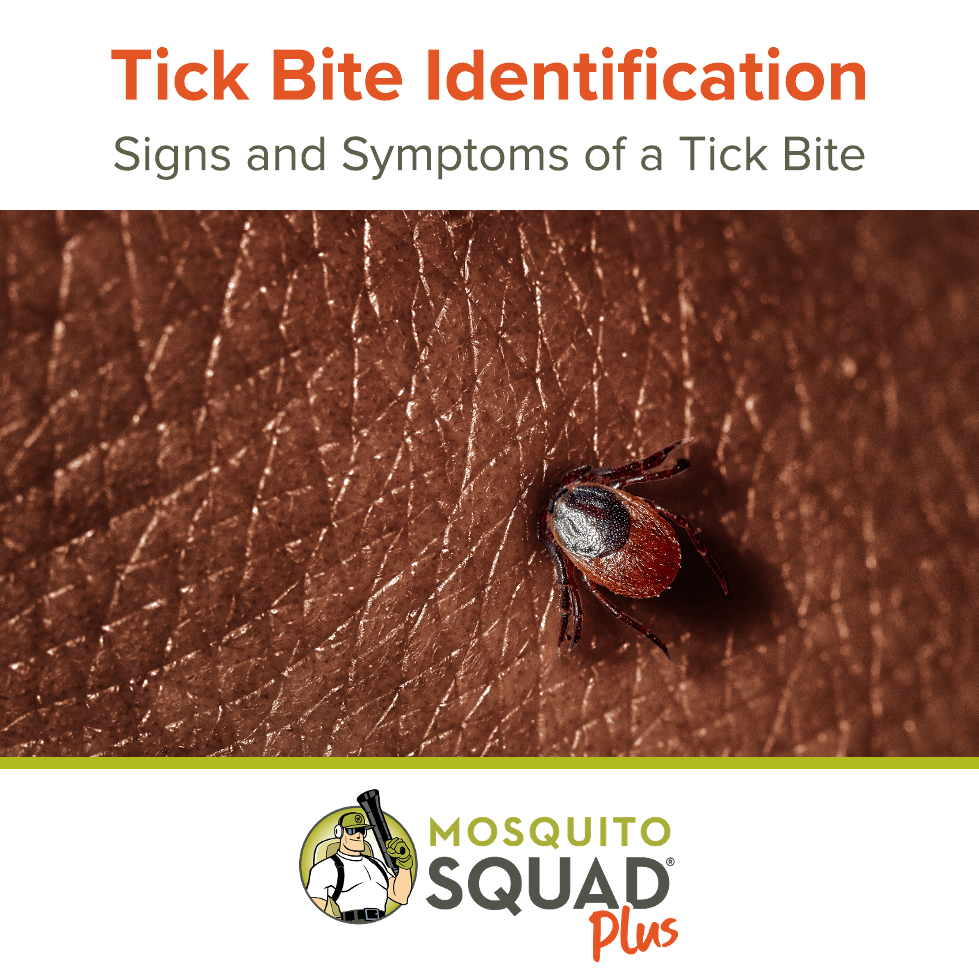
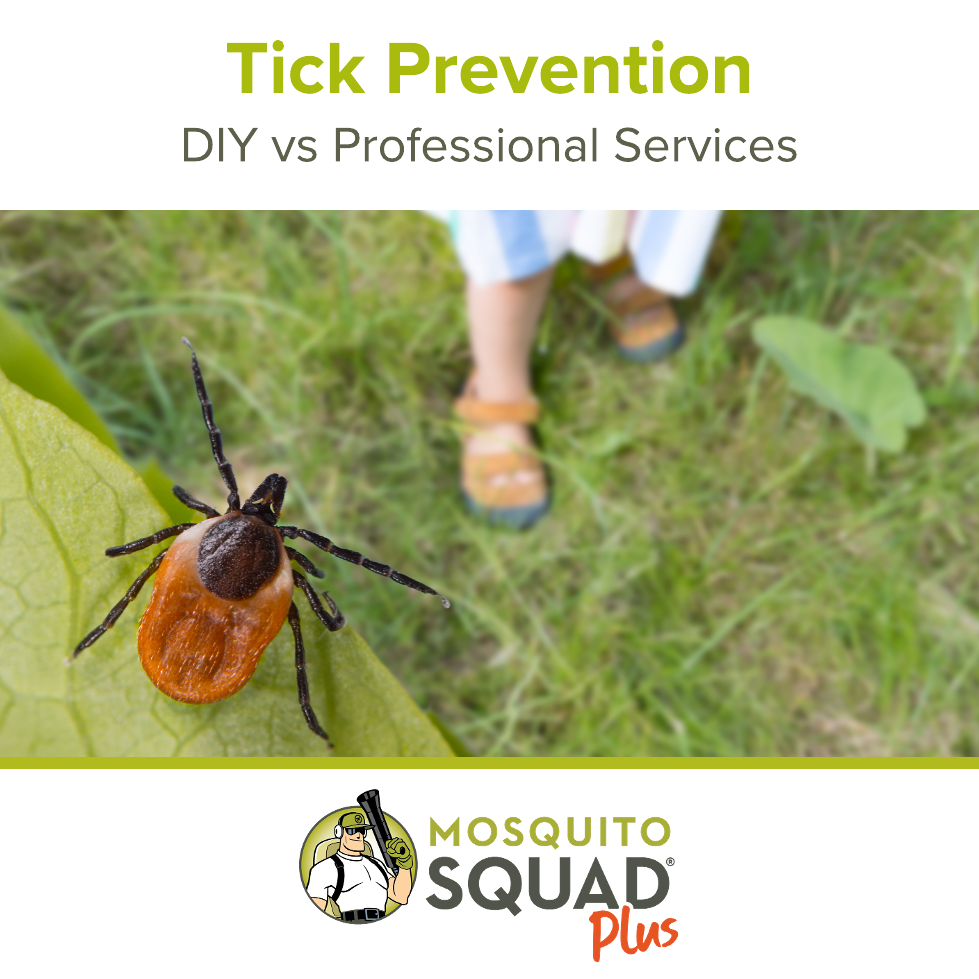
Ticks stay active through fall here too. If your lot backs to woods, the edge work in our 6 C's of tick control matters more in October than most people assume.
What a Late Season Treatment Is Aimed At
A barrier program in August targets the shaded vegetation, the undersides of foliage, the fence lines, and the damp edges where adult mosquitoes wait out the daylight. Our mosquito barrier treatment runs on a twenty-one day cycle because the resting population refreshes faster than a monthly schedule can keep up with.
Households that want a botanical formulation can run the same schedule with essential oil active ingredients through our natural treatment option. It is the same visit rhythm, different chemistry.
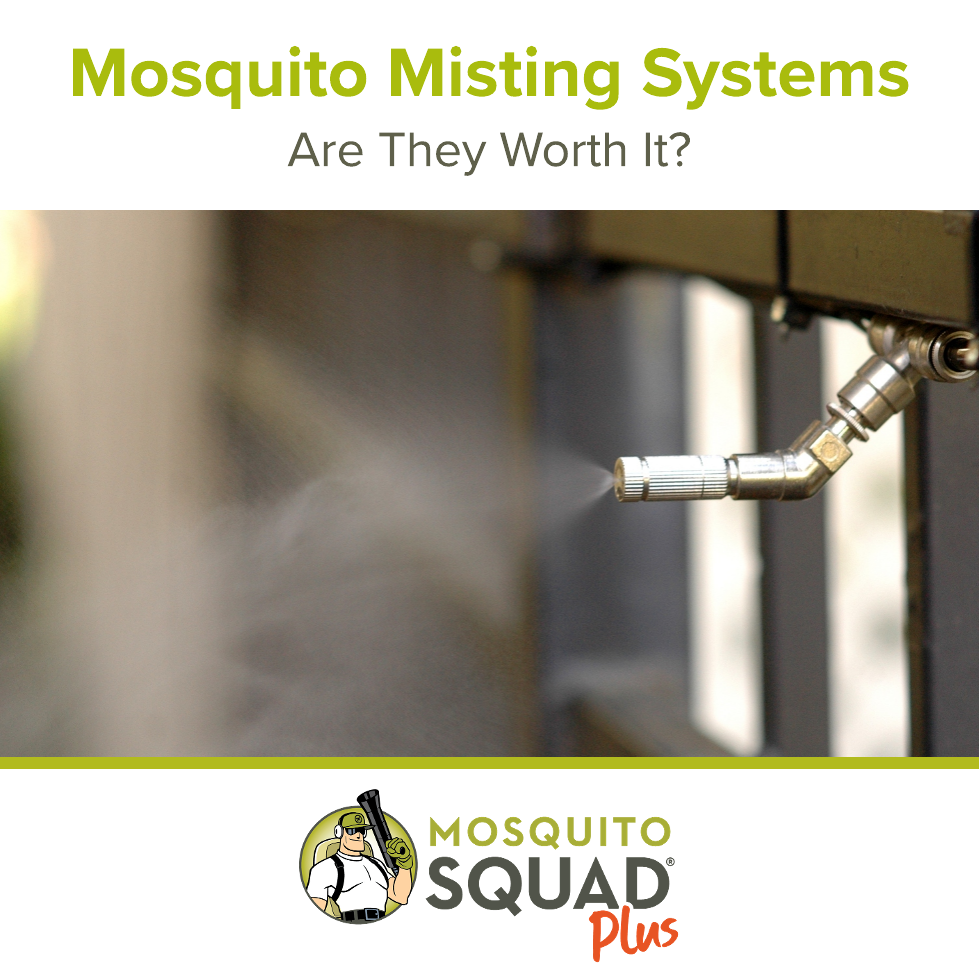
Some properties take steady pressure off land they do not own and cannot treat, which is common out toward Harvest where open ground runs up against the back fence. Those yards often do better on automatic misting systems that treat continuously rather than on a visit schedule.
If the yard also has to handle the fall turnover of rodents, spiders, and structural pests, Home Shield covers the perimeter year-round instead of stopping when the mosquitoes taper.
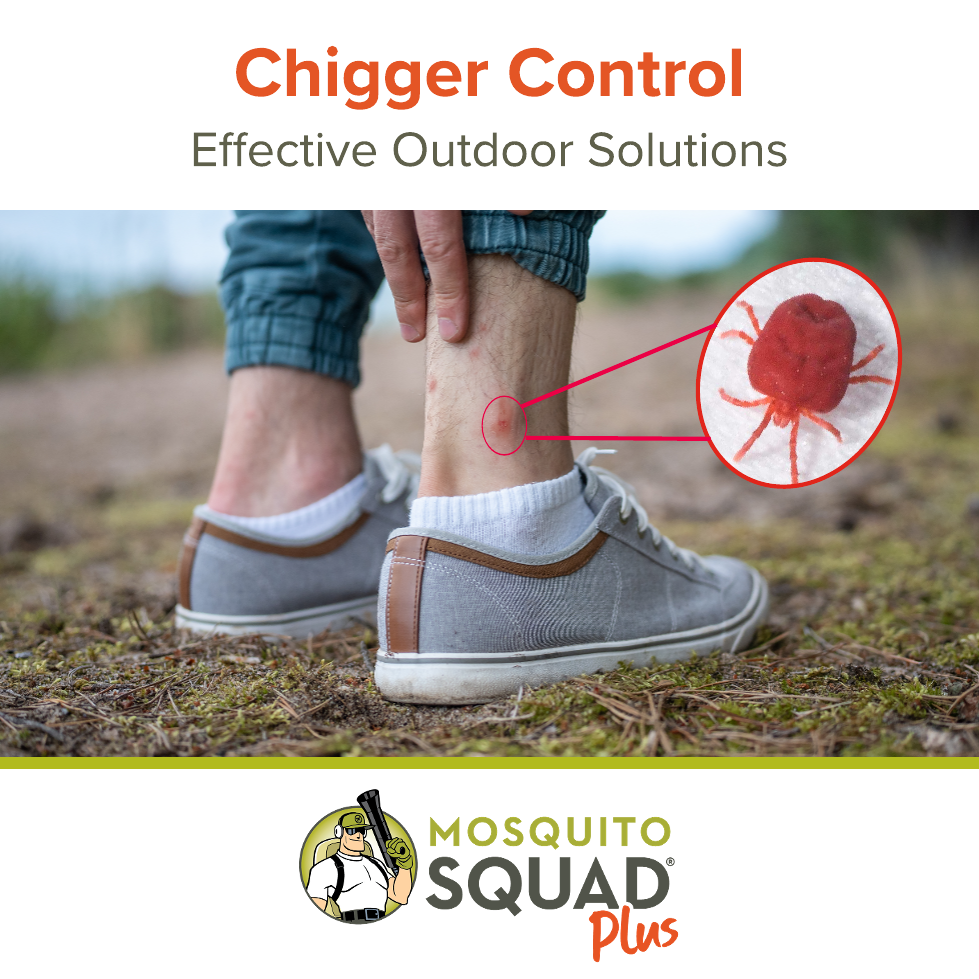
For properties that need the yard covered as thoroughly as the structure, Complete Home and Yard adds fire ants, fleas, chiggers, and flies on top of the perimeter work. It is the option that makes sense when the pest list is long year-round rather than seasonal.
North Alabama fall calendars fill up fast with tailgates and outdoor weddings. A one-time event spray clears the yard a day ahead without committing you to a program.
How the Back Half Plays Out Across This Market
The yard next door is not always a fair comparison for yours. Subdivisions in Madison built around retention ponds hold their pressure weeks longer than open lots on the same road.
River proximity changes the picture again, which we got into when we wrote about Madison as river country. Water that close to the surface does not care what month it is.
Drainage varies enormously across the county. Our post on how New Hope yards drain walks through why two properties fifteen miles apart taper on completely different schedules.
Older shaded neighborhoods run longer evenings than newer construction does, and Five Points is the clearest example of it in the city. Mature canopy holds humidity that open subdivisions shed by dusk.
Elevation adds one more variable. The mountain-adjacent lots described in our Monte Sano post keep their own calendar entirely, cooling off earlier at night while the valley floor stays warm.
None of this tends to match what people were told when they moved here, which is a recurring theme in a market absorbing this many new residents. Our Hazel Green season post covers that gap in expectations directly.
What holds everywhere is the shape of the curve. Pressure does not fall off a cliff on Labor Day. It tapers unevenly over about ten weeks, and how fast it tapers on your lot comes down to shade, drainage, and what is sitting behind your fence.
The Short Version
August is not your exit ramp. It is the stretch where the mosquito changes, the water changes, the biting hours change, and the disease risk peaks, all while the frost that ends your season is still three months out.
We are a veteran-owned local business and we have been treating yards here since 2018. If you are on the fence about carrying service through the fall, call us at (256) 907-8493 or request a free quote online. We will walk the property and tell you what we find.
There is no contract, and every service is backed by our 100 percent satisfaction guarantee.
If you want to see how the work holds up before you commit, read what Huntsville customers say about it.
New clients starting this late in the season should ask what applies to them, since our current special offers change through the year.