How Red Clay Soil in Huntsville Affects Your Pest Problem
Posted by Mosquito Squad Plus
May 28, 2026
Huntsville went from 13,000 people to 144,000 in roughly thirty years. Redstone Arsenal. NASA. The German rocket scientists. The Apollo program. The defense contractors that followed. The city had to build fast and it did. Subdivisions went up across Madison, Harvest, Meridianville, and Hazel Green on whatever ground was available. That ground was mostly red clay. And red clay does not drain.
What nobody told the homeowners moving into those houses was that the soil under their foundations holds water the way a sponge holds water. It swells when wet, shrinks when dry, cracks along foundation lines when the cycle repeats, and keeps the perimeter of the house damp long after the rain stops. That condition does not just create structural problems. It creates pest conditions. Cockroaches follow moisture gradients. Ants push upward through saturated soil in spring. Mosquitoes breed in the standing water that red clay produces after every rain. And all of it runs eight months a year in a climate that Alabama's own state climatologist at UAH documents as receiving over 56 inches of annual rainfall with no true dry season.
Pest control in Huntsville that treats summer as the pest season and nothing else is treating about half the calendar. The soil does not cooperate with that timeline and neither does the weather.
What Red Clay Actually Does Beneath a Huntsville Foundation
Red clay gets its color from iron oxide. The clay particles are microscopic, far smaller than sand or silt, and those particle sizes determine how water moves through the ground. In sandy soil water drains quickly. In clay soil it does not drain at all. It sits.
Foundation specialists across North Alabama document this consistently. Huntsville's dense red clay holds moisture longer than other soil types. Water accumulates against foundations after a storm even when a crawl space has a vapor barrier. The clay expands when wet and contracts when dry, and that constant movement creates stress cracks in foundation walls and gaps around utility penetrations that never existed when the house was built.
Those gaps matter more than most homeowners realize. A mouse needs a quarter inch to enter a structure. A cockroach needs less. The foundation movement that red clay produces over years of wet and dry cycles creates entry points across the foundation perimeter that no amount of interior pest treatment will address. The soil is producing the entry condition. The interior treatment is downstream of the actual problem.
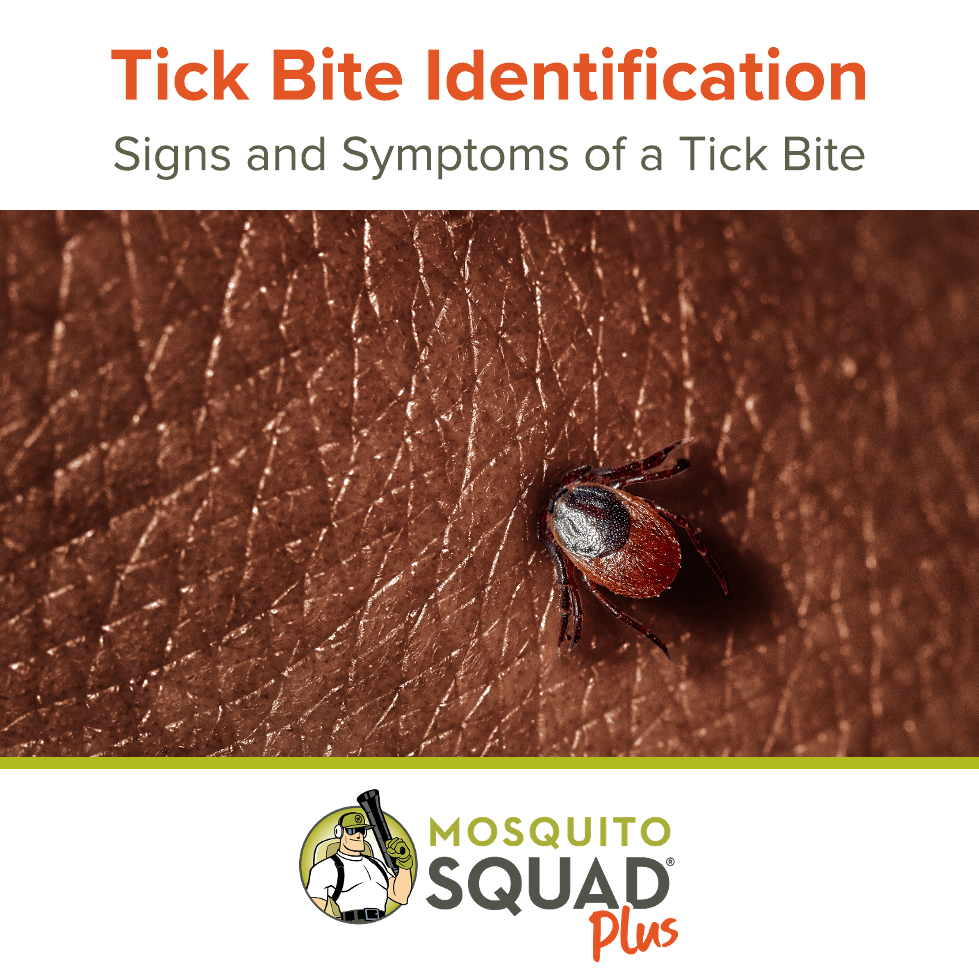
The Alabama Cooperative Extension System's tick research documents that ticks thrive in high humidity situations and that heavy rainfall across Alabama is driving a rise in tick populations statewide. In Madison County, where red clay retains that rainfall instead of draining it, the humidity that ticks depend on is not a weather event. It is the permanent state of the soil. That is why the tick season here runs longer than homeowners moving from drier climates ever expect.
What the Rocket City Boom Built and What It Left Behind
By 1960 Huntsville had grown from four square miles to fifty. By 1990 it covered 161 square miles. That expansion required housing fast, and the subdivisions built through the 1950s, 1960s, and 1970s to accommodate the Redstone and NASA workforce went up across terrain that had been cotton fields just years before. The homes in Owens Cross Roads, the older sections of Madison, and the established neighborhoods of South Huntsville from that era are now 50 to 70 years old.
Crawl space homes from that period sit on concrete block foundations that were not engineered for the expand-and-contract behavior of red clay. The blocks absorb moisture. The mortar joints crack over decades of soil movement. The vapor barriers installed in the 1960s, if they exist at all, are long past their functional life. What is underneath a solid brick ranch in Owens Cross Roads that looks well-maintained from the street is often a crawl space cycling between wet and damp on a schedule tied entirely to when it last rained.
That condition does not produce one pest problem in isolation. It produces all of them. American and Oriental cockroaches, both species that Alabama Extension documents as entering structures when outdoor conditions become poor, follow the moisture gradient from saturated clay through the foundation into the lower levels of the home. Finding them inside a clean house in Five Points or Huntsville proper is not a sanitation problem. It is a soil problem that has been building since the foundation was poured.
Newer construction in Harvest, Toney, and the fast-growing corridors north of the city is not exempt from this. Proper grading and drainage on new builds in Madison County are the difference between a dry crawl space and a wet one, and the pest pressure difference between those two conditions shows up from the first year of occupancy. The Five Points pest control plog covers what that looks like specifically in historic Huntsville housing stock. The red clay story runs across every era of construction in this market.
What Eight Months of Pest Season Actually Means in North Alabama
Mosquito season in North Alabama runs from March through October. That is eight months. Peak activity hits hardest from May through September but the population is already building in late March when most homeowners are not thinking about it yet.
Alabama averages 56.88 inches of annual rainfall and Huntsville pulls 52 to 54 inches in most years. That rainfall does not come in a summer burst and stop. It distributes across every month of the year with December and March frequently among the wettest. Standing water for mosquito breeding is available in March before most homeowners have given a single thought to pest season.
Mosquito control that starts in May is starting after two full breeding cycles have already run. The mulch beds around every house in this valley hold enough moisture after a March rain to complete a cycle. The retention basins and drainage swales throughout Madison and Meridianville hold more. The homeowner who calls in June because mosquitoes are already bad is not catching the beginning. They are catching a population that has been building since the ground warmed.
Madison is Tennessee River country and mosquitoes know it. Nobody warned you when you moved to Hazel Green about what the season actually looks like either. The 7 T's of mosquito control apply earlier in Huntsville than in almost any market further north. Tipping, tossing, and tarping eliminate the controllable breeding sources. What red clay does is expand the number of uncontrollable ones by slowing drainage so that every low spot becomes a potential breeding site after rain.
What the Lone Star Tick Does to Huntsville's Tick Season
The lone star tick is the most abundant tick species in Alabama. Alabama Cooperative Extension identifies it as the most common hard-body tick in the state, found in moist humid areas with leaf litter under a foliage canopy. That describes the wooded edges and shaded yards of Monte Sano, Willowbend, and the properties backing up to the ridgelines east of Huntsville with precision.
The lone star tick is not subtle. Unlike species that wait passively on grass blades, it actively pursues hosts. It carries ehrlichiosis, heartland virus, and southern tick-associated rash illness. It is also the species associated with alpha-gal syndrome, which can trigger a permanent red meat allergy after a single bite. That is not a minor inconvenience. That is a life change from a tick in your own backyard.
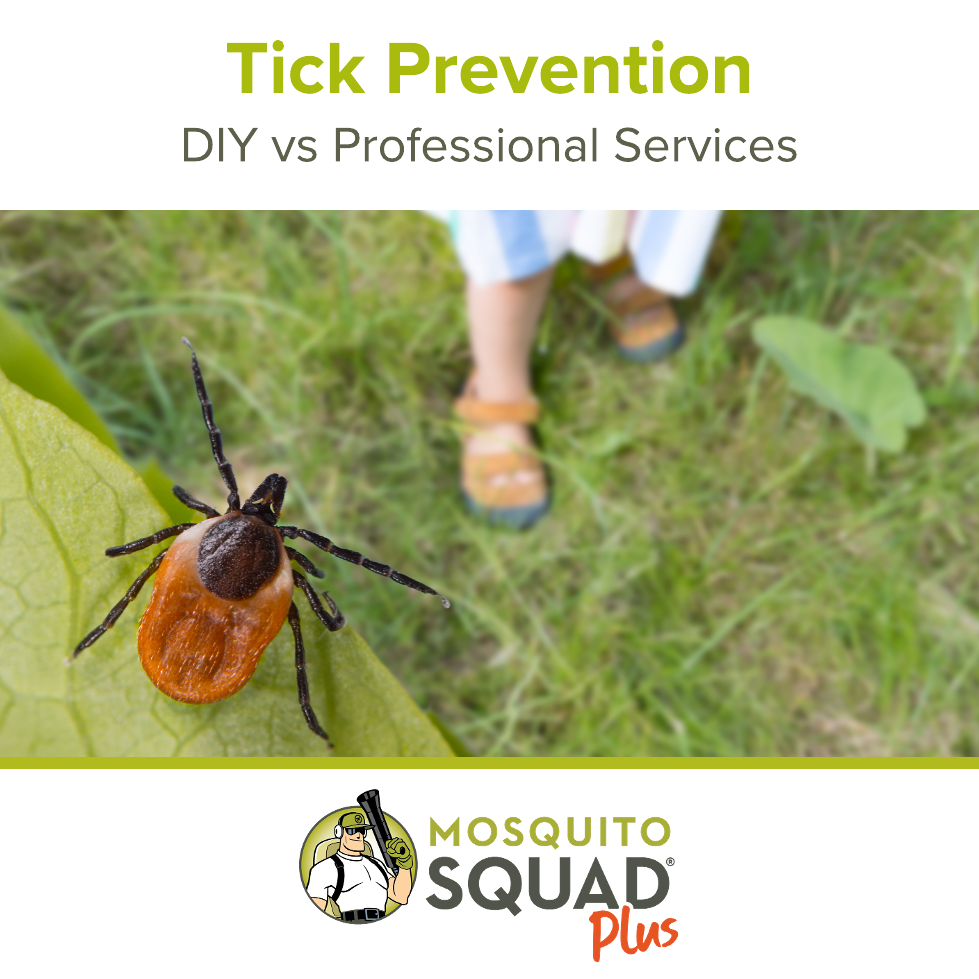
Tick control in Huntsville that starts in late April is already behind on properties with wooded edges near Monte Sano, Brownsboro, New Hope, and Gurley. The 6 C's of tick control matter here specifically because the structural conditions on properties adjacent to ridge terrain and creek corridors favor ticks at every point in the active season. Treating the open lawn without treating the wooded edge is treating the wrong part of the property. The ticks are not living in the open lawn. They are living in the transition zone right where the yard meets the trees.
What the Beaverdam Creek corridor does to tick season in Hazel Green and what Limestone Creek brings into Toney yards are both part of the same story. The creek corridors and ridge terrain that make Madison County beautiful are also what make the tick pressure here genuinely different from flatter, drier markets.
What Fire Ants Do That Tennessee Markets Do Not See
Fire ants are heavier in North Alabama than in either Tennessee market to the north. They are a warm weather constant across every yard in Madison County from spring through fall. And they are not subtle about it. A fire ant mound in a Huntsville yard is a hazard for barefoot children and curious dogs in a way that ant pressure in Chattanooga or Knoxville rarely matches.
Fire ant control needs to start in April when colonies begin expanding after winter. The red clay soil that holds moisture also holds warmth in the upper layers earlier in spring than drier soils do, which accelerates colony expansion. A fire ant colony that overwintered through a mild Huntsville winter is already building its mound in March. Homeowners who wait until they step on one in June are already dealing with an established colony rather than an emerging one.
General ant control in Huntsville covers more species than most homeowners realize. Carpenter ants are present in older properties with any moisture-compromised wood. Odorous house ants follow the same moisture gradient as cockroaches through foundation gaps in spring. The ant trail across the kitchen counter in April started at the foundation line weeks before anyone noticed it. Saturated red clay pushes ant colonies upward and inward. The colony is not hunting food. The ground got too wet.
What Rodents Do With Huntsville's Terrain in Fall
Norway rats work the creek bottoms and lower-lying neighborhoods. House mice move with temperature and fit through a quarter inch. Both begin looking for structure access in October when North Alabama temperatures drop enough to make warm buildings attractive.
The homes built during Huntsville's rapid postwar expansion have aging foundation lines that provide the entry points rodents need. The same red clay soil movement that cracks foundation walls over decades creates the gaps that mice and rats use come fall. A homeowner who ran mosquito barrier treatments through September and stopped service assumes the pest season ended. It did not. The pest changed. The gap in the foundation that cockroaches used in July is the same gap a mouse finds in October. Same house. Same hole. Different month.
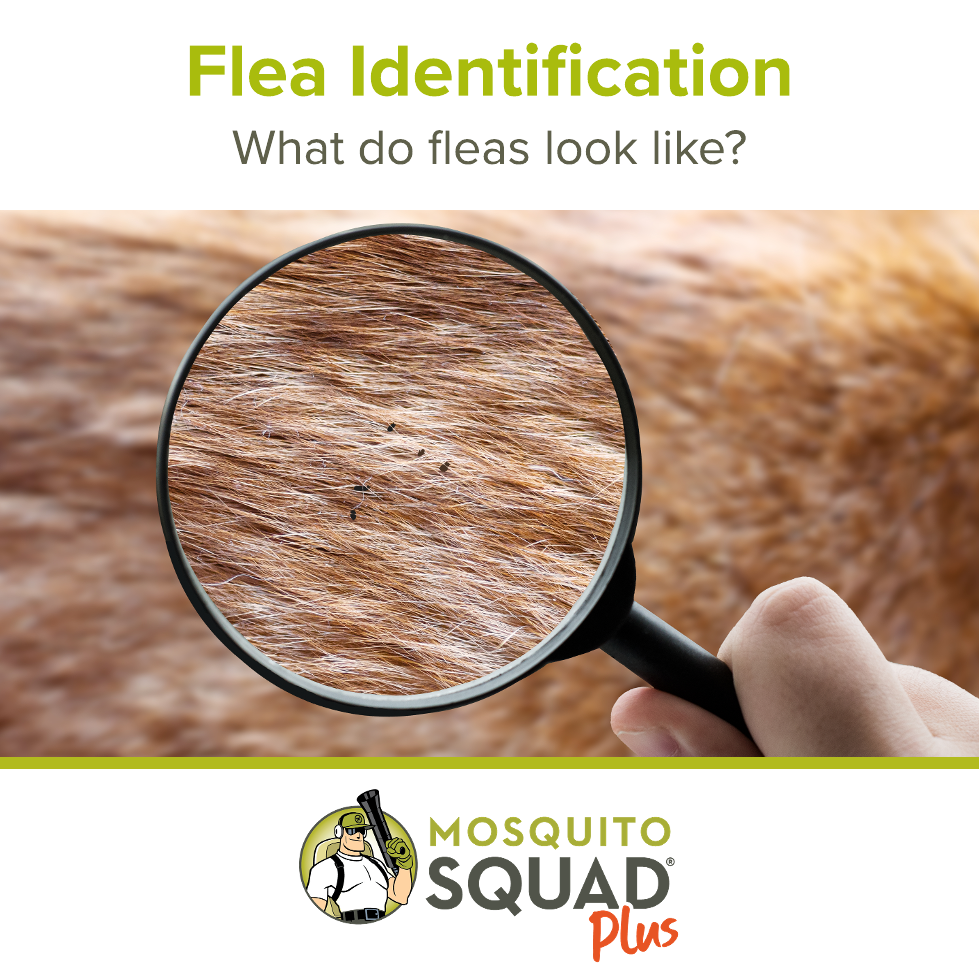
Rodent control without an exclusion component is a temporary answer. Trapping removes what is currently inside. It does not close the opening that produced the entry. In a market where red clay soil movement continuously creates new gaps in aging foundations, the exclusion conversation is ongoing. And fleas follow rodents into yards and structures on exactly this timeline. A yard that had no flea pressure in spring can have a genuine flea problem by August when the rodent population using it as a corridor brings them in.
What Year-Round Pest Control Actually Covers in This Market
Mosquitoes and ticks from March through October. Fire ants from April through October. Cockroaches year-round in any home where red clay keeps the foundation perimeter damp. Spiders building webs along foundation lines from August through November. Rodents from October through February. Fleas wherever rodents and wildlife are active. The cycle does not have a true off season in North Alabama's climate and the soil does not give it one.
A seasonal spray covers a fraction of that. The Home Shield program covers the structure perimeter year-round for mosquitoes, ants, cockroaches, spiders, rodents, and home invaders on a rolling treatment schedule that adjusts to what is active by season. For older crawl space homes in Owens Cross Roads, Five Points, and the established neighborhoods of South Huntsville with red clay foundation conditions, it is the program built for what these properties actually deal with across twelve months.
The Complete Home and Yard package covers the full exterior including rodents, mosquitoes, ants, roaches, ticks, spiders, fleas, and forty-plus other pests both indoors and outdoors. For properties in Madison, Harvest, and the fast-growing corridors of North Madison County where open fields and wooded edges create consistent tick and mosquito pressure alongside fire ant activity that runs all season, this level of coverage addresses what the terrain actually demands.
Neither program is a spray and a goodbye. That is not how pest control works in a city built on red clay soil that holds 54 inches of rain and keeps pressure active across eight months of the calendar. The reviews from Huntsville homeowners say the same thing. You notice the difference when the program runs year-round. You notice the difference the other way when it stops.