Why Monte Sano Yards Play by Their Own Pest Rules
Posted by Mosquito Squad Plus
June 17, 2026
Most yards have a fence line. A Monte Sano yard often has a tree line, and on the other side of it is not the neighbor's lawn but a few thousand acres of protected forest that will never be anything else. That single fact shapes the entire pest picture up here, and it is the thing valley homeowners do not have to think about and mountain homeowners cannot stop thinking about once they figure it out.
There is an old irony in it too. A hundred and fifty years ago people climbed Monte Sano specifically to get away from the bugs, fleeing a valley where summer mosquitoes carried yellow fever and malaria for the cool air and clean springs up top. That is literally where the name comes from. Monte Sano is Spanish for mountain of health. The catch is that elevation never made the mountain bug-free, it just gave it a different set of rules, and a yard on Monte Sano still runs by those rules today. Treat it like a yard in Madison or Hampton Cove and you will be wrong about the timing, wrong about the species, and a step behind all season.
A Thousand Feet Up Is a Different Climate
The top of Monte Sano sits just over 1,600 feet, about a thousand feet above the floor of the Tennessee Valley that wraps around it. That gap is where everything else starts. A thousand feet pulls the temperature down a few degrees off the valley, and on a mountain that holds its own pockets of cool, shaded, north-facing slope, the difference feels bigger than the thermometer admits. You can pull up to a house on the boulevard on a spring morning and feel it the second you step out of the truck. It is just cooler up here.
For bugs, temperature is the clock, and that cooler air resets the clock. Mosquitoes and ticks both wake up on heat, so the whole season slides. Down in the valley the first warm stretch gets everything moving early. Up on the mountain that same warm-up shows up later and patchier, because the canopy is thick and the slopes keep the shade. Here is the trap people fall into: they figure later must mean lighter. It does not. The mountain just starts on its own schedule and then runs long into the fall, because all that tree cover keeps the ground from drying out the way an open valley lawn does. So folks get caught at both ends. They wait too long in spring because the valley forecast said the season started weeks ago, then they quit too early in fall because surely a mountain gets cold first. The yard does not watch the news. It reads its own slope.
And that shaded, damp ground is half the battle right there. The Alabama Cooperative Extension System will tell you the worst tick spots are the moist, humid ones with leaf litter under a canopy, the bushes and tall grass right where the lawn meets the woodline. That is a Monte Sano lot in one sentence. The same tree cover that makes the mountain gorgeous is the tree cover that keeps the leaf litter wet and the ticks working for more of the year than any sunny subdivision down the hill ever deals with.
You Live Inside a Preserve, and So Does Your Yard
The numbers behind that tree line are bigger than most people realize. On the eastern side and slopes sits Monte Sano State Park, 2,140 acres managed by the Alabama Department of Conservation and Natural Resources. On the western slope, the backdrop for downtown Huntsville, the Land Trust of North Alabama manages the Monte Sano Nature Preserve, more than 1,100 acres of woods threaded with over twenty miles of trails and counted among the largest urban nature preserves in the United States. Add the trail networks that run on toward Burritt on the Mountain and the surrounding slopes, and the residential community up here is essentially an island of houses inside protected forest.
That is wonderful for hiking and miserable for keeping wildlife out of your yard, because protected land is a pest reservoir that never gets paved over. Deer walk those corridors like they own them, and wherever deer go, ticks ride along. The state folks do not sugarcoat it. The Alabama Cooperative Extension System says homes built against forest with heavy wildlife carry higher tick risk, and that the hardest yards to treat are the shady ones with dense growth close to the ground. That is Monte Sano, house after house after house.
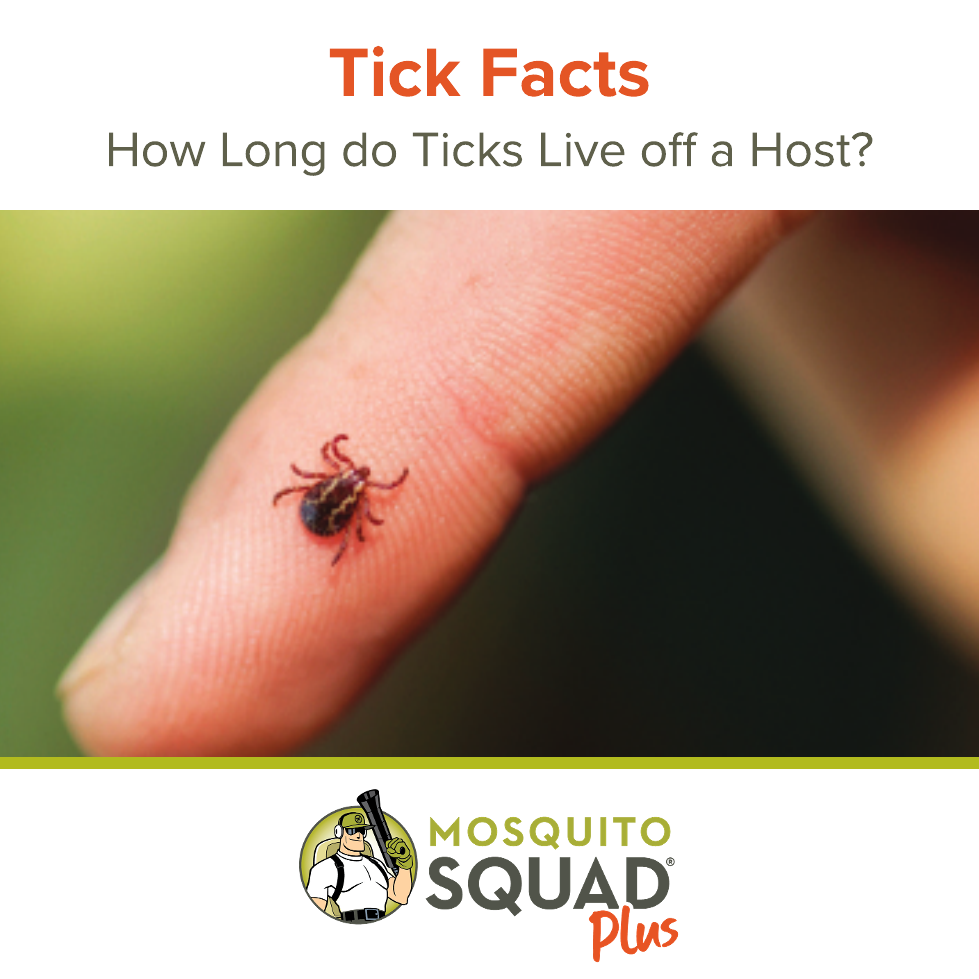
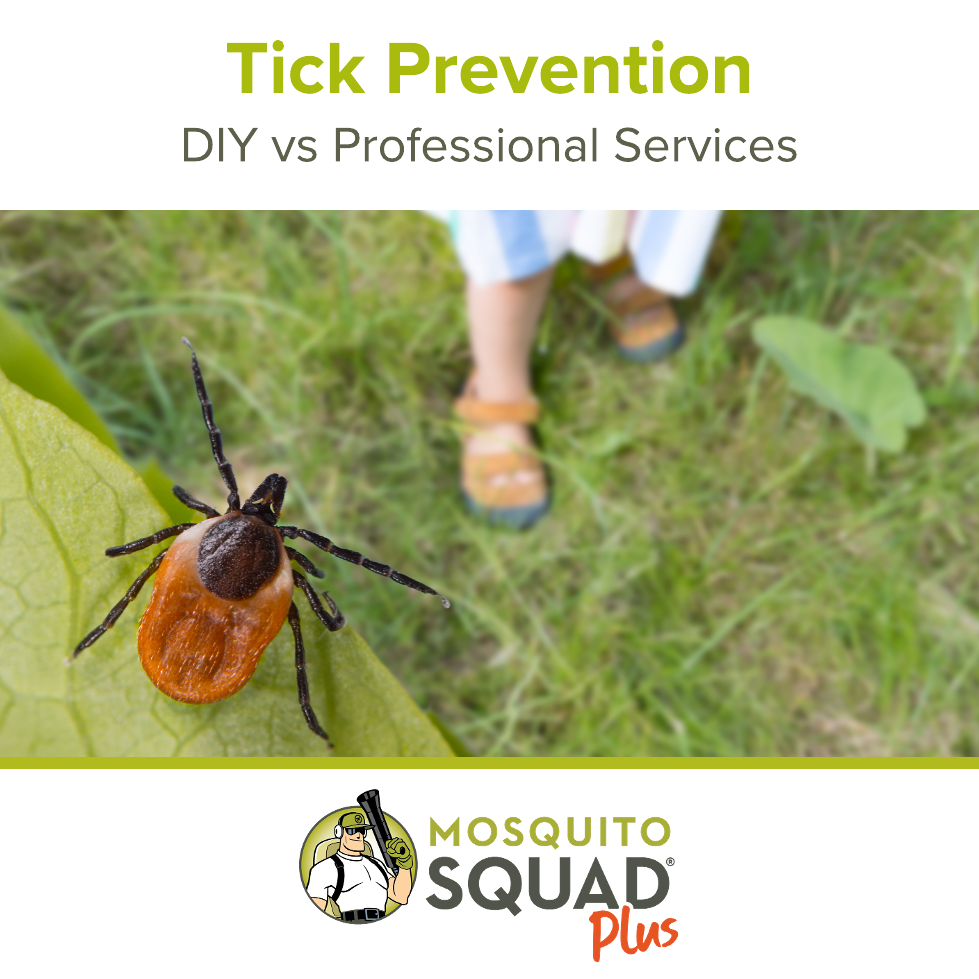
The tick you will meet first up here is the Lone Star, and it does not fight fair. Outdoor Alabama, leaning on Auburn research, calls it the most common tick in the state and one of the most aggressive, the kind that hunts you down instead of waiting on a blade of grass for you to brush past. It loves hardwood stands, which is exactly what rings the mountain. The blacklegged deer tick works the shaded edges and hangs on into the cold months in a warm year, and the American dog tick turns up right out in the open lawn where you would swear it was safe. The Alabama Department of Public Health tracks tick illness statewide and notes that while spring and fall are the peaks, cases get reported year round in Alabama. On a lot that backs to a preserve, that year-round line is not fine print. It is your back fence.
We have written before about what living on the mountain side of Huntsville does to tick season for the neighborhoods at the base, looking up at the slope. Living on top of it is the same forces turned up another notch, because the preserve is not across the road, it is the property line.
Karst, Springs, and Why the Water Behaves Differently
Monte Sano is not just a tall hill. It is a mesa, an island of the old Cumberland Plateau, with a hard sandstone cap sitting on top of softer limestone. That limestone is what makes the mountain interesting and what makes its yards behave like nothing in the valley. Rainwater is faintly acidic, and over a very long time it eats into limestone and hollows it out into karst, the sinkholes, springs, seeps, and underground drainage the United States Geological Survey describes as a landscape shaped by dissolving bedrock. The mountain is riddled with it. Those same mineral springs the health-seekers came chasing in the 1800s are just the karst showing its hand.
What that means for you, standing in your own yard, is that the water does not behave. It will not sit and pool nicely in one low spot the way it does on a flat valley lot with a clay bottom. It moves. It seeps out of a slope, runs along a rock ledge, hides in a shaded corner, and slips away into a crack. So the mosquito problem up here is sneaky. You are not usually fighting one obvious pond. You are fighting a dozen little damp spots you would never think to check, a seep behind the retaining wall, water cupped in a rock crevice, a low corner of the yard that never quite dries because something underground keeps topping it off. And the Asian tiger mosquito, the daytime biter that has taken over residential North Alabama, will breed in a shocking little bit of water. On a karst slope full of hidden catches, a little bit of water everywhere adds up to a lot of mosquitoes.
The rock pulls double duty too. Bluffs, stone cuts, and crevices give overwintering bugs and small wildlife a place to ride out the cold, and that feeds the rodent and wildlife traffic, which feeds the ticks. It all loops back on itself. The geology that makes Monte Sano a beautiful place to put a house is the same geology that hands pests more ways to hang on through the year.
The Pests That Come Inside When You Live in the Woods
Most of what gets written about Monte Sano pest control stops at the yard, but living on the mountain has an indoor side the valley does not deal with the same way. When your house is wrapped in forest and sitting on rock full of cracks and hollows, the pressure does not politely stay outside. It goes looking for a way in, especially once the weather turns.
Rodents are the obvious one. All those crevices and stone cuts are natural shelter, and a heated house on a cold mountain night beats a rock crack every time. As fall cools the slopes, mice and the rest of the small stuff start working the gaps around your foundation, the crawl space, the spot where the cable line comes through, hunting for warmth, and a house backed up to a preserve has a much shorter walk to make than one out in an open subdivision. That is more than a nuisance, because mice are a tick's favorite ride. The Alabama Cooperative Extension System folds rodent control right into its tick guidance for exactly that reason. Keep the mice out of the yard and out of the walls, and you have taken away one of the ways ticks get close to the house in the first place.
Then there are the overwinterers, the ones that do not bite or sting but show up in crowds when the cold pushes them toward shelter. Wooded-lot homes all over North Alabama get stink bugs, boxelder bugs, lady beetles, and spiders working their way inside as the season turns, drawn to the warm south-facing walls and the same gaps the mice found. On Monte Sano, where the canopy is thicker and the trees crowd right up to the house, that fall march indoors is heavier than it is down the hill. The answer is the same idea as the yard work: treat the perimeter and close the entry points before anything goes looking, instead of chasing lady beetles around the living room in November.
This is the part that catches new Monte Sano homeowners off guard. They brace for the ticks and the mosquitoes because they can see the woods right there. They do not expect the house itself to be the target, and by the time that first real cold snap sends everything hunting for a door, the easy window to get ahead of it has already closed.
What This Means for Treating a Monte Sano Yard
A Monte Sano yard cannot run on the valley's calendar with the valley's assumptions. The work has to match the mountain, and in practice that comes down to three things.
First, you hit the transition zone hard, the band where the mowed yard gives way to the preserve or the wooded slope, because that edge is where the ticks actually live. The Alabama Cooperative Extension System is plain about the lawn-to-woodline border being the priority, and on Monte Sano that border is almost always the busiest stretch of the property. Keeping the lawn trimmed and clearing the woodpiles and clutter that shelter ticks and the mice they ride on helps, but no amount of mowing answers the pressure pushing in from thousands of acres of forest on the far side of the fence. Somebody has to treat that edge.
Second, you hunt the small water, not just the obvious water. On a karst slope the mosquito sources are scattered and easy to walk right past, so the find-it-and-dump-it discipline behind the seven T's of mosquito control matters more here than just about anywhere we work. The seep, the crevice catch, the shaded corner that never dries, those are the spots still humming after the homeowner swears up and down they emptied every flowerpot on the property. They usually did. They just could not see the water the mountain was hiding.
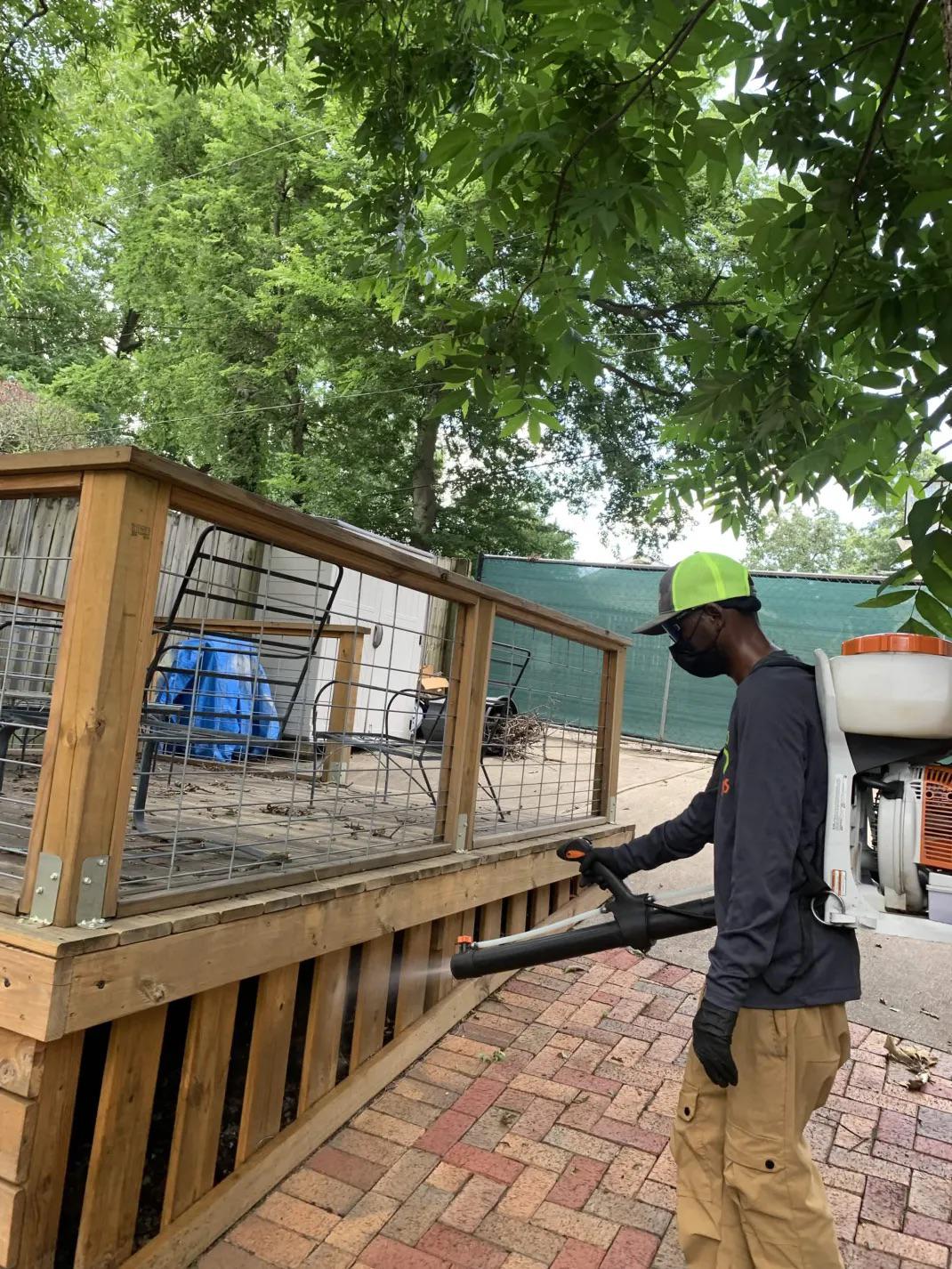
Third, you run on the mountain's clock. That means starting tick treatment and mosquito barrier service on the slope's actual schedule, not whatever the valley is doing, and carrying it later into the fall because the shade keeps the season open after the lowlands have cooled off. The six C's of tick control really just come down to making the yard a place ticks would rather not be, and on a lot that borders a preserve that is steady work, not a one-and-done.
For a lot of folks up here the simplest answer is year-round coverage instead of chasing each pest as it shows up. Our Home Shield program handles mosquitoes, ticks, and the home invaders that come with wooded-lot living across the whole calendar, which suits a mountain that never really takes a full season off. Whichever way you go, the satisfaction guarantee covers every property we treat.
The Mountain Rewards Knowing It
The people who love Monte Sano for the cool air and the trees are not wrong about any of it. They are just inheriting a yard that plays by mountain rules instead of valley ones. Later start, longer tail, water hiding in the rock, steady pressure off the preserve, and a tick population that treats the back fence like a front door. None of that is a reason to love the place less. It is a reason to treat the yard like the specific patch of mountain it actually is.
We work yards all over the Huntsville area, from Owens Cross Roads and Hampton Cove around the back side of the mountain to Huntsville proper and out toward Madison and Brownsboro, and we know the mountain reads different because we are the ones up there treating it. If you are on Monte Sano and tired of guessing when the season starts, reach out for a free assessment or call (256) 907-8493, and we will build the plan around your slope instead of the valley's.