Why Stink Bugs Move Into Jones Valley Homes the Week the Nights Turn Cool
Posted by Mosquito Squad Plus
September 30, 2026
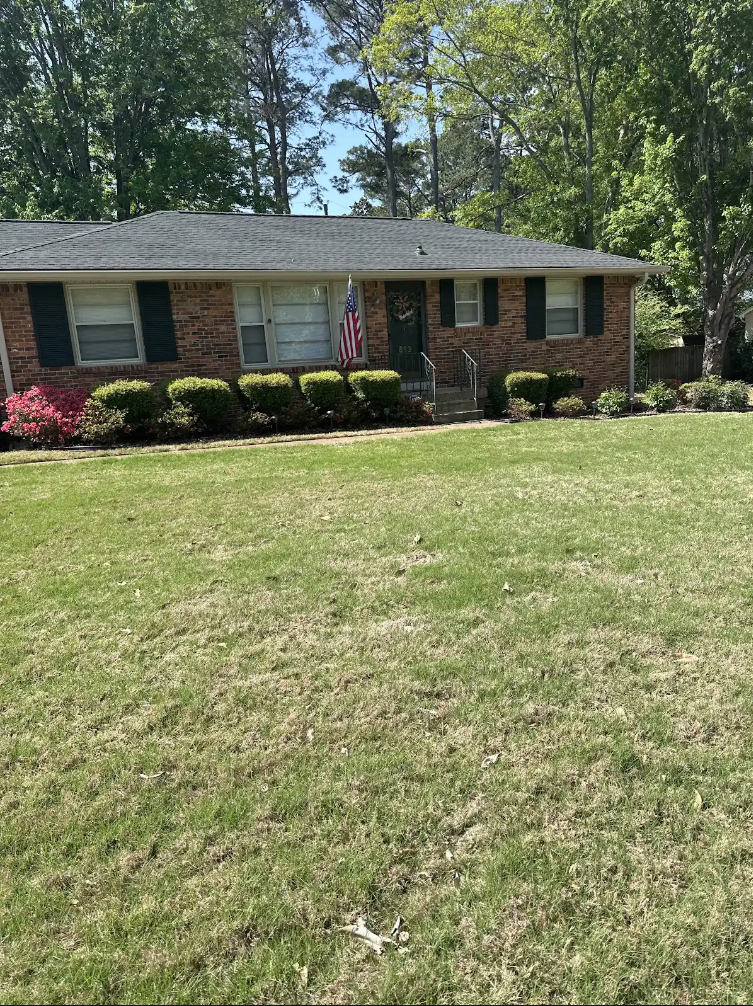
On a clear, still morning in early fall, Jones Valley wakes up colder than the mountains around it. The ridge line along Monte Sano catches the sun first while the neighborhoods down along Carl T. Jones Drive are still sitting in cool, damp air, sometimes with a thin layer of fog hanging over the low ground near the creek. You notice a jacket morning. A stink bug on the brick notices a deadline.
That first stretch of cool nights is the switch. Stink bugs spend summer feeding on plants, and when the nights drop they start looking for a sheltered crack to wait out the winter. In Jones Valley, the valley floor tends to get that signal a little earlier and a little harder than the rest of Huntsville, and the older homes down in the bowl give the bugs more ways in than a new build would.
Here is the honest part up front. This is not the kind of stink bug problem you see on the news out of Pennsylvania, where people sweep them up by the bucket. One of our Huntsville technicians told us he is seeing more stink bug jobs this year than last, and that it still adds up to two or three so far, with nothing he would call a bad infestation yet. North Alabama gets a lighter version of this pest. But the Jones Valley homes that do get them follow a pattern you can see coming, and stink bug control in a neighborhood like this one comes down to timing and the building far more than it comes down to spray.
Why the First Cool Nights Hit Jones Valley Before the Rest of Town
Jones Valley sits low between Monte Sano and Green Mountain on the east side and Waltons Mountain on the west. That shape matters more in October than most people think. On a calm, clear night, the ground gives off the heat it collected during the day, the air right above it cools, and that cooler, heavier air starts to slide downhill. The National Weather Service calls this cold air drainage and describes valleys filling from the bottom with layers of cold air as the night goes on, which is exactly why fog tends to form in the low spots first. The Weather Service office in Grand Junction puts it plainly in its frost and freeze guidance: under those conditions, valleys can run much colder than the higher terrain around them.
So a house on the valley floor and a house up the mountain at The Ledges can share a zip code and still live through different nights, and the homes down in the bowl feel the drop first.
Then the afternoon warms back up, and that swing is what gets stink bugs onto your walls. The federal National Invasive Species Information Center notes that the brown marmorated stink bug is drawn to the outside of houses on warm fall days while it searches for a place to overwinter. A cold valley morning tells the bug it is time to go. A warm valley afternoon gives it the energy to fly to the nearest brick wall and start walking the seams. Our read is that a place with a wide gap between the morning low and the afternoon high gives them more of those days in a row.
The mountains supply the bugs, too. Stink bugs did not evolve to live in houses. In the wild they spend the winter tucked into protected spots, and Alabama Cooperative Extension lists leaf litter, tree bark, dead weeds, outbuildings, barns and houses among the places overwintering adults hide. Researchers at USDA found that dead, standing trees in wooded lots are one of the favorite natural overwintering sites, according to Michigan State University Extension. The wooded slopes climbing out of the valley have plenty of both. If your back fence sits near the foot of the mountain or along one of the wooded strips that follow the drainage through the neighborhood, you have a natural supply of stink bugs close by, and your house is simply the nearest dry crack when the weather turns.
Why Huntsville Gets a Lighter Version Than Up North
If you moved to Huntsville from Ohio, Pennsylvania, or the Mid-Atlantic, you may be braced for a fall that never quite shows up. That is not luck. The brown marmorated stink bug, the invasive one with the reputation, has never done as well in the Deep South. Mississippi State University Extension describes the species as oddly slow to establish across the region, with numbers still low, even as it becomes a more common fall invader in parts of North Mississippi.
Heat looks like a big part of why. A survey of soybean fields in Maryland, Virginia, West Virginia and Delaware, summarized by the Jentsch Lab at Cornell University, found that brown marmorated stink bugs got scarcer as June temperatures rose, and none turned up in fields where the June average ran above about 74 degrees. Huntsville starts June right at that line and passes it fast. The National Weather Service normals for Huntsville put a typical early June day at a high in the mid 80s and a low in the mid 60s, averaging right around 74, and by late June the normal high is about 90.
That same survey found something that matters for anyone in Jones Valley who swears they are seeing more stink bugs this year. The native stink bugs went the other direction. As June got hotter, the native green and brown species got more common. When our technician says the bugs are up this year because it has been so hot and humid, he is probably right, and a good share of what Huntsville homeowners call stink bugs are likely those native species rather than the invasive one. Alabama Extension notes that the brown, green and southern green stink bugs have been established in the state for a long time, while the brown marmorated stink bug was first introduced in Alabama in 2010.
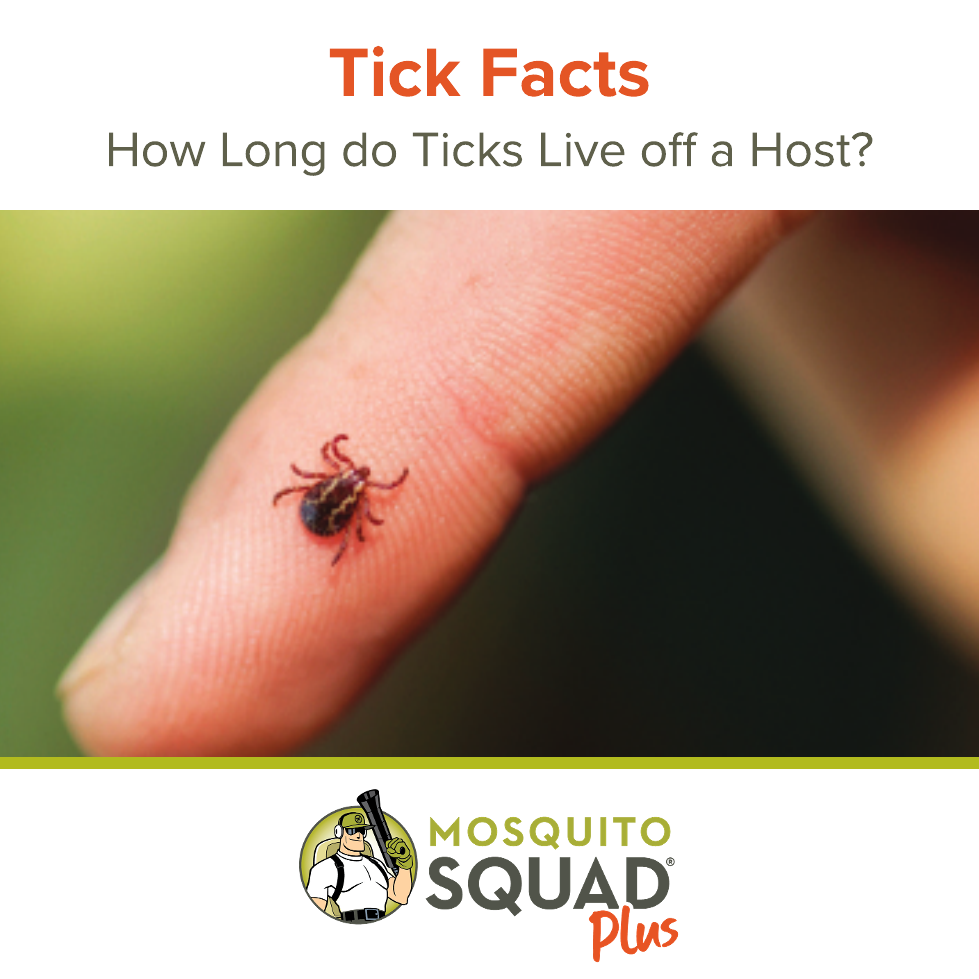
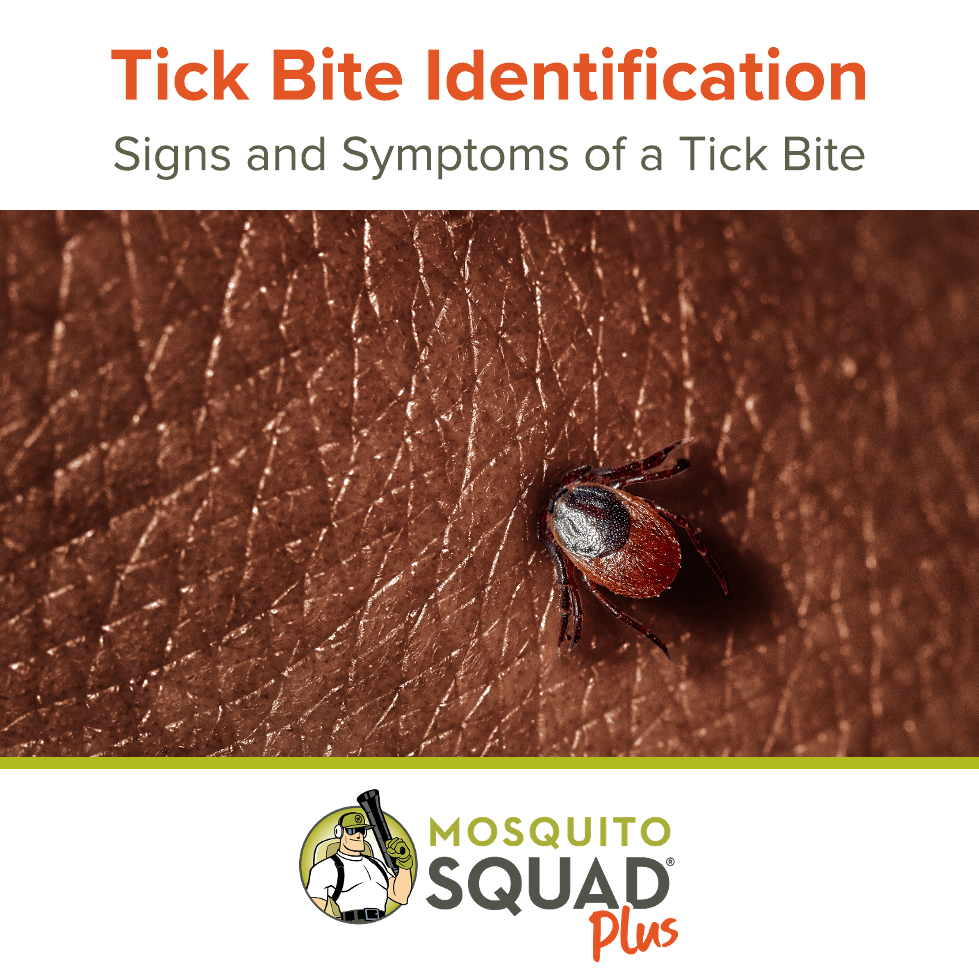
Mississippi State points out that the invasive species has white bands on its antennae and none of the native brown stink bugs do. The invasive one is known for gathering on a building in groups, while the natives tend to show up one or two at a time. Either way, they use the same gaps and get kept out the same way.
What Our Technicians Are Finding Inside Older Jones Valley Homes
The pattern inside the house surprised us a little. When we asked where stink bugs turn up on a first visit, the answer was not the attic. It was the kitchen, the main bedroom, or the bathroom. Asked why they come in, our technician put it simply: "I feel like they're trying to get out of the heat, just like we do."
We think the rooms tell you something about the route. Kitchens and bathrooms are where a house has the most holes cut through its outer shell. There is plumbing under the sinks, a vent hood or an exhaust fan ducted to the outside, and usually a window that gets opened more than the others. Bedrooms and bathrooms are also where lights stay on late. A bug that finds a gap around a pipe or a loose fan damper does not need to go through the attic at all. It comes out close to where it came in.
The homes are the other half of it. Stink bugs, roaches and crickets show up far more in the older houses than in new construction. Our technician gave homes built in the 1990s as an example of the kind he sees them in all the time, because by now those houses have settled. Mortar cracks open up. Caulk around windows and trim has dried out and pulled away. And on a lot of brick homes, the weep holes along the bottom course of the brick sit wide open. Those small gaps are built in on purpose to let moisture drain out from behind the brick, and to an insect looking for a dark, sheltered crack they look like a front door.
That is also why a stink bug call here rarely stays just a stink bug call. In the Huntsville area most of our indoor work is roaches, with stink bugs every once in a while, and the same openings serve both. Not long ago one of our technicians treated an older home that had crickets inside. If you are finding roaches, our cockroach control work starts at the same entry points, and the gaps a stink bug uses in October are often the ones mice use to get into Huntsville homes a few weeks later. Older construction changes the whole job, which is the same thing we see on a much older scale in Five Points.
What Jones Valley Homeowners Try First
Almost everyone starts at the store. Our technician said most people have already tried Raid or a general bug spray. It is a reasonable first move that does not solve this problem.
A can of spray kills the stink bug on the curtain. It does nothing for the ones already sitting in the wall behind the outlet, and it does nothing about the gap they used. Penn State Extension goes further and advises against using insecticide indoors once stink bugs have made it into wall voids or the attic. Dusting a wall void can kill a lot of them, but the dead bugs can feed carpet beetles, which can then move on to wool, stored food and other natural materials in the house.
The next instinct is to smash them, and that one backfires for the obvious reason. Crushing a stink bug is exactly what sets off the smell. The better way to handle the one on the windowsill is to knock it into a jar of soapy water or pick it up with a paper towel and get it outside. A vacuum works too, though Penn State warns it may smell for a while afterward.
The third mistake is the one we see most on brick homes. A homeowner finds out the bugs are coming through the weep holes and fills every one with caulk or mortar. That keeps the bugs out of that gap, but it also traps water behind the brick that the weep holes were built to let out, and moisture sitting in a wall invites a different set of problems. The fix for a weep hole is to screen it, not to seal it.
What Actually Works for Stink Bug Control in Jones Valley
The research is consistent on this and so is what we see in the field. Keeping them out works better than killing them once they are in. Penn State lists the places to look: cracks around windows, doors, siding, utility pipes, behind chimneys and under wood trim. On an older Jones Valley home we would add a few of our own. Check where the chimney meets the brick. Look at the dryer vent and the bathroom fan vent from the outside and make sure the flaps close all the way. Trace every pipe and wire where it goes through the wall. Look at the weep holes. Walk the window screens, because University of Maryland Extension points out that damaged screens on doors and windows should be repaired or replaced, and a torn screen on the bathroom window is an easy way in.
Gaps take caulk, weep holes take a small mesh insert that lets water drain, and vents take screen. None of it is complicated, but on a house built in the 1970s, 80s or 90s there is a lot of it.
This is where a treatment earns its place, and we want to be straight about what it does. Extension services generally rank sealing ahead of spraying for stink bugs. Texas A&M AgriLife Extension notes that exterior insecticide applications can offer some relief where completely sealing the outside of a home is difficult or impossible. A brick-veneer house with dozens of weep holes and forty years of settling is a good example of difficult. An exterior perimeter treatment applied to the foundation, the base of the brick, window and door frames and utility entries cuts down the number of bugs sitting on the building during the weeks they are searching for a way in. It works alongside the sealing, not instead of it.
On a first visit we look at both sides of the wall. Inside, we check the kitchen, the main bedroom and the bathrooms, since that is where our crews most often find them, and we look at fan dampers, window frames and the plumbing openings under the sinks. Outside, we walk the foundation and the brick to find where they are getting in. The Home Shield program is built around that structure-first approach, treating the outside of the house and the openings pests use on a recurring schedule, and it catches roaches, spiders and the other fall invaders like boxelder bugs that use the same openings. For homeowners who also want the yard handled, Complete Home and Yard brings the lawn and landscape into the same program. That kind of year-round home pest control in Jones Valley does more than any single can of spray will, because it keeps working through the weeks the bugs are actually moving.
When to Treat in Jones Valley
The window that matters is the one right before the first run of cool nights, and in Jones Valley that window closes a little earlier than it does on higher ground. In a typical year that means the back half of September into early October. The goal is to have the gaps closed and the exterior treated before the valley gets its first calm, clear night in the 50s, not after you find the first bug on the bathroom mirror.
Sealing has a timing rule of its own. Close up the house before the bugs move in, not after. If they are already inside the walls, sealing the openings can trap them indoors, where they will die in the wall or find their way out into your living space instead of leaving in spring.
Expect a few to reappear on warm days later in the season even in a well-sealed house. Purdue University Extension notes that stink bugs that got into a home become a nuisance mainly when warm, sunny spells stir them up through the winter and spring. A handful on a sunny window in February is a sign of a gap you missed, and it tells you where to look before next fall.
If you want the wider picture of everything that moves toward Huntsville homes this time of year, our post on what late fall sends into Huntsville homes covers kudzu bugs, lady beetles, fire ants and rodents alongside stink bugs. Homes along wooded edges elsewhere in the metro, from Hampton Cove and Owens Cross Roads to Willowbend, deal with their own versions of the mountain-edge pressure.
The Short Version for Jones Valley
Jones Valley does not get a huge stink bug season, and most years it will not. What it gets is a small, predictable push into older homes, set off by the first cool nights settling into the valley floor and fed by the wooded slopes on either side. The houses that stay clean are the ones where somebody closed the gaps, screened the weep holes and treated the outside before the weather turned, instead of reaching for a can after the first bug showed up in the kitchen.
We have been treating Huntsville homes since 2018, and every visit is backed by our satisfaction guarantee. If you want a set of eyes on your house before the nights cool off, call (256) 907-8493 or reach our Huntsville office online to set up a free visit. The full list of neighborhoods we serve is on our service area page.