How Mice Get Into Huntsville Homes, Whether Yours Is on a Slab or a Crawl Space
Posted by Mosquito Squad Plus
August 17, 2026
Mice come in low. They run the base of the foundation, nose along the line where brick meets dirt, and test every place something passes through the wall, whether that is a hose bib, a dryer vent, or the gap under a garage door that has settled a quarter inch out of true. In Huntsville that search plays out two different ways depending on what the house sits on, and most homeowners have no idea which version they own until somebody gets underneath with a light.
That one detail drives the whole job. Where the openings are, what they are made of, whether anybody can reach them, and how long a repair holds. A 1920s bungalow near downtown and a three-year-old build out in Madison both get mice. They get them through different doors, and rodent control aimed at the wrong door is a season of work that closes nothing.
The Question You Cannot Answer at the Kitchen Counter
You find droppings in a drawer. Now what is it.
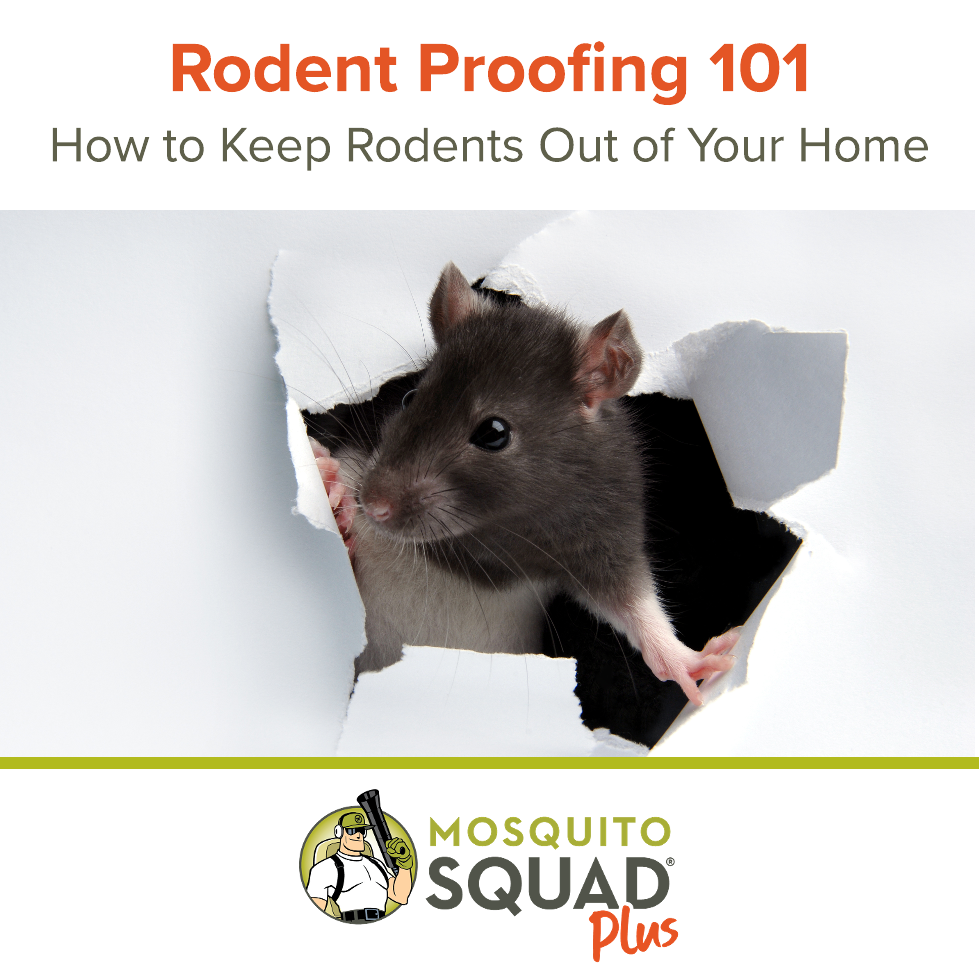
Most people guess mouse and move on, and about half the time that guess is wrong in a way that matters. The three rodents that live alongside people in Alabama are the Norway rat, the roof rat, and the house mouse, and Alabama Extension groups all three as commensal, meaning they live in close association with humans. Which one you have changes the trap you buy, the gap you go looking for, and how fast you need to move.
Size is the first cut. Purdue Extension puts the adult house mouse at roughly five and a half to seven and a half inches long including a three to four inch tail, while a Norway rat runs thirteen to eighteen inches including a tail of six to eight and a half inches. Mississippi State Extension lists the same mouse measurement independently, so those numbers are not coming from one place.
The juvenile is where you can go wrong. A young rat and a grown mouse land close enough in body length to fool anybody, so proportion beats measurement. Alabama Extension separates them on feet and head: a young rat has large feet and a large head for its body, a house mouse has small ones. Tails settle the rest. A Norway rat carries a tail shorter than its head and body combined, with a heavy build, small ears, and a blunt nose. A roof rat runs the opposite way, tail longer than head and body, slender, large ears, pointed nose.
Texas A&M AgriLife Extension works the indirect evidence too, identifying rats and mice by droppings, runways, food crumbs, and the noises they make, which is usually all anybody has to go on before the animal ever turns up.
Droppings arrive first, and they tell you more than you would think. Mouse droppings are small and scattered, left wherever the animal happened to be. Rat droppings run noticeably larger and concentrate along a run. Where you find them carries as much information as their size, since a pile in one corner of your pantry means something different from a trail down a baseboard. Dark, slightly greasy rub marks along a wall mark a route in heavy use.
If you are looking at large feet on a small animal, stop treating it as a mouse problem. Our rodent control work in Huntsville starts with that identification because everything downstream of it branches, and that holds whether the property is in town or out toward Gurley and Brownsboro, where outbuildings let a population build before it reaches the house.
Huntsville Is Building and Renovating at the Same Time
The city's own numbers explain why we run two completely different inspections in the same week, and why yours depends on your address.
New construction first. The 2025 Development Review reports the Planning Commission approved 1,892 single-family lots in 2025, the most approvals since 2007, with nearly 5,000 new housing units coming online and the largest concentration of housing starts near Wade Mountain in north Huntsville. Those approvals are expected to drive more single-family building over the next two to three years.
The old stock is not sitting still either. The same report shows a 6.4 percent increase in residential additions and alterations, with renovation activity picking up in north Huntsville neighborhoods and holding steady in the south. Downtown, Five Points was recognized as a historic district by the City in 1999 and added to the National Register in 2012, and per the City of Huntsville it came a generation after Twickenham and the adjoining Old Town districts. The city sums its own growth up as running outward through annexations, upward through new construction, and inward through reinvestment in established neighborhoods.
Two directions at once, and rodents read the difference immediately. Extension guidance on rodent-proof construction treats them as separate problems: rodents get into buildings with piers or shallow foundation walls by burrowing beneath the floor or foundation, while rats seeking shelter under concrete floors and slabs burrow in to find protection. Different animal behavior, different repair.
So the first thing you need to establish is not which pest you have. It is what your house stands on.
What the Crawl Space House Is Dealing With
A crawl space is a room. It has walls, a floor, vents, and a door, and every one of those is a potential opening. It also has something a slab house does not, which is an unconditioned void directly under your living space, separated from your feet by a subfloor full of penetrations for plumbing, wiring, and ductwork.
Mice in your crawl space are not yet in your house. They are in the staging area, and from there they follow pipe chases and wire runs up into wall cavities. Extension guidance addresses this directly, describing sheet metal cut to fit and set between studs, joists, floor, and sill specifically to stop rats that have reached a crawl space from getting into double walls. That is why the first thing you hear is often scratching in an upstairs wall with no visible entry anywhere near it.
Your openings are usually four things. Foundation vents with screening rusted through or a corner popped loose. The access door, which on older homes is frequently wood set into a masonry opening that has shifted. Gaps where wall framing or siding meets the foundation, which extension guidance names outright as easy entry. And plumbing and gas line penetrations, rarely sealed to any standard when these houses went up.
Your vent screening carries a tradeoff most homeowners never hear about. Excluding mice takes quarter inch mesh, but hardware cloth finer than half inch significantly reduces air flow, and if your crawl space ventilation is already marginal you can trade a rodent problem for a moisture problem. Half inch mesh is the reasonable compromise where airflow is tight, and it stops rats while letting mice through, which is one more reason the identification question comes first.
Older construction runs heavy on the east side toward Jones Valley and out through Hampton Cove, and those crawl spaces tend to run damp. Moisture pulls in more than rodents, which is a theme across our Huntsville pest control blog and shows up in yards over in New Hope as well.
What the Slab House Is Dealing With
A slab removes your crawl space problem and hands you a different one. There is no void underneath, so nothing can stage below the floor. Entry has to happen at grade, through the wall, which sounds harder and is not.
Your garage door is the most common way into a new Huntsville house. A sectional door seals against the slab with a rubber or vinyl astragal, and extension guidance is blunt about that material: rubber or vinyl weather stops are quickly gnawed through. The same guidance sets the standard for any exterior door at no more than a quarter inch between the bottom of the door and the threshold. Add a slab that is not perfectly level, which most are not, and you get daylight at one corner. Mice find daylight.
Then there is your grade transition. On a slab house your finished floor sits only a few inches above soil, putting your siding line, weep holes, hose bibs, AC line set, and electrical penetrations all within reach of an animal standing on the ground. Fresh landscaping compounds it, because new mulch beds and irrigation boxes go in right against that transition and supply cover to work in. Extension guidance recommends the opposite, a clean three-foot weed-free band around your foundation to discourage burrowing and make activity easier to spot.
New construction in Harvest and out toward Meridianville shows this constantly, and it is the reason a new house is not a sealed house. We have written before about new builds and pest pressure in this market.
The Quarter Inch That Ruins Most Inspections
This is the number that reframes what you are looking for. Rats gain entry through any opening greater than half an inch, and mice through any opening larger than a quarter inch. Mississippi State frames it as a head rule: both can enter a hole large enough to pass their head through.
A quarter inch is about the width of a pencil.
Walk your foundation with that in mind and your inspection changes completely. You are not looking for holes anymore. You are looking for gaps you would never register as gaps, and you probably have more of them than you expect, especially at pipe penetrations where somebody cut oversize and never went back.
There is a second half to the mechanism, and it explains why your sealing work sometimes fails. Rodent incisors curve slightly inward, which makes gnawing into a flat hard surface difficult, but given a rough surface or an edge to bite into they can quickly gnaw through most materials. A patch finished flush holds. A patch that leaves a lip hands them a starting point. That is why the same product succeeds on your house and fails on one a mile away in Toney or New Market.
Sealing Work That Survives the Winter
Expanding foam is the most common wrong answer. It seals air and stops nothing with teeth.
Mississippi State calls for mortar, concrete, sheet metal, or hardware cloth of 19 gauge or heavier with no openings more than a quarter inch. Mesh specification gets ignored constantly, and it is not interchangeable: excluding rats takes woven 19 gauge hardware cloth at half inch by half inch, while excluding mice takes 24 gauge at a quarter inch by a quarter inch. Steel wool packed into an opening works as a temporary plug but tends to leave rust stains, so it is a stopgap rather than a repair.
If something is burrowing under your foundation, you need something structural instead of a patch. Extension guidance recommends extending foundation walls at least 36 inches below grade to stop rats entering that way, or adding a concrete curtain wall or a one foot horizontal footing extension to deflect them.
The damage argument is not hypothetical either. A Mississippi State safety bulletin notes rodents can damage foundations and sidewalks by burrowing under concrete and will gnaw wiring of any kind, in vehicles, equipment, or buildings, causing shorts and electrical hazards. That is the case for closing out light activity rather than watching it, even if you have only seen one. It also rarely stays a rodent-only problem, since the same openings serve cockroaches and spiders, and the wider fall push into North Alabama homes runs on the schedule covered in our late fall pest control post.
Trap Placement Is Where This Usually Falls Apart
Placement fails more often than the trap does. People set traps in the middle of a room, out in the open, where they can see them.
Rodents do not travel that way. They move along edges, against walls, running the same routes night after night. Alabama Extension puts traps for Norway rats and house mice under cabinets or next to a wall, and traps for roof rats along beams, rafters, or other travel ways. That is your identification question paying off, because getting the species wrong can mean a dozen traps set in the wrong plane of your building.
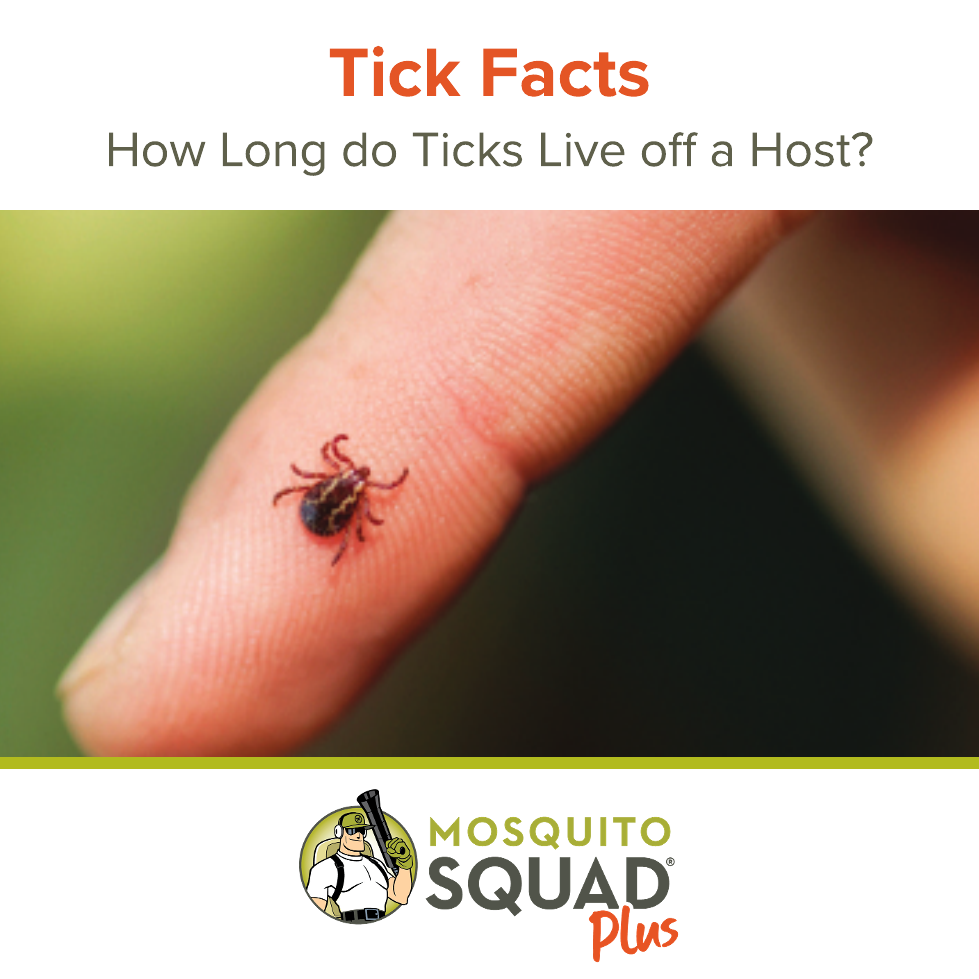
University of Missouri Extension still rates the old wooden snap trap as the cheapest and most effective option, with larger versions for rats, and names placement as the key to success. Peanut butter makes good bait because it sticks to the trigger. Missouri also notes these rodents carry ticks, which matters if you have pets moving through the same spaces.
Trapping alone will not finish your problem. Alabama Extension is direct that poisons alone will not provide long-term relief and have to be paired with exclusion and sanitation, and the same holds for traps. You are removing animals from a building that is still open, which just makes room for the next ones.
What Happens on a Huntsville Rodent Call
The sequence holds steady between a crawl space house in Huntsville proper and a slab house in Owens Cross Roads. What we find does not.
We inspect your property for conducive conditions, entry points, and evidence of activity, then build a plan around your specific problem instead of a standard package. Exclusion follows, closing what the inspection turned up, because rodent control that skips this step is temporary by design. EPA registered products handle whatever population is already established. Outside, that means sealing cracks and gaps at foundation penetrations from pipes and wires, and cutting the harborage feeding the problem: clutter against your house, woodpiles on the ground, dense shrubs touching your wall.
One point of housekeeping, since it comes up. Rodent coverage sits in our Complete Home and Yard program, which covers rodents alongside mosquitoes, ants, roaches, ticks, spiders, fleas and forty-plus other pests, inside and out, and includes treatment for the structure itself. Home Shield sits a tier below and handles insects at the entry points without the rodent component. If rodents are the reason you are calling, Complete Home and Yard is the program to ask about, and all of it carries our satisfaction guarantee.
Before anyone comes out, go find out what your house stands on. A vented masonry skirt with an access door means you have a crawl space, and your work starts underneath. Brick running straight into the ground with your garage floor continuous with your house floor means slab, and the work starts at the garage door and the grade line. Ten minutes with a flashlight decides which conversation we have, and it will shorten your first visit considerably.
Every community we cover is listed on the service area map, and there is more reading on the Huntsville blog. To have somebody walk your foundation with you and tell you what they find, contact our Huntsville team or call (256) 907-8493 for a free estimate.