What Late Fall Sends Into Huntsville Homes, From Kudzu Bugs to Rodents
Posted by Mosquito Squad Plus
July 27, 2026
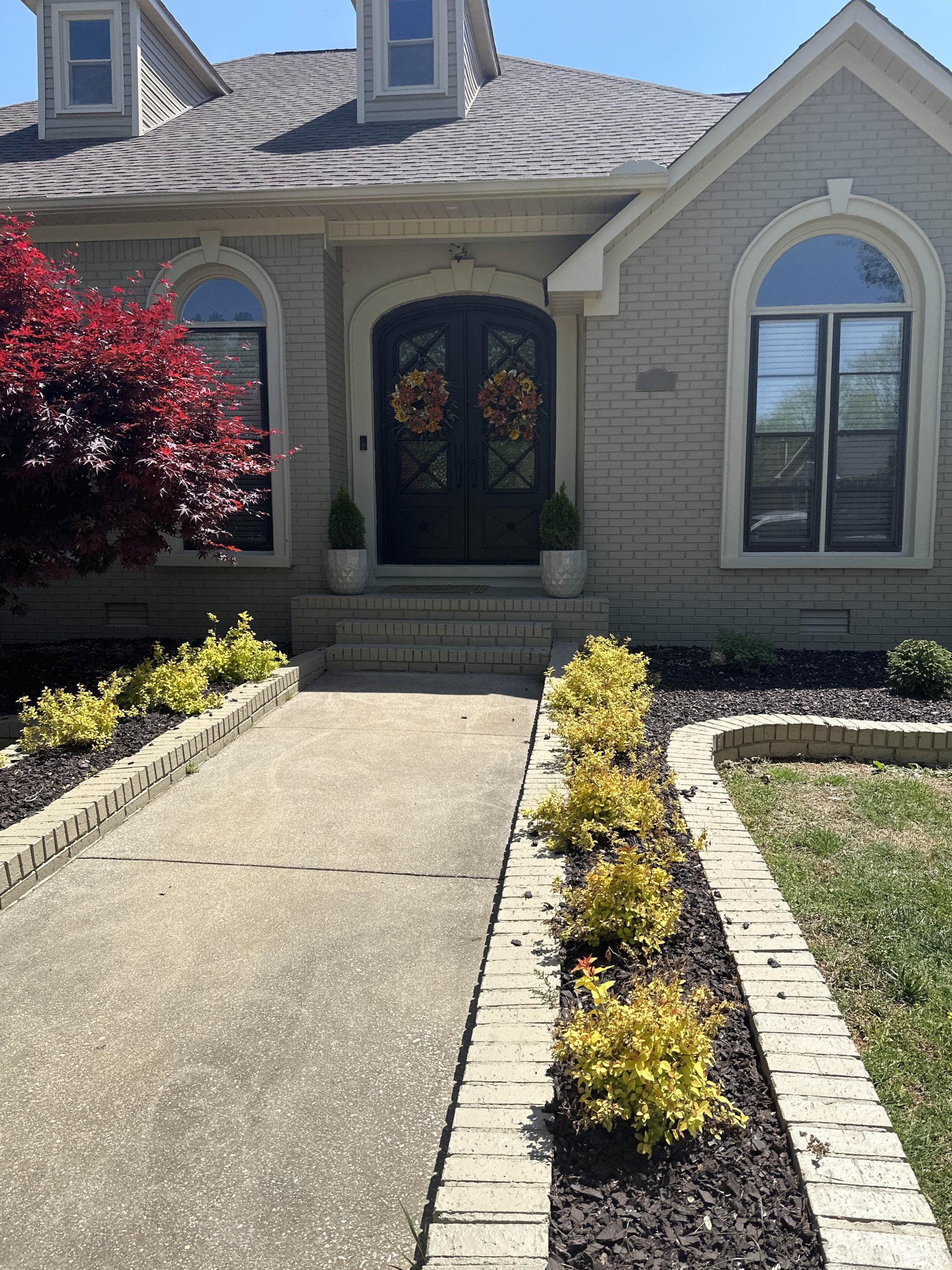
Kudzu bugs find the white siding first. They come off the vines on a warm October afternoon in numbers that make a wall look like it has a texture it did not have that morning, and by the time you walk out to see what is going on, a fair number have already worked under the lap joints and behind the fascia. The rest of the fall cast follows on roughly the same schedule, and the mice start testing the foundation about the time the first real cold front comes through. If you are in Owens Cross Roads or out toward Hampton Cove, you have probably watched some version of this happen.
North Alabama does not get the clean seasonal handoff that places farther north do. Up in the Ohio Valley the yard goes quiet in October and everything moves indoors at once. Here the seasons overlap. Mosquitoes are often still working into October in a warm year, fire ant mounds are pushing up fresh soil across the yard, and the overwintering insects are already staging on the walls. Three pest problems run at the same time for several weeks, which is why fall in the Tennessee Valley tends to feel less like an ending and more like a pileup.
This is what is coming between now and the first hard freeze, why the Huntsville area gets a version of it that Birmingham and Nashville do not, and what closes the building before the push starts.
The Bug Most People Here Cannot Name
Kudzu bugs turn up on North Alabama walls every fall, and a surprising number of homeowners have no idea what they are looking at. Small, round, olive green with brown speckling, flat across the back, about the size of a pea. They read as some kind of beetle at a glance and they are not. They are true bugs, closer kin to stink bugs than to lady beetles.
The insect showed up in the United States in northeast Georgia in 2009 and spread through the Southeast fast. Alabama Cooperative Extension lists it among the most common insects that push into Alabama homes as the weather cools, alongside Asian cockroaches, brown marmorated stink bugs, multicolored Asian lady beetles, and boxelder bugs.
Two details about the kudzu bug matter more than the identification. The first is its taste in walls. University of Tennessee Extension documents that kudzu bugs are drawn to light colored surfaces and especially to white, gathering on white siding, white vehicles, even white clothing, and then working into gaps under siding and at the fascia boards and gutter line along the roof edge. If your house is white or pale gray and there is a kudzu patch anywhere close, you are a target in a way the tan house down the street is not.
The second is timing. The kudzu bug research consortium reports that the fall migration from host plants to overwintering sites has consistently started in mid October and run into late November or early December. That is a narrow, predictable window, and it lands after most people have stopped thinking about pest control for the year.
Why This Region Gets a Heavy Version
Kudzu bugs need legumes to reproduce, which in practice means kudzu and soybeans. North Alabama supplies both in quantity. Kudzu blankets the slopes, the highway cuts, and the untended edges across the Tennessee Valley, and the farm ground north of the metro toward Toney and New Market puts host plants within easy flight of a lot of houses.
That combination is why you can watch a wall go from clean to covered in an afternoon while a friend in another part of the state sees almost nothing. The bugs are not wandering in from a long distance. They are coming off a food source that may be a few hundred yards away, on the first warm stretch after the plants start to die back. Row crop ground runs west and north of the metro out through Limestone County toward Athens and Tanner, which is why properties on that side of the valley often see the heaviest early waves.
The terrain compounds it. Properties along the wooded slopes below Monte Sano and through the coves on the east side of the metro sit close to exactly the kind of untended vegetation kudzu takes over, and homes at those elevations catch afternoon sun on walls that hold heat well past sundown. Warm wall plus nearby host plant is the whole recipe.
The Rest of the Fall Cast
Kudzu bugs arrive with company, and the others are more familiar. The brown marmorated stink bug is the shield shaped one with the banded antennae that turns up on window screens and then works into attics and wall voids. Multicolored Asian lady beetles are the orange ones with the variable spotting that stain curtains and give off a sharp smell when disturbed. Boxelder bugs, narrow and dark with red striping, host on boxelder and maple and gather on warm walls before slipping through soffit gaps.
Alabama Extension adds one to that list that the Midwest does not deal with in the same way. The Asian cockroach lives outdoors in mulch beds and shaded organic material, flies readily, and comes toward lights at dusk, which means it enters homes through open doors and lit windows rather than by crawling up from a drain. If you have had what looked like a cockroach fly in through the patio door on a September evening, you have met one.
That distinction is worth getting right, because the response is different. A German cockroach indoors signals a population breeding somewhere in the building and calls for interior work. An Asian cockroach that flew in through a lit doorway came from the mulch bed outside and points the treatment to the landscape and the perimeter instead. Homeowners who assume the worst on seeing a roach in an Alabama kitchen in September are frequently looking at the outdoor species that wandered toward a porch light.
These insects share the important traits. They do not bite in any meaningful way, they do not chew the structure, they do not breed indoors, and they do not spread disease. What they do is show up in numbers, stain light colored surfaces, and smell bad when crushed. Kudzu bugs go a step further and can stain a surface when crushed and irritate skin on contact, so knocking a cluster off a doorframe by hand is a poor idea.
Why Fire Ant Mounds Surface in Cool Weather
The Alabama fall does something counterintuitive to fire ants, and the signal is easy to read backward. Fresh mounds appear across the yard in October and it looks like something new has moved in. The colony has been there the whole time.
Fire ants are cold blooded, and the Encyclopedia of Alabama notes they are most active when outside temperatures run between seventy and ninety degrees, moving up into the mound or down into the tunnels to stay in that range. Mounds typically show up in cool or moist weather and can be nearly absent during a hot dry Alabama summer. So the mound field that appears after the first cool, wet stretch of fall is the same colony you already had, surfacing where you can finally see it.
That makes fall one of the better windows to deal with them. The ants are near the surface and foraging in the temperature band they prefer, which is when treatment reaches the colony most reliably. Waiting until spring means a larger colony and a harder job. Our fire ant control work is scheduled around that reality rather than around the calendar. Mounds pushed up against driveways, sidewalks, and foundation edges deserve particular attention, since those surfaces hold heat and pull colonies closer to the structure.
Rodents Start Working the Foundation
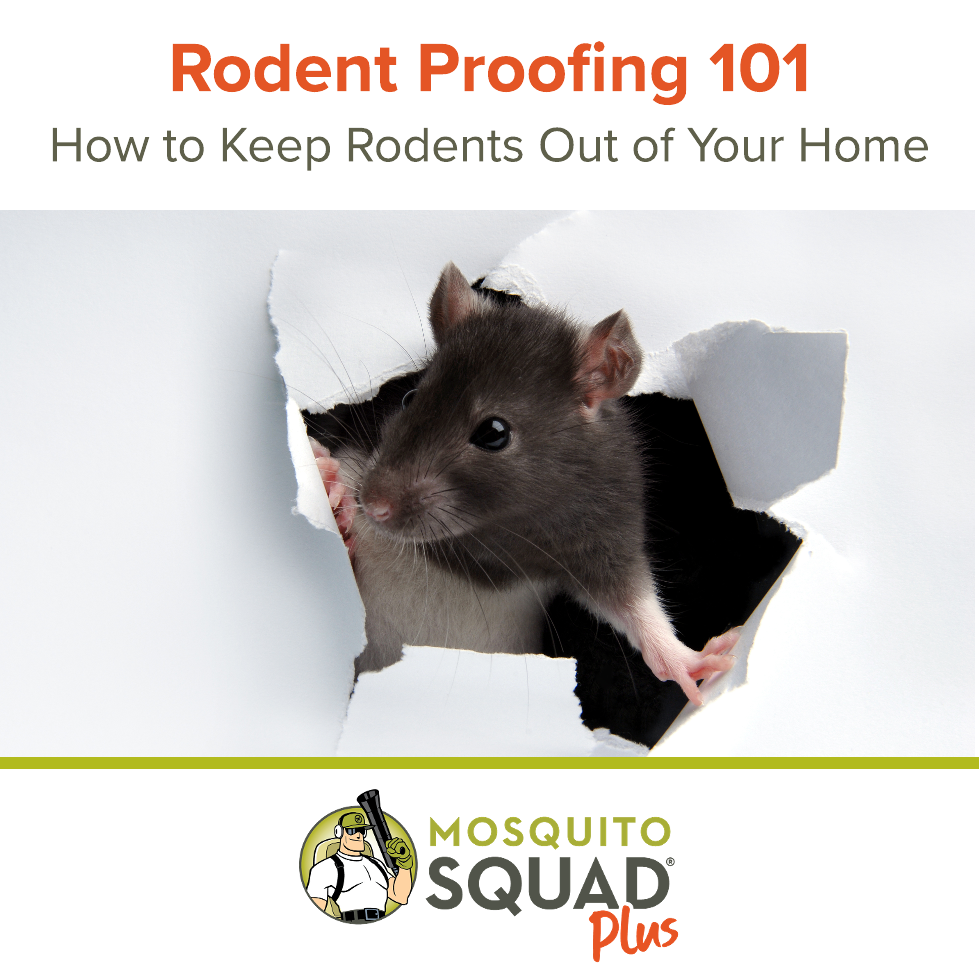
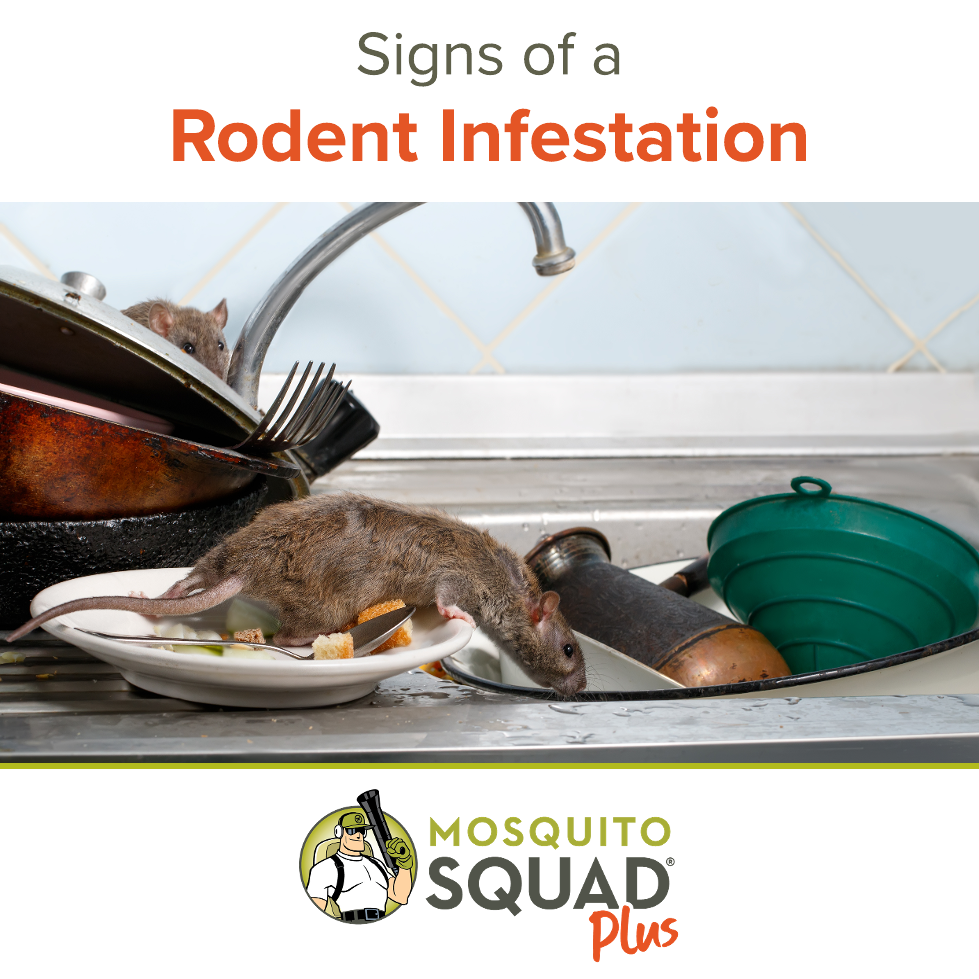
Mice and rats run their own calendar, and in North Alabama it starts around late October when nights begin dropping and the cover and food outside thin out. They do not need much of an opening. The gap under a bowed garage door, the space where the gas line enters, a crawl space vent with a corner worked loose, the point where the dryer vent passes through the wall.
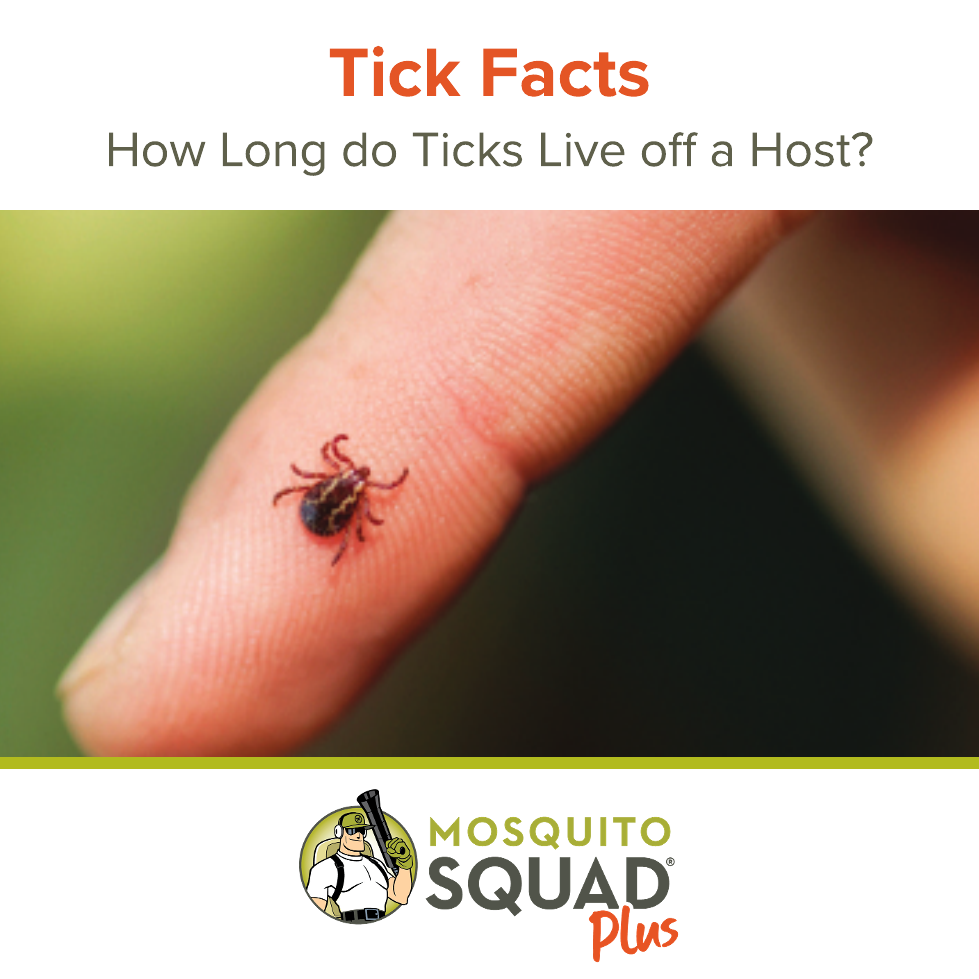
The first evidence usually arrives before the animal does. The CDC points to droppings and gnaw marks as the two signs to check for, and notes that a rodent carrying disease looks no different from one that is not, which is the reason to treat any activity as worth addressing rather than waiting to see whether it becomes a real problem. Rodents also carry ticks, mites, and fleas along with them, so a rodent issue in the wall rarely stays a single issue.
Yard conditions matter more than people expect. The EPA recommends removing nesting sites from the property, specifically naming leaf piles and deep mulch. That guidance lands hard in North Alabama, where deep pine straw beds run right up against the foundation on a great many properties and get refreshed every fall, right when rodents are shopping. Pulling those beds back from the wall and keeping firewood off the ground and away from the structure removes harborage that sits within a few feet of the entry points. Our rodent control work starts with finding the openings and the harborage together, because closing one without the other tends not to hold.
Spiders follow all of this. As other insects mass around eaves and doorframes, spiders move to where the food is, which is why webs multiply in garages, porch corners, and window frames through September and October.
Which Huntsville Properties Take the Most
Pressure is uneven street to street, and the differences track a short list of features. A pale exterior. A wall that takes direct afternoon sun. Kudzu, untended brush, or crop ground within a few hundred yards. Deep mulch or pine straw against the foundation. An older outbuilding or a crawl space with gaps at the vents.
Homes on the wooded east side toward Jones Valley and the coves catch the vegetation side of that list. Newer construction out through Madison and Harvest catches a different piece of it, since a lot of it is finished in light siding and sits within sight of ground that was in crops recently. Two houses a quarter mile apart can have completely different falls depending on which of those boxes they tick.
Ten minutes outside will tell most of the story. Walk the west and south walls in the afternoon and look at the fascia and gutter line rather than only at eye level. Check where the siding meets the foundation and where the mulch or pine straw sits against it. Look at the crawl space vents and the corner of the garage door. Note what is growing in the first hundred yards beyond the fence, and whether any of it is kudzu.
The practical read is that this is a property level question rather than a neighborhood level one. A walkthrough that looks at siding color, sun exposure, what is growing behind the fence, and where the mulch sits will predict the fall better than a zip code will.
Closing the Building Before the Push
Exclusion is the foundation and September is the month for it. Caulk gaps around windows, doors, and utility penetrations. Replace worn weatherstripping and door sweeps. Screen attic, gable, and crawl space vents. Pay attention to the fascia and gutter line, since kudzu bugs work the high edges of a house rather than only the low ones, which is the opposite of where most people look. For rodents, small holes take steel wool packed tight and set in caulk, and larger ones take hardware cloth or metal.
The second layer is a treated exterior barrier, and its value is that it hits the surfaces these pests stage on before they get in. A perimeter application concentrated on the walls that hold afternoon heat, the eaves, the fascia line, foundation edges, and entry points reduces the insects gathering on the outside of the house during the weeks they are looking for a way through. Our Home Shield plan is built around the structure itself, covering the foundation, windows, vents, and entry points against rodents, spiders, roaches, and the common fall invaders on a recurring schedule.
For properties also carrying fire ant and yard pressure, the Complete Home and Yard program layers full yard management on top of the structural work, which fits the North Alabama pattern where the outdoor season has not finished when the indoor one starts. Whichever program fits, the sequencing holds: seal first, treat the exterior second, and keep the visits running through the overlap so the barrier is fresh in the back half of October. All of it carries our satisfaction guarantee.
Spraying the insects after they are inside is the option that disappoints people most reliably. They tuck into voids where the product does not reach, they keep trickling out for weeks, and a vacuum handles what is visible without touching the supply still working in from outside. Vacuuming is the right tool for a windowsill and the wrong tool for the problem.
A North Alabama Fall Timeline
September is the build month. The weather is still comfortable enough to work outside, nothing has massed yet, and this is the stretch to walk the exterior, close the gaps, pull the mulch back, and get the first exterior treatment established. Every hour spent here is worth several in November.
October is when it all lands at once. Kudzu bug migration opens mid month, stink bugs and lady beetles work the warm exposures, fire ant mounds surface after the first cool wet spell, and rodents begin testing the foundation. In a warm year, mosquito treatment is often still running at the same time. This is the overlap that defines fall here.
November and early December carry the tail. Kudzu bug movement can continue into early December, adult insects that got inside go dormant in the walls, and rodent activity settles into whatever it found. Fall coverage is the first thing most households drop and the piece that decides how the winter goes.
Late winter brings the delayed bill. Stink bugs, lady beetles, and kudzu bugs that made it into your attic wake on the first warm days and turn up at the windows, which reads like a brand new problem. It is the same population from October, surfacing months later, and by then there is no practical way to reach it inside the wall.
Where to Start This Month
The North Alabama fall is predictable enough to plan around even though it is messier than the version farther north. The season does not close down. It stacks, and the households that come through clean are the ones that treated the structure as the line and got to it before the middle of October rather than after.
If your house is light colored, catches afternoon sun, sits near kudzu or open ground, or has pine straw banked against the foundation, you are on the heavier end of that curve. You can see the full range of communities we cover on our areas we service page, and our post on what severe weather leaves behind covers how North Alabama weather drives the warm season side of the same property. To get a walkthrough before the migration opens, contact our Huntsville team or call (256) 907-8493 for a free estimate.