What is screwworm?
Posted by Mosquito Squad Plus
June 29, 2026
You may have seen the headlines this year. Screwworm has returned to Texas and the governor made a disaster declaration. You may have also heard talk of how it’s going to affect livestock and even pets. So the logical question you probably have is: what do I need to know?
If you keep animals around Houston, or if you just saw the news and you're starting to feel worried, it’s worth slowing down and getting acquainted with the straight facts.
The facts, thankfully, are not as scary as the headlines. So here's the plain version of what New World Screwworm is.
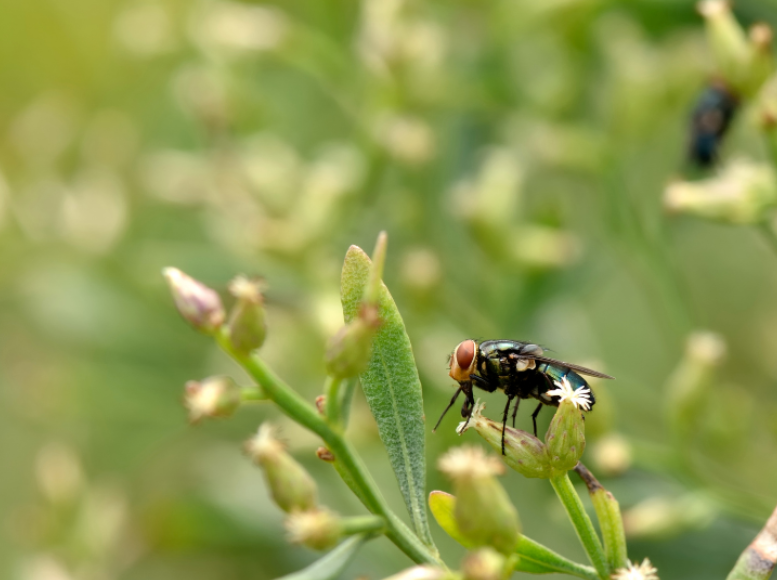
Screwworm is a fly, not a worm
“Screwworm” is kind of a misnomer. They’re actually flies, not worms.
The New World Screwworm fly lays its eggs in or near the open wounds of living, warm-blooded animals, and sometimes in soft tissue around the eyes, nose, ears, or mouth. The eggs hatch into larvae, and here's the part that makes this pest different from the ordinary maggots you might find on something dead: these larvae feed on living tissue. Once established, they burrow inward, like screws, hence the name. Left untreated, the wound grows worse, attracts more flies, and can become serious or even fatal for the animal.
It mainly affects cattle and horses. But it can also infest pets, wildlife, and, far less commonly, people.
Those are the bare facts and they’re unpleasant. But there’s more context to understand and it’s the kind that will likely bring your blood pressure back down.
Why screwworm is news in Texas
Screwworm used to be an issue in the U.S., but it was wiped out about 60 years ago. This was done through the release of sterile male flies into the wild. Females only mate once in their short lives, so if they do that with males that can’t reproduce, they’re not able to make eggs that will hatch. It worked, and it got rid of the screwworm for a long time.
In 2026, the screwworm has returned. A federal official confirmed the first U.S. animal cases in about six decades, in South and Central Texas counties, along with a case in a pet dog just over the line in New Mexico. Because of the long history with screwworm and the need to take immediate action, the governor issued a disaster declaration. The USDA then went back to its old playbook—the one that worked sixty years ago—of releasing tens of millions of sterile flies a week to push the outbreak back.
For perspective: the confirmed cases have been well to the south and west of Houston, not in the city. This is a "stay informed and take sensible precautions" situation for most Houston-area owners.
Separating fact and fiction about screwworm
There is a lot of noise in the media right now. So here, we’ll address a few common concerns that come up:
- It is not a food-supply concern. The USDA has confirmed screwworm does not affect meat or the U.S. food supply.
- It is not contagious the way a cold is. Screwworm doesn't pass directly from one animal to another, or from animals to people. It spreads only when the fly reaches an open wound and lays eggs.
- Human risk remains low. People can be affected in rare cases, but no locally acquired human infestations have been reported in the U.S. during this outbreak.
You and your family are not at risk of screwworm. Your pets are likely not either, although you should keep an eye on any open wounds. The animals that are at risk are largely those on farms, and even then, it’s primarily the ones with fresh wounds or recent procedures that need to be monitored.
What you should do about screwworm
If you have cattle, horses, or other livestock on acreage outside Houston, it would be a good idea to start running daily wound checks. If you find any wounds, prompt wound care is your best friend right now. Your vet will be the right person to give treatment and help with animal-level screwworm prevention. If you've got dogs, cats, or backyard animals, the same logic applies on a smaller scale: keep an eye on cuts and scrapes, and loop in your vet with any concerns.
As for your property, it helps to reduce fly pressure around your home, barn, and pens. That can reduce fly encounters in general. That's where we can help. Mosquito Squad of Houston offers perimeter and fly control treatments that help reduce fly activity around a property, and commercial services for larger operations.
Do you have questions about reducing fly issues around your property? Mosquito Squad of Houston backs every visit with a 100% satisfaction guarantee, and we'll get your first treatment done within 48 hours, or it's free. Call (713) 597-4202 to get started.
To report a suspected screwworm case in Texas livestock, contact the Texas Animal Health Commission at 1-800-550-8242. For federal updates, visit screwworm.gov.