Getting a Fort Mitchell Home Ready for Winter, From the Foundation to the Roofline
Posted by Mosquito Squad Plus
October 30, 2026
Reviewed by Brandon Robertson
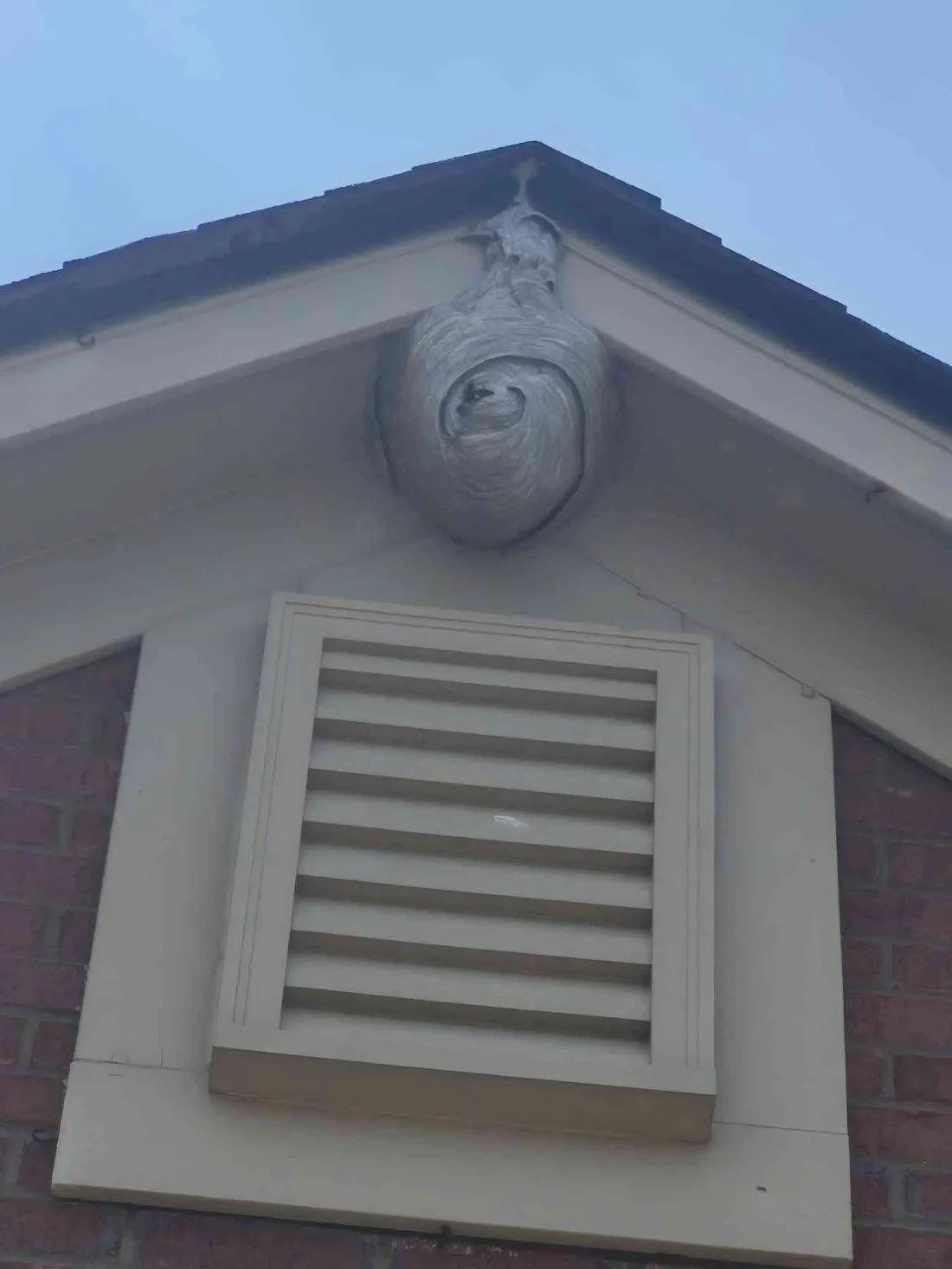
Fort Mitchell's older streets are broad and tree-lined, and once those trees let go in the fall, the rooflines look different than they have since spring. A gray paper nest under the eave over the driveway. An old one tucked into the corner where the chimney meets the house. Most of them went up months ago. The leaves were just hiding them.
That moment is a good prompt to look at the whole house, not just the nest. Getting a home ready for a Kentucky winter is mostly a fall job, and it goes best when you think about the property in layers: the foundation, the yard edges that don't fit the usual pattern, and the roofline nobody looks at until the canopy thins out. That's how we approach pest control in Fort Mitchell, KY this time of year, and it's how one of our long-time customers here already thinks about it.
The Customer Who Writes In Every Fall
One of our Fort Mitchell customers has been with us since 2018. Every fall, a message comes into the office asking for the same thing: the house perimeter winterization they get every year. It's part of how that household closes out the season.
We like that habit for a simple reason. It turns the perimeter visit into a planned job instead of a reaction. Somebody decided ahead of time that the outside of the house gets attention before winter, and then made it a routine instead of a decision they have to remember to make each year.
In plain terms, that visit is a fall perimeter treatment around the house: a focused pass along the outside of the structure at the end of the season. If you want to know which pests are pushing toward Northern Kentucky homes once the nights cool off, our post on how fall invaders and rodents push into Northern Kentucky homes covers the pests themselves. This one is about the practical side of the house: what gets looked at, where, and how you can steer it.
Why Fort Mitchell Rooflines Hold So Many Nests
Fort Mitchell's older neighborhoods weren't built from a handful of floor plans. The town's early development concentrated along Dixie Highway, and a 1904 streetcar route via Lexington Pike linked it to Covington. The National Register survey of Fort Mitchell describes what got built in the decades that followed: Colonial Revival homes, Foursquares, bungalows, and Tudor Revivals, with most of the historic-district houses faced in brick or stucco. Two of the town's neighborhoods, the Old Fort Mitchell Historic District and the Beechwood Historic District, are both listed on the National Register.
That same survey reads a little like a list of places wasps like to build. The Craftsman-influenced houses have broad overhanging eaves with exposed rafter tails, and the bungalows often have knee braces tucked up under the roofline. The Colonial Revivals carry dormers and decorative cornice work. The Tudors have steep gables, and their chimneys are often the centerpiece of the front of the house, frequently elaborate, with multiple flues.
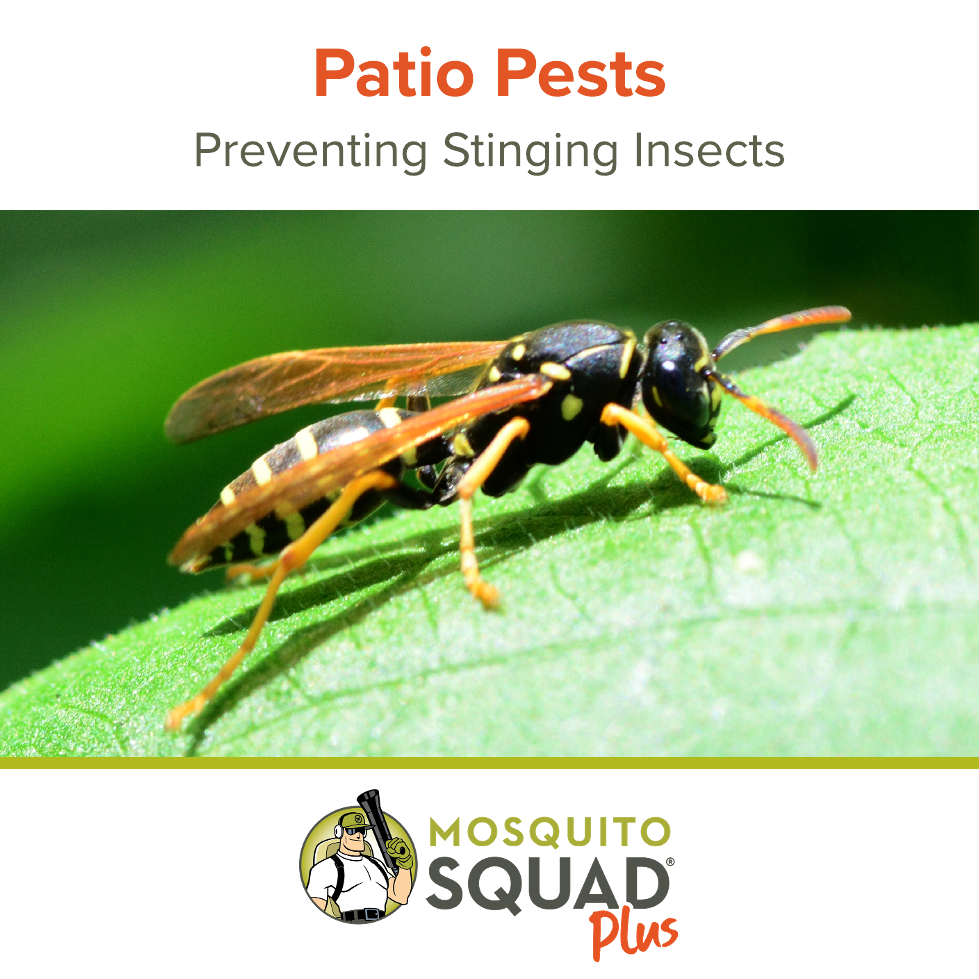
Now compare that to how the University of Kentucky describes paper wasp habits: umbrella-shaped nests in protected spots under eaves, gutters, and ledges. Every rafter tail is a ledge. Every knee brace makes a dry pocket. Where a chimney meets the wall, there's a sheltered corner on each side. Multiply that across a two-story roofline and an older Fort Mitchell home can offer a lot of candidate spots before you ever get to the gutters.
It's a different story than the one we see farther south. Our post on why wasp nests in Union cluster by construction year looks at how whole neighborhoods built in the same few years start aging, and attracting wasps, at the same time. Fort Mitchell's version is older and less uniform. It comes down to the architecture of each house. The detail that makes these homes worth looking at from the street is the same detail that keeps a tech looking up.
Starting at the Foundation
The first layer is the ground floor of the house, and a fair amount of it is in your hands before anyone from our office shows up. Fall leaves drift against foundations, especially along whichever wall takes the brunt of the wind. Mulch beds creep up over the bottom course of brick. Firewood gets stacked against the back wall because that's where it's easiest to grab in January.
None of that is unusual, but all of it gives insects shelter right where the house meets the ground. Pull leaf piles back from the foundation, keep mulch below the brick or siding line, and move firewood out into the yard. Our standing advice for Northern Kentucky homes is to keep stacked firewood at least 20 feet from the house. Those small chores make the fall perimeter treatment work better, because the tech is moving along a clear foundation instead of around piles of debris.
The Yard Edges That Don't Follow the Pattern
No two lots get treated exactly alike, and the tech is constantly adjusting to what's actually in the yard. The fall is a good time to see why.
One property on these routes has a sump pump sitting near the fire pit, and on that side the tech treats outside the fence line there. Another is a very deep lot, and the treatment runs all the way back behind the tree line. Deep lots have a history here. A 1910 plat in Fort Mitchell laid out lots averaging 100 feet of frontage and 200 feet of depth, according to the same National Register survey, and you can still feel that scale walking the older blocks.
Over in Edgewood and Crestview Hills, a lot of back yards are built around pools. Traditional barrier treatments are still on the schedule in early November for the yards that run them. None of these calls show up on a brochure. They get made on site, by someone looking at that yard in person and working out where its edges really are.
Telling the Tech Where to Look
This is the part most homeowners don't realize they can control. If there's a spot you want the tech to pay attention to, text or call the office, and it gets added to the appointment notes. The corner by the back steps. The gap under the deck. The nest you spotted over the garage when the leaves came down.
That simple loop does a lot of work. A tech can cover a property thoroughly, but you live there. You know which window always has bugs on the sill and which corner of the patio stays damp. Those details are worth sending in, and they come through the office and land in the appointment notes before the visit.
It also matters when something changes between the day you book and the day the truck pulls up. That's exactly what happened on one of the stinging insect jobs on these routes, which brings us back to the roofline.
What an Old Nest Tells You
When the canopy thins out, the nests show up, and many of them are winding down by then. The University of Kentucky's entomology program lays out the life cycle: new queens and males are produced in late summer and early fall, the mated queens leave for winter shelter, and the workers die off through the fall. The old nest isn't reused. Other queens may still pick the same site to build their own, though.
That last part is the useful one. An old, empty nest you can see from the yard after the leaves drop is a marker. It tells you which spot on your house the queens liked. Mississippi State's extension entomologists note that paper wasps often build under eaves and in other spots protected from rainfall, and a second-story eave fits that description.
The queens from an old nest aren't in it anymore. North Dakota State University explains that once the colony dies off, only the newly mated queens survive, tucked into protected places like tree bark or attics. Mississippi State adds that overwintering paper wasps can gather in attics and other building voids. And a University of Georgia entomologist has pointed out that these insects often move into nearby homes when they leave their nests in the fall. A house with a busy roofline in August is a house worth a closer look before winter.
One Job, Two Nests
On one of our routes in this part of Kenton County, a homeowner asked us to take care of a nest high on the house, wasp or hornet, up under the second-story roofline over the driveway. One of our techs, who holds his own Kentucky pesticide license and runs Kentucky routes about 90 percent of the time, handles our wasp and hornet calls.
The next day, the customer texted. A small new nest had started on the other side of the chimney. The office added it to the same visit.
That's the whole story, and it's a good one, because it shows how this is supposed to work. The homeowner spotted something new, sent it in, and both spots got handled in one trip instead of two. It's also a reminder that a chimney has two sides, and a roofline that suits one nest can suit another.
What Homeowners Usually Try First
Most people have the same first instinct when they spot a nest: grab a can of spray from the hardware store and handle it. On a first-floor porch light, that sometimes works out. On a second-story roofline next to a chimney, it's a different job, because now it involves an extension ladder, a target you can't see well from below, and insects that can come off the nest faster than you can climb down.
The same University of Kentucky fact sheet is direct about this. Hornets are far harder and more dangerous to control than paper wasps, nests are often out of reach without a ladder, and when elimination is necessary, calling a professional is often the better move. We've written about the hornet side of this at length in our post on hornet removal in Northern Kentucky, including when a nest high in a tree and away from daily activity can be left alone.
The other common move is sealing up the hole where insects have been going in and out. That one can backfire if there's still activity behind the opening. The Connecticut Agricultural Experiment Station notes that yellowjackets flying around inside a home in the fall can point to a nest in a nearby wall cavity, and its advice is not to plug the access hole. Our post on yellow jackets in the wall in Independence walks through why.
What Actually Works
The approach to pest control in Fort Mitchell, KY that holds up is the one the long-term customer at the top of this post already follows. Get the fall perimeter treatment on the calendar every year. Keep the foundation clear. Look up when the leaves come down, and send anything you find to the office so it lands in the notes.
When a nest is active, or you aren't sure whether it is, let a licensed tech take it. Wasp nest removal in Northern Kentucky is a call our office takes all season long, and our wasps, hornets, and yellow jackets page covers the different kinds of nests and our stinging insect service. Don't assume a nest is dead in November just because the weather turned. A warm stretch can keep a shrinking colony going longer than you'd think, so if you aren't sure a nest is empty, have a tech look at it.
If you'd rather have the outside of the house covered all year instead of once a fall, there are two ways to do it. Home Shield treats around the foundation, windows, and vents on a recurring schedule, with wasp treatments as needed. The Complete Home and Yard program adds yard coverage and keeps an eye on the property through the winter months, with targeted treatments as needed. And if summer mosquitoes are the bigger fight in your yard, our post on what the hills of Fort Mitchell have to do with mosquito season covers that side of the property.
Rain, Dry Time, and Re-Treats
The rain question comes up a lot in the fall, so here's the straight answer. We don't treat during active rain. The products need time to dry on the surface, and once they've dried they're rainfast, so rain after that point doesn't wash the treatment out. If rain moves in after a treatment and you're still seeing activity 72 hours later, call the office and we'll come back out for a complimentary re-treat.
When to Get on the Calendar
Earlier in the fall is better. We'd recommend booking before the first real cold snap, especially if you're starting the habit for the first time. The National Weather Service office in Wilmington puts the normal first freeze at the Covington airport around October 25, but it's a moving target. In about one year out of ten, the first freeze hasn't arrived by November 5. That variation is part of why stinging insect activity often runs into November here, and why it's better to book by the calendar than to wait for the cold.
If you're reading this in November and your visit hasn't happened yet, it's still worth a call. At minimum, it gets the outside of the house looked at and gets your roofline spots into the notes. Keep those spots in mind past winter, too. Texas A&M's entomologists explain that mated paper wasp queens overwinter and come out in spring to start small new nests, often under the eaves of homes. The spots you notice now are the ones worth watching in spring.
Getting Your Fort Mitchell Home Ready
Pest control in Fort Mitchell, KY in the fall comes down to a few habits: a planned perimeter visit, a clear foundation, a look at the roofline once the leaves drop, and a quick text to the office when you see something. The customer who has been with us since 2018 and writes in every fall isn't doing anything complicated. They're just doing it every year, on purpose, before winter decides for them.
We've been treating yards across Northern Kentucky since 2013, and Fort Mitchell, Edgewood, Crestview Hills, and neighboring Fort Wright are all on our Kenton County routes. Our recurring programs are backed by our satisfaction guarantee. You can read what our Northern Kentucky customers say about us, see why homeowners choose Mosquito Squad Plus, or check the full list of areas we service. When you're ready to get on the fall schedule, call Mosquito Squad of Northern Kentucky at (859) 222-7345 or request a free quote online.