Fall Invaders and Rodents Push Into Northern Kentucky Homes as the Nights Cool
Posted by Mosquito Squad Plus
July 27, 2026
The lady beetles find the west wall first. On the kind of warm October afternoon that follows the season's first cold night, they settle onto the sun-warmed brick and siding of homes along the wooded ridges above the Ohio River, gather by the dozen, and start probing for the gap that gets them inside. By the time a homeowner in Fort Mitchell or Fort Thomas notices the orange specks on the storm door, the stink bugs are usually already in the attic.
That handoff, from a summer of mosquitoes and ticks to a fall of insects trying to move indoors, is the part of the Northern Kentucky pest year most homeowners underestimate. The yard goes quiet, the evenings get pleasant, and it feels like the pressure is over. It has only changed shape. The same properties that fought mosquitoes off the tree line in July spend October watching beetles crawl up the siding and mice test the gaps around the dryer vent.
Two different groups of pests are on the move once nights drop into the 40s: overwintering insects looking for a warm place to sleep, and rodents looking for a warm place to live. They enter the same house through many of the same openings, and the fix for both starts on the outside before the first hard cold snap.
What Changes in a Northern Kentucky Fall
Shortening days do most of the work. As daylight fades and nighttime temperatures fall, a specific set of insects begins hunting for shelter to survive the winter as adults. Entomologists at Ohio State University describe the trigger neatly: a cold snap followed by a warm spell sends the adults dispersing on their wings in search of overwintering sites, and the warmest, most inviting sites they find are often the walls of a house.
The geography here makes that worse. Ohio State's extension entomologists have flagged the heaviest fall home-invader pressure in the southwest and southern parts of Ohio, the counties that sit directly across the Ohio River from Kenton, Boone, and Campbell. Insects do not read county lines. The same corridor that produces the reports across the river runs straight through Northern Kentucky, and homes in Covington, Newport, and the river towns feel it on the same schedule.
Then there is the housing. A lot of Northern Kentucky sits on older building stock, and older homes have more of what an overwintering insect needs: gaps behind fascia, worn soffit vents, loose corner molding, and mortar joints that have opened up over a century of freeze and thaw. A newer subdivision has fewer entry points than a hundred-year-old home in Latonia with original trim. Both get pests. The old ones just leak more of them indoors.
The Insects That Pick the Sunny Wall
Warm afternoons draw these insects to one part of a building in particular. Extension specialists at Michigan State University point out that fall invaders gravitate to the south and west sides of homes because those are the warmest walls, then crawl upward until they find a crack to squeeze into. Some slip into the living space. Most end up in the wall cavity or the attic and go dormant until spring.
The brown marmorated stink bug is the one most people notice. A shield-shaped invader from Asia, first found in the United States in Pennsylvania back in the 1990s, it turns up on doors and windows every fall and works its way into attics and wall voids. The numbers can get absurd. According to a USDA-funded research project, some houses have taken in more than 25,000 of them, with roughly sixty percent of an invading population ending up in the attic.
The multicolored Asian lady beetle is the second regular. Brought to North America to eat crop aphids, it is now a fall fixture, and it clusters worst near woods because it feeds on the sap-eating insects that live in trees. That detail matters in Northern Kentucky, where the Asian lady beetle pressure runs heaviest along the wooded ridges and tree-lined lots in places like Crestview Hills. Ohio State recorded its first big regional outbreak in October 1993 and a strong rebound in 2013 concentrated in the southern part of the state.
Two more round out the group. Boxelder bugs, red-striped and narrow, host on female boxelder and maple trees and cluster on warm walls before slipping in through soffits and window cracks. Cluster flies, which look like a slightly larger, sluggish house fly, overwinter in attics and wall voids and then buzz at the windows on the first warm days of late winter, which is why homeowners find cluster flies indoors in February and assume something is breeding. Nothing is. They have been there since fall. Their larvae develop by parasitizing earthworms in the soil, which is why cluster flies gather around older properties with established lawns more than around new construction.
These insects look alarming in a crowd, but they are mostly harmless. They do not bite in any meaningful way, they do not chew the house, and they do not breed indoors or spread disease. Michigan State and the USDA project both confirm that overwintering fall invaders neither feed nor reproduce through the winter. The problem is numbers, odor when crushed, and the stains they leave on light-colored walls and curtains. A house with a few dozen is a nuisance. A house with a few thousand is a miserable winter.
Why This Hits Some Streets Harder
Not every property in a neighborhood gets the same load, and the difference usually comes down to what is next to the house. A lot backing to woods, a mature maple in the yard, a west-facing wall in full afternoon sun, light-colored siding that holds heat: those are the features that turn one home into a landing strip while the neighbor two doors down stays mostly clear.
Northern Kentucky has all of those features in abundance, stacked in ways that concentrate pressure. The ridgeline communities above the river valley combine wooded edges with elevated, sun-exposed walls. The older river towns pair a century of siding gaps with dense tree canopy. A home in Erlanger or Independence that sits at the tree line will see more beetles than an open lot in the same subdivision, simply because the woods are the pantry these insects feed in before they look for a bed.
Spiders come along for the ride, which surprises people. As other insects mass on the walls and around the eaves, spiders follow the food, which is why webs multiply in garages, porch corners, and window frames through September and October. It is one pest problem feeding another, and it is a reason a fall plan that only targets the beetles tends to leave gaps.
The Other Thing Moving In
Rodents work the same calendar for different reasons. As the weather cools and the food and cover outside thin out, mice and rats start testing the exterior of every heated building for a way in. The University of Kentucky notes that the house mouse and the Norway rat both live in close association with people and readily move indoors, and the Northern Kentucky pest calendar bears that out: rodents start hunting for entry points in earnest by late October.
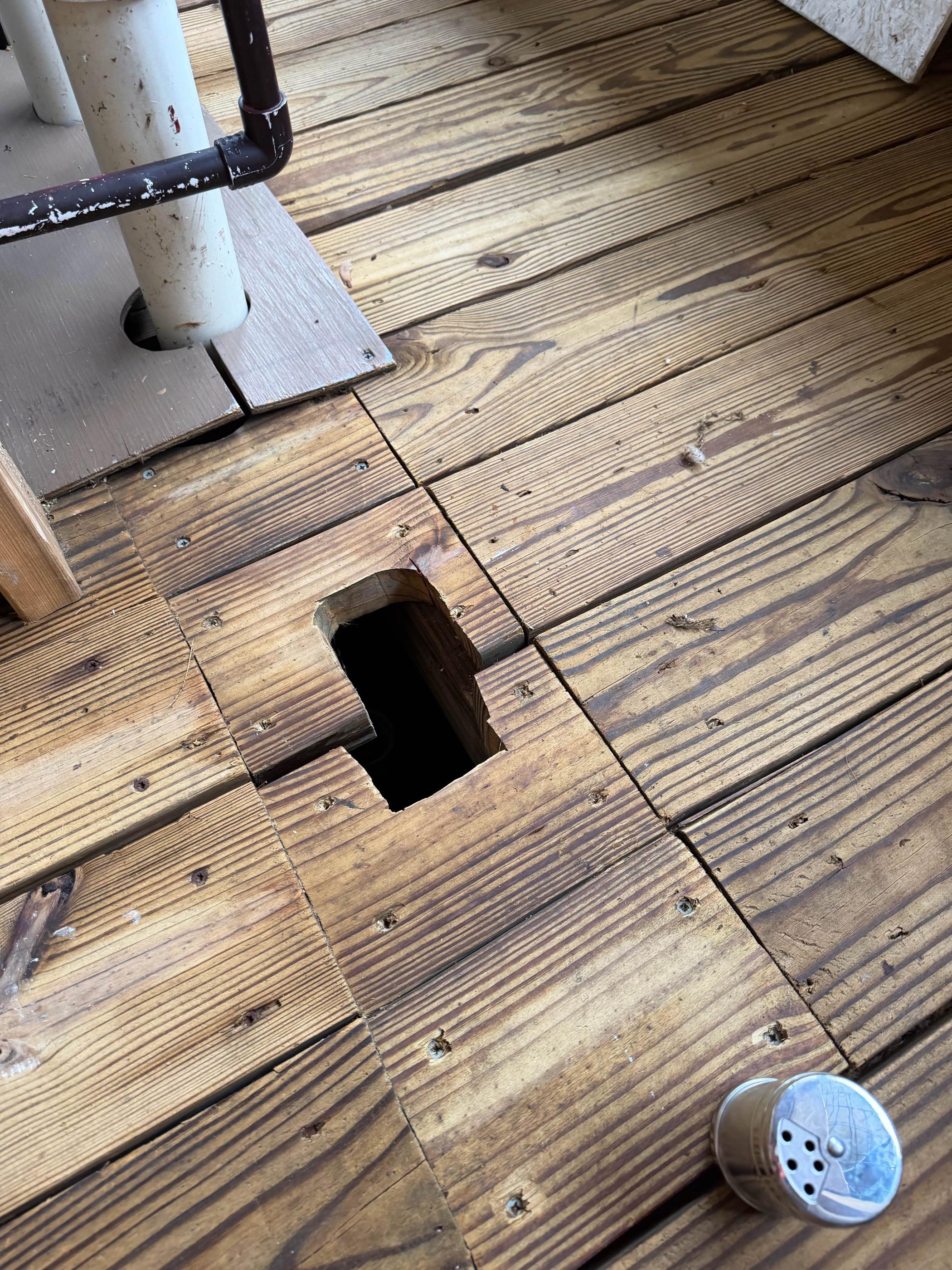
They need very little room. The CDC puts it in terms anyone can check against pocket change: a mouse can slip through a hole the size of a nickel, and a rat can work through one the size of a half dollar. The National Park Service draws the practical line at sealing any gap wider than a quarter inch. Walk the base of an older Northern Kentucky home with that number in mind and the entry points are not hard to find: the gap under a bowed garage door, the opening where the gas line enters, the worn corner of a crawl space vent.
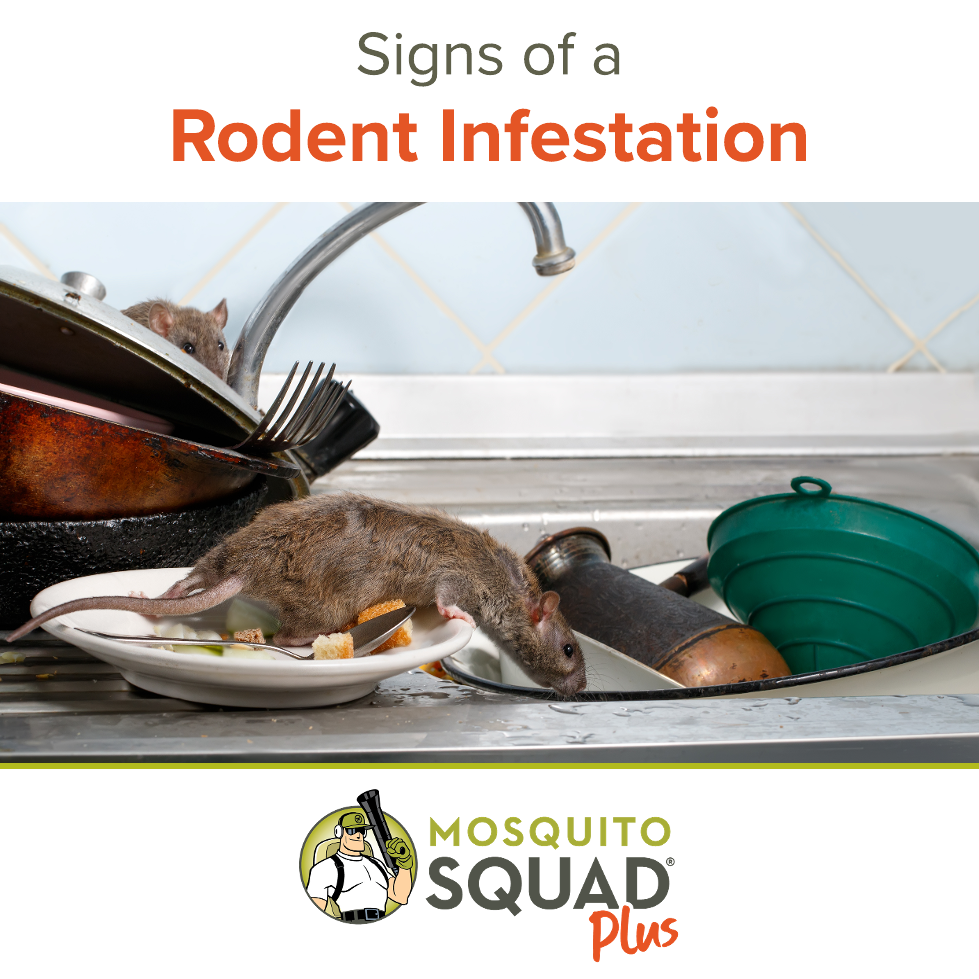
The reason to care is not squeamishness. Rodents contaminate food and gnaw wiring, and they carry pathogens. The CDC and the National Park Service both list salmonellosis and leptospirosis among the illnesses associated with mice and rats, the latter spread through contact with urine-contaminated water, which is a real consideration in a river region with older basements and crawl spaces. There is no cause for alarm here, just a reason to keep them out of the walls before they settle in. The first signs usually show up before you see the animal: droppings along a baseboard, gnaw marks on a box, a scratching sound in the ceiling at night. Our own rodent control work starts with finding those signs and the openings behind them.
If the interior-versus-exterior split sounds familiar, it is the same logic that drives commercial buildings, only smaller. We walked through that at length in our look at commercial pest control near the CVG corridor, where dock doors and constant truck traffic keep the interior exposed. A house is not a warehouse, but a hundred-year-old one has more accidental doors than most owners realize.
Why Interior Spraying Backfires
Once the beetles are inside, the reflex is to reach for a can and spray them. Interior insecticide is close to the least effective option available. Extension programs are consistent on this point: overwintering insects tuck into cracks and voids where sprays do not reach, they keep trickling out for weeks, and dead insects in a wall cavity can draw carpet beetles that create a second problem. Spraying the ones you can see does nothing about the thousands you cannot.
Vacuuming is better, within limits. A vacuum handles the visible population on a windowsill or a ceiling, and for stink bugs and lady beetles it is the recommended way to remove them without triggering the odor and the staining fluid they release when crushed. But it is only cleanup. It empties the room without touching the supply still working its way in from the sunny wall outside, so the room fills back up in a day or two.
The most common mistake is timing, not method. Waiting until the insects or the mice are inside means the work has already failed, because the openings are found and the shelter is chosen. The homeowners who stay ahead of it treat the outside of the house as the line that matters and get to it before the weather turns. General tips for keeping bugs out all circle back to the same idea, and it is the same idea whether the pest has six legs or four.
Sealing First, Then the Exterior Barrier
Exclusion is the foundation, and late summer through early fall is the window. Sealing is unglamorous and it is the highest-value hour you will spend on this: caulk the cracks around windows and doors, replace worn weatherstripping and door sweeps, screen the attic and crawl space vents, and close the gaps where pipes, cables, and gas lines pass through the wall. For rodents specifically, small holes take steel wool packed tight and set in caulk, and larger ones take hardware cloth or metal. Every gap you close in September is a gap that is not letting anything in come November.
The second layer is a treated exterior barrier, and it earns its place by hitting the walls the insects target. A perimeter application concentrated on the south and west sides, the eaves, the foundation line, and the entry points knocks down the beetles and bugs staging on the siding before they find their way in, and it keeps working for weeks after. This is where a professional program does what a homeowner with a caulk gun cannot, treating the surfaces where the insects gather at the height of the season. Our Home Shield plan is built around exactly this, protecting the foundation, windows, vents, and entry points against rodents, spiders, and the common fall invaders on a recurring schedule.
For properties that also carry heavy yard pressure, the fuller Complete Home and Yard program layers full yard management on top of the structural work, which suits the wooded lots where lady beetles and boxelder bugs come off the trees in volume. Either way, the sequencing is the same. Seal first, then treat the exterior, then keep the recurring visits going through the transition so the barrier is fresh when the first warm-afternoon-after-a-cold-night push arrives. All of it is backed by a satisfaction guarantee, which matters most on seasonal work where timing is everything.
The Fall Calendar for Northern Kentucky
September is prep month. The weather is still comfortable, the insects have not massed yet, and it is the ideal stretch to walk the exterior, close the gaps, and get the first exterior treatment down. Doing the sealing now, while you can work without a jacket, is far easier than doing it in a cold November drizzle after the beetles have already arrived.
October is the push. Warm afternoons after cold nights bring the beetles and stink bugs to the sunny walls, and the mice begin their move indoors. A home that was sealed and treated in September rides this out as a minor annoyance. A home that was not becomes the one with lady beetles on every window and a scratching in the ceiling by Thanksgiving.
By November the outcome is mostly set. The insects that got in are dormant in the walls, and the ones that did not are dead outside. Cluster flies and stink bugs that reached an attic will resurface at the windows on the first warm days of late winter, a delayed reminder of what the exterior did or did not stop back in the fall. There is no practical way to reach them in the walls that late, which is why the work has to happen before the cold does.
Getting Ahead of It
The pattern in Northern Kentucky is dependable enough to plan around. Mosquito and tick season winds down, the evenings turn, and the pressure moves from the yard to the structure as insects and rodents both look for the same thing your house is offering. The homes that come through the fall clean are the ones that treated the exterior as the line and got to it early, not the ones that waited for the first ladybug on the storm door.
If your property backs to woods, sits on a ridge, or carries the older building stock common across the region, you are on the higher-pressure end of that curve, and it is worth getting a plan in place before the season turns. You can see the full range of communities we cover on our areas we service page, and you can read more on how our approach works on the why choose us page. To get a walkthrough before the season turns, call Mosquito Squad of Northern Kentucky at (859) 222-7345 for a free estimate.