Ticks Don't Need a Tree Line to Reach Your Knoxville Yard
Posted by Mosquito Squad Plus
August 27, 2026
Ticks turn up every summer on Knoxville properties that have no business having them. Flat lots, mowed weekly, fenced, no tree line anywhere on the block. Somebody comes in from cutting the grass, gets in the shower, and finds several of them around the sock line. Then the dog has them too. Then it happens again the next weekend.
The usual explanation does not fit. Everything written about tick control tells you the risk lives at the wooded edge, and if your yard has no wooded edge, the advice runs out. We have written that version ourselves for the parts of the county where it is the right answer.
Inside the city it stops being the right answer. Our crews have been reporting a steady increase in deer moving through neighborhoods across Knoxville proper over the past few seasons, on streets where nobody would have expected them ten years ago. That observation is the whole story here, because of what a deer does when it stands still in your yard for twenty minutes.
Ticks Cannot Jump and They Do Not Fall Out of Trees
Ticks cannot jump. They have no wings. University of Tennessee Extension puts both of those at the top of its tick myth list because they are the two things most people believe, and the same publication is direct that ticks climb only to the tops of shorter vegetation or the base of a tree.
That matters more than it sounds like it does. A tick has almost no ability to relocate itself across a property. It crawls up a grass blade, holds its front legs out, and waits for something to walk into it.
The lone star is the exception people have heard about, and we have written about how it hunts toward movement instead of sitting still on a stem. That behavior is real and it changes where you find them in a yard. It is also measured in feet, not blocks. An aggressive tick still has to be delivered to your street by something with legs long enough to get it there.
So a tick in the middle of a mowed lawn in Sequoyah Hills did not walk there from a park. Something carried it. That is the only way it could have arrived.
The carrier is almost never the mice and chipmunks people picture, at least not for the stage that starts the problem. For the tick that matters most in Knox County, the animal that moves the adults is large, and in this city it is increasingly likely to be standing in your landscaping at dawn. Neighbors in Bearden with the same flat mowed lots describe the same thing.
What a Deer Leaves in Your Mulch Bed
A doe crosses your side yard before sunrise, works over the hostas, and moves on. She was there maybe fifteen minutes. She left nothing behind that you will see on your way to the car.
An engorged adult female tick that has finished feeding on her drops off wherever the deer happens to be standing. The University of Florida's extension entomology program describes what happens next: the female deposits her eggs in a protected location, specifically naming mulch or leaf litter, and lays roughly 5,000 of them in a single mass. UT Extension's Tennessee publication puts the figure at more than 2,000 for the species found here.
Read that again with your own yard in mind. Not a forest floor. Mulch. The bed against your foundation, the ring around the maple in the front yard, the strip along the driveway you refreshed in April.
There is no wooded edge in that sequence anywhere. The deer supplied the transport, your landscaping supplied the humidity and cover, and the property line never entered into it. Homeowners in South Knoxville and along the older streets north of the river run into this on lots that look nothing like tick habitat.
Wooded lots still behave the way we have described them elsewhere. Where ticks concentrate and where they get deposited are two separate events. On a property that backs to woods, the questing population sits at that edge and stays there, and out in Hardin Valley that edge is the whole job. On a property with no woods there is no edge to hold anything, so what you get instead is whatever walked through the night before and stopped.
It is the same logic that puts fleas in a yard that has never had a pet in it. Something with fur came through and did not stay.
Knoxville Keeps a Deer Herd Inside the City Limits
The state runs a deer-hunting Wildlife Management Area inside Knoxville city limits. That is not a figure of speech. The City of Knoxville's own parks listing confirms that Forks of the River WMA is owned by the Tennessee Wildlife Resources Agency and sits inside the city, with the paved Will Skelton Greenway running 3.5 miles through it out to Island Home.
TWRA's own description of the area lists mixed hardwood forest and crop fields, and notes that deer may be seen year-round. Hunting seasons run there from September through February. This is a working deer population with a street address in the 37920 zip code.
Forks of the River is the clearest example, not the only one. It is one node in a system of river frontage, greenway corridors, ridge remnants, and undeveloped drainage strips that runs through the whole city. Deer use those the way you use Neyland Drive.
A review published through the National Institutes of Health on the role of white-tailed deer in tick ecology describes the animal as an edge specialist that does well in suburban and exurban landscapes, with does commonly producing two fawns a year. Knoxville is a city built on ridges and river bends with green threaded through all of it. From a deer's side of the arrangement, that is close to ideal.
We are not claiming a documented count. No Knox County deer survey turned up, and we are not going to invent one. What we can tell you is what our crews report from the trucks: more deer, on more streets, in East Knoxville and West Knoxville and north through Halls, than we were seeing a few seasons ago.
Whether your street has more deer on it than it did five years ago is something you can answer better than we can. You are the one who sees your yard at six in the morning. The tick side of that has to follow, because the biology gives it no other option. Out west the pressure takes a different shape, and we covered that in the Farragut tick post. Up in Powell the mix sits somewhere between the two.
Why You Find a Dozen at Once Instead of One
Most people who have ever found a tick found one tick. Finding several in one shower is a different event with a different cause, and it is the strongest signal that what we have been describing happened on your property.
When that egg mass hatches, the larvae come out together and stay together. UT Extension describes them as roughly half the size of a poppy seed and notes that most people encounter many of them at the same time. Oklahoma State's extension entomology program is blunter, describing larvae that quest together in a mass. The University of Rhode Island's tick center says larvae latch on by the hundreds and recommends sticky tape to strip them off before they attach.
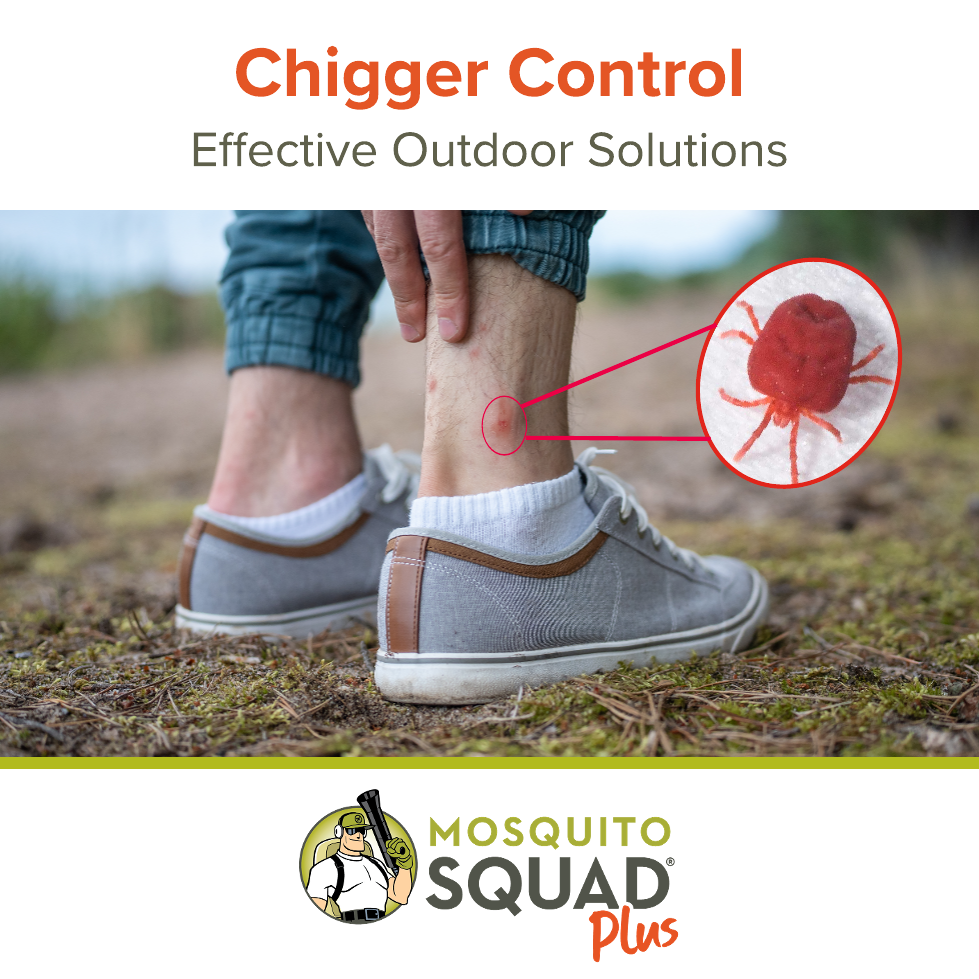
They are called seed ticks, and people routinely mistake them for chiggers, and the confusion is understandable because the two arrive the same way and bite in the same places.
Here is what it means for your yard. One tick found in June is ambiguous. It could have come home on a pant leg from Ijams or a soccer field in West Hills. Twenty of them at once in August is not ambiguous. Larvae do not travel and they do not disperse. Twenty at once means you walked through the hatch, and the hatch is where an engorged female dropped off an animal roughly a year earlier.
The lone star tick is the species doing most of this in Knox County, and it is the one behind the red meat allergy we wrote about in the Lenoir City post.
The Things in Your Yard That Are Holding Deer There
Your yard is either interesting to a deer or it is not, and that turns out to be something you have real influence over.
UT Extension's habitat guidance, written for school grounds but applicable to any managed property, lists specific actions for reducing the wildlife traffic that brings ticks in. Fence off or relocate wildlife food sources, including bird feeders and anything set out for deer. Remove or reposition fruit-bearing plants such as blackberry, persimmon, and apple to discourage feeding by host animals. Pull invasive shrubs, naming Japanese barberry, honeysuckle, and multiflora rose.
Honeysuckle is the one to look at first in this city. It is in nearly every unmaintained corner of Knox County, it holds moisture at ground level, and deer browse it. If you have a bank of it along a fence in West Springbrook or anywhere in the older neighborhoods, that is a standing invitation.
The same publication recommends replacing wood chips or mulch with gravel to cut moisture, trimming trees and shrubs to let sunlight dry the ground beneath them, and moving anything people use often into open sun. Corn or a salt block put out for deer does exactly what a bird feeder does, only more so. It parks a large animal in one spot long enough for an engorged female to finish and let go.
None of that is a substitute for treatment. It changes the odds of a female choosing your mulch bed, a different job from dealing with the ones already there. The same reasoning applies to rodent pressure, and it sits alongside the habitat argument we made about older properties in the in-town pest post.
Late Summer Is the Part That Catches People
Adults, nymphs, and larvae are not on the same clock, and the gap between them is where in-town properties get surprised.
The CDC's Emerging Infectious Diseases journal puts lone star adults host-seeking from mid-March through late June, nymphs from mid-May through late July, and larvae from July through September. Adults are the stage riding deer. Larvae are the stage that comes out of the mulch in a cluster and gets on your ankles.
That back half of the calendar is the part nobody budgets for. April is the right start date and we have said so repeatedly for the wooded parts of the county, because spring is when adults are riding hosts and when a first treatment intercepts them. Nothing here replaces that.
What a city lot adds is a second peak. The eggs those spring adults laid come off as larvae in late summer, and that window lands in the same weeks people are doing yard cleanup and kids are back at practice.
It also means one thing you can do costs nothing. Note where it happened. The spot that produced twenty at once in August is the same spot to have treated the following spring, because the eggs were laid there and the females will use it again for the same reasons they used it the first time.
Fall does not end it either. Blacklegged ticks stay active into cold weather, so pest control in Knoxville has no clean stopping point in October. Your yard is still working when the lady beetles find the sunny wall, and mosquito control in Knoxville runs later here than most people budget for.
What to Do With the One You Just Found
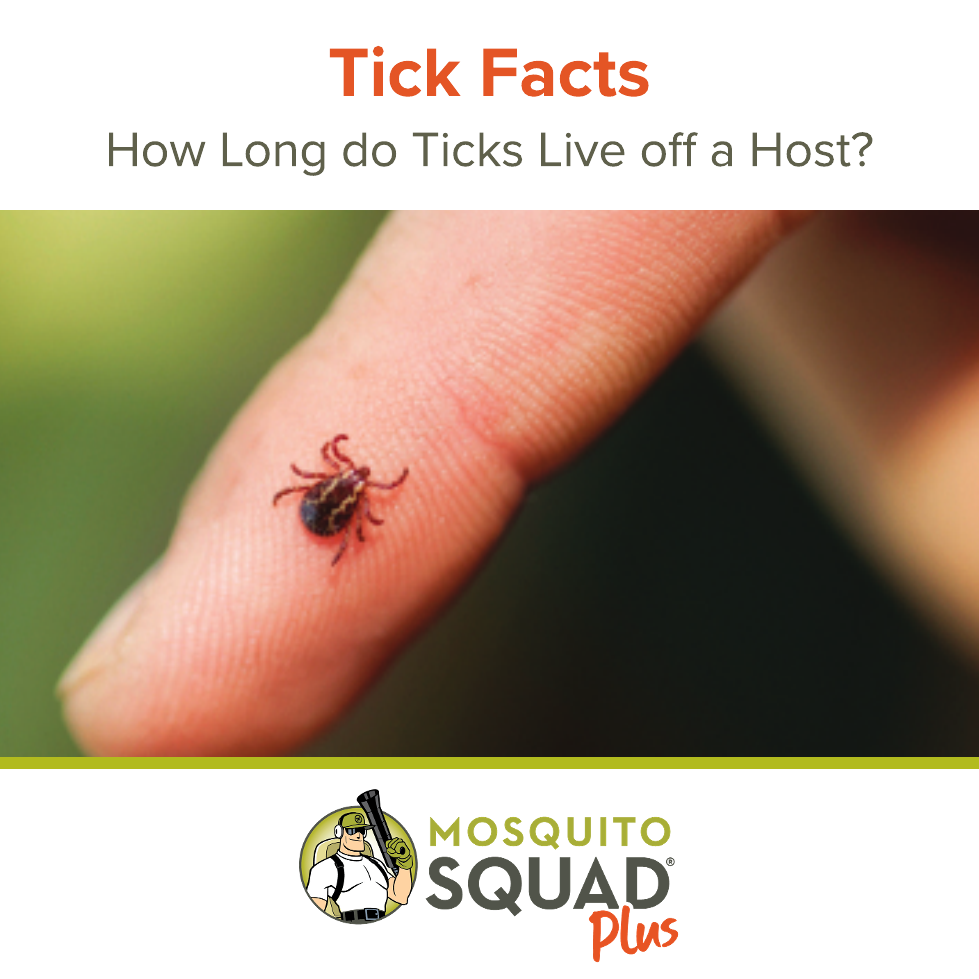
Pull it off with tweezers and save it. Those are the two moves to get right in the moment, and most people get neither.
Grasp it as close to your skin as you can without pinching yourself, then pull steadily. UT Extension is specific that you should take hold near the head, not the body, so you are not squeezing the contents of the tick into the bite while you work. Wash the site afterward with soap and water.
Then leave it alone. Do not cover it in petroleum jelly or alcohol while it is still attached, do not burn it, and do not crush it in your fingers once it is off. Extension's guidance is that each of those either raises your exposure or makes the tick inject more before it lets go. The folk remedies your neighbor swears by are on that list for a reason.
Save what you pulled off. Drop it in a sealed bag in the freezer and write the date and the person's name on the outside. If you develop symptoms in the following weeks, your doctor can use the species to narrow what to look for, and you cannot identify a tick you already flushed. Your county Extension office will identify it for you if you want to know what you are dealing with.
Watch the bite for a few days. A small red spot is a normal reaction and no cause for alarm on its own. If it spreads, or if you feel sick within a month of the bite, call someone. We are not doctors and we will not pretend otherwise on that part.
For the ones still crawling on you, an extra-sticky lint roller works better than your fingers, and it is the same trick researchers use to strip ticks off a drag cloth. Duct-taping the tops of your socks to your pant legs before you do yard work sounds ridiculous and it works, which is why the people who study these for a living recommend it. When you come inside, put your clothes straight into the dryer rather than the hamper.
Check your dog on the way in. A dog that goes out into the same mulch beds every morning is the most reliable early-warning system you have on the property, and the ear base, the armpits, and between the toes are where you will find them. If your dog is coming up with them repeatedly, your yard is the source and not the greenway. It is also the point where what your neighbors say about their own yards becomes useful information rather than small talk.
Treating a Yard That Has No Woods to Treat
Blanket-spraying an entire lawn for ticks wastes product and misses the target. UT Extension says so plainly, that it is usually unnecessary to treat wide expanses of lawn where ticks are unlikely to be, and that acaricides should go strategically into known tick habitat.
On a lot with a tree line, that instruction is easy to follow. On a lot without one, you have to know what replaced it, and our seasonal packages are built to cover the whole larval window, not one visit in June. The mulch beds. The foundation plantings. The shaded north side where the ground stays damp. Under decks and stairs. The fence line, especially where it is grown up. Behind anything that has not been moved in a year.
That is the walk we do, and it is why tick control in Knoxville on an in-town property looks different from tick control on a ridge lot. We are looking for the specific twenty square feet where a deer stands and where a female would lay, not spraying a perimeter that has nothing behind it.
For properties that need the structure covered as well, Home Shield handles the foundation and entry points alongside the yard, and Complete Home & Yard adds rodent work. Prefer a plant-based product? Ask us about the natural option when we walk your lot.
When you call, tell us where you found them and what you were doing when you did. That one detail narrows our search faster than anything else you could hand us. Reach Mosquito Squad of Knoxville at (865) 433-6638 or book a property walk and we will show you your own hatch sites.