The Lenoir City Tick That Is Turning People Off Red Meat
Posted by Mosquito Squad Plus
July 20, 2026
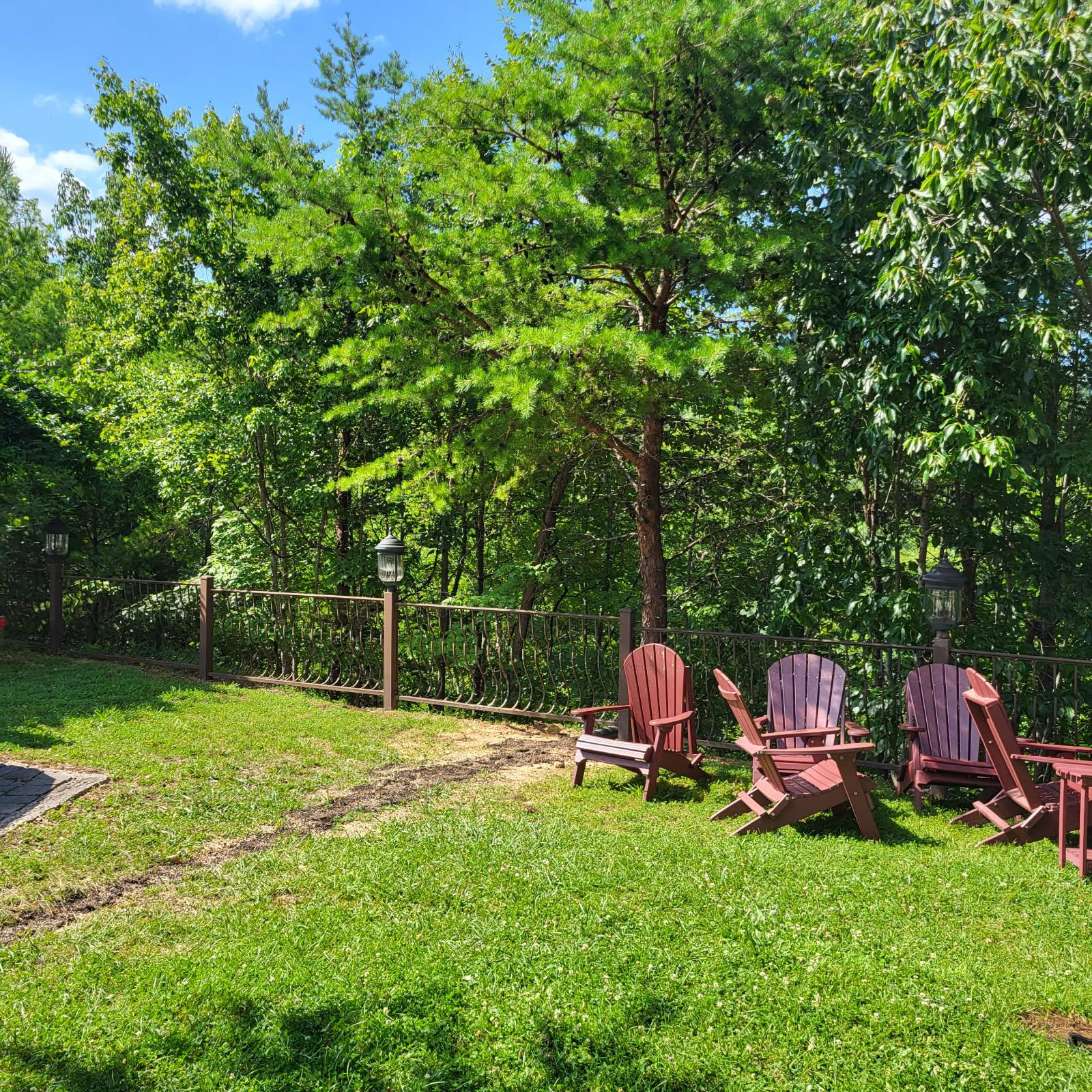
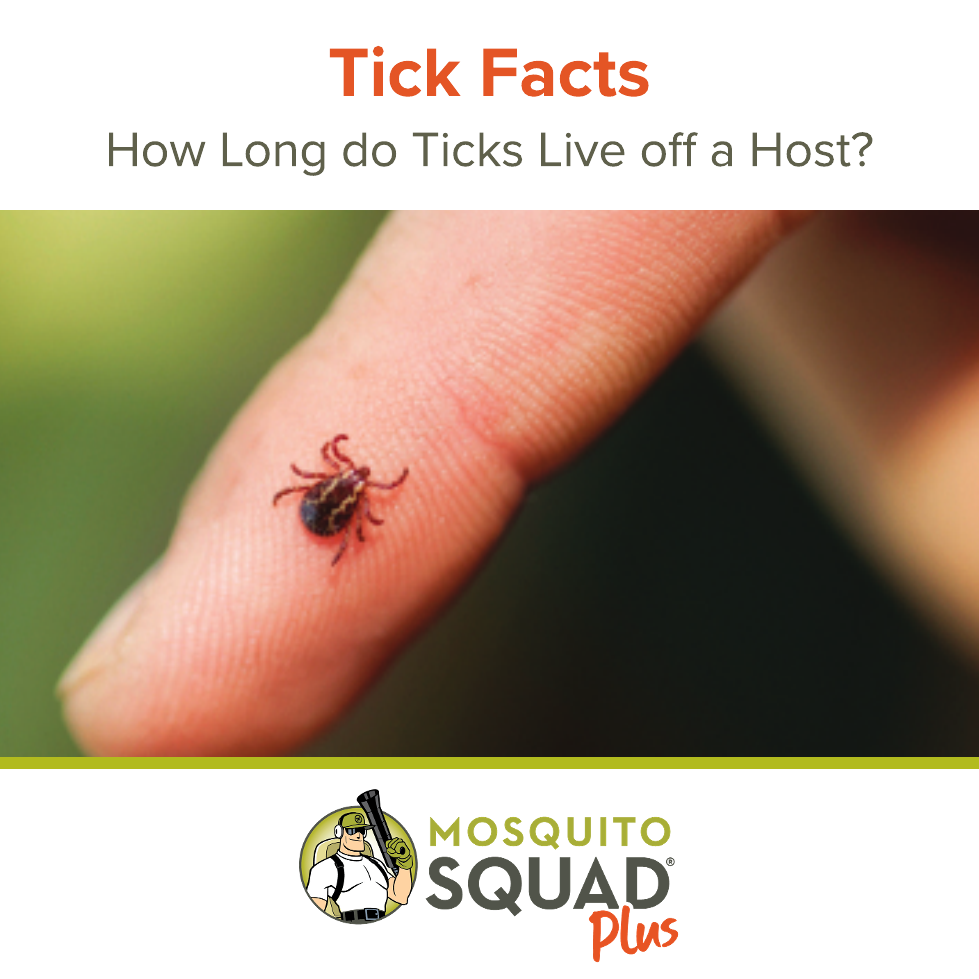
Walk the back edge of a Lenoir City yard in August, the strip where the mowed grass meets the neighbor's hayfield or the old pasture fence, and you can come inside with your socks crawling. Not one or two ticks. Dozens of them, each the size of a poppy seed, moving up your ankles in a loose cluster. Most people who find them assume chiggers and reach for the calamine. They are not chiggers. They are baby lone star ticks, and the yard they came from is the reason a strange red meat allergy keeps turning up around Loudon County.
Lenoir City is lake country, but its tick story has nothing to do with the water. It has to do with the land the subdivisions and the lake communities were carved out of, which around here is farm ground. That distinction is the whole reason a Lenoir City tick post reads differently than one written for the wooded ridges over in Knox County.
You Did Not Move Next to a Park. You Moved Next to a Farm.
The tick pressure in a place like Hardin Valley comes off wooded ridges and a big deer-holding park. Lenoir City sits in a different landscape. Loudon County is the number one dairy county in Tennessee, according to UT Extension, and the ground here has been cattle pasture and hayfield for generations. As gated lake communities and new subdivisions push out into that old farm ground, homeowners inherit whatever was already living in it.
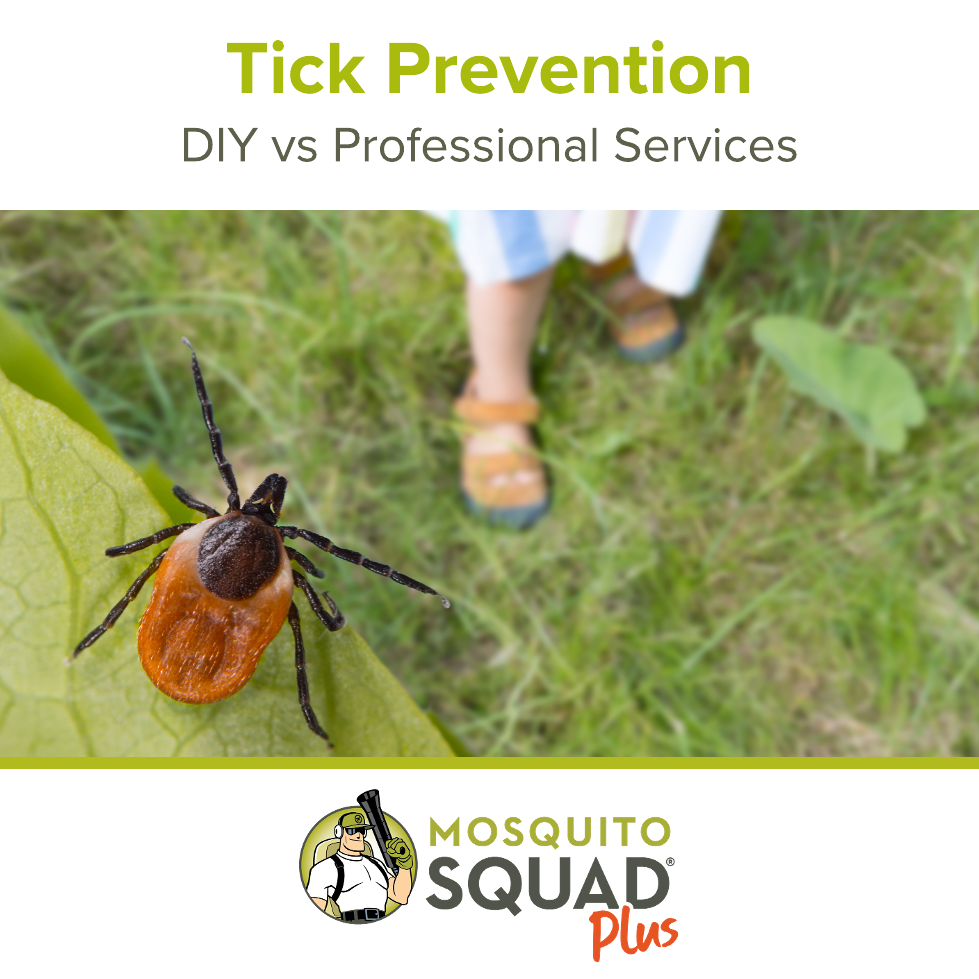
What was already living in it is the lone star tick. This is the tick built for a working agricultural landscape. Its hosts are exactly what a farm county supplies in abundance, white-tailed deer moving between the woodlots and the fields, plus cattle, dogs, wild turkey, and small mammals working every fencerow and brushy field margin. UT Extension's guide to Tennessee ticks documents the lone star as one of the state's most common species, and it is heaviest in exactly this kind of country.
The lone star is a three-host tick, which means it feeds on a different animal at each of its three life stages and drops off between meals to molt in the leaf litter and grass. A landscape with a steady supply of deer and livestock keeps that cycle turning year after year with no gaps. The pasture behind the fence has been feeding ticks since before the subdivision had a name, and building a house next to it changes nothing about the cycle except that people are now in range of it.
A lot of the people newly on that list did not grow up here. Lenoir City has been one of the faster-growing spots in the Knoxville metro, up almost thirty percent since 2020, drawing families and out-of-state buyers, and the lake communities nearby have pulled in a big retirement crowd on top of that. Many of these newcomers arrive from suburbs and cities where ticks were a camping problem, not a backyard one. They buy a lot with a beautiful view of a hayfield, plant a garden along the back fence, and spend the first summer learning what a seed tick is the hard way. There is nothing wrong with the property. It is just that the view they paid for is also prime tick habitat, and nobody handed them a heads-up at closing.
The Seed Tick Swarm That Catches Everyone Off Guard
The cluster of tiny ticks on your ankles has a name. Those are lone star larvae, sometimes called seed ticks, and they behave unlike any other tick a Tennessee homeowner deals with.
Most ticks you encounter one at a time. Lone star females lay eggs in enormous batches, sometimes several thousand at once, and when those eggs hatch in late summer the larvae stay bunched together low in the grass waiting for something warm to walk by. Brush that patch of grass and hundreds can climb aboard at once.
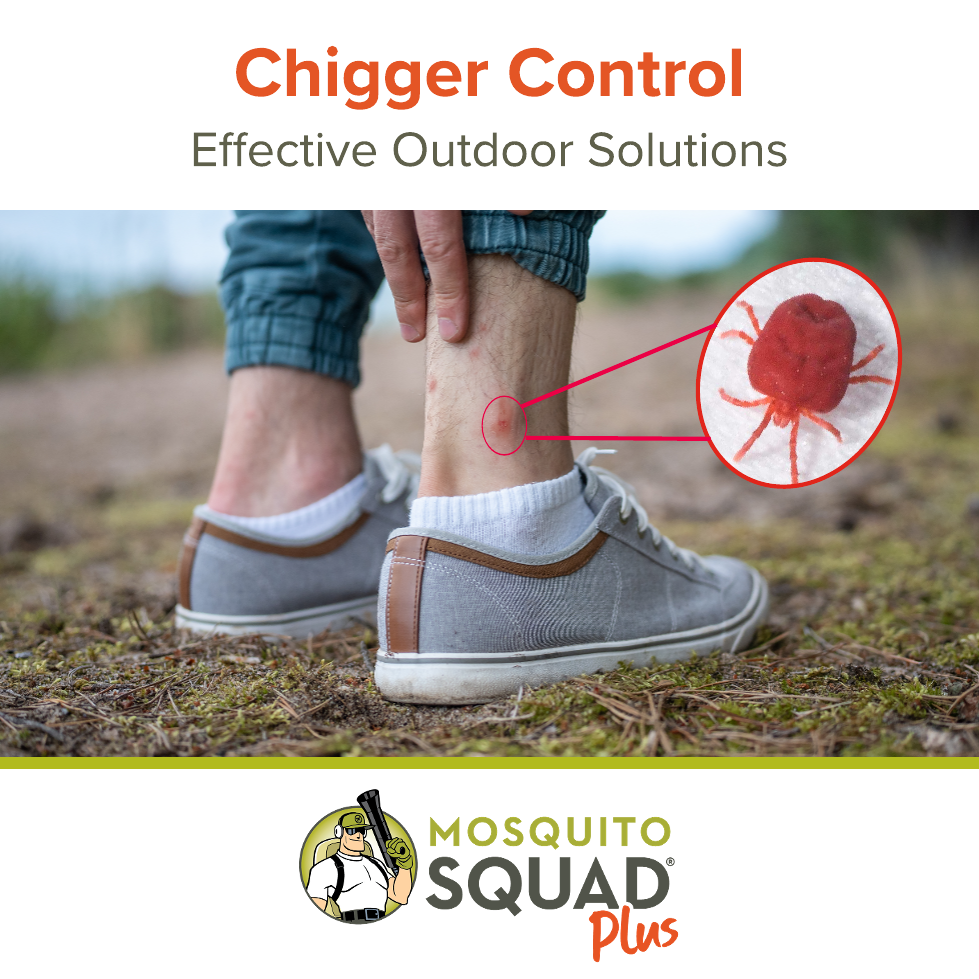
The team at Alpha-gal Information documents that these larvae are most active from July through October and are routinely mistaken for chiggers, and that a single walk through an infested patch can leave a person carrying dozens or hundreds of bites. If you have ever come off the back of the lot itching in a way that a couple of bug bites cannot explain, this is usually why. Our page on chigger and mite control covers how to tell the two apart, because the treatment is not the same.
That swarm behavior does more than make you itch. It is what connects a walk along the fence to the allergy in the title.
How a Tick Turns You Off Red Meat
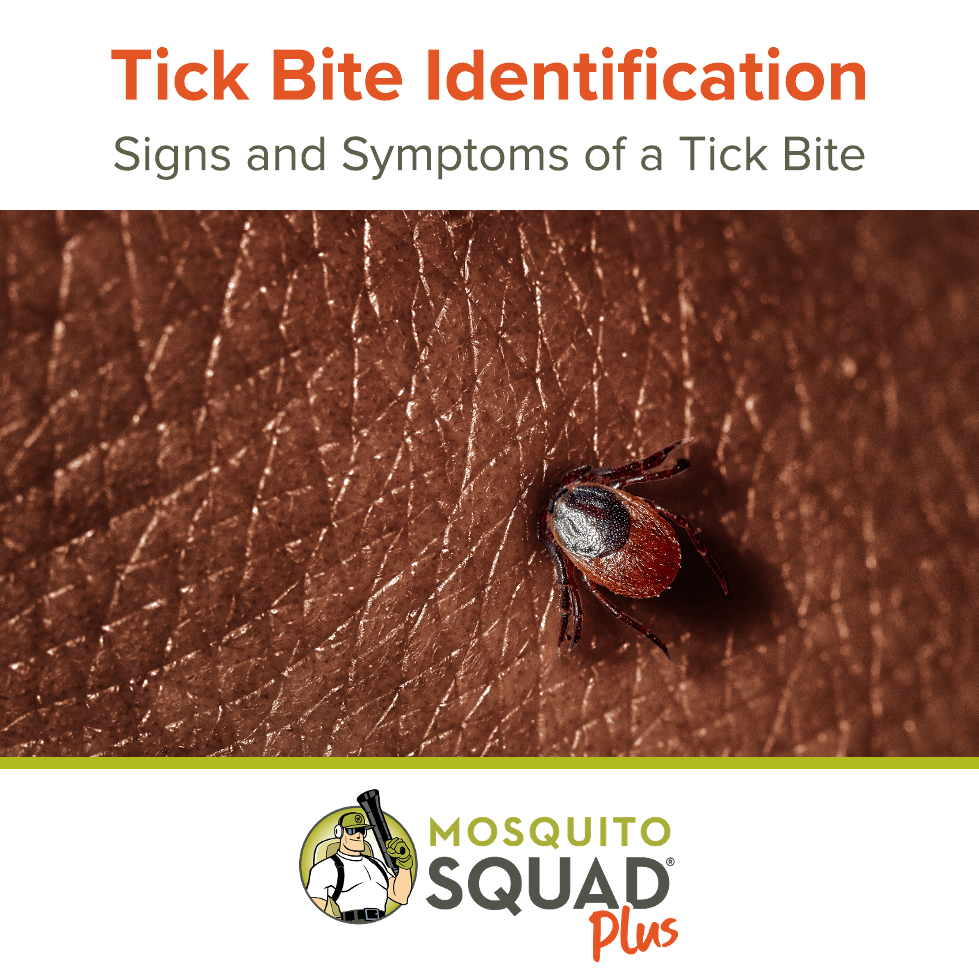
Alpha-gal syndrome is an allergy to red meat, and it is caused by tick bites, primarily from the lone star. The CDC explains that alpha-gal is a sugar found in most mammals but not in people, and that a bite can sensitize the immune system so that eating beef, pork, lamb, or venison later triggers a reaction. That reaction can be hives and stomach trouble, and in serious cases it can be anaphylaxis. It can also be permanent.
The reason this connects back to the pasture and the seed ticks is dose. Research on how the allergy develops points to repeated tick exposure driving the antibody response that sets off the syndrome, and a single swarm of seed ticks delivers exactly that, many bites in one afternoon rather than one bite in a season. A landscape that produces lone star ticks by the hundred is a landscape that produces alpha-gal, which is why rural and agricultural parts of the Southeast, and the counties around Knoxville in particular, see so much of it.
East Tennessee is a documented hotspot, and the trend is current. Tennessee began requiring doctors to report every alpha-gal diagnosis to the state as of 2026, a step the Tennessee Department of Health took as cases climbed, and its own vector-borne disease guidance lists the lone star tick as a carrier of alpha-gal along with ehrlichiosis and other illnesses. Local coverage out of Knoxville through the fall of 2025 featured a University of Tennessee tick specialist describing a clear rise in East Tennessee diagnoses. What used to be treated as a rare curiosity is now a spreading condition, and it is spreading fastest in the exact kind of country Lenoir City sits in.
Alpha-gal Is Not the Only Thing These Ticks Carry
The red meat allergy gets the headlines because it is strange and memorable, but it is one item on a longer list. The Tennessee Department of Health links the lone star tick to ehrlichiosis, tularemia, Heartland virus, and a rash illness called STARI, and our tick control page covers what each of those means for a household. Ehrlichiosis in particular deserves attention, because in recent years it has been the most commonly reported tick-borne disease in the state, and it presents with fever, headache, and body aches that people often mistake for the flu.
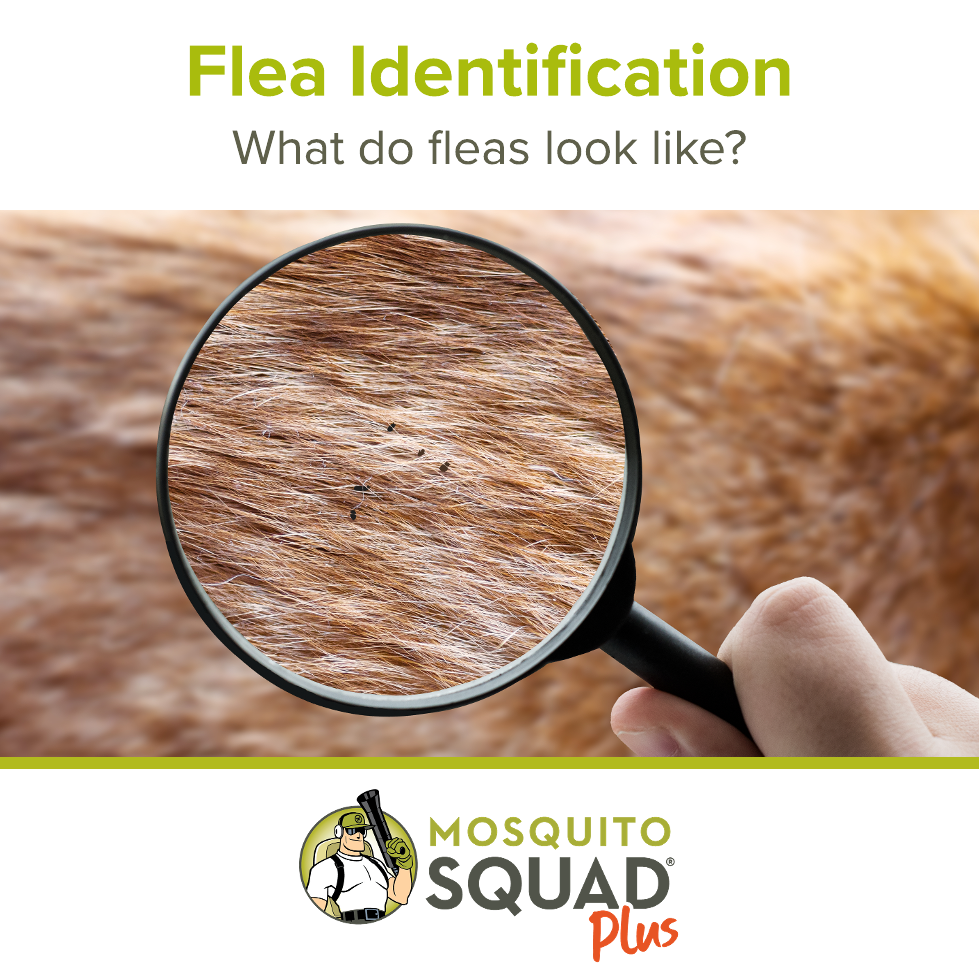
There is a pet angle too, and on a farm-county lot it is a real one. Dogs that run the fence line or follow you into the field come back carrying lone stars, and every tick that rides in on the dog is a tick that can end up on a person or drop off inside the house. Checking the dog after it has been in the tall grass is one of the highest-value habits a Lenoir City household can build, and it pairs naturally with keeping up on the yard barrier. When fleas turn up in the same season, and they often do on properties that back open ground, our flea control work handles both.
Why a Tidy Yard Does Not Save You
Homeowners who keep an immaculate lawn are often the most surprised to find lone star ticks on the family, because the standard advice about tall grass makes them feel safe. The lone star does not fully cooperate with that advice.
The Tennessee Department of Health notes that the lone star is an aggressive tick that moves toward a host rather than waiting passively on a grass blade the way a deer tick does. It will cross a mowed strip to reach the warmth it senses. A UT entomologist has described the lone star as an abundant Tennessee species tied to alpha-gal and ehrlichiosis, and that aggressiveness is why a clean yard next to a pasture still gets bites.
Those ticks were never living in your turf to begin with. Their home base is the field, the fencerow, and the shaded brush along the property line, and from there they travel in whenever a warm-blooded host gives them a reason. The lot line is where the pressure sits, so the lot line is where the tick control has to focus, not the middle of a lawn that was never the problem.
What Reduces the Pressure
You cannot spray the neighbor's pasture, and you would not want to try. What works instead is putting a real barrier between the field and the part of the yard your family uses, and keeping it there through the season.
Our tick work follows the framework in our 6 C's of Tick Control, which targets the leaf litter, the wood line, the fencerow, and the shaded transition zones where ticks live rather than broadcasting across open lawn where they do not. The peer-reviewed research backs the layered approach. A long-running study of lone star control in a Tennessee and Kentucky recreation area found that combining an acaricide application with vegetation management produced far better control than either one alone, and a broader review of residential tick control methods reaches the same conclusion about attacking the habitat and the ticks together.
On the treatment side, our mosquito barrier treatment does double duty on ticks and runs on a 21 day cycle spring through fall. That interval matters, because it keeps the perimeter knocked down through the exact late-summer window when the seed ticks are hatching. For heavier exposure, Squad Yard Defender adds ground-level coverage, Home Shield handles the structure, and a full seasonal package rolls the yard and home together. Families who want a botanical option can run the natural treatment on the same schedule, and for a patio or pool area that gets constant use, an automatic misting system adds a fixed layer.
There is yard work you can do yourself that stacks with the treatment. Keeping the grass cut short in the transition zone, pulling brush and leaf piles back from the fence line, and putting a few feet of gravel or wood chip between the lawn and the field all make the edge less hospitable, which is the same logic the research on habitat management points to. If you have children, siting the swing set and the play area toward the house and away from the field boundary keeps the kids out of the zone where the ticks are densest. None of this replaces a barrier program on a farm-adjacent lot, but all of it lowers the load the barrier has to carry.
There is a personal-protection piece too, and it pays off regardless of what happens in the yard. The Tennessee Department of Health recommends treating boots, socks, and outdoor clothing with permethrin, which kills ticks on contact, before heading into brushy or grassy ground. For anyone who mows the back edge, gardens near the fence, or has kids who play along the field line, that one habit prevents a lot of bites.
Timing, and Why Late Summer Is the Trap
Most tick advice tells you to start in early spring, and that is correct, adult lone stars become active as the weather warms and getting a barrier established early keeps the season from building. That part is the same across East Tennessee.
What sets a farm-county yard apart is the second wave. The seed tick swarm hits in late summer, July through October, and it catches people who felt fine all spring completely off guard. A homeowner who never got around to a program because May was quiet suddenly has a child covered in bites in August. If your lot backs pasture or hayfield, spring green-up is only half the calendar. The mid-to-late summer larval surge is the other half, and staying on a consistent barrier through that window is what keeps the worst of it off the family.
There is a reason the timing lines up this way. The adult females that fed and bred in spring drop off their hosts and lay through early summer, and those egg masses hatch weeks later into the larval clusters that swarm the grass. So the seed ticks biting your ankles in September are the direct offspring of the adults that were moving through the pasture back in April and May. A barrier program that runs the full 21-day cycle from spring onward interrupts that chain at both ends, cutting down the adults before they breed and holding the perimeter through the larval surge that follows. Starting in August instead means playing catch-up against a population that has already had its most productive months of the year.
What We Do in Lenoir City
Mosquito Squad Plus is a veteran-owned family business, and we treat Lenoir City yards along with Loudon, Vonore, Sweetwater, and the rest of the Loudon County service area. When we walk a property here, the first thing we look at is the boundary. Where does the yard meet pasture or hayfield. Where is the fencerow, the brush pile, the shaded strip along the tree line. Where do the deer cross. A plan built off those answers looks different from one built for a wooded ridge lot, and on a farm-county property it should.
You do not have to be home for service. We send a reminder before every visit and a notice when we are done, and every treatment is backed by our guarantee. Call (865) 413-7732 or request a free quote. Current special offers are posted, and our reviews will tell you what your neighbors think.