Where Knox County's Fastest-Growing Neighborhood Meets Its Oldest Tick Problem
Posted by Mosquito Squad Plus
April 13, 2026
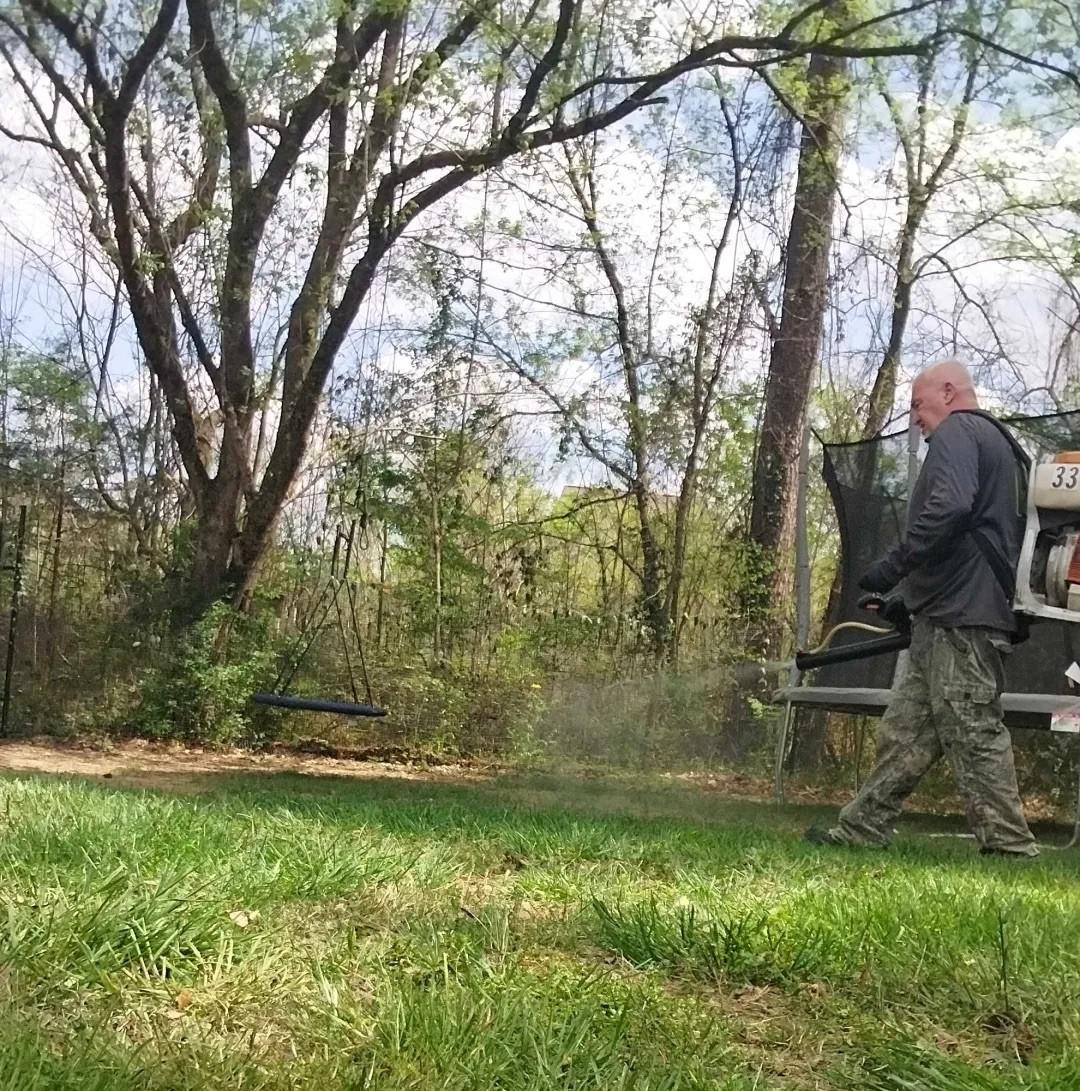
Hardin Valley did not exist the way it does now twenty years ago. Most of what is subdivisions today was farmland and wooded ridge. According to Knoxville-Knox County Planning, Hardin Valley and the northwest sector of Knox County has been the fastest-growing area in the county with population growth averaging 3.9 percent over nearly three decades, and since 2014 alone more than 1,200 building permits have been issued in the area. Families move here for the schools, the newer construction, the space, the sense that this part of west Knox County still has room to breathe. What the moving truck does not tell them is that the wooded ridge at the back of the lot, the creek drainage running along the property edge, and the remnant tree line between their yard and the next development going in have been producing tick pressure since long before the subdivision was platted.
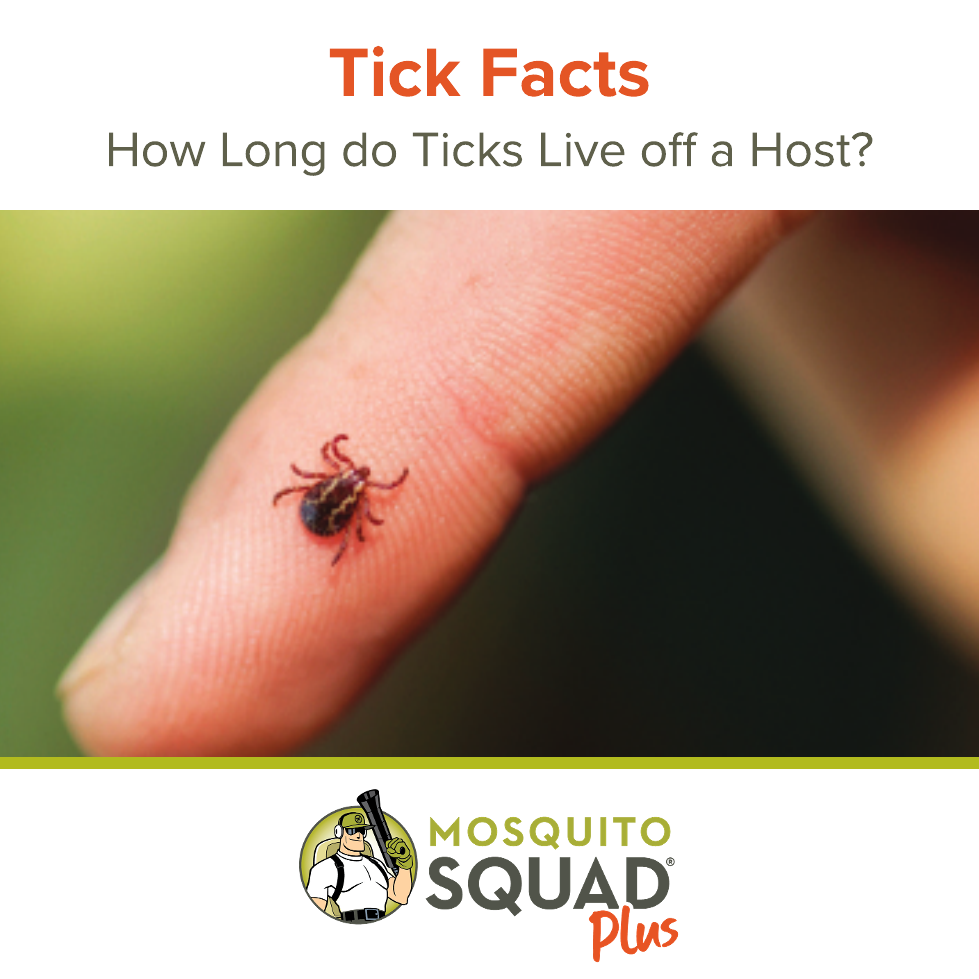
It is early April. The Lone Star ticks that represent the most commonly encountered and most aggressively host-seeking tick species in Knox County are becoming active right now. They are in the leaf litter along the back fence line, in the brushy transition where new subdivision terrain gives way to whatever the land was before it, and in the wooded drainages that run between Hardin Valley's developments toward Melton Hill Lake and the Clinch River corridor. Most families will not think about tick control until someone finds one. By then the season is already running.
What the Land Underneath These Subdivisions Actually Is
Every subdivision built in Hardin Valley over the past two decades was built on something. Former farmland. Wooded ridgeline. Agricultural creek drainage. The development footprint pushed right up to whatever was not developed, and that boundary is not a clean break between pest-free and pest-present terrain.
Penn State Extension's tick habitat documentation is specific: blacklegged ticks are most abundant in densely wooded areas and at the edges of woods, and maintained lawns are far less attractive to them except where they directly abut woodland. When a Hardin Valley subdivision was graded and built on former ridgeline terrain, the finished back yard edge became exactly that abutment. The grading crew left. The tick pressure did not.
The Tennessee Department of Health's tick surveillance program documents that tick populations in Tennessee have been increasing for decades and that six medically important tick species are present in the state, dwelling in wooded and brushy areas and in the property surrounding homes wherever yards sit adjacent to brushy terrain or leaf litter. In a community where the back third of a residential lot transitions directly from new construction sod into remnant woodland or creek drainage, that description applies across most of the neighborhood.
The West Knoxville corridor broadly sees tick pressure for similar terrain reasons as development has expanded westward into the Knox County ridgeline character. But Hardin Valley has a specific wildlife pressure source that sets it apart from the rest of the west Knox corridor.
Haw Ridge Park and the 800 Acres Nobody Factors In
The wildlife reservoir driving tick pressure into Hardin Valley's residential edge zones has a name and a documented population.
Haw Ridge Park sits on an 800-acre wooded peninsula along the Clinch River between Knoxville and Oak Ridge, immediately accessible from the Hardin Valley corridor via the Oak Ridge Highway. The Friends of Haw Ridge Park documentation confirms the park is populated by white-tailed deer, raccoon, fox, beaver, and turkey, precisely the host species that drive tick populations. White-tailed deer are the primary reproductive host for adult blacklegged ticks. White-footed mice, raccoons, and other small mammals serve as primary hosts for larval and nymphal stages that carry and transmit disease. None of those animals stop at the park boundary. They use the creek drainages and wooded ridge remnants that connect Haw Ridge to the residential edge zones of Hardin Valley, the same drainages that run beneath and between the subdivisions built into this terrain over the past two decades.
Research published in Environmental Entomology and reported by Entomology Today found that nymphal tick density was highest at the wooded side of the lawn-forest transition zone, specifically where leaf litter and scattered undergrowth create the humid microclimate ticks require. The study confirmed that nymphs are not particularly mobile and tend to stay where they drop off hosts. If the microclimatic conditions at the back edge of a Hardin Valley yard are suitable, the population concentrates there season after season regardless of when the house was built.
The Ticks You Are Actually Dealing With Here
Three species drive most of the encounters in Knox County terrain and each behaves differently enough to matter for treatment timing.
The Lone Star tick is the one most Hardin Valley homeowners encounter first, and it is the one that demands the most respect. Unlike the blacklegged deer tick, which climbs low vegetation and waits passively for a host to brush past, the Tennessee Department of Health documents that the Lone Star tick is an extremely aggressive species that actively pursues movement. It turns up in maintained yards near the tree line not because something went wrong but because that is how it hunts. It transmits ehrlichiosis, tularemia, and Alpha-gal syndrome. That last condition is worth understanding specifically. Alpha-gal is a permanent allergic reaction to red meat caused by a single Lone Star tick bite. The Tennessee Department of Health has formally listed it as a disease of concern and cases are rising across the state.
Ehrlichiosis, transmitted by the Lone Star tick, was the most reported tick-borne disease in Tennessee in 2023 according to the department's surveillance program. The department's data shows cases rising since 2015 with peak exposure from April through June, mapping directly onto the window when Hardin Valley families spend the most time in their yards.
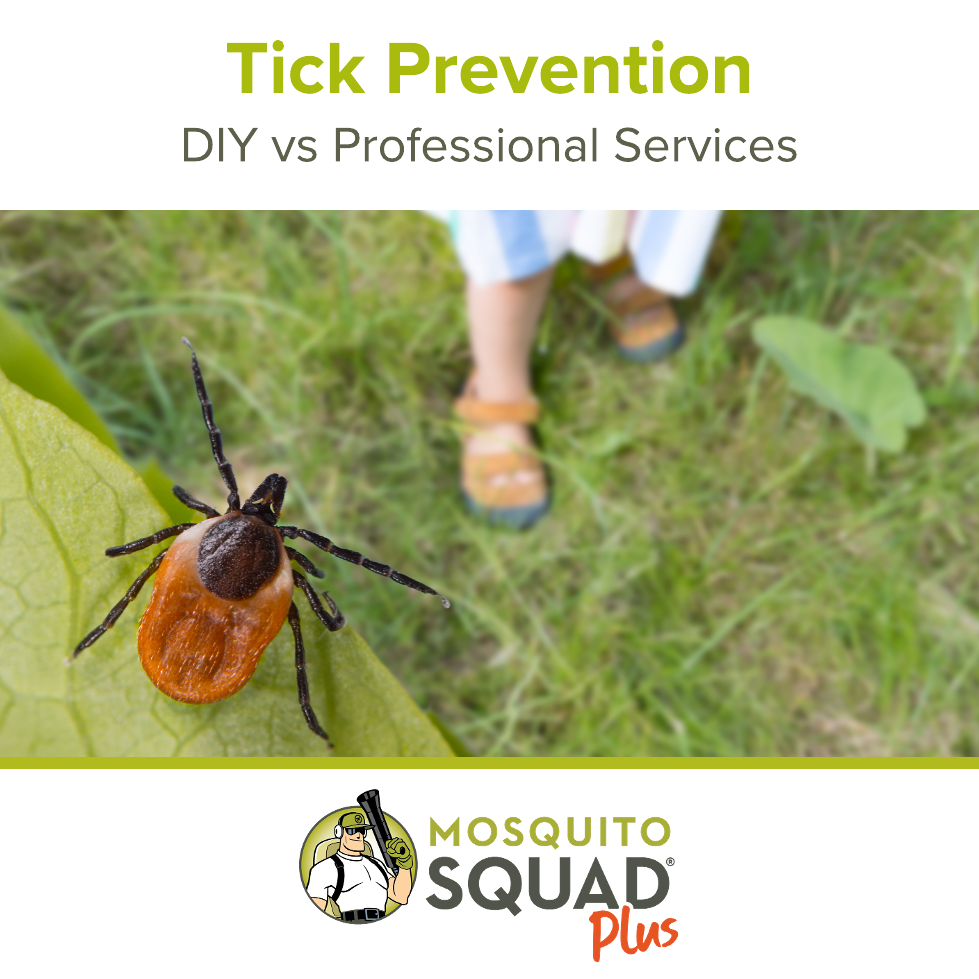
The blacklegged deer tick adds a second layer of concern. The CDC documents that nymphal blacklegged ticks quest actively from April through July, that their poppy-seed size makes them nearly impossible to detect during the 36 to 48 hours needed for Lyme disease transmission, and that Lyme disease cases in Tennessee have been steadily increasing since 2014. The American dog tick rounds out the picture, commonly encountered at the exact transition where mowed lawn meets wooded or overgrown vegetation, which is precisely where many Hardin Valley back yards end.
What New Hardin Valley Homeowners Run Into
The specific exposure pattern in Hardin Valley is different from what a family in an older Knox County neighborhood experiences, and that difference matters.
A family in an established neighborhood has years of experience calibrating to the tick pressure of their specific property. They know which corner of the yard produces encounters. They have developed habits around it. A family in a new Hardin Valley subdivision arrived with no baseline at all. The house was new, the neighborhood was new, the landscaping was fresh. Nothing in that picture suggests a tick problem is already underway in the back third of the lot.
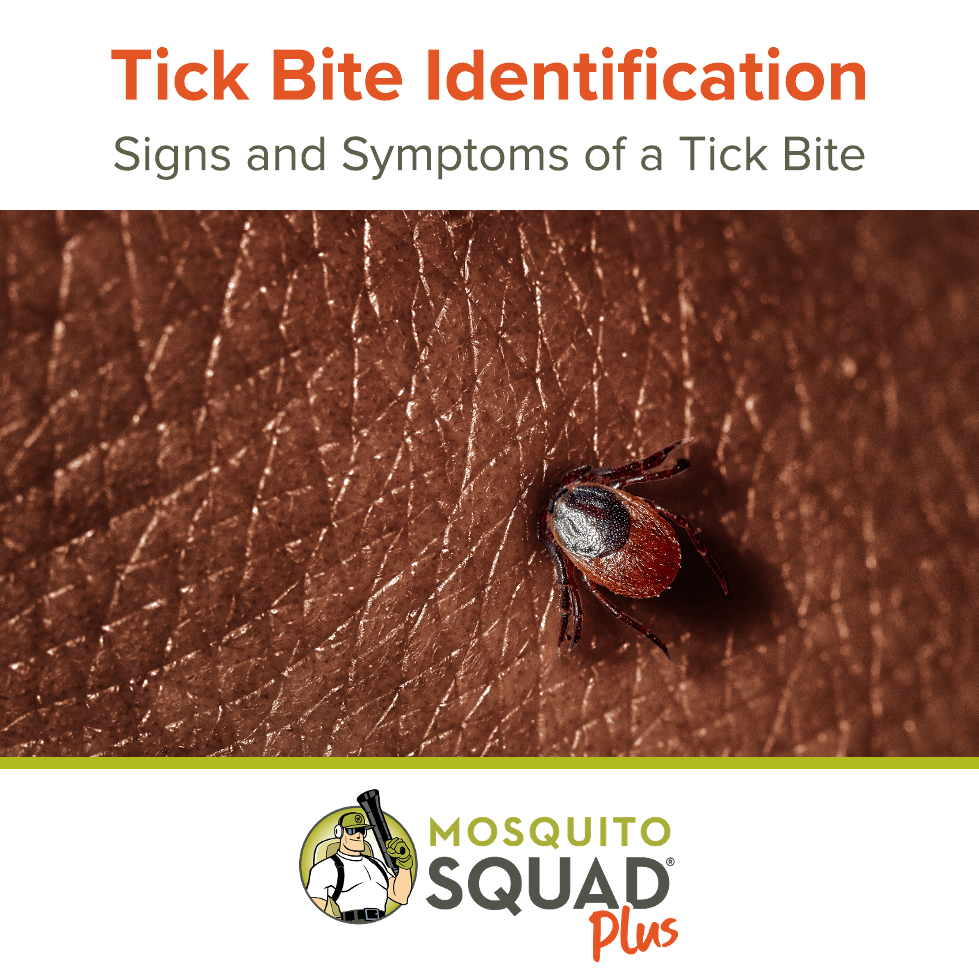
The first spring is when the picture changes. Not gradually. All at once, on a specific afternoon when the kids have been outside near the back fence and the dog has been running the perimeter. The bath that night surfaces something on an ankle. Or the dog sits unusually still while something small and dark at the base of its ear turns out to be partially attached. The yard gets walked the next morning and nothing obvious shows up in the open lawn, which makes sense because the open lawn is not where the pressure lives.
It is in the leaf litter at the property edge where the grading stopped. It is in the brushy strip along the drainage easement. It is in the low shaded corner where the terrain drops toward the creek. A Lone Star tick that is actively pursuing movement does not stay at the wooded edge and wait. It comes into the yard. Understanding that the species is an active pursuer rather than a passive waiter changes how a homeowner interprets finding one near the patio rather than at the fence line. Both are real. Both are coming from the same edge zone population.
The hardware store response goes onto the open lawn because that is the part of the yard that feels controllable. Tick checks get more serious. Neither of those addresses the population at the wooded edge producing the encounters, and neither changes the following weekend when the same edge zones are active and the family is back outside.
How Treating the Right Zones Changes the Season
The Lone Star tick's aggressive host-seeking behavior does not change the fundamental treatment logic, it sharpens it. Because this species actively moves toward hosts rather than waiting passively, the concentration zone at the wooded edge does not stay neatly at the perimeter. It produces pressure that reaches further into the yard than blacklegged tick pressure does. That makes treating the edge zones earlier and more consistently more important, not less.
The leaf litter along the back fence line, the brushy transition where subdivision terrain gives way to remnant woodland or drainage easement, the shaded low areas that stay damp after rain, those are the treatment targets in April and they are the treatment targets in September. What the season changes is the life stage most active and therefore most likely to encounter someone in the yard. A program that begins in early April and runs through October addresses the population at its source across the full active season rather than reacting to individual encounters afterward.
Lenoir City homeowners with properties backing up to wooded terrain along the Tennessee River corridor deal with comparable edge zone pressure for similar wildlife habitat reasons. The specific source differs but the treatment logic is identical.
When to Start and What to Watch For
Early April is the window in Knox County. The Tennessee Department of Health's ehrlichiosis surveillance data shows tick exposure climbing from April and peaking through June, meaning the first treatment in early April intercepts the season before its highest-risk period rather than during it.
The specific indicators in a Hardin Valley yard: the dog sitting unusually still while you work through the fur at the base of its ear after an afternoon in the back corner near the fence. A child coming inside with a bite that develops slowly over several hours near a sock line rather than on open skin. Deer tracks in soft soil along the back fence after a wet morning in March or early April, which in Hardin Valley's terrain means the Haw Ridge corridor is actively moving wildlife through residential edge zones.
West Hills homeowners in the established corridor between Hardin Valley and the broader west Knox community see the same early spring activation pattern. For context on how tick pressure builds across the west Knox County terrain to the south, the Farragut service area covers the established ridge and lake communities that Hardin Valley's growth corridor sits adjacent to, and the Karns mosquito blog covers how Beaver Creek drives the pest calendar in the northwest Knox corridor for anyone trying to understand how west Knox County pest pressure builds by community.
The land Hardin Valley was built on has been producing ticks for longer than the neighborhood has existed. The edge zones at the back of the lot know that even if the house does not. Reach out to Mosquito Squad Plus and get the perimeter addressed before the Lone Star population peaks.