Why Cincinnati Still Has Mosquitoes in October, and What Your Fall Cleanup Leaves Behind for May
Posted by Mosquito Squad Plus
October 16, 2026
Reviewed by Brandon Robertson
On trash day in October, one of our Cincinnati techs pulls into a driveway, gets his gloves on, and before the sprayer comes off the truck he walks both cans back up to the side of the house. Nobody asked him to. He just doesn’t want treatment drifting onto something the homeowner is going to grab with bare hands that evening. Then he walks the yard in the opposite direction from the way he walked it three weeks ago.
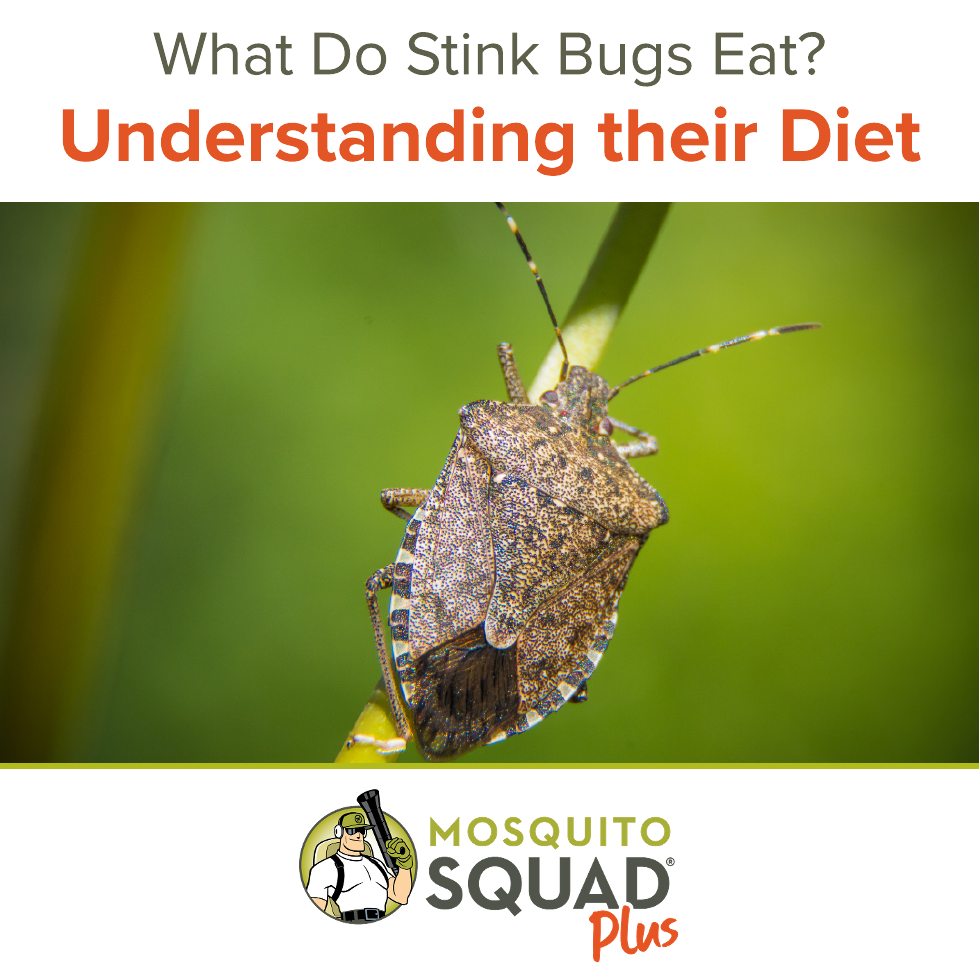
That small habit says a lot about how fall mosquito work goes in Cincinnati. By the second week of October most people have mentally closed the book on the season. The pool is covered, the patio cushions are in the garage, and the yard is filling up with the projects that come with leaf season: a pile of limbs from the last windy front, gutters packed with leaves, a wheelbarrow parked wherever the job stopped, and the south side of the house collecting the boxelder bugs and stink bugs that show up every October. The bites have slowed down. What hasn’t slowed down is the setup for next year.
The mosquitoes still in your yard are doing two jobs right now. Some are still biting. Others are laying the eggs that hatch first next spring, and a normal Cincinnati fall cleanup tends to make that second job easier.
Why Cincinnati Still Has Mosquitoes in October
The calendar doesn’t end mosquito season here. Temperature does, and the river valley holds onto mild weather longer than most people plan for.
The National Weather Service office in Wilmington tracks fall freeze dates for the region, and its Cincinnati numbers come from Lunken Airport. According to the NWS Wilmington fall freeze climatology, the normal first 32 degree reading at Lunken comes on October 25. In one year out of ten it shows up by October 12, and in one year out of ten it holds off until November 5.
So in an average year, Cincinnati still has about two weeks of mosquito weather left on October 10. In a warm year, it has close to a month.
The same NWS page points out that official temperatures are taken five feet off the ground and that topography creates wide swings across an area. That matters in a city built on hills, and the same table shows it. Milford, up the Little Miami in Clermont County, normally sees its first freeze around October 18, a full week ahead of Lunken down in the river bottom. Two yards a few miles apart can be running on different clocks.
Two mosquitoes, two different fall schedules
The Northern house mosquito, Culex pipiens, is the dusk biter and the main West Nile carrier in this part of the country. It gets through winter as an adult female tucked into a sheltered spot. Researchers at Ohio State tracked this in central Ohio across three seasons, and their study of Culex mosquitoes in Ohio culverts found that by early October roughly 95 percent of the Culex pipiens they pulled from culverts were already dormant. Dormant females stop looking for blood. But the same team still caught blood-fed and egg-carrying Culex into late November in two of their three years. So most of the dusk biters clock out early. A few don’t.
The Asian tiger mosquito runs a different plan. It is the black and white striped one that goes after your ankles in the daytime, and it doesn’t ride out winter as an adult. According to Ohio State University Extension’s Asian tiger mosquito fact sheet, it is common in southern Ohio, has been collected in 41 of the 80 Ohio counties where surveillance was done, and its eggs can withstand drying out for up to a year and overwinter in temperate regions.
So the October tiger mosquito isn’t winding down. She is spending her last weeks putting eggs somewhere they can wait out January.
Quiet evenings but ankle bites while raking at two in the afternoon? That is the pattern. We covered the dusk side in our post on where Madeira’s evening mosquitoes come from. The fall story belongs mostly to the daytime biter.
What Your Fall Cleanup Leaves Behind for May
Asian tiger mosquitoes don’t lay eggs on open water. Ohio State’s fact sheet describes them as container breeders that place eggs on the sides of things that hold water, flowerpots and tree holes rather than marshes or ditches. The CDC’s page on the Aedes life cycle adds the detail that matters most in the fall: the eggs go on the inner walls just above the waterline and stick there like glue.
In a Cincinnati yard in October, the water in a bucket evaporates or gets tipped out, and the eggs stay stuck to the wall and wait. Next spring the first warm rain refills that bucket, and Ohio State notes the eggs hatch once they are covered and temperatures reach about 60 degrees. The first generation of next season doesn’t fly in from somewhere else. It spent the winter in your yard.
Gutters full of leaves, downspouts with nowhere to go
A gutter half full of wet leaves holds water in a dark trough for days after a rain. University of Tennessee Extension’s guide to container mosquitoes lists clogged rain gutters among the unexpected sources around a home that can support larger mosquito populations, and the Cincinnati Health Department puts gutters on the list of breeding sites its inspectors look at.
The other half of that problem is on the ground. Our tech’s October walk always includes the downspouts, because a clogged gutter either sheets water straight down the siding or shoves everything through the downspout at once and dumps it at the base. Either way, you get soggy ground along the foundation. On a lot where the yard drains back toward the house, that wet strip can stay wet for a week, and it sits right next to the shrubs where mosquitoes rest during the day.
The limb pile in the back corner
This is the one he points out more than anything else this time of year, and it is the one homeowners least expect.
After a windy front, or after a weekend of fall pruning, the dead limbs go in a pile at the back of the lot. What the pile really does is shade the soil underneath it and hold moisture against the ground. The dirt under a brush pile doesn’t dry out the way open lawn does. It stays damp and cool, which is exactly the kind of protected spot adult mosquitoes use to rest, and any hollow in the pile that catches rain is a small container nobody will ever think to empty.
He puts it plainly: the pile makes a barrier, the ground under it can’t dry, and the moisture just sits there.
The things that stop moving in October
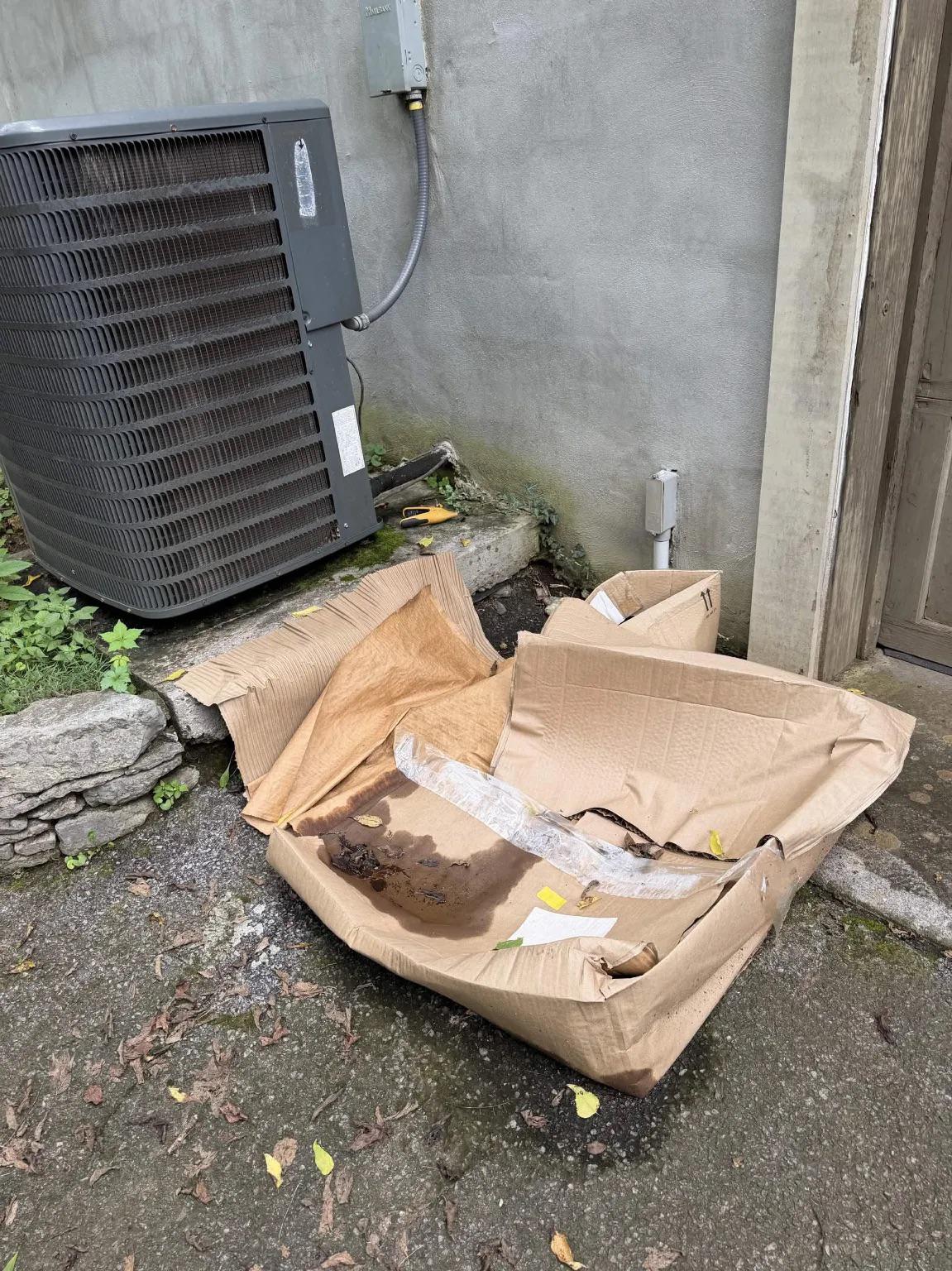
The last group is everything that gets set down in fall and doesn’t get picked up until spring. A wheelbarrow tipped against the fence with a little water in the tray. Saucers under pots that got moved off the deck. A kid’s toy truck in the grass. A tarp over the grill with a sag in the middle. Ohio State’s fact sheet says larvae can finish developing in about half an ounce of water, roughly what fits in the cap of a one liter drink bottle.
None of those things look like a mosquito problem in October. Each of them can be where an egg spends the winter.
Our 7 T’s of mosquito control cover most of these items for spring and summer. The fall version is the same list with one difference. In July, emptying a container gets rid of the larvae. In October, emptying it often leaves the eggs behind on the wall.
What Cincinnati Homeowners Usually Try in the Fall
Walk through a normal October to-do list and you can see where the eggs end up.
Rake it to the tree line. Leaves get raked to the back edge of the lot because it beats bagging. That heap does the same thing the limb pile does: it shades the ground and holds water against it. Bagging the leaves or getting them to the curb for pickup takes them out of the picture.
Prune and stack. Same story with branches. A stack in a shady corner lands on ground that was already slow to dry.
Cancel the last visit. Two weeks without a bite and the next visit feels optional. But the bites slowing down and the egg laying stopping are two different events, and in Cincinnati they don’t land in the same week.
Tip out the bucket. In summer, that’s great advice. In October it helps less than it looks. The CDC says these eggs can survive drying out for up to 8 months, and Ohio State puts it at up to a year. The bucket goes back on the patio empty, with next May’s mosquitoes still stuck to the inside.
Wait for the cold. Not wrong, exactly. The cold does the work eventually. But a normal year runs to late October, a warm one pushes into November, and the tiger mosquitoes use every one of those days.
What Actually Works: What Our Tech Looks For on an October Walk
Fall mosquito control in Cincinnati is less about spraying harder and more about paying attention. A few habits from one of our techs explain most of it.
He walks it the other way
Every visit, he walks the property the opposite way from the time before. A yard looks different from the other side. The downspout that hid behind the hydrangea is suddenly right in front of you. The limb pile that looked like a neat stack from the patio turns out to have a low spot behind it holding water. Coming at a property from a new angle is how you catch the thing that wasn’t there last time, and in fall something new shows up almost every week.
He doesn’t trust last month’s notes
Office notes help, but he says a yard can be a completely different animal four days after the note was written, so he treats each visit like a new chapter. This month that has included spotted lanternflies, which are still turning up on his October routes. We covered those in our post on why lanternflies make Cincinnati patios sticky. After enough seasons on the same routes, he knows most of his customers’ properties on sight, which yard floods in back, which one has the side yard that never dries. That memory tells him where to look first. It doesn’t replace looking.
He asks where you were standing
When a customer says they are still getting bitten, his first questions are where were you and what time was it. Getting hit at two in the afternoon in the side yard by the garden points to a tiger mosquito and a container close by. Getting hit after sunset on the back steps points somewhere else entirely. The homeowner lives there and he doesn’t, so their answer is often the fastest route to the source.
He treats what can’t be fixed until spring
Some fall problems can’t be solved in fall. One of his customers has a back yard that floods, and the real fix is grading work that won’t happen until spring. In the meantime, the standing water gets larvicide dunks so it stops producing mosquitoes while it waits. The Cincinnati Health Department describes dunks as slowly releasing larvicide at the surface and killing larvae for 30 days or longer, and it calls larvicides the most effective form of mosquito control because they stop mosquitoes before they can fly off. For water that has to sit until a contractor shows up, that is the right tool. And when the standing water is on the lot next door, there is a city option. Inside Cincinnati city limits, the Health Department takes standing water complaints through 311Cincy, and the sites its inspectors check include gutters and low spots in yards.
He treats where they rest
Fall mosquitoes don’t hang around in open sun. They rest low and in the shade: under foundation shrubs, on the damp ground beneath a brush pile, in the dense beds along a north wall. University of Tennessee Extension describes professional applications to those resting areas as having residual effect for a period after application, while noting that the approach doesn’t hold up if the standing water isn’t dealt with too. Our mosquito barrier treatment goes on those resting surfaces every 21 days, and the walk around the property handles the water.
Then the cans go back where he found them, and he heads to the next driveway.
When to Treat in Cincinnati, and When to Stop
Our Cincinnati team treats properties into October when a warm fall extends breeding conditions, and the freeze data backs that up. With a normal first freeze of October 25 at Lunken and one year in ten running into November, a visit in the first half of October is still doing real work most years.
How we think about fall mosquito control in Cincinnati:
- Keep scheduled visits through mid to late October. If the forecast still shows highs in the 60s and 70s, tiger mosquitoes are still active and still laying eggs. Cutting the last visit or two is how a yard ends the season with more eggs in it than it needed to.
- Let a real freeze make the call, not the calendar. A hard freeze that reaches the ground, not one chilly morning, is the signal the season is done. The NWS notes the ground can hit freezing while the official five foot reading still says 36.
- Do one honest container sweep before winter. Walk the yard the way our tech does, from a direction you don’t normally go. Anything that held water this year, scrub it or store it upside down under cover, so the eggs on the walls don’t get a spring refill.
- Fix the drainage you can, and treat what you can’t. Clear the gutters once most of the leaves are down, run downspouts out past the beds, and get limb piles off the ground or out to the curb.
- Book spring before you forget. The eggs laid this month are the ones that hatch first next year. Our post on why pest control in Blue Ash is an April conversation makes the case for an early start, and it holds citywide.
Fall pests don’t stop at mosquitoes. Mice start testing foundations about now, which is the subject of our piece on mice moving into Loveland’s newer homes, and Home Shield and Complete Home and Yard cover the house and the yard through the winter.
Thinking One Season Ahead
October is the month most people stop thinking about mosquitoes, and it is the month next season quietly gets started. The dusk biters are mostly tucked away. The daytime biters are still out, still finding the clogged gutters, the soggy downspout corners, the limb pile, and the tipped wheelbarrow, and still leaving eggs that will sit through the winter and hatch with the first warm rain.
The fix takes someone who walks the whole yard, asks where you were getting bitten, and doesn’t assume this visit will look like the last. That is how we run mosquito control in Cincinnati on routes across the greater Cincinnati area every week of the season, including the weeks after everyone else has packed it in.
Barrier treatment in Cincinnati starts as low as $87 per treatment, applied every 21 days, and every visit is backed by our satisfaction guarantee. If you prefer a plant-based approach, ask about our natural treatment option. Check the current Cincinnati special offers, request a free quote, or call (513) 666-5354 and we will get someone out to walk the property before the first freeze does the job for us.