Why Pest Control in Blue Ash Is an April Conversation, Not a July One
Posted by Mosquito Squad Plus
April 29, 2026
By the time most Blue Ash homeowners call about pests, the problem has been working on the house since February. Mice that came in through the garage in November are nesting in the wall cavity above the kitchen. Ants that wintered in the slab joint behind the dishwasher are starting to scout for water. Stink bugs that crawled into the attic last October are working their way back out through the can lights. None of this looks like pest season yet because the calendar says April. But anyone living in Blue Ash right now who has noticed something off in the kitchen, the basement, or the laundry room is watching the indoor side of pest season already in motion.
This is the conversation almost nobody is having about pest control in this corridor. The outdoor mosquito and tick story gets all the attention because that is the part of pest season people see in the yard. The indoor story is happening at the same time and it is harder to spot until it is established.
What April Actually Pushes Into Blue Ash Homes
Cincinnati winters do not kill pests. They drive them into structures. The 1950s through 1970s housing stock that defines a lot of Blue Ash and the surrounding inner-ring suburbs gives them plenty of options. Original block foundations, slab additions on older ranches, sill plates that have settled enough to leave a hairline gap at the rim joist, basement window wells that funnel water and debris against the foundation. None of this was bad construction in 1958. It is just construction that gives a mouse, an ant, or a stink bug a working entry point in 2026.
When the ground temperature climbs past about 50 degrees in late February or early March, things start moving. Ohio State University Extension's BYGL entomology team documents that brown marmorated stink bugs and multicolored Asian lady beetles do not invade homes in the spring. They invade in the fall and they leave in the spring. The bugs you are seeing on the windowsill in April are the survivors of last October trying to get back out, and they are exiting through the same gaps they came in through. Which means those gaps are still there, and the next round of fall invaders is already on the calendar.
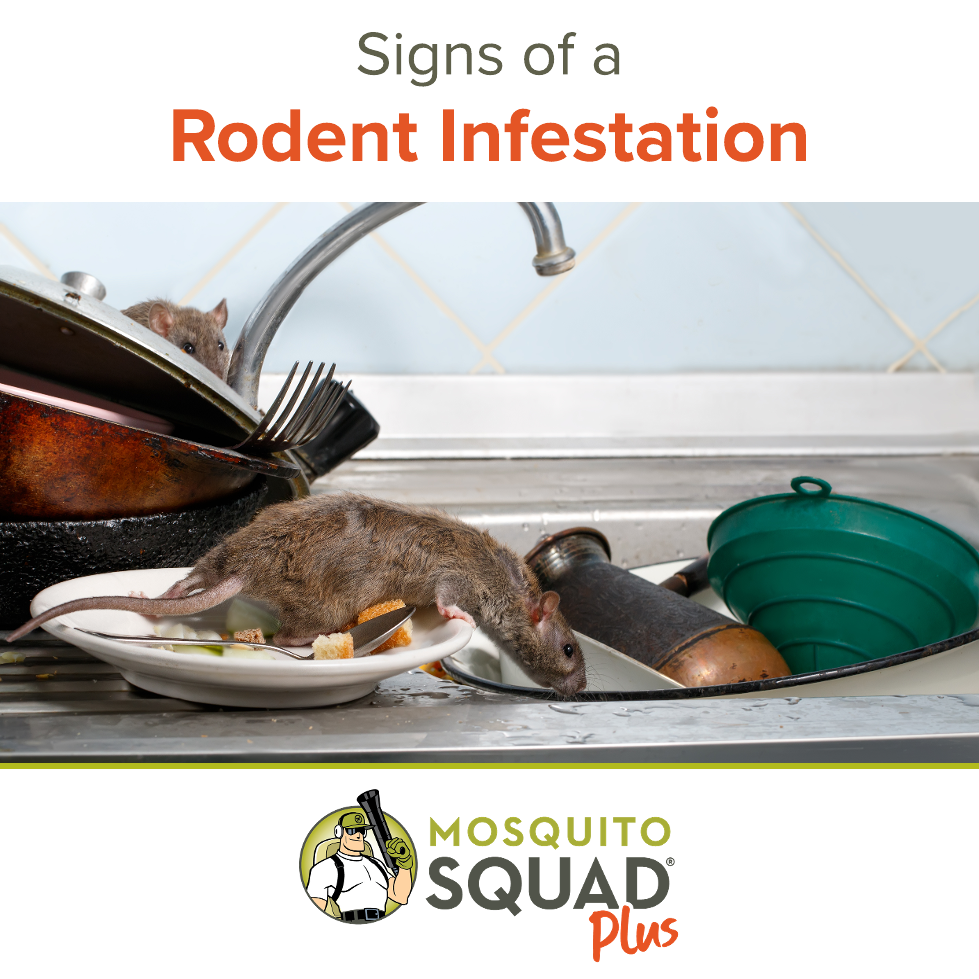
Mice and rats do something similar but worse. The Cincinnati Health Department maintains a Healthy Homes Line specifically for rat and roach complaints in Hamilton County for a reason. Rodents that wintered indoors do not vacate when the weather warms. They breed. A small November mouse problem becomes a real April problem because the females start producing litters of five to six pups every three weeks once conditions stabilize. By the time a homeowner in Deer Park hears scratching in the wall above the bedroom, that population has been quietly compounding for four months.
The Spring Ant Push Most People Misread
The first sign of indoor pest season in a Blue Ash kitchen is usually a line of small ants tracking along the back of the counter, or coming up through the seam where the cabinet base meets the floor. Most homeowners assume they came from outside. They usually did not. They came from inside the wall, where the colony has been wintering in the insulation against the warm side of the structure, and the spring trigger is the colony scouting for a new water source as the indoor humidity drops with the heating system winding down.
The 2026 NPMA Bug Barometer flagged the Ohio Valley region specifically for early ant and stinging insect emergence this spring driven by mild winter conditions. That tracks with what people in Madeira and Blue Ash are seeing right now. The ants are not invading. They are already here, and they are activating.
This is also where the species starts to matter. Pavement ants nesting in slab cracks behave differently than odorous house ants nesting in wall voids, and both behave differently than carpenter ants, which are the ones that actually do structural damage. A spray on the trail on the counter kills the ants in that trail. It does not address the colony, which is somewhere else in the structure entirely. By the time a homeowner has bought their second can of household ant spray, the colony has shifted its trail to a different room.
The Cockroach Conversation Nobody Wants to Have
Cockroaches in Blue Ash are not what most people picture. Nobody is dealing with the open-kitchen infestations that the species is associated with culturally. What does happen here, and what gets missed regularly, is small populations of German cockroaches establishing in basements, behind dishwashers, in the warm void behind the refrigerator, and around hot water heater closets. They reproduce fast. The CDC's environmental triggers documentation is direct that cockroach allergens in feces, saliva, and shed body parts are documented asthma triggers, with sensitization rates between 23 and 60 percent among urban asthmatic populations.
That is not a low-income housing problem. The CDC documentation specifically notes that recent studies have found cockroach allergen exposure as a meaningful factor in suburban homes and schools as well. A cockroach problem in a 1965 Blue Ash ranch with a finished basement is not visually obvious. The homeowner sees one, kills it, and assumes it was a one-off. By the time they are seeing them in daylight, the population is large enough that the indoor air is carrying allergens whether anyone is allergic yet or not.
Why Spring Is the Wrong Time to React
Here is the part most homeowners do not realize. The window where indoor pest pressure is easiest to address is the four-week stretch between mid-March and mid-April when populations are beginning to reactivate but are not yet established for the season. By May, ant colonies are at full foraging strength, mice have produced their first spring litter, and stink bug exit numbers have peaked. By June the conversation shifts from preventive to reactive, and reactive is always more expensive and more disruptive than preventive.
The Home Shield package is built specifically for this. It treats the foundation perimeter, the windows, the vents, and the entry points around the structure on a recurring schedule that matches when pests are actually trying to get in, not when they have already moved in. On an older Blue Ash or Deer Park ranch with original block foundation and 1960s slab additions, that perimeter treatment is doing the work that the original construction details cannot do anymore.
Properties along the Reed Hartman corridor and the residential streets between Cooper Road and Pfeiffer Road sit close to commercial structures that hold their own overwintering populations, which is one reason indoor pest pressure in this part of Blue Ash can run higher than a property tucked deeper into a quieter residential pocket of Indian Hill. The treatment approach reflects that proximity rather than ignoring it.
What Homeowners Try First
The first move on indoor pests is almost always a hardware store spray aimed at whatever was visible at the moment. Ant spray on the trail. Mouse trap behind the refrigerator. Stink bug captured in a tissue and flushed. Each of those handles the individual pest in front of you. None of them addresses the population that produced it.
The second move is sealing what looks like the obvious entry point. This is genuinely useful work, especially the gap under the garage door, the dryer vent without a proper cover, and the gap where the AC line set enters the foundation. The Ohio State University Extension recommends going up into the attic on a sunny day with the lights off and looking for any spots where outside light is coming through, because those spots are exactly where stink bugs and Asian lady beetles enter every fall. The catch is that most older Blue Ash homes have dozens of small openings that no homeowner is ever going to find on a weekend walkthrough. The cumulative effect of all those small openings is what builds the population over years.
What to Check on Your House This Saturday
Before calling anyone, there is real value in walking your property with a checklist. None of this costs anything and most homeowners can do it in under an hour.
Start at the garage door. The bottom seal is the single most common entry point for mice in inner-ring Cincinnati housing stock. If you can see daylight at either corner where the rubber meets the concrete, that is your first project. A replacement bottom seal is a thirty-dollar fix at any hardware store.
Walk the foundation perimeter and look at every spot where something penetrates the wall. The AC line set, the dryer vent, the gas meter line, the water spigot, every cable and wire. Look for gaps around each one. The dryer vent is particularly worth checking because the original builder-grade plastic flap covers degrade in about ten years and most are well past replacement.
Check your basement window wells. If they are filled with leaves, mulch, or standing water, that is an active rodent invitation. Clear them, and consider window well covers if the wells sit below grade level.
Go into the attic on a sunny day with the lights off. This is the OSU Extension method and it works exactly as advertised. Anywhere you see daylight coming through the roof line, the eaves, or the gable vents is an entry point that stink bugs, lady beetles, and sometimes wasps are using every fall.
Check under your kitchen sink and behind the dishwasher with a flashlight. Look for any plumbing penetration through the floor or the back wall that has not been properly sealed with caulk or expanding foam. These are the most common interior entry points for ants tracking from a wall void into the kitchen.
If everything looks clean and sealed and you are still seeing pest activity, the population is already inside the structure. That is when professional treatment is doing work that DIY cannot replicate.
What Actually Works When DIY Is Not Enough
Professional indoor pest control in this corridor comes down to three things done together.
First, a perimeter inspection that actually finds the entry points. Not a flashlight walkaround. The foundation seam, the rim joist, the dryer vent, the AC line set penetration, the utility entries, the basement window wells, the garage door bottom seal, and any spot where original construction has settled enough to create a gap. On a 1960s Blue Ash ranch, that inspection takes time because the entry points are everywhere small and nowhere obvious.
Second, treatment timed to the actual pest pressure rather than the calendar. April is when ants and rodents are reactivating. Late summer through early fall is when stink bugs and Asian lady beetles are looking for overwintering sites. Treating those windows preventively is fundamentally different work than spraying the kitchen when ants show up on the counter.
Third, the service relationship matters. Indoor pest pressure is cumulative and seasonal. A one-time treatment handles the current visible problem and does nothing about the overwintering population that produced it. A recurring program adjusts treatment intensity to the actual season.
When to Act
The honest window opens right now. Mid-March through mid-April is when indoor pest populations are reactivating but not yet established for the season. By the time anyone in Blue Ash is dealing with a visible May ant problem, the colony has been working since February. By the time they are dealing with a June rodent problem, the population has been compounding since November.
Schedule a free property inspection in Blue Ash and get eyes on the structure before May activity peaks. We are headquartered at 4264 Matson Avenue right here in Deer Park, License No. 103938, and we have been working the inner-ring Cincinnati housing stock long enough to know what the older slab additions and 1960s block foundations actually let through.