Boxelder Bugs Now, Stink Bugs Next: What Your South Wall Is Telling You This Fall
Posted by Mosquito Squad Plus
September 30, 2026
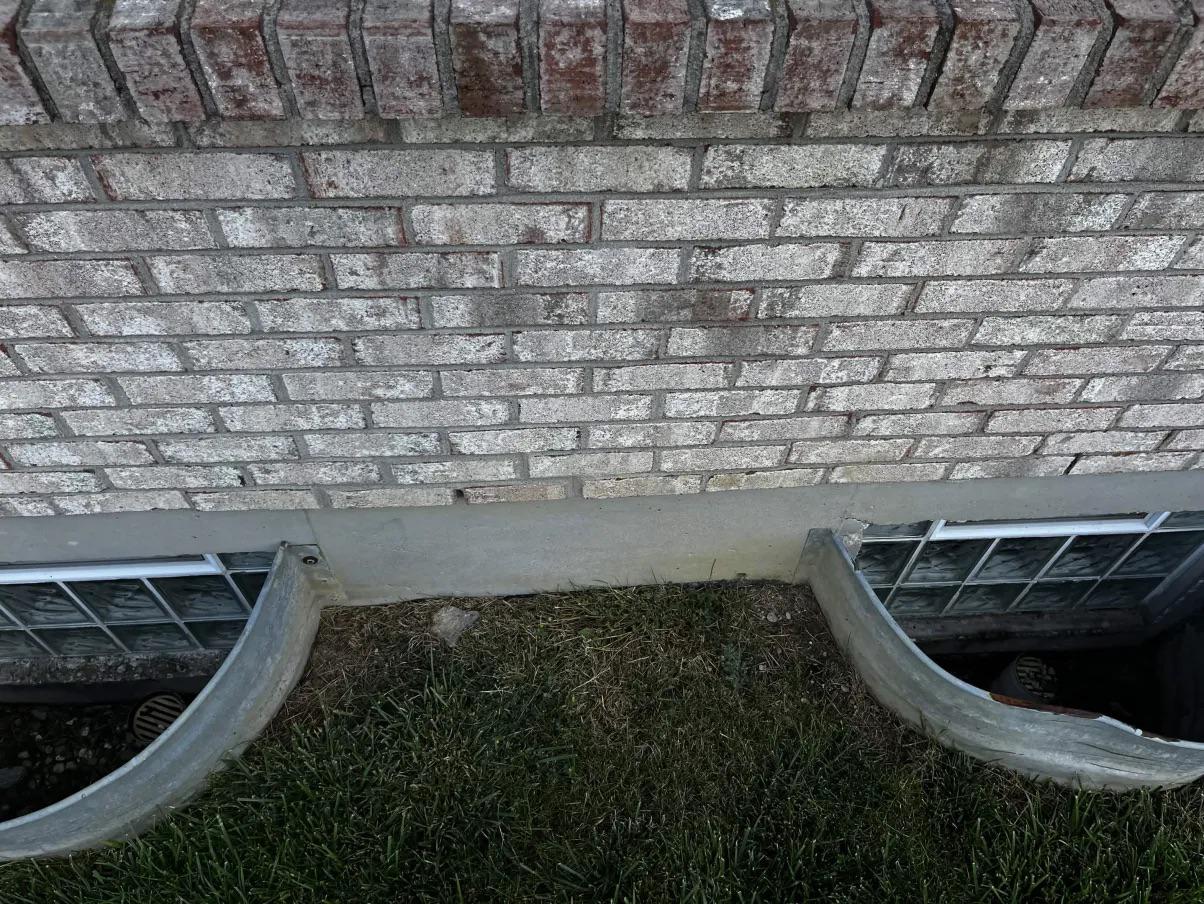
On a bright afternoon in Indian Hill this time of year, walk around to the side of the house that catches the late sun and look at the brick about waist high. If you see a loose cluster of flat, dark bugs with red-orange edging, sitting still and soaking up the heat, you have met the boxelder bug. There are probably a few more on the deck rail, a patch on the side of the shed, and if there is a gazebo out back, some on that too.
None of that is unusual for Indian Hill in the fall. The technician who covers our northern routes puts this year's boxelder numbers at about the same as last year. It is an ordinary season, not a bad one. What is worth paying attention to is what happens next on that same wall. As the nights get colder, the boxelders thin out and stink bugs start turning up in the same sunny spots. The wall stays busy. The insect changes.
This post covers both halves of that handoff: why boxelders favor the sun-facing walls of Indian Hill homes, why the houses closest to the woods get the most of them, what the shift to stink bugs means for your house, and when boxelder bug control in Indian Hill actually does the most good.
What We Find When We Walk an Indian Hill Property in the Fall
Indian Hill customers almost always spot boxelder bugs in one of three places first: the sunny side of the house, usually on the brick; a shed; or the deck. Those are also the first places our technicians check when they get out of the truck. It is a short inspection, because boxelder bugs are not hiding. They sit in plain view on whatever surface is warmest at that hour.
A few patterns repeat across our Cincinnati routes, Indian Hill included, that you will not find in most fact sheets. Brick homes draw them reliably, and always on the side the sun is hitting. Sheds and outbuildings painted in lighter shades, pale and medium blues among them, seem to collect them in numbers. Gazebos draw them as well, and nobody on our team can give you a tidy explanation for that one. These are field observations rather than lab findings, but they show up often enough that they shape where we look and where we treat.
The fourth spot is easy to miss because it is at your feet. The mulch bed on that same sunny side of the house is usually the one that stays damp underneath while the top warms up in the afternoon, and boxelder bugs gather there at ground level, especially in the morning before the wall heats up. Now and then it is a rock border instead of mulch, but the planting beds along the south and west walls are the usual staging area.
What Indian Hill customers are not calling about right now is boxelder bugs inside the house. The indoor complaints this time of year are stink bugs. That tells you exactly where the season is.
Why Boxelder Bugs Pick the Sunny Side of the House
In the fall, boxelder bugs are after two things: warmth right now, and somewhere sheltered to ride out the cold a few weeks from now. The south and west walls of a house offer both. Cornell Cooperative Extension notes that besides the base of their host tree, boxelder bugs overwinter in nearby sites that usually face south, including rock walls, firewood piles, and the gaps under siding. The Ohio State University Extension fact sheet on boxelder bugs adds that in autumn they are drawn to buildings and most often get inside through cracks around doors, windows, and roof soffits.
Brick matters because of what it does with heat. A sun-facing brick wall holds warmth well after the sun moves off it, so on a cool October evening that wall is still the most comfortable surface on the property. The bugs are not eating anything on the brick. They are using it the way you would use a sunny bench on a cold day, and every gap in the mortar, the window trim, and the soffit above is a possible winter address.
The same logic explains the shed and the gazebo. A small structure standing in open sun has thin walls, exposed trim, and plenty of small gaps, which makes it both a warming spot and a candidate for winter shelter. Our boxelder bug control page covers the general behavior: they move in clusters, prefer sunny and warm conditions, and gather on the sunny sides of buildings as fall sets in. Their droppings also leave stains that show up most on light-colored surfaces, which is one reason a pale shed or light trim gets noticed faster than dark brick.
Weather sets the size of the crowd. OSU Extension ties large boxelder populations to long, hot, dry summers. This year has produced an average crop in the Cincinnati area rather than a spike, which lines up with what our technicians are seeing on their routes.
Why Indian Hill Homes Near the Woods See More Than Homes in Town
Our technician's read on this is simple. House age does not seem to make much difference. Homes built last decade and homes built generations ago get boxelder bugs about equally. What makes the difference is how close the house sits to dense woods. Homes near heavy tree cover see far more boxelder bugs than homes in the city.
The biology backs that up in a specific way. Boxelder bugs take their name from the boxelder tree, a native maple, and OSU's Buckeye Yard and Garden Online points out that the bugs gather in large numbers only on female boxelder trees, which carry the seeds they feed on. The Ohio State weed guide describes boxelder as a fast-growing, aggressive colonizer found throughout Ohio along river banks, floodplains, fence rows, open woods, and old fields, and notes that it does not tolerate shade well. Put those together and you get a tree that thrives on wood edges and open margins. University of New Hampshire Extension adds that in heavy years the bugs will also feed on ash and other maples.
That describes a lot of the ground bordering Indian Hill properties. A home with a wooded edge in view almost always has a boxelder tree or two somewhere nearby, whether or not anyone in the house could pick one out. The bugs feed on those trees through the summer. When the weather turns, they fly to the nearest warm vertical surface, and the sunny side of your house is often the nearest one. The pattern holds across our Cincinnati service area: the more wood edge a neighborhood has, the more boxelders we find on its south walls.
If you keep horses, there is a second reason to know where the seed-bearing boxelders on your property are. Oregon State University's landscape plant reference notes that boxelder seeds have been linked to seasonal pasture myopathy, a serious muscle disease in horses. That is a conversation for your veterinarian, not your pest control company, but identifying the female trees near a pasture does double duty on a horse property.
The Handoff: Why Stink Bugs Show Up on the Same Wall
Temperature drives the change. As the weather cools, boxelder activity tapers off and a different set of insects starts moving toward houses to spend the winter. Our technicians expect boxelder complaints to decline and stink bug calls to climb over the next several weeks. The boxelders will not vanish overnight. You will keep seeing them on sunny days right up to a hard freeze, but they will be a smaller share of what is on the wall.
The brown marmorated stink bug is the main one. OSU Extension describes it as a non-native insect that spends the winter as an adult in sheltered places, sometimes under mulch or bark outdoors, but often on screens and siding and eventually inside the house, squeezing into any crack it can find. That is the same wall, the same mulch bed, and the same gaps the boxelders were using a few weeks earlier. Another BYGL report notes that stink bugs and lady beetles tend to crawl upward after landing on an outside wall, and that loose soffits act as gateways into attics. OSU has also observed that heavy fall stink bug numbers are sometimes tied to nearby food sources like orchards and vegetable gardens, which is worth knowing if you grow either.
Stink bugs are not the only arrivals. As it gets colder, our technicians see more spiders, more centipedes and millipedes, and more silverfish around foundations and entry points, along with ticks that stay active in the wooded edges well past the first cool nights. Some of that follows the food. Our national boxelder page notes that boxelder bugs are an easy meal for predatory pests and can draw spiders and even rats. A south wall that was covered in boxelders in September often has more webbing along the eaves by late October.
This is why we treat the fall as one season on that side of the house rather than two separate problems. The surfaces and gaps that host boxelders in September are the same ones stink bugs test in October. If you are seeing them indoors already, our stink bug control page covers what that service includes, and our spider control and tick control pages cover the rest of the fall lineup.
What Indian Hill Homeowners Usually Try
Most people start with the garden hose. It works for about a day. Cornell Extension notes that a strong spray of water will wash boxelder aggregations off a wall, but the bugs come right back if the surface is still warm, and on a sun-facing brick wall in October it will be.
Soap and water is the next step, and it is a reasonable one. A dish soap solution sprayed on the bugs kills the ones it hits. The limit is reach. It handles the cluster you can see on the wall and misses the ones in the mulch bed, under the shed trim, in the gazebo framing, and already tucked behind the siding.
Swatting and crushing is the one to skip. OSU Extension warns that smashing fall invaders can do more damage than leaving them alone, because their body fluids stain furniture, carpet, and walls. University of Minnesota Extension lists staining as the main thing boxelder bugs do to a home. Indoors, a vacuum is the better tool. Empty it outside when you are done.
Taking out the boxelder tree comes up a lot too. University of Vermont Extension notes that removing the favored host tree from around your home will discourage the bugs. That helps when the tree is in your yard and the nearest woods are a long way off. On an Indian Hill lot where the woods start at the neighbor's fence, the bugs have plenty of other trees to come from, so removal alone rarely changes the picture on the south wall.
Sealing everything is the right instinct and the hardest to finish. Brick homes have mortar joints, weep holes, window trim, soffit returns, and utility penetrations, and a boxelder bug needs very little room. Most homeowners get the obvious gaps and miss the high ones.
What Actually Works
Effective control comes down to two layers: closing the gaps on the sides of the house that matter, and treating the surfaces where the bugs actually gather, at the time they gather there.
For exclusion, Michigan State University Extension recommends inspecting the exterior in the fall to find the likely entry points, and UMass Extension advises that homes with boxelder trees nearby keep vents, attic louvers, and screens in good repair. On Indian Hill homes, the south and west sides get the most attention: window and door frames, door sweeps, soffit gaps, garage door seals, and anywhere a line or pipe passes through the wall.
For treatment, the targets are the places this post has been describing. The sun-facing walls, the foundation line beneath them, the mulch beds on that side, and the outbuildings: sheds, gazebos, and deck framing. That is where boxelder bug control in Indian Hill earns its keep, because those are the surfaces where the bugs sit long enough to contact a treatment. An exterior barrier application kills bugs on contact and continues to deter them for up to 21 days, so a treatment in the right place at the right time covers the peak of the boxelder window and sets that wall up before the stink bugs arrive.
For homes that want this handled year-round, our Home Shield program treats the foundation, windows, vents, and entry points on a recurring schedule, which is the same ground boxelders and stink bugs work in the fall. Properties with wooded edges usually fit better with Complete Home and Yard, which adds yard coverage for the ticks and other pests that come off the tree line. Every service is backed by our satisfaction guarantee.
When to Treat in Indian Hill
The best window opens before the clusters form. UNH Extension recommends finishing caulking and sealing before about September 10, and in the Cincinnati area the bugs typically start gathering on walls once the nights turn cool. Late August into early September is ideal for sealing, with the exterior application going down when you spot the first handful on the sunny side.
If you are reading this in October with bugs already on the brick, it is not too late. Boxelders stay active on warm days until hard freezes, and stink bugs are moving in right now. A treatment this month still knocks down what is on the wall and covers the handoff period.
Spring is the other half of the calendar. Cornell notes that overwintering boxelder bugs become active on warm days in fall and again in spring, which is when the ones that made it into wall voids and attics find their way into living spaces. Our national post on insect overwintering covers how that works across species. A spring check of the same sunny walls closes the loop.
Reading the Wall
The sunny side of an Indian Hill house works like a calendar if you know how to read it. Boxelders on the brick in September mean fall has started. Stink bugs on the same brick in October mean the overwintering push is on. More webbing under the eaves after that means the predators have followed the food. None of it is an emergency, but all of it points at the same few walls and the same gaps, and that is where a little attention goes the furthest.
If your property backs to woods, that same edge drives summer pressure too, which we covered in our post on chiggers along the wooded lots of Indian Hill. And as the cold settles in, mice start testing the same gaps, so our guide on telling which mouse got into your Cincinnati house is worth a look, along with our rodent control service.
Mosquito Squad of Cincinnati serves Indian Hill along with nearby Terrace Park, Madeira, and Loveland. Call (513) 666-5354 or request a free quote, and we will walk the sunny side of your house with you before the stink bugs settle in.