Why Your East Brainerd Yard Still Has Mosquitoes After You Dump Every Bucket
Posted by Mosquito Squad Plus
August 10, 2026
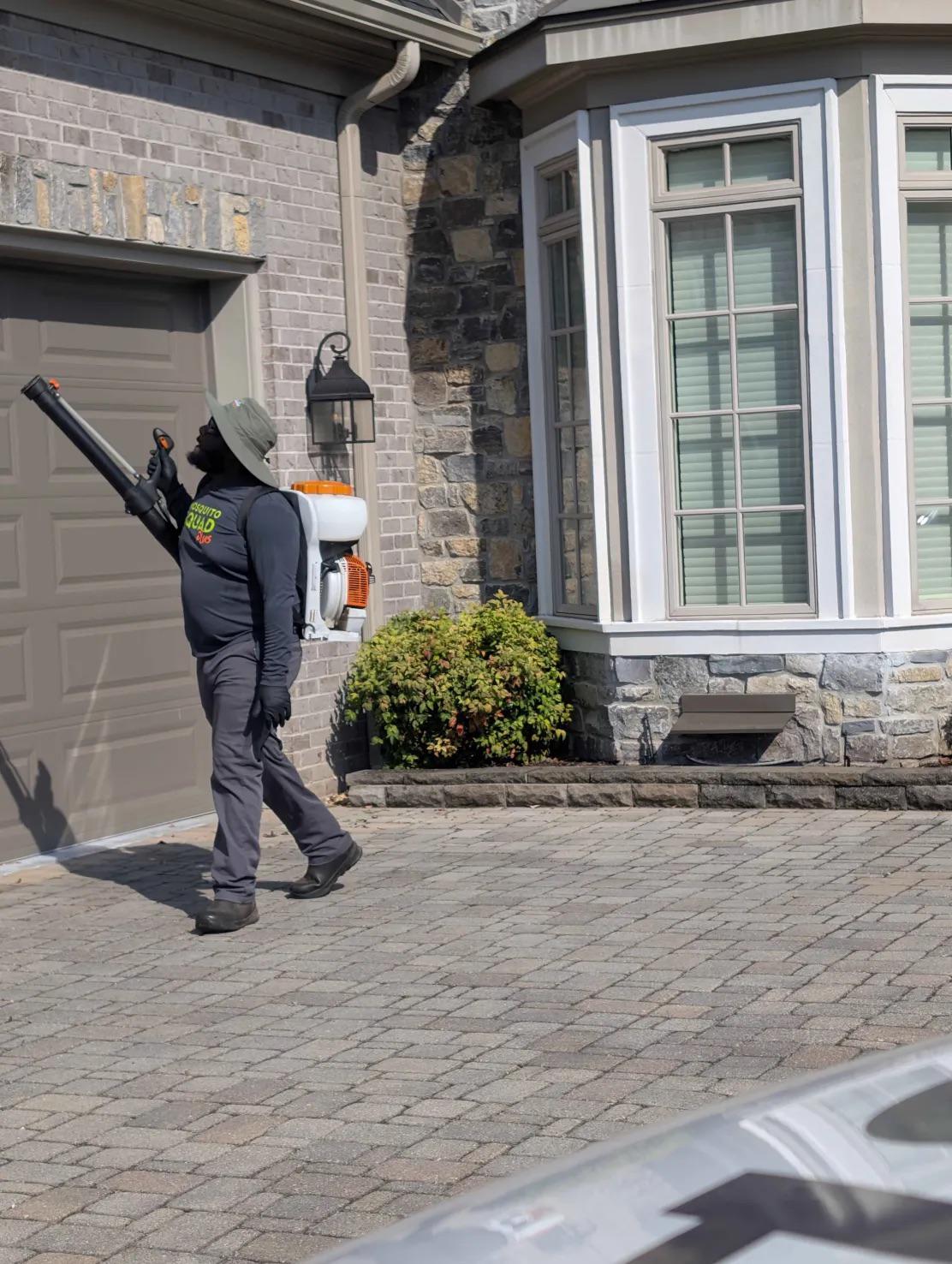
The mosquitoes working an East Brainerd patio in June hatched from eggs that were never sitting in water to begin with. They were laid on damp dirt. On leaf litter, on the shaded soil a few inches above a waterline, in a low spot that looked like nothing more than wet ground the last time it rained hard. Then they sat there. Weeks, sometimes seasons. The next time water came up over that dirt, they hatched all at once.
That is the part of the story nobody explains when they hand you the standard advice. You emptied the saucers under the potted plants. You flipped the wheelbarrow. You cleaned the gutters, you punched a hole in the bottom of the kids' old sandbox lid, you did the whole routine the way the county pamphlet said. And you are still getting eaten alive at seven o'clock. We take that call from East Brainerd every single summer, and it usually comes with an edge of frustration, because the homeowner has done the work and the work did not pay.
The work was not wrong. It was aimed at a different mosquito.
Where the water in East Brainerd sits
Most people who live here could not name the creek behind their subdivision. That is not a knock on anybody. It runs through backyards and under roads and it does not announce itself. Its name is Mackey Branch, and the City of Chattanooga's watershed documentation lists it alongside South Chickamauga Creek and Friar Branch as one of the three named waters draining a basin of more than 31,000 acres. There is even a federal monitoring point on it, listed in the national water quality records as Mackey Branch at East Brainerd.
Mackey Branch is not a big creek. That is exactly why it matters to your yard, and why pest control in East Brainerd reads differently than it does three miles north. Big creeks move water. Small creeks in flat suburban terrain spread it sideways into the floodplain and then let it sit in the low ground until it soaks away or evaporates.
Part of that floodplain is permanently set aside. The Mackey Branch Wetland is a low-lying flood plain in the heart of East Brainerd, donated to Chattanooga Audubon in 2013 by the Meadow Acres Homeowners Association, protected against any future development, and closed to the public. More of that corridor is on its way to permanent protection too. In early 2026 the City Council approved buying roughly fifteen acres off Gray Road, land that sits behind a stretch of homes and contains a portion of Mackey Branch, with stream restoration planned as part of the project.
When we walk a property back there, we are not looking at the creek itself. We are looking at the twenty or thirty feet on your side of the fence where the mowing gets thin, the ground stays soft under the leaves, and the shade never fully lifts. That strip is where our treatment does its work, and it is the strip most homeowners have never really examined. We ask people to stand at their back fence and look down at their own feet instead of out at the trees. What is under your shoes is closer to the problem than anything in the distance.
For your neighborhood, that is good news in every way except one. You now have a permanent, protected, wet, shaded, leaf-covered floodplain sitting behind a lot of houses, and no homeowner and no HOA is ever going to be allowed to drain it, mow it, or fill it.
Two mosquitoes, two different life cycles
Everything you have been taught about mosquito prevention was written about container breeders. Those are the ones that lay eggs in things that hold water. Buckets, tires, tarps, birdbaths, clogged gutters, the corrugated drain pipe someone buried in the side yard and forgot about. CDC's guidance for homeowners is built around removing that water before larvae mature into biting adults, and for that group of mosquitoes it works.
Floodwater mosquitoes do not use containers. The LSU AgCenter's profile of Aedes vexans, the inland floodwater mosquito, walks through a life cycle that runs on a completely different clock. The female lays on moist ground. Not in water. On the damp soil and leaf litter at the receding edge, which county mosquito control documentation describes as the waterline of temporary rain pools, woodland pools, and floodplains. The eggs then dry out, which they are built to survive, and they wait for the next flood.
Those eggs bank. They stay viable across multiple seasons without ever seeing water, and they hatch whenever they are inundated. A dry August does not clear the account. It just delays the withdrawal until the next time the creek comes up.
Then there is how far the adults get. LSU documents travel of up to ten miles in search of a blood meal, and Rutgers' Center for Vector Biology compiles field observations putting the dispersal range anywhere from five to fifteen miles from the breeding site depending on the study. Your property does not have to contain a single drop of standing water for you to be standing in the middle of a hatch.
This is also why we spend so much time talking homeowners out of gadgets. A trap sitting on a patio is competing with acres of floodplain for the attention of an insect that just flew in from half a mile away, and we have covered whether mosquito traps are worth it at length. The short version is that scale beats gadgetry every time, and the scale in Chattanooga creek bottoms is not in your favor.
Iowa State's extension guidance makes the same point from the habitat side. A pond with steep banks produces very few mosquitoes, while shallow marshy areas can breed them in enormous numbers. The retention pond at the front of your subdivision, the one everybody blames, is often the least productive water on the map. The shallow, vegetated, leaf-choked flat behind the last row of houses is where the volume comes from.
Why your weekly walk around the yard still earns its keep
We are not telling you to stop. That would be bad advice and we would be undercutting ourselves the first time a homeowner let a tarp fill up and blamed the treatment.
Container species are still in your yard. Asian tiger mosquitoes breed in a bottle cap of water, they bite during the day, and they are the reason you get hit at two in the afternoon when the floodwater population is resting in the shade. The University of Georgia Extension's mosquito circular lays out integrated mosquito management as a stack of practices, and source reduction is the base layer of the stack. It is the cheapest thing you will ever do and it removes a real share of your problem.
The 7 T's of mosquito control cover that ground: tip, toss, turn, remove tarps, take care of gutters, treat. Run through them in April and run through them again after every heavy week. What we want you to stop expecting is for that walk to solve a floodplain, which is a body of habitat several orders of magnitude larger than anything sitting in your side yard.
If you want the fuller version of how water behaves across this county, what Chattanooga's terrain does covers the bedrock and elevation side of it, and a week of rain in Chattanooga covers the short-term surge.
Why mosquito control in East Brainerd starts at your property line
A wet back corner in Hixson or Harrison usually has a fix in it. Regrade it. Put in a French drain. Clear the brush. In a lot of cases we walk a property, point at the low spot, and the homeowner fixes it themselves over a weekend and cuts their own pressure in half.
That option does not exist along Mackey Branch. City park land under a stream restoration plan gets managed for water quality and habitat, which is the right call for the creek and for the neighborhood, and it also means the vegetation and the wet ground are staying exactly where they are. The protected wetland is even further out of reach. You cannot drain any of it, you are not supposed to, and none of it is your land to begin with.
We say that plainly on those visits because homeowners deserve to hear it before they spend money chasing it. Every year somebody in East Brainerd asks us whether they can get the low ground behind the fence cleared or trenched, and we tell them no, and we explain why. It is a short conversation and it saves people a lot of wasted effort with contractors who would have taken the job.
So the question stops being how to eliminate the source and becomes how to make the two hundred feet you own inhospitable to whatever comes off it, which is a much more answerable problem and the one our treatment plan is built around.
Homeowners in Ooltewah and Collegedale deal with a version of this along their own creek bottoms, and your neighbor's yard matters more than most people want to hear. East Brainerd is the sharper case because the untouchable ground is written into a deed and a city budget rather than just a neighbor's indifference.
What the floodplain edge does to tick and chigger pressure
Mosquitoes are the complaint that gets us called. They are rarely the only thing living out there.
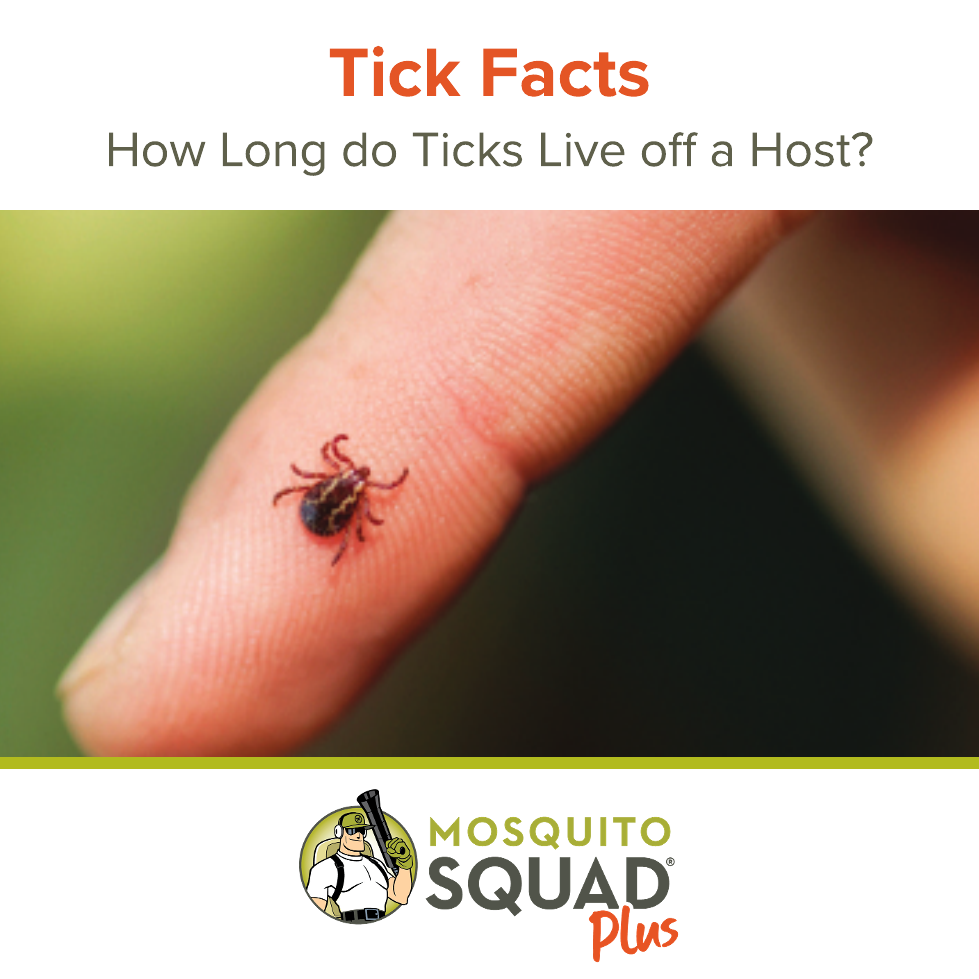
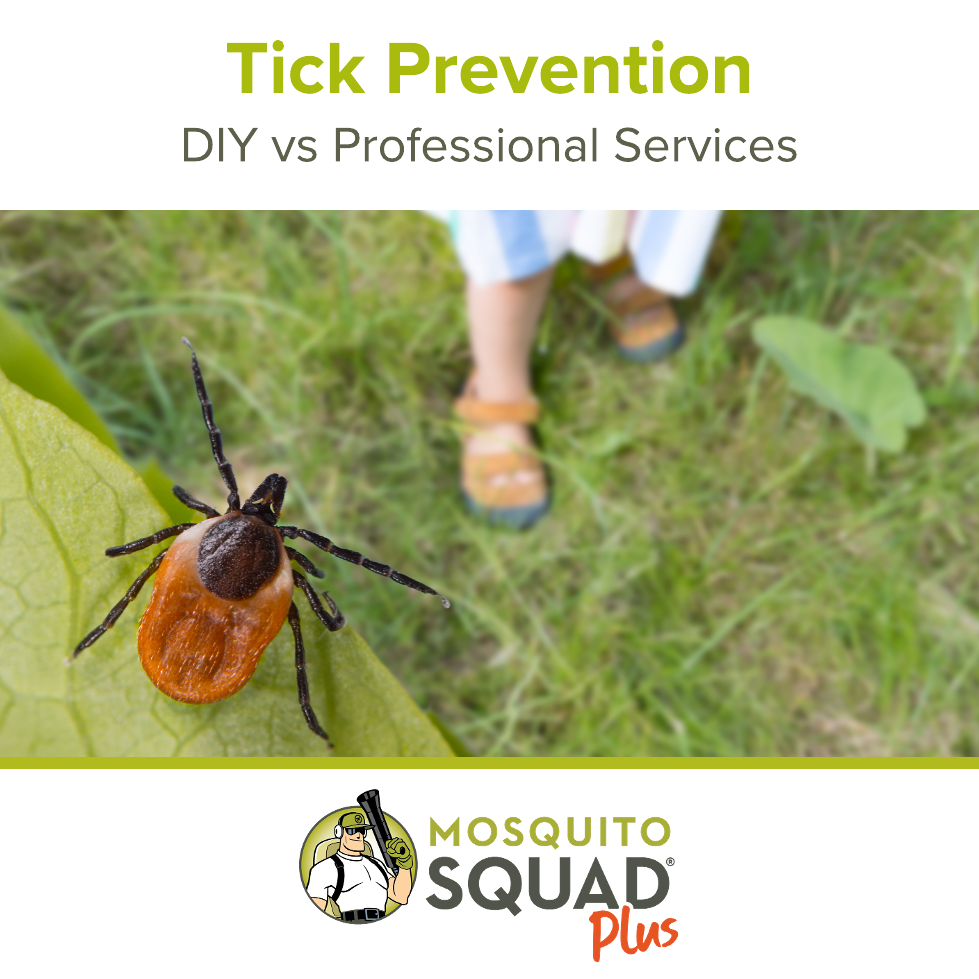
The same conditions that produce floodwater mosquitoes, which is to say dense shade, undisturbed leaf litter, and soil that holds moisture through a dry stretch, are close to ideal for ticks. In East Brainerd the transition is abrupt. Mowed fescue for eighty feet, then a fence, then a wall of unmanaged floodplain vegetation. Ticks concentrate in that transition band and in the first few feet of your lawn on the other side of it, which is where the dog walks the fence line and where a kid retrieves a ball.
Chiggers work the same margin, usually in the taller grass and weedy growth right where the mowing stops. Most people in East Brainerd who think they have a rash from mosquito bites around the ankles and waistband have picked up chiggers off a property edge, not mosquitoes.
Our tick and flea control work follows the 6 C's of tick control framework, which targets the leaf litter, the fence line, and the shaded transition zones instead of broadcasting across open turf where ticks are not living. If you want the deeper version of the seasonal side, the Middle Valley tick post covers the timing, and the Georgetown creek corridor post covers what a larger lot does to the same problem.
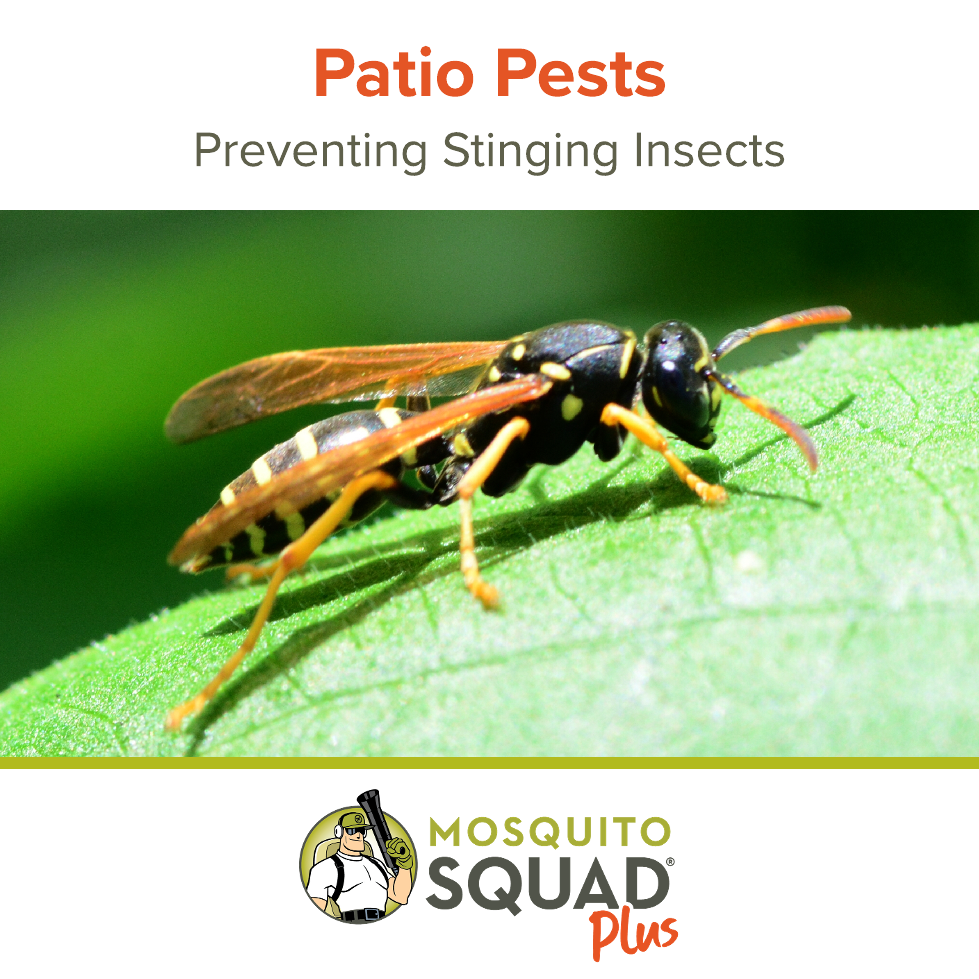
The pests you do not think about are on the same edge. Gnats breed in the same wet organic soil. No-see-ums come off the same damp margins and get through screens that stop everything else. Spiders build along the fence and the eaves because the insect traffic is there, and wasps work the same corridor for the same reason.
When to start mosquito treatment in East Brainerd
Calendar-based mosquito planning underperforms in this part of the county. The trigger here is a flood pulse, not a date on a page.
When Mackey Branch comes up and spreads into the flat ground behind the houses, the banked eggs in that soil get inundated and the clock starts. LSU puts the larval stage at about five days under good conditions with adults emerging two or three days after that, so the whole run from hatch to biting adult lands in roughly a week to ten days when it is warm. So the practical version, the one we tell people on the phone, is this: a hard, sustained rain in East Brainerd is a seven-to-ten-day warning. Not a same-day problem. A next-week problem.
That is why we would rather have a property on a schedule than get a panicked call on the far side of a hatch. Treatment applied before a surge is holding a barrier when the adults arrive. Treatment applied after a surge is playing catch-up against a population that already has numbers. The mosquito barrier treatment runs on a rolling two-to-three-week cycle for exactly this reason, because a floodplain neighborhood does not get a clean single peak. It gets a series of them, one per significant rain, from spring through October.
We build East Brainerd routes around that reality. Properties along the creek go on earlier and stay on later than the interior lots we service in Red Bank or Middle Valley, and our techs adjust the interval when a stretch of storms comes through rather than holding rigid to a date.
Early season matters more here than most homeowners expect. The first big pulse of the year usually goes unnoticed because nobody is sitting outside in March. The population that comes off it is not unnoticed in May.
Our mosquito control approach on a Mackey Branch lot
The approach on a floodplain-adjacent property in East Brainerd is different from the approach on an interior lot four streets up the hill, and any company that walks both properties the same way is guessing on at least one of them.
On a creek-adjacent lot we work the perimeter and the resting habitat rather than the open lawn. Adult mosquitoes spend the day out of the sun on the undersides of leaves, in shrub interiors, under decks, along shaded fence lines and in dense ground cover. That is where the treatment goes. The barrier treatment is designed to hold on those surfaces and knock down the adults that come in off the floodplain looking for shade and a host, which is the only stage of the life cycle you have any leverage over when the breeding ground is off-limits.
For households that want an all-botanical program, the natural mosquito treatment option covers the same footprint on a shorter reapplication window. For properties with heavy pressure and outdoor space people use every night, an automatic misting system puts the response on a timer instead of a schedule of visits. For a graduation party or a wedding in the backyard, a special event spray handles the one date that has to be right.
Most East Brainerd homes near the creek end up on something broader than mosquitoes alone. Yard Defender extends the same perimeter work to ticks, fleas, and fire ants, which run heavy through this part of the market from late spring into fall.
Home Shield works the structure perimeter year-round for the pests that come toward the foundation instead of the yard. Complete Home and Yard is both at once. On a lot backing to protected floodplain that is usually the honest recommendation, because the habitat next door produces something in every season.
Those same neighborhoods carry a second, slower problem underneath all of this. East Brainerd's stormwater and termites covers what all that engineered drainage means for the wood in your house, which is a separate conversation from the one you are having with the mosquitoes.
We have been running routes through Hamilton County since 2012, from East Ridge to Apison, and the East Brainerd creek lots are their own category. If you have done the bucket routine three summers running and your yard still empties out at dusk, the problem was never your effort. Get the property walked and let somebody read the back edge before next season builds. Call (423) 403-3513.