What Happens to Mosquito Season in Chattanooga After a Week of Rain
Posted by Mosquito Squad Plus
May 28, 2026
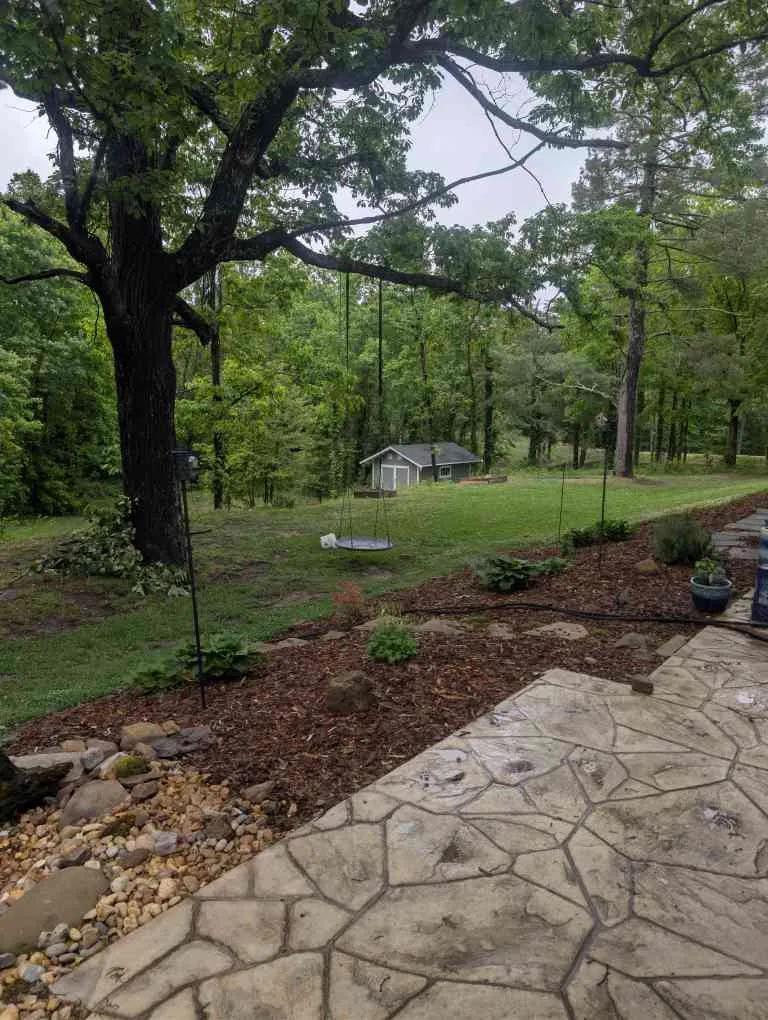
The yard looks fine from the back door. The grass is green, the beds got watered, and the storm that rolled through a few days ago already feels like last week's news. But walk out there in the evening and you will figure it out fast. The mosquitoes are worse than they were before the rain. Noticeably worse. And if you are in East Brainerd, Hixson, Ooltewah, or anywhere near one of the creek corridors that drain this valley, you are probably wondering why it feels like the season accelerated overnight.
It did. That is exactly what happened.
Mosquito season in Chattanooga does not follow a clean calendar. It follows water. And after a significant rain event moves through the Tennessee River valley, the conditions for mosquito breeding do not just improve. They compound. Standing water that was not there a week ago is now sitting in places most homeowners never think to check, and the mosquitoes that were already present in low numbers are now laying eggs in every inch of it. The hatch that follows is not gradual. It is fast and it is dense and it catches most people off guard because the storm already feels like it passed.
Understanding why this happens in Chattanooga specifically, and why mosquito control here has to account for the way this valley holds and moves water, is the whole story.
The Valley Holds Water Longer Than You Think
Chattanooga is a bowl. Everybody who lives here knows it in their bones even if they have never thought about it in those terms. Walden Ridge on the northwest. Missionary Ridge on the east. Lookout Mountain closing the southwest corner. Signal Mountain sitting up above everything like it is watching. The Tennessee River cuts through all of it, but the valley floor, where the houses are, where the yards are, where the kids play after school, does not drain the way flat ground drains. It holds.
When a storm system stalls over the Cumberland Plateau and drains south into Hamilton County, that water has nowhere in a hurry to go. It settles into the low spots. The shaded corners. The downspout zone behind the garage that has been soft underfoot since March. The USGS streamflow data for the Tennessee River at Chattanooga shows what anyone who has lived through a few wet springs here already knows: the recession after a rain event is slow. The water rises fast and drops back slowly, and the creek margins stay wet for days after the sky clears.
That slow drainage is the whole mosquito problem.
South Chickamauga Creek drains through East Brainerd, Collegedale, and Ooltewah before it meets the main stem near the river. North Chickamauga Creek runs through Hixson and Middle Valley. Neither one is a dramatic river. They are creek systems. They rise fast after rain and they recede slowly, and they leave wet margins on both sides that sit there doing exactly what warm shallow water does in May and June.
Aedes aegypti and Culex quinquefasciatus, the two species doing most of the biting in suburban Chattanooga, need about a half inch of standing water to complete a breeding cycle. The female lays eggs at the waterline. Larvae hatch in 24 to 48 hours. In Tennessee spring temperatures the full cycle from egg to biting adult finishes in seven to ten days. One rain event does not produce one wave. It produces overlapping hatches that keep rolling until the water source finally dries out.
In this valley, the water sources rarely dry out completely between storms.
The University of Tennessee Extension has documented how the ridge and valley physiographic province creates conditions on the valley floor that stay wetter, longer, than rainfall totals alone would suggest. That is the frame for every mosquito conversation in this market. Not the calendar. The creek.
Mosquito control in Chattanooga has to account for that. A treatment schedule built around average spring conditions will underperform every time a real storm moves through. The question is not whether a heavy rain week triggers a mosquito surge here. It does, every time. The question is whether your yard is covered when it happens.
What the Rain Actually Resets in Your Yard
Most homeowners think about mosquitoes in terms of their peak season behavior. Lots of mosquitoes in July, fewer in September, gone by November. That pattern is real but it obscures what happens at the smaller scale, the individual yard level, after each significant rain event.
Rain does several things at once. It fills containers. It saturates soil until water ponds on the surface. It flushes organic debris into low spots where it sits and decomposes, creating the nutrient-rich shallow water that mosquito larvae prefer. And it resets any dry periods that may have been suppressing breeding.
The CDC's mosquito control guidance identifies the most common backyard breeding sources: clogged gutters, birdbaths, plant saucers, low spots in tarps or pool covers, children's toys left outside, and any container holding even a small amount of water. After a week of rain in Chattanooga, all of those sources fill simultaneously. A birdbath that was dry two weeks ago now has standing water. A tarp over a woodpile has a depression holding an inch of water. The gutter that runs along the back of the garage roof has a sag and it never fully drains.
None of those sources are dramatic. None of them look like a swamp. But each one is a functioning mosquito nursery.
Hixson and Middle Valley have a specific version of this problem because of the way North Chickamauga Creek and its smaller tributaries interact with the residential development that sits above the floodplain. The neighborhoods are not in the floodplain. But the drainage patterns from those neighborhoods all run toward the creek, and after heavy rain the creek margins push back up into the lowest yards before they recede. That interaction keeps the soil saturated in the transition zone between maintained lawn and wooded creek edge, and that transition zone is exactly where mosquitoes prefer to rest during the day.
Ooltewah and Collegedale sit on the eastern edge of the valley where the terrain starts to rise toward the Cohutta Mountains in northwest Georgia. The creek systems here are smaller, but the residential lot patterns include more undeveloped wooded edges and longer fence lines where drainage has nowhere obvious to go. After rain, water collects in the low spots along those wooded edges and sits. It does not move. It does not evaporate quickly because the tree canopy keeps the sun off it. And it does exactly what standing water in warm weather always does.
East Brainerd has a slightly different problem. The retail and residential mix along Gunbarrel Road and the surrounding subdivisions creates impervious surface that sheds water fast into whatever drainage infrastructure exists nearby. In some cases that infrastructure handles it. In others, water pools in detention basins, retention areas, and the low spots along subdivision boundaries where the grading never quite worked the way the developer planned. That pooled water is mosquito habitat, and it sits within flying range of the back decks where families spend their evenings.
Why Mosquito Season Accelerates After Rain Instead of Slowing Down
There is a common assumption that rain washes mosquitoes away. It does not. Rain disrupts adult mosquitoes temporarily. A sustained heavy downpour will ground them. But the moment the rain stops and the air stills, adults that were resting in protected spots under leaves and in dense vegetation are right back out. And they have fresh breeding habitat to work with.
The population dynamic after a rain event is additive. The adults that survived the storm are still present. The eggs that were laid before the storm in marginal wet spots now have deeper water to hatch into. And the new eggs being laid in the post-storm standing water will produce a hatch that peaks roughly a week to ten days after the storm passed.
Research from the American Mosquito Control Association confirms that mosquito populations build in overlapping generations. At any point during active season, multiple generations are cycling simultaneously. A rain event does not start a new cycle. It accelerates the ones already running and adds new ones on top.
That is why the week after a major storm often feels worse than the storm week itself. The standing water is visible during the storm. After the storm, the water has settled into less obvious spots and the hatch from the storm-week eggs is starting to emerge.
Mosquito control in Hixson and the rest of the valley follows this pattern reliably. Properties that were manageable before the storm often feel unmanageable for two to three weeks after it unless they had an active barrier treatment in place before the rain hit.
Ticks Are Part of This Too
This is worth saying plainly. The same rain that resets mosquito breeding conditions does something parallel for ticks, and in Chattanooga that is not a minor footnote.
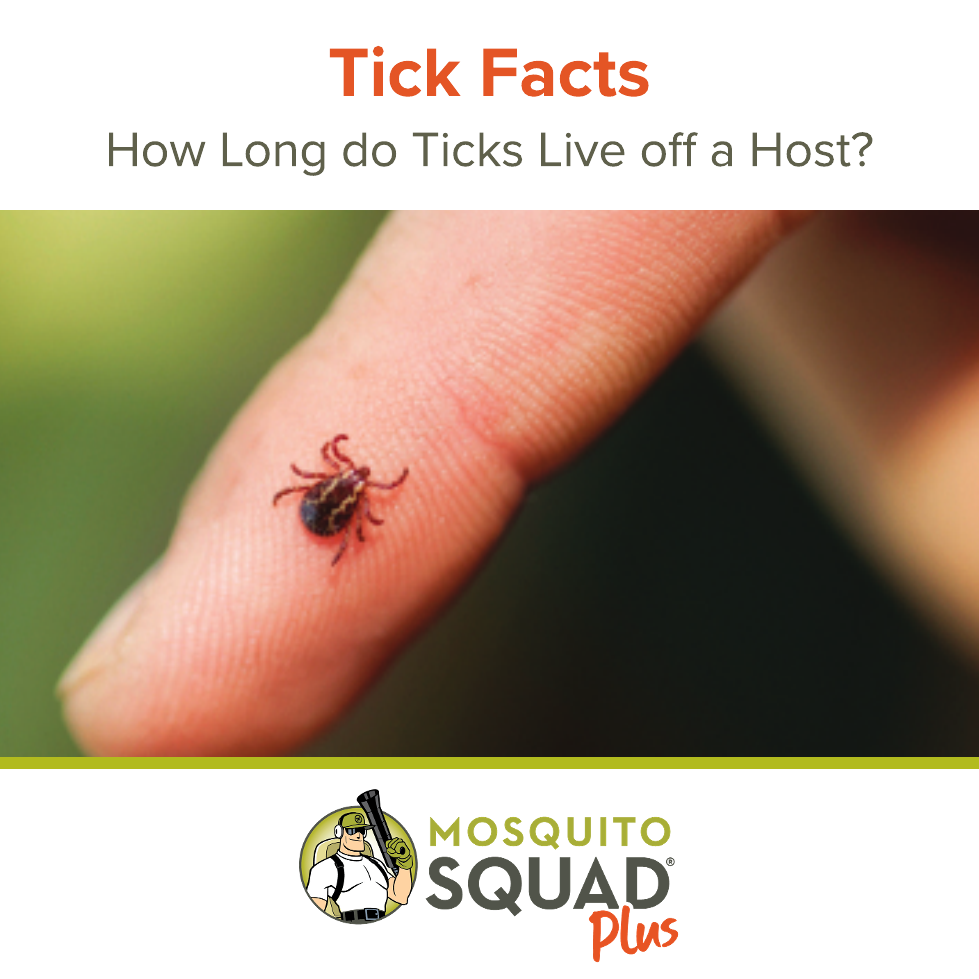
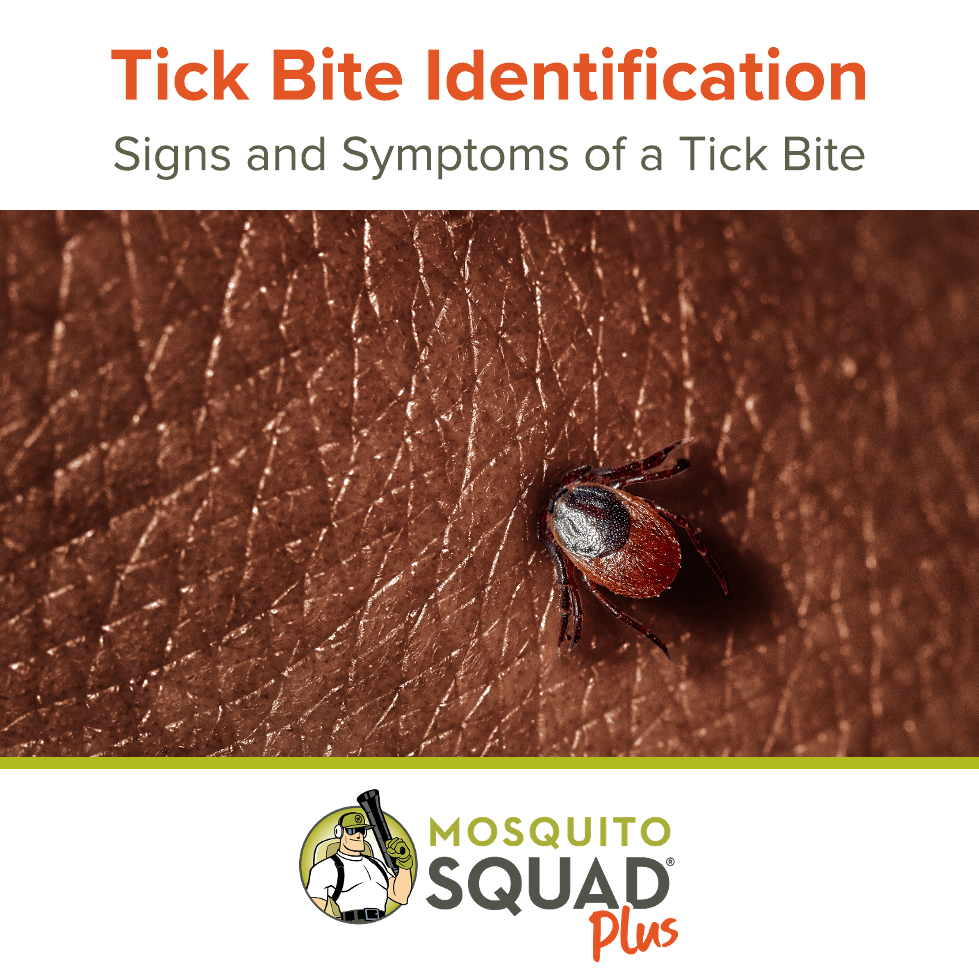
Ticks do not breed in standing water. But the saturated soil, the wet leaf litter, the dense shaded vegetation that a week of rain produces, that is exactly where ticks rest while they wait for a host to walk by. The Tennessee Department of Health consistently puts Hamilton County among the higher-burden counties in the state for tick-borne illness. That is not a coincidence given the terrain.
The wooded edges of Ooltewah. The creek margins in Hixson. The trail-adjacent lots on Signal Mountain and Soddy Daisy. American dog ticks and lone star ticks in numbers that genuinely surprise people who moved here from somewhere drier. After a wet week those habitats are damp and shaded and exactly what those species want. If you are only treating for mosquitoes on a property with wooded edges, you are solving half the problem and leaving the other half to figure itself out.
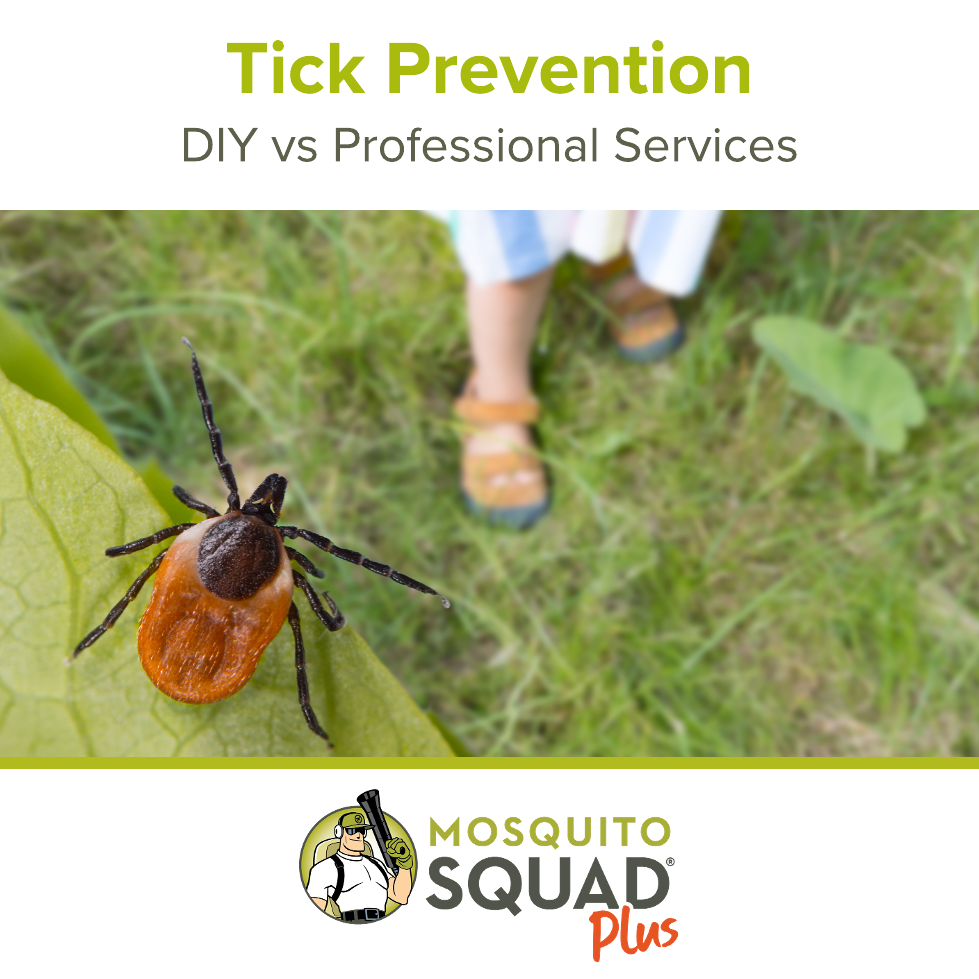
Tick control in Chattanooga targets the resting habitat. The shaded fence line. The wood edge. The mulch bed. The transition zone between the lawn and the brush where the dog cuts through every morning. Those are the same zones that hold moisture after rain. Same geography, same timing, same treatment window. It makes more sense to handle both at once than to treat them like separate problems, because in this valley they are not separate problems. They are the same problem wearing different legs.
What a Barrier Treatment Does After Rain
The source reduction work still matters. Tip the birdbath. Clear the gutter. Check the tarp. The 7 T's of mosquito control are real and they help. But in a valley where drainage patterns create standing water in spots no homeowner can reasonably find, let alone eliminate, source reduction alone is not going to get you there.
A barrier treatment goes into the vegetation where mosquitoes spend most of their time. Not the open air. Not the middle of the yard. The shrub lines. The lower canopy. The dense ground cover along the fence. The shaded edge where the mulch meets the grass. Mosquitoes are not flying around at noon. They are sitting in cool, humid vegetation waiting for evening, and the barrier treatment finds them there. Done on a 21-day cycle it interrupts the population before the next generation reaches biting age.
Timing matters more after a storm than it does in normal weeks. A treatment that was applied a few days before a major rain event will still provide some residual protection, but the standing water the storm creates is going to produce a hatch that runs on top of whatever was already cycling. A treatment applied in the week after the storm, when that post-storm hatch is just starting to emerge, catches the population at the most vulnerable point in its cycle. That is the window that makes the difference between a manageable yard and a yard nobody wants to be in.
Mosquito Squad's barrier treatment runs on that 21-day schedule. Not because it is a round number. Because that is how long the residual protection holds under normal conditions and because that interval keeps the treatment cycle ahead of the overlapping hatches that storm events trigger.
Properties in Ringgold and Rossville along the Georgia border deal with a harder version of this. The terrain holds more water, deer movement through the wooded corridors keeps tick pressure elevated alongside mosquito pressure, and the properties tend to have more wooded edge than the closer-in neighborhoods. The Complete Home and Yard package was built for that level of coverage and it is what most of those properties actually need.
When to Start and Why Waiting Costs You
The question we hear most often in spring is whether it is too early to start. The answer in Chattanooga is almost always no, it is not too early, and waiting usually means you are starting behind.
Mosquito activity in Tennessee begins when daytime temperatures consistently reach the mid-60s. In Chattanooga that can happen as early as late March in a mild year. The Tennessee River valley's bowl geography means that overnight low temperatures on the valley floor stay warmer than they do on the surrounding ridges, which accelerates the start of mosquito season compared to what a simple statewide average would suggest.
Properties near the creek corridors, those in Hixson, Ooltewah, East Brainerd, and Collegedale, typically see mosquito activity two to three weeks earlier than open, sunny lawns in drier microclimates. By the time a homeowner notices the first biting pressure of the season and calls, the population on their property has already been building for several weeks.
Starting mosquito control in Chattanooga before the first significant rain event of the season means the barrier treatment is already working when that rain hits. Properties without treatment going into a major storm start the season playing catch-up. Properties with an active program going into that storm are in a fundamentally different position when the post-storm hatch arrives.
The Home Shield package extends that coverage to include perimeter pest control for the full twelve months, which matters because Chattanooga's mild winters mean pest pressure does not fully stop. It pauses. The same properties dealing with mosquitoes in May are dealing with spiders and rodents in November. Year-round protection built around the actual seasonal pattern of this valley makes more sense than starting over every spring.
The Creek Corridors Are the Frame
Everything about mosquito control in Chattanooga comes back to the creek system. North Chickamauga Creek through Hixson and Middle Valley. South Chickamauga Creek through East Brainerd, Collegedale, and Ooltewah. The small unnamed tributaries that drain the ridgeline neighborhoods and empty into Chickamauga Lake before the water reaches the Tennessee River.
Those creeks do not cause mosquito problems the way a stagnant pond causes a mosquito problem. They cause mosquito problems because of what they leave behind. The saturated soil. The slow-draining margins. The network of low spots in residential yards that connect, hydrologically, to creek drainage patterns that no homeowner ever thinks about when they are standing in their backyard wondering where all the mosquitoes came from.
The USGS National Water Information System tracks water levels and flow rates for the creek tributaries in Hamilton County. The data shows what anyone who has lived in this valley through a few wet springs already knows intuitively: the creek system stays elevated longer than the rain totals suggest it should, and the properties nearest the creek corridors feel that water retention in their yards for days after a storm.
That is the Chattanooga mosquito story. Not a single dramatic event. Not one bad week. A valley that holds water, a creek system that drains slowly, and a mosquito population that knows exactly what to do with both of those facts every time a spring storm moves through.
If you are in Chattanooga, Hixson, Ooltewah, East Brainerd, Ringgold, or any of the communities across Hamilton County and Northwest Georgia, call Mosquito Squad at (423) 403-3513 or get a free quote online. The first treatment is scheduled within 48 hours.