Where the Hiwassee River Meets the Back Fence Line in Georgetown
Posted by Mosquito Squad Plus
April 13, 2026
Georgetown does not look like a place with a significant tick problem when you first drive through it. The lots are generous, the terrain rolls through the lower Appalachian Highlands between the Hiwassee River and Chickamauga Lake, and the properties have the kind of space that draws people here specifically. Half an acre to well over ten acres in places. Enough room that the back of the property feels genuinely removed from the road and the neighbors.
What most Georgetown homeowners do not think about when they move to this corridor is what those large lots back up to. Not another subdivision or a neighborhood street. The creek drainage running through the back of the property. The wooded edge where the cleared land gives way to the brushy terrain connecting Georgetown's residential lots to one of the largest active wildlife management areas in the region. The Hiwassee River corridor that has been moving deer, raccoon, turkey, and every other host species for tick populations through this part of Tennessee for longer than the houses have been here.
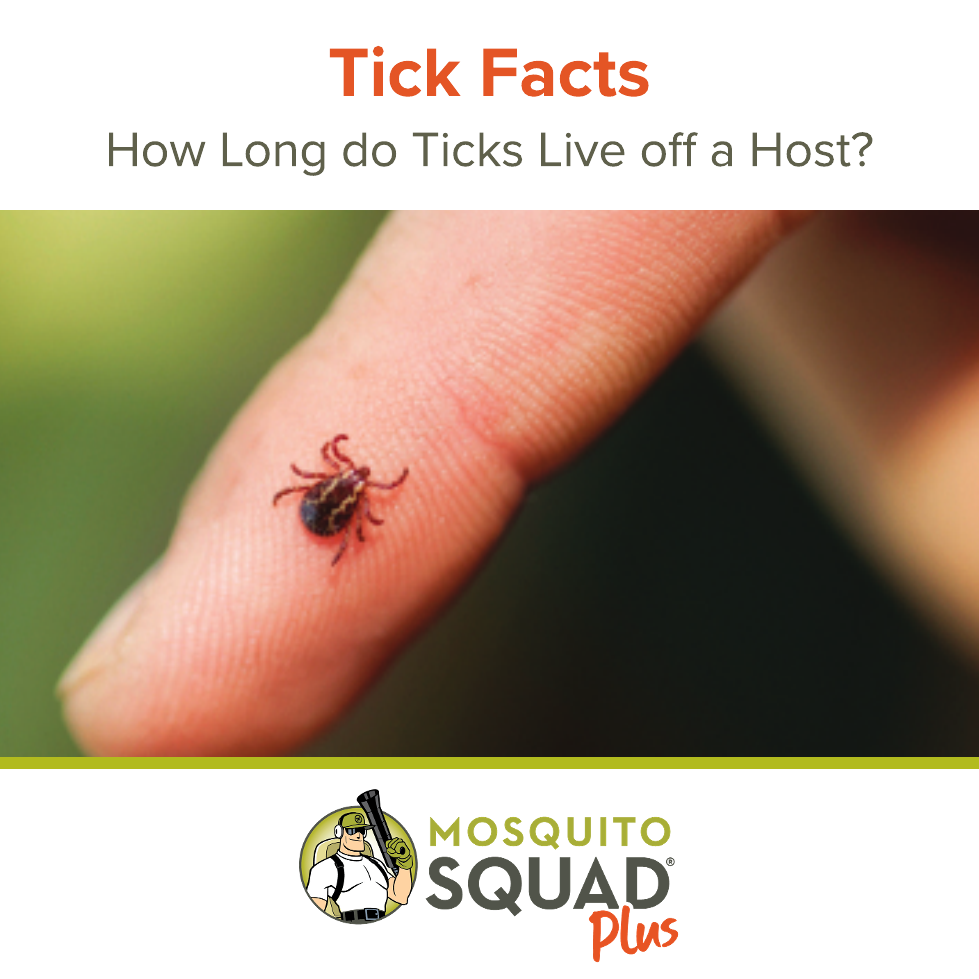
It is early April. The Lone Star tick, the most commonly encountered and most aggressively host-seeking species in this part of Tennessee, does not wait for the calendar to feel like spring. It is active right now in the leaf litter along the creek bank at the back of the property and in the brushy edges where cleared residential land gives way to the wooded terrain connecting Georgetown lots to the Hiwassee corridor. Most families find that out on a specific afternoon rather than gradually. The season does not announce itself. It just shows up.
What Makes Georgetown Different From the Rest of the Hamilton County Tick Conversation
Georgetown is not Hixson and it is not Ooltewah. The tick pressure in those communities comes from specific terrain features, creek corridors and hillside woodlands in Hixson, new subdivision edges backing into Enterprise South in Ooltewah. Georgetown's tick pressure comes from something older and larger than either of those.
This community sits at the junction of Bradley, Hamilton, and Meigs counties. That three-county junction is not just an administrative boundary. It places Georgetown inside a wildlife corridor that runs continuously from the Hiwassee River through Chickamauga Lake and into the surrounding managed lands in all three counties. The Tennessee Wildlife Resources Agency manages the Hiwassee Wildlife Refuge, 6,000 acres at the confluence of the Hiwassee River with Chickamauga Lake, including 1,750 acres of mixed pine and hardwood forest with documented abundant deer, turkey, and waterfowl populations. The Chickamauga Wildlife Management Area adds another 4,000 acres along the Tennessee River and Hiwassee River corridor in multiple units across the adjacent counties.
Those are not parks that people occasionally visit. They are active wildlife management areas where TWRA personnel actively maintain habitat for deer and other species. The deer that use that habitat move between the managed refuge land and the residential properties of Georgetown through the creek drainages and wooded corridors that connect the two. A Georgetown homeowner on a five-acre lot with a creek running through the back of the property is not living adjacent to wildlife habitat. They are living inside the same corridor that wildlife uses year-round.
Penn State Extension's tick habitat documentation is specific: blacklegged ticks are most abundant in densely wooded areas and at the edges of woods, and maintained lawns are far less attractive to them except where they directly abut woodland. On a Georgetown lot where cleared residential land meets creek drainage or wooded property edge, that abutment describes a significant portion of the property boundary. The maintained turf near the house is genuinely lower-pressure terrain. Everything at and just beyond the wooded edge is not.
The Three-County Junction and What It Means for Wildlife Movement
Most communities have a single terrain feature driving their tick pressure. A creek corridor. A park boundary. A wooded ridge. Georgetown has all of them simultaneously because of where it sits geographically.
The Hiwassee River runs along the northern edge of the Georgetown corridor before joining Chickamauga Lake. State Route 58 crosses the river at Agency Creek, which the TWRA documents as the upstream boundary of the Hiwassee Refuge. That places Georgetown residential properties within the active range of wildlife that uses the refuge territory continuously. The creek and wetland drainage systems that run through Georgetown's large residential lots are the same systems that connect the refuge habitat to the surrounding upland terrain in three counties.
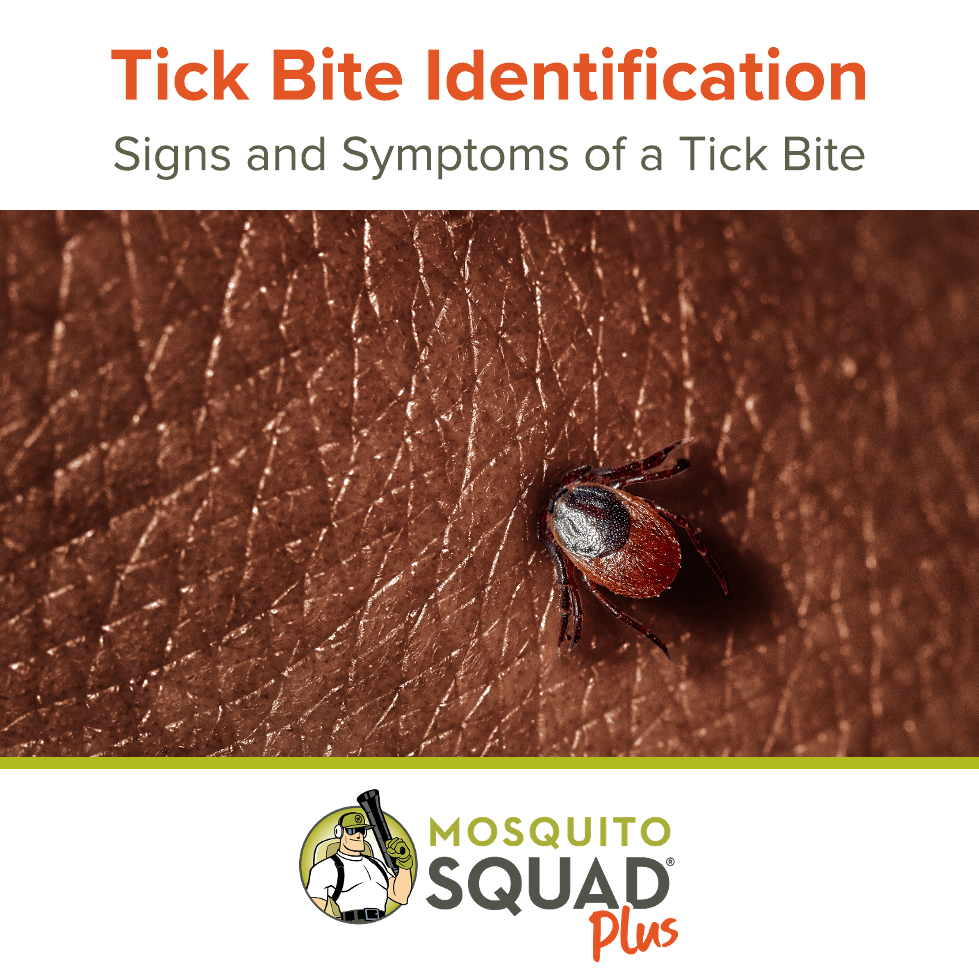
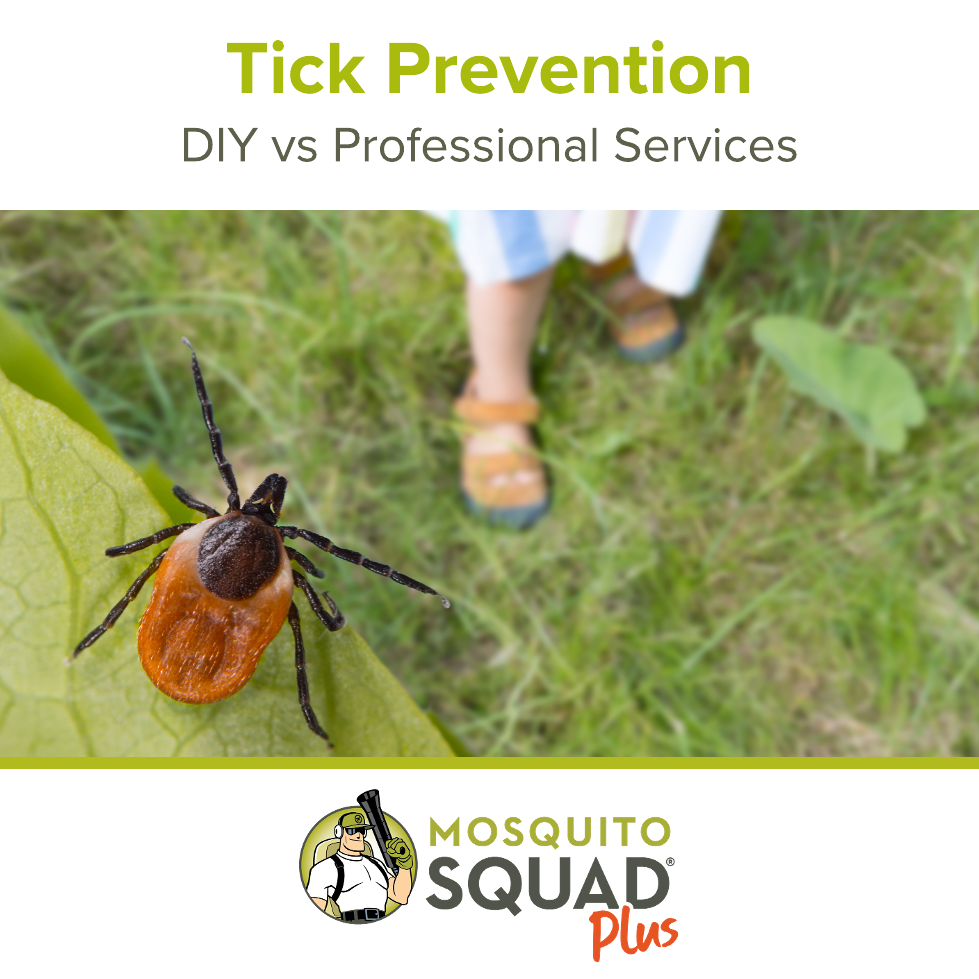
White-tailed deer are the primary reproductive host for adult blacklegged ticks. White-footed mice, raccoon, and ground-feeding birds carry larval and nymphal stages that represent the highest transmission risk to humans. The CDC documents that nymphal blacklegged ticks quest actively from April through July, that their poppy-seed size makes them nearly impossible to detect during the 36 to 48 hours needed for Lyme disease bacteria to transmit. In a community where wildlife movement through residential properties is not an occasional event but a consistent pattern driven by active refuge and management area territory, that exposure window is open across a significant share of Georgetown lots from early spring through late fall.
Research published in Environmental Entomology and reported by Entomology Today confirmed that nymphal tick density was highest at the wooded side of the lawn-forest transition zone and that nymphs tend to stay where they drop off hosts. On a Georgetown property with a creek drainage or wooded back edge, that transition zone is not a narrow strip along a subdivision fence. It is often the back third of the property or more.
The Ticks Active in This Corridor
Three species drive most of what Georgetown homeowners encounter and they operate on different schedules.
The Lone Star tick is the one most families find first. The Tennessee Department of Health documents it as an extremely aggressive species distributed throughout the southeastern United States that actively pursues hosts rather than waiting passively on vegetation. It transmits ehrlichiosis, tularemia, and Alpha-gal syndrome. That last condition is a permanent allergic reaction to red meat caused by a single bite. The Tennessee Department of Health has formally listed it as a disease of concern and cases are rising statewide. Ehrlichiosis, primarily transmitted by the Lone Star tick, was the most reported tick-borne disease in Tennessee in 2023 according to the department's surveillance program, with cases rising since 2015 and peak exposure from April through June.
The Lone Star tick's aggressive behavior changes how homeowners in Georgetown experience tick encounters compared to communities where blacklegged ticks dominate. It does not stay at the wooded edge and wait. It moves toward hosts actively. Finding one near the back porch or on the edge of the mowed lawn is not a sign that something unusual happened. It is the species doing what it does in terrain that gives it every advantage.
The blacklegged deer tick adds a second layer. The Tennessee Department of Health documents Lyme disease cases in the state increasing steadily since 2014, with the expansion of blacklegged tick populations from the Northeast into Tennessee's suitable habitat. CDC Lyme disease documentation places the nymphal peak from April through July with highest exposure risk in exactly the window when Georgetown families are spending the most time outdoors on their large lots.
The American dog tick completes the picture, most commonly found at the exact transition where mowed lawn meets wooded or overgrown vegetation. On a Georgetown lot that describes a fence line, a creek bank, a field edge, or wherever the cleared residential land gives way to the brushy terrain connecting to the Hiwassee corridor.
What Georgetown Homeowners Run Into
The large lot character of Georgetown creates a specific exposure pattern that is different from what happens in denser suburban communities, and different from what most families expect when they move here.
People choose Georgetown for the space. The lot that runs to a creek. The back of the property where the cleared land drops into wooded terrain and you cannot see the neighbor's fence. That distance from the road and the subdivision feel is exactly what draws families here. It is also exactly what makes the first tick encounter disorienting when it happens.
It does not happen near the house. It happens at the far end of the property, near the creek, in the corner where the mowed area gives way to the brushy edge along the tree line. The dog comes back from that corner and sits unusually still while you work through the fur at the base of its ear and find something small and dark that was not there this morning, already partially attached. Or a child comes inside from the back of the lot with a bite that develops slowly over several hours near a sock line rather than on open skin, the kind of bite you find during the bath that night rather than when it happened.
The yard gets walked the next morning. Nothing obvious turns up near the house or in the open mowed area, which makes sense because the open mowed area is not where the pressure lives. It is in the leaf litter along the creek bank. It is in the brushy transition where the cleared property edge meets the wooded terrain connecting back toward the Hiwassee corridor. It is in the shaded low spots where the drainage stays damp three or four days after the last rain event.
The response is to treat the area near the house because that is the part of the property that feels manageable. The back porch, the area around the fire pit, the mowed section where the family spends time. That is a reasonable instinct and it addresses the lowest-pressure zones on the property while the edge zones producing the encounters stay untouched.
Natural perimeter products go on next. Cedar oil, essential oil blends, granular treatments along the fence line. The CDC is direct that natural products are not proven effective against ticks. In Georgetown's humid creek corridor terrain, anything without real residual staying power breaks down before it does meaningful work against a population being continuously replenished by wildlife moving through the Hiwassee corridor. The tick checks get more serious. Both are reasonable responses to finding something on the dog or a child. Neither addresses the source population at the wooded edges that produced it, and neither changes what happens the following weekend when the dog is back in that corner of the property and the kids are at the far end of the lot near the creek.
How Treatment Works on a Georgetown Property
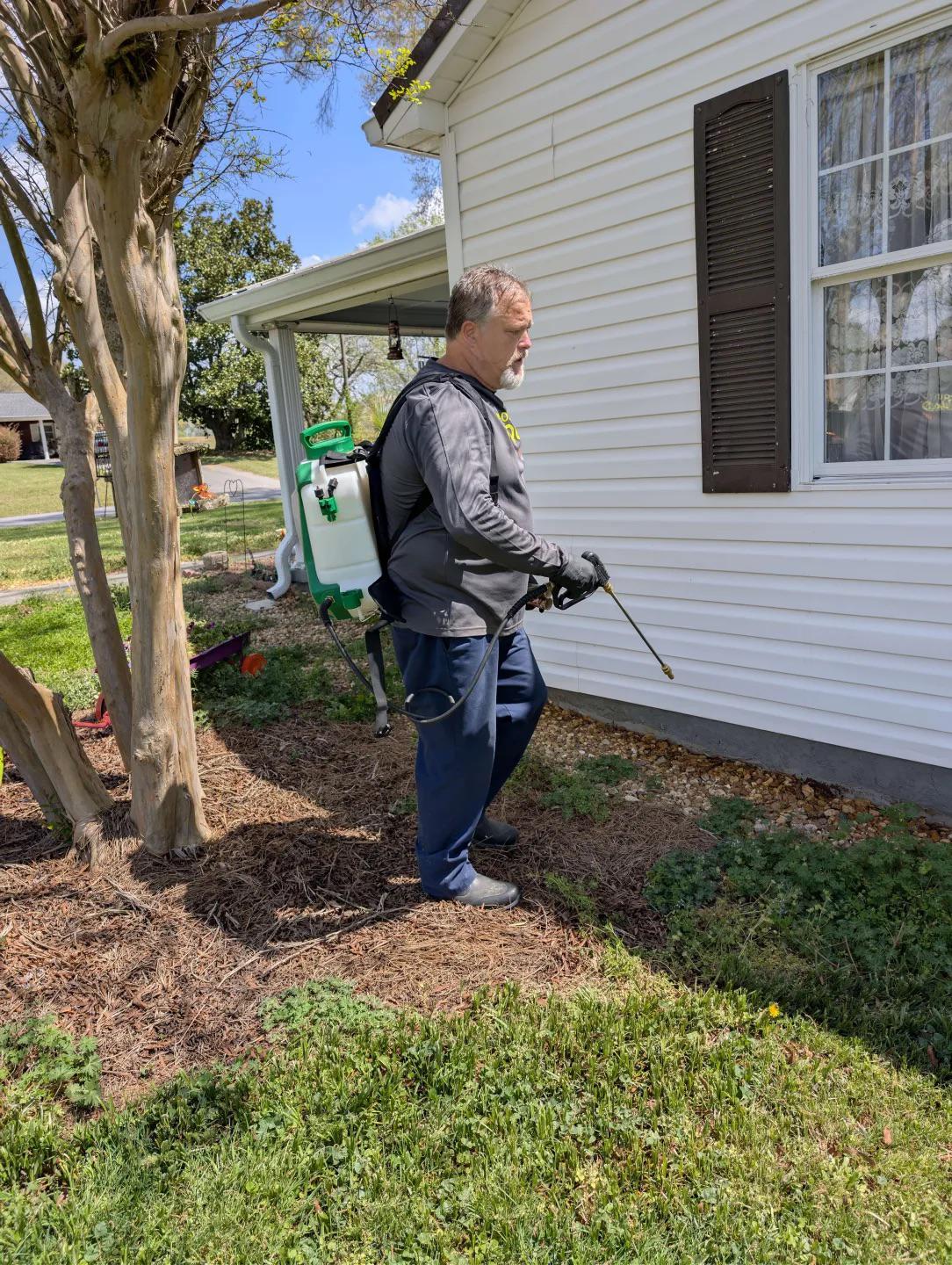
Effective tick control on a Georgetown property follows the terrain logic rather than the proximity-to-house logic. The edge zones are the targets. The leaf litter accumulation along the creek bank. The brushy transition where mowed or grazed land gives way to wooded terrain. The shaded low areas that stay damp well after rain events clear through. The fence line where the maintained property meets whatever was there before the house was built. Those are where the population concentrates and where a properly applied treatment intercepts it before it reaches the parts of the property where families actually spend time.
What makes Georgetown's treatment geography different from a denser suburban lot is scale. The edge zone on a quarter-acre subdivision lot might be forty feet of fence line. On a Georgetown property with creek frontage and several acres of cleared land backing into wooded terrain, the treatment perimeter is considerably longer and the reintroduction pressure from the Hiwassee corridor is consistent throughout the active season. That is not a reason to skip treatment. It is a reason to start it before the season peaks and to maintain it on a schedule that does not create gaps where the population quietly re-establishes.
For properties with significant creek frontage or wooded acreage, tick tubes add a second layer by targeting the white-footed mice and small mammals that carry larval ticks into residential areas before they ever reach the biting stage. The CDC recommends consulting a licensed applicator for properties with significant tick pressure and notes that targeted pesticide use can meaningfully reduce tick populations in treated areas. On a Georgetown lot where the back of the property borders active wildlife management territory, that second layer is worth the consideration.
Birchwood sits along the same Hiwassee River and Chickamauga Lake corridor and properties there with creek-adjacent lot lines face the same continuous wildlife-driven reintroduction pressure from that refuge territory. The edge zone treatment logic that applies in Georgetown applies equally through that corridor for the same terrain and wildlife movement reasons.
When to Start and What to Watch For
Early April is the window. The Tennessee Department of Health's ehrlichiosis surveillance data shows exposure climbing from April and peaking through June, with the Lone Star tick driving the most commonly reported cases. A first treatment in early April intercepts that population before its highest-exposure period rather than reacting to it.
The specific indicators that tell you the season is already running in a Georgetown yard: deer sign in the soft soil along the creek bank or the back fence in late March. The dog sitting unusually still after a morning in the back of the property, something small and dark at the base of its ear that was not there before. A child coming inside from the far end of the lot with a bite that develops slowly near a sock line. On a large Georgetown lot where the back of the property connects directly to the Hiwassee corridor terrain, those are not unusual events. They are the season announcing that it started while you were paying attention to other things.
Harrison homeowners with creek-adjacent properties and large wooded lot edges in eastern Hamilton County see comparable pressure for similar terrain and wildlife movement reasons. Cleveland sits in the Bradley County corridor adjacent to Georgetown and properties there with similar rural residential character and creek drainage face the same early spring activation pattern.
For context on how tick season builds across the broader Hamilton County terrain, the Hixson and Middle Valley tick blog covers what the North Chickamauga Creek corridor does to tick season on the northwest side of Chattanooga and the Hopewell blog covers what Candies Creek means for the pest season in that corridor. Georgetown's tick pressure comes from a different water system and a different wildlife source than either of those communities.
The Hiwassee corridor has been here longer than the lots. The wildlife moving through it does not check property lines. Reach out to Mosquito Squad Plus and get the edge zones addressed before the season peaks.