What Chattanooga's Terrain Does to Pest Pressure Before It Ever Reaches Your Door
Posted by Mosquito Squad Plus
May 28, 2026
Nobody calls us because they understand the terrain. They call because they found something in the kitchen, or heard something in the walls, or finally had enough of getting eaten alive every time they tried to sit in the backyard. The terrain is not what they're thinking about. But it's always what we're thinking about.
Chattanooga is not one pest environment. It is four or five depending on which direction you drive and how far you drop in elevation. Downtown sits at 676 feet. Signal Mountain crests above 2,100. The Tennessee River cuts through the middle of all of it and drains a watershed covering 21,400 square miles, according to the USGS monitoring station at Chattanooga. That much water moving through that much elevation change, across limestone bedrock that does not drain uniformly, creates pest conditions that are genuinely different by neighborhood. The homeowner on a creek lot in Hixson has a different problem than the homeowner on a ridgeline lot in Walden. Both have a different problem than the homeowner in East Brainerd sitting on flat suburban terrain with stormwater infrastructure running under the back half of the yard.
Pest control in Chattanooga that treats those three properties the same way is going to be wrong for at least two of them. That is not an opinion. It is what thirteen years of routes through Hamilton County teaches you.
What the Bedrock Is Actually Doing Under Your Foundation
Most of Hamilton County sits on limestone and dolomite. Where that bedrock fractures and dissolves over time, you get karst features. Sinkholes. Subsurface drainage channels. Water disappearing into the ground in one spot and reappearing somewhere unexpected, keeping soil wet in places that look completely dry from the surface.
Where the bedrock stays intact, the opposite problem happens. Water pools against it at the surface and does not move. It presses against foundation walls. It keeps the soil at the foundation line saturated for days after the rain stops. The homeowner who cannot figure out why their crawl space stays damp after a dry week is not dealing with a plumbing problem. They are dealing with bedrock behavior that has been happening since before the house was built, in soil that has been holding water against that exact spot for a long time.
UT Extension's termite publication PB1344 documents that subterranean termites need consistent soil moisture to survive and that sustained ground contact with moisture keeps colonies active in Tennessee year-round. Termites are the most talked-about consequence of that soil condition. They are not the only one. Every moisture-dependent pest in this market follows the same physics. The ground moisture is the driver. The pest that shows up at the door depends on the season.
What a Crawl Space Becomes in This Valley
A crawl space in a dry climate is storage you never use. A crawl space in the Tennessee River valley is a different thing entirely.
Relative humidity in Chattanooga runs between 75 and 80 percent through most of the year. A crawl space in those conditions does not dry out between rain events. It cycles between wet and damp. It holds that condition through February and March and April when nobody is thinking about pest pressure at all. Wood at 30 percent moisture content begins to decay. That is the threshold. Joists and sill plates in a chronically damp crawl space break down from the bottom up, invisibly, while the floor above them looks and feels completely fine.
The pests that find crawl spaces first are not looking for food. The NPMA's American cockroach profile documents that this species enters structures through drains, pipes, and gaps at the foundation level in search of moisture, not food. American cockroaches and Oriental cockroaches, both documented by the NPMA as crawl space and basement species that enter through floor drains and utility gaps, are the dominant cockroach control calls in Chattanooga. They follow a humidity gradient from the crawl space through the foundation into the lower levels of the home. The German cockroach that homeowners associate with kitchens is almost always a secondary invader. The ones coming through the slab and foundation gaps got there first.
Treating the interior of the home and not the crawl space perimeter is treating the wrong room. The pest that showed up in the kitchen started its journey under the floor weeks ago.
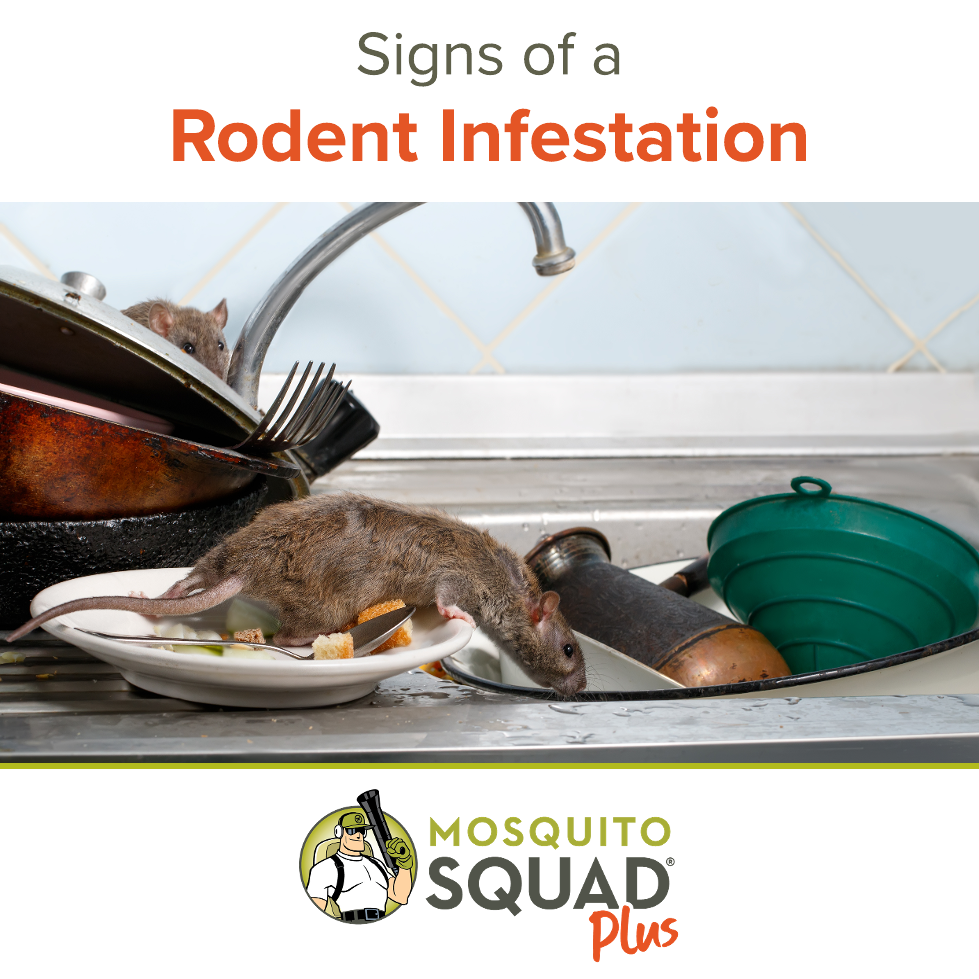
The CDC's guidance on rodent entry points puts the entry threshold for a mouse at a quarter inch and a Norway rat at half an inch. Those are not abstract measurements. They describe the mortar gaps and aging foundation lines in older crawl space homes across East Ridge, Red Bank, and the established neighborhoods off Hixson Pike. The gap does not care which pest uses it. Cockroaches in summer. Spiders in fall. Rodents in November. Same opening, different pest, different month, same conversation.
What the Valley Floor Does to the Pest Season Calendar
Mosquito season in the Tennessee River valley does not follow the calendar the way people assume. It follows soil temperature in the low-lying creek corridors. When that warms enough to hold heat overnight, the breeding cycle starts. In most years, that is the last week of March in Hixson, Middle Valley, and Ooltewah. Homeowners on open elevated lots often do not notice mosquitoes until mid-April. By that point the creek-adjacent properties have already completed two full breeding cycles.
Half an inch of standing water. Seven to ten warm days. That is the entire requirement, as UT Extension's mosquito management research documents. The mulch beds around every house in this valley hold that much moisture after a normal March rain. The drainage low spots behind subdivisions in Collegedale and East Brainerd hold more. Some of the heaviest breeding sources are not on the homeowner's property at all. They are in the drainage corridor two lots over that nobody owns, nobody manages, and nobody treats.
Calling in May because mosquitoes are already bad means calling after the population has momentum. The mosquito barrier treatment works in May. It just works better in April when it is still ahead of the season. That gap between late March and mid-May is exactly where the pest season gets away from homeowners in this valley every year without them realizing why.
What Ridge Terrain Does That Creek Bottom Terrain Does Not
Signal Mountain, Walden, and Lookout Mountain do not have the same mosquito problem the valley floor has. They have a different problem that is worse in one specific way.
Deer move along ridges. Ticks move with deer. The wooded transition zones between ridgeline neighborhoods and the valley below them are dense, shaded, undisturbed leaf litter that holds heat and moisture at ground level. That is exactly what American dog tick and black-legged tick habitat looks like at its most productive. A property on Signal Mountain with any wooded back edge is generating tick pressure from that edge throughout the entire active season. The ticks are not arriving from somewhere else. They are living and reproducing in the buffer zone the homeowner chose for privacy.
Both species are active in Tennessee by the mid-40s. That is a late March reality in Chattanooga in most years. Homeowners who assume cold April nights mean no ticks are finding out otherwise every spring, usually when they pull one off a kid or a dog after a walk that did not go anywhere near the woods. A deer path crossing the back corner of a Hixson or Soddy Daisy yard carries ticks into that property on every pass without leaving any visible evidence that it happens.
Tick control that starts in late April on a ridgeline or wooded-edge property is already three weeks behind the season. The 6 C's of tick control matter here specifically because the structural conditions on these properties favor ticks at every point. Treating the open lawn covers the place where people spend their time. Treating the transition zone at the yard's edge covers where the ticks actually live. Both matter. Stopping at the lawn line is the mistake that produces the same result every year.
What Ants in April Are Actually Telling You
When ants push inside in force in April, the instinct is to blame the kitchen. Something left on the counter. Did not wipe down quickly enough. That explanation feels right and is almost never correct.
Saturated spring soil pushes ant colonies upward. The colony is not hunting food. The ground got too wet and the colony moved toward higher and drier ground, which in a crawl space home means moving toward the structure. The ant trail on the counter is the end of a journey that started at the foundation line, through the same gap cockroaches found last summer and mice will find next October.
Ant control that addresses what is visible on the surface but not what is happening at the foundation perimeter produces the same call next April. The pest changes species. The entry condition does not change.
Fire ants are a separate and more aggressive conversation in the southern parts of the market. Properties in Ringgold and Fort Oglethorpe see fire ant colony expansion starting in April on a timeline completely independent of mosquito season in Hixson. The two run on different clocks and neither waits for the other.
Carpenter ants deserve their own sentence because they are the most consistently misread pest in Chattanooga. They do not eat wood. They excavate wood that moisture has already softened. Finding them in a window frame or a deck board is not a carpenter ant problem. It is evidence that moisture reached that wood before the carpenter ants did. They are downstream of the same crawl space and soil moisture conditions driving everything else on this list.
What Rodents Do With a Ridge-and-Valley City When the Weather Turns
Norway rats work creek bottoms and ground-level gaps. Roof rats, increasingly present across the Chattanooga market, work attic spaces and upper stories of older structures. House mice move with temperature and fit through a quarter inch.
The ridge-and-valley terrain gives rodents travel corridors that flat Southern markets do not offer them. Wooded ridgelines connect directly to residential neighborhoods without interruption. The transition from Signal Mountain woodland to Signal Mountain subdivision is not a barrier for a Norway rat. It is a commute they have been running since the subdivision was built.
October is when rodent control becomes the urgent conversation in Chattanooga. Temperatures drop. Structures that are warm and accessible become attractive. The homes that call us about mice in November are almost always the same homes that ran mosquito barrier treatments through September and stopped service assuming the season had ended. It had not. The pest changed. The gap in the foundation that cockroaches used in July is the same gap a mouse is measuring in October. Same structure, different species, different month.
Trapping removes what is currently inside. It does not close the opening. Pest control in Chattanooga that addresses rodents without an exclusion component is a temporary answer to a permanent structural condition. The Tennessee Department of Agriculture requires that pest control companies operating in this state carry a charter and that technicians hold active commercial applicator certification. That licensing structure exists because structural pest work, including rodent exclusion, requires someone who knows what they are looking at and what to do about it. A trap in the pantry does not qualify.
What Year-Round Pest Control Actually Means in This Market
Mosquitoes and ticks from late March through October. Ants from April through September, fire ants a week or two earlier in the southern market. Cockroaches year-round in any crawl space home where the moisture condition does not reset. Spiders building webs along foundation lines from August through November. Rodents from October through February. Termites every month in the sustained soil moisture of the Tennessee River valley, swarming visibly in spring but never actually stopping.
A seasonal spray covers three months of a twelve-month problem. That is the math. The 7 T's of mosquito control describe the environmental management practices that make treatments last. In Chattanooga's terrain, several of those T's, tipping, tossing, tarping, are fighting conditions that the ground itself keeps resetting. That is why program continuity matters more here than in drier markets.
The Home Shield program runs year-round on the structure perimeter, covering mosquitoes, ants, cockroaches, spiders, rodents, and home invaders on a rolling treatment schedule that adjusts to what is active by season. For crawl space homes in Hixson, East Brainerd, Red Bank, and East Ridge, it is the program built for what these foundations deal with across twelve months.
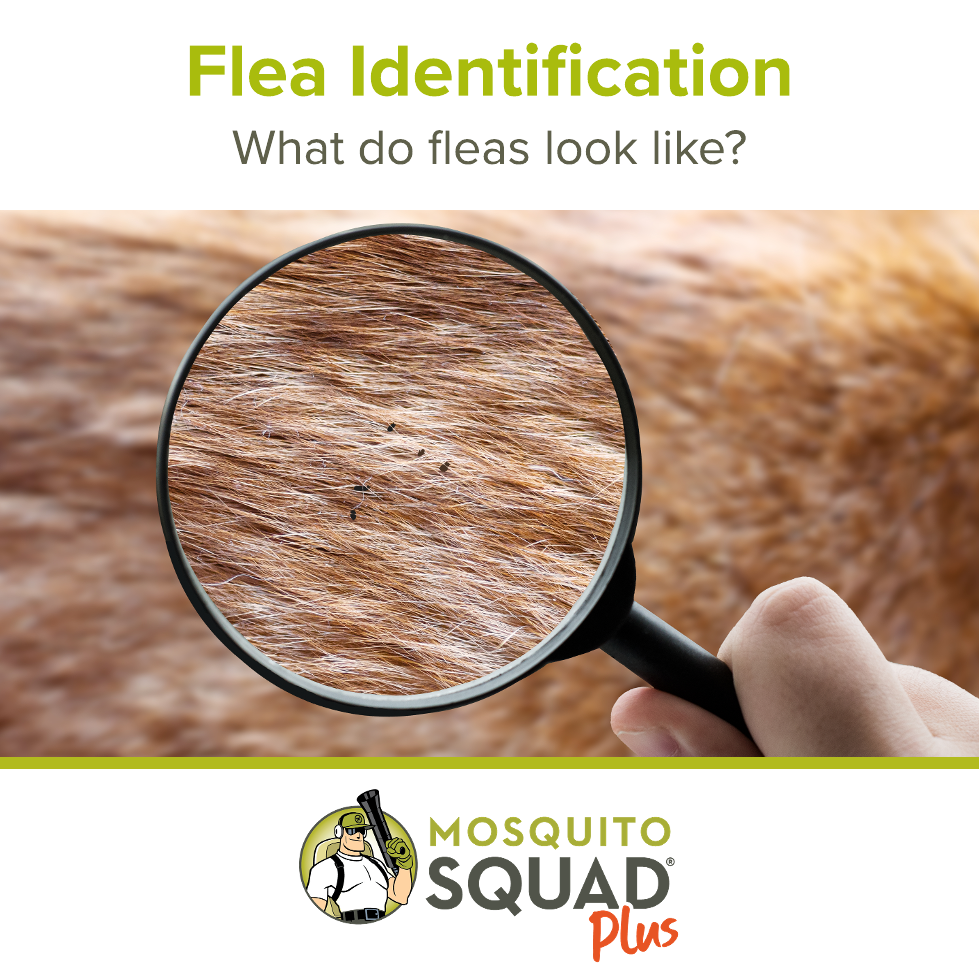
The Complete Home and Yard package adds full yard pest management to the structure perimeter. Fire ants, ticks, fleas, chiggers, flies, the entire exterior. Properties in Ringgold and along the Georgia border with heavy fire ant pressure, and wooded ridgeline properties in Signal Mountain, Walden, and Lookout Mountain with active deer movement and wooded edges, are where this level of coverage pays off fastest.
Neither program is a single visit. That is not how pest control in Chattanooga works in a city built between a river and three ridges, where the bedrock holds moisture for weeks and the elevation drops 1,400 feet inside the same county.