Mosquito Control in Burlington, KY When the Fairway Drains Into Your Yard
Posted by Mosquito Squad Plus
October 22, 2026
Reviewed by Brandon Robertson
A house on the edge of a golf course is one of the nicer addresses in Burlington. No neighbors behind the house, a long stretch of green off the back deck, and a buffer of open ground that is never going to turn into another row of rooftops. What the listing never mentions is that a golf course is built to move water, and a lot of that water moves downhill toward the homes along its edge.
Kevin, one of our technicians who runs routes across Boone County, was on exactly that kind of property this week. The back of the lot sat right off the course, and the problem was not a cluttered yard or a forgotten kiddie pool. It was water that kept pooling after every rain because of where the drainage coming off the course was going. The homeowner hadn't created it and could not fully fix it.
That changes how mosquito control in Burlington works on a lot like this one. Most mosquito checklists open with "dump anything holding water," which is good advice until the water is coming from somebody else's property. Kevin's job is worth walking through, because anyone whose back fence meets a course is living with some version of it.
Why a Golf Course Edge Holds Water
A golf course is graded to get water off the playing surfaces fast. Greens, tees, and fairways are shaped to shed rain into swales, roughs, retention ponds, and drain lines so the course is playable the morning after a storm. All of that water has to go somewhere, and the edges of the course, where the mowed rough meets the back of a residential lot, are often where it slows down and sits.
Irrigation adds to it. A fairway runs on a far bigger sprinkler system than any backyard, and on a dry, warm week it still comes on. Whatever the turf doesn't take ends up in the same low spot behind the fence that the last storm filled.
Then there's how long it sits. On a lot where water keeps arriving from uphill, the bottom of a swale can stay soggy for days after a rain, and that's plenty of time. Ohio State University Extension singles out water sitting in low-lying parts of a yard as a place mosquitoes develop, and recommends installing drains so it doesn't stay long enough to matter. The Cincinnati Health Department, dealing with the same weather just across the river, tells homeowners to fill low areas and ruts with dirt and reseed them, and to use a larvicide in any standing water that can't be drained.
The part that surprises homeowners is distance. The Asian tiger mosquito, the aggressive striped biter most Kentucky homeowners know on sight, doesn't travel far from where it hatched. University of Kentucky Extension says it stays within about 250 yards of its breeding site. On a golf course lot, that means the wet strip of rough behind your yard is functionally part of your yard. A homeowner can keep the yard spotless and still live inside the flight range of water they don't own.
Why This Still Matters in October
Kevin was out on that Burlington job on an October afternoon in the 70s, and the mosquitoes were still working. Mornings have been cold, but the afternoons keep warming up enough for them to stay active, and every rain refills the same low spots.
Most people figure the mosquito season is about over, and for the adults biting you on the deck, it mostly is once the hard freezes start. Kevin put it simply: mosquitoes aren't going to lay their eggs in frozen water. He's right. The catch is the eggs that went into that water before it froze.
The Asian tiger mosquito gets through a Northern Kentucky winter as an egg, not as an adult. Research from the University of Notre Dame found that temperate populations overwinter as eggs in a dormant state, and that those eggs are built to handle the cold. A study funded through the National Science Foundation notes these mosquitoes begin laying those overwintering eggs as early as August. And work out of Washington University in St. Louis found that populations in the northern part of the mosquito's range adapted within about three decades to survive local winters better as eggs.
So the low spot at the edge of the course that held water through September and October isn't just a summer problem that winter is about to erase. It can be holding the start of next year's population, sitting on the edge of the dried mud or the inside of a drain, waiting for the first warm spring rain to hatch. Fall treatment on a golf course lot is less about this week's bites and more about next May.
What Burlington Homeowners Usually Try
Most of the homeowners on these lots have already done the reasonable things before they ever call.
Dumping containers is usually first: flowerpot saucers, the wheelbarrow, whatever the kids left out. That's worth keeping up, but it doesn't touch water that's lying on the ground in a swale. There's no tipping a drainage ditch upside down.
Next is usually a few bags of topsoil in the wet corner, which looks like a fix right up until the next real storm washes it out. The water is still coming from the same place, so it finds the same low spot.
Some people call the course. Sometimes that goes somewhere, but more often it turns into a slow back-and-forth, because course drainage is engineered around the playing surfaces and changing where it sends water isn't a small ask.
And a lot of people just wait for cold weather, which takes care of the adults and leaves the eggs where they are.
All of it helps a little. The trouble is the water keeps coming back from the same direction, and that part is out of the homeowner's reach.
What Our Techs Do on a Golf Course Edge Lot
The first thing Kevin does on any property is walk it before he sprays anything. That's not a formality. As he put it, every yard is its own case. He can treat one house, cross the street, and treat the house there completely differently, because the two properties aren't the same. One might have grubs in the lawn and the other might have a rodent problem, and a golf course edge lot has its own set of things to look for. Treating every yard like an equal yard, in his words, just doesn't work.
On the Burlington job, that walk turned up the main issue fast: pooled water tied to the drainage coming off the course. Here is how that kind of yard gets handled.
Larvicide where the water sits. Kevin keeps what he calls his little death sprinkles in his back pocket. It's a granular larvicide, and if he sees water on a property, he treats it while he is there. For bigger spots he will drop in a mosquito dunk or wafer, a slow-release product that keeps the water from producing mosquitoes. The EPA-registered label for one common dunk describes it as a floating, sustained-release larvicide that releases Bti, and notes it can even be placed ahead of time in dry spots known to flood, so it is already working when the water shows up. NC State Extension recommends dunks for exactly this situation, where an area is too large or too hard to drain.
Every drain, gutter, and downspout. Kevin treats every drain on a property and works the gutters and downspouts, because there is always water standing under a downspout no matter what you do. University of Kentucky entomologist Mike Potter has called clogged gutters one of the most overlooked breeding sites around a home, and noted that plenty of Kentucky homes with serious mosquito problems show no obvious standing water at all. In the fall, with leaves coming down off every tree in the neighborhood, gutters and drain inlets clog fast.
A barrier on the resting areas. Larvicide stops the next generation. The adults already flying spend their days resting in shaded shrubs, foundation plantings, and the brushy line where the yard meets the rough. A mosquito barrier treatment targets that resting habitat, and for households that want a botanical option, the natural treatment works on the same idea. The groundwork behind all of it lines up with our 7 T's of mosquito control.
A conversation before he leaves. This is the part that doesn't show up on the service ticket, and it might matter most. More on that below.
The Neighbor Lot and the Rodents
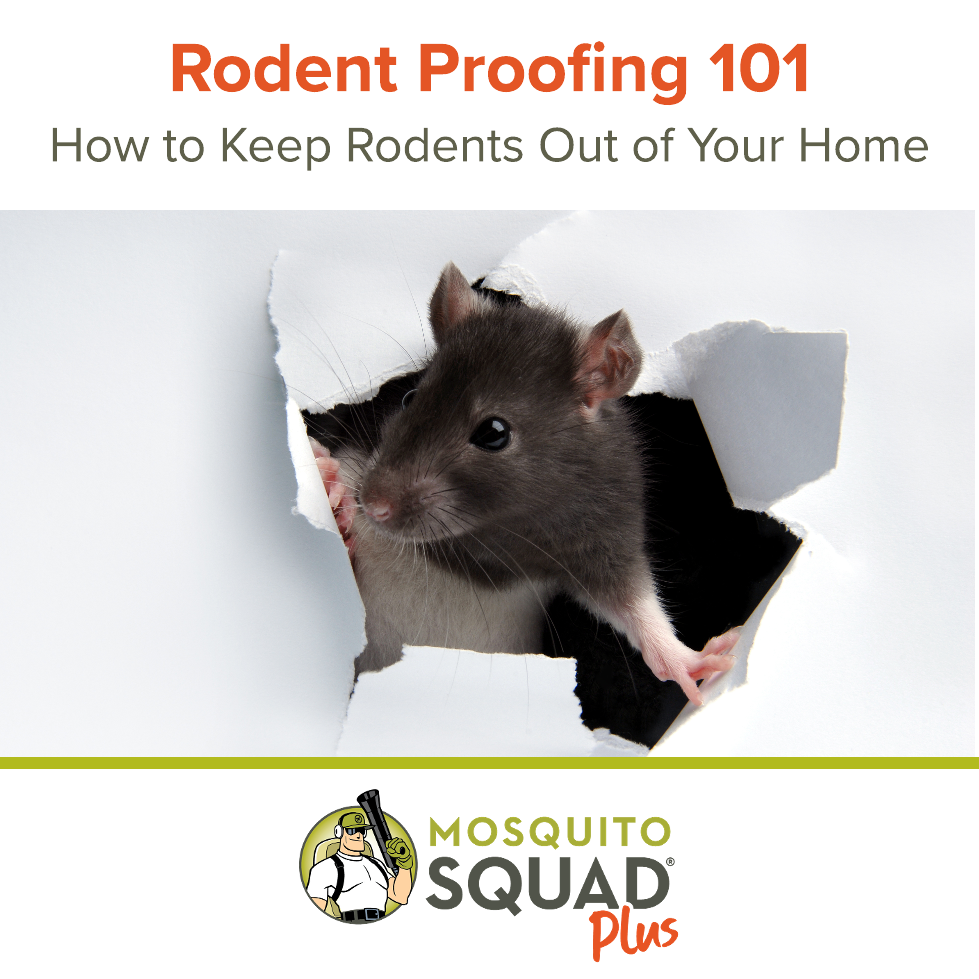
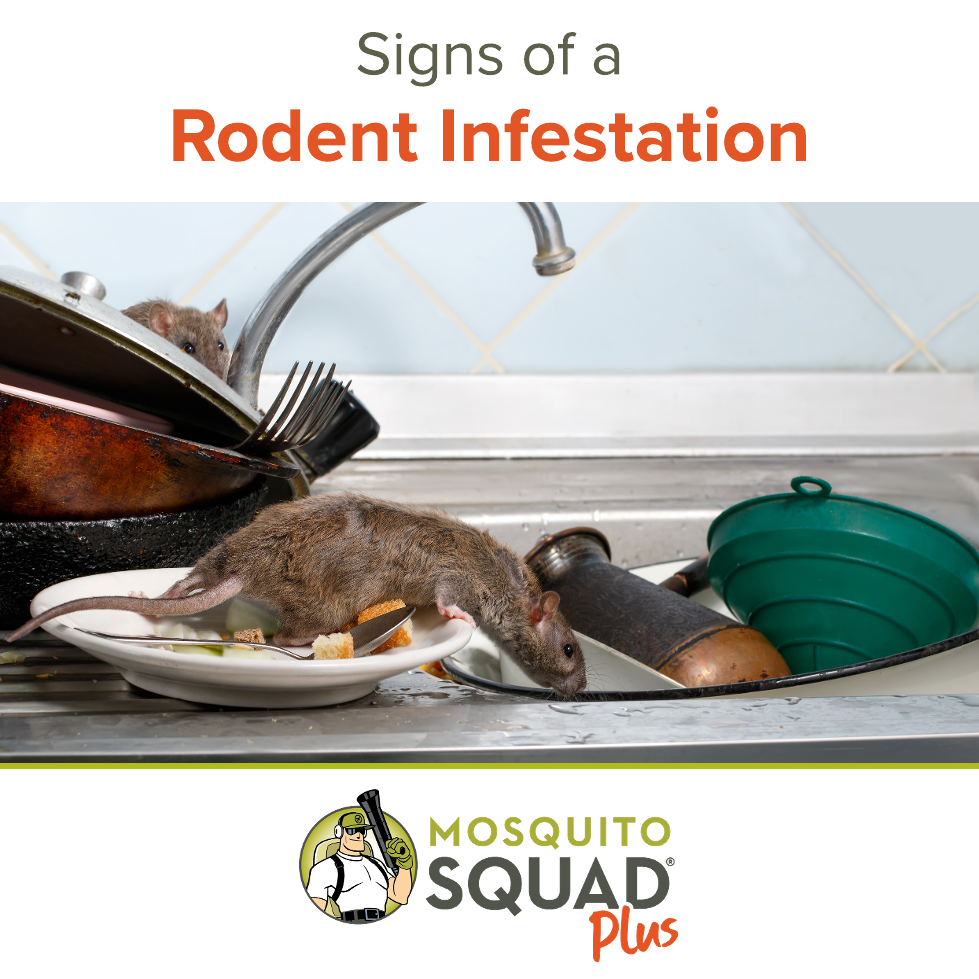
The golf course was not the only thing pressing on that Burlington property. The lot next door hadn't been kept up, and that brought a couple of rodents over. It got addressed, but it is a pattern worth knowing about for anyone living on the edge of open ground.
A golf course edge already gives wildlife a long, uninterrupted travel lane. Add an overgrown lot next door with tall grass and debris, and you have cover running right up to your property line. When the weather cools, the things using that cover start looking for somewhere warmer, and the nearest foundation is the one next to it.
Kevin's advice here is simple and it is the same thing he told the homeowner. Keep your foundation clear. Do not lean wood against the house, because to a rodent a woodpile against the siding is shelter, and shelter right next to your walls brings them close. Keep everything off the sides of the house, including the trash cans. The CDC goes further, recommending woodpiles sit 100 feet or more from the house and at least a foot off the ground, with garbage in cans that have tight lids and brush and weeds cleared from around the home. A hundred feet isn't realistic on every Burlington lot, but the direction is the point: shelter belongs away from the walls, not against them.
If rodents have already found their way to your foundation, our rodent control work starts with finding the entry points. We covered the sealing side of this in detail in our look at how fall invaders and rodents push into Northern Kentucky homes as the nights cool, so we will not repeat it here.
Cooler weather brings a few other things toward the house, too. Kevin pays more attention this time of year to garage doors and the bottoms of exterior doors, because that is where spiders, millipedes, and centipedes come in. Spiders are the ones people call about. Centipedes are the ones Kevin tells people to leave alone, because they hunt the other insects. University of Maryland Extension agrees: centipedes feed on insects and spiders and are considered beneficial. A lot of centipedes usually means they have plenty to eat, and that is the problem worth solving.
You and Your Tech Are on the Same Team
On the Burlington job, the homeowner was watching closely. People who live with a problem like this for a few seasons tend to do that. Before Kevin left, he walked them through the key points: what he treated, where, and what they could do on their end.
His reasoning is worth repeating. A tech can treat a property thoroughly, but if the homeowner isn't helping out, the tech and the homeowner end up working against each other. Everybody has to be on the same page.
On a golf course edge lot in Burlington, the homeowner's half of that looks like this:
- Keep drains and low spots clear of leaves. Fall leaves mat down over drain inlets and turn a spot that drains into a spot that holds water.
- Check downspout extensions. Corrugated pipe and buried extensions hold water in their low points long after the gutters stop running.
- Keep the foundation clear. No firewood, yard waste, or trash cans against the siding.
- Tell your tech where the water sits. Your tech usually sees your yard on a dry afternoon. You see it the morning after a storm. If there is a spot that is always wet, say so.
It also helps to fix what you can on your side of the property line. NC State Extension makes the point that dunks are a tool, not a long-term solution, and that it is worth looking for a more permanent fix wherever water is being held. You can't regrade a golf course. You can often extend a downspout, regrade a small low spot inside your own fence, or have a landscaper look at a drain line. Every spot you fix permanently is one less spot that needs treating.
When to Treat a Burlington Golf Course Lot
Now through the first hard freeze. This is the window to treat low spots and drains with larvicide and keep the barrier on resting areas while afternoons are still warm. It's also the time to clear leaves out of every drain and gutter before they settle in for the winter.
Over the winter. That's when to handle the drainage you can control: downspout extensions, small grading fixes, and clearing debris out of swales on your side of the line.
Early spring. Around here the biting usually picks up in April and lasts into September, and a golf course edge lot tends to start on the early side because the water is already there. Getting a program started before the first warm spring rains means the eggs that made it through the winter meet a treated yard instead of an open invitation.
For homeowners who want the house covered along with the yard, Home Shield builds on the barrier with treatment at the windows, vents, and foundation for ants, spiders, and cockroaches. If the bigger concern is the yard itself, Squad Yard Defender adds flea, tick, and ant work on top of the barrier, which matters on lots where the rough runs into brush. Our tick control page covers that side in more detail.
A Better View Than Most, With a Little Extra Work
A golf course lot in Burlington is worth having. The water that comes with it is part of the deal, and it's manageable once it gets treated like the drainage problem it is instead of a bucket problem. Freezing weather takes care of the adults. Whatever eggs went into those low spots this fall are still out there in March.
Our Boone County routes cover Burlington plus Hebron, Florence, Union, and Independence on the same trucks. If your mosquitoes seem to come from nowhere in particular, our look at where Hebron's mosquitoes are really coming from covers the tree-hole side of the problem, and Florence's storm drain mosquitoes covers the water you never see.
Recurring service is backed by our satisfaction guarantee, so if a treatment doesn't hold up, we come back. Call Mosquito Squad of Northern Kentucky at (859) 222-7345 or request a free quote, and take a look at our current special offers, including a discount for veterans and first responders. A tech will look at where the water sits after a storm and treat it before it turns into next spring's problem.