Where Hebron's Mosquitoes Are Really Coming From
Posted by Mosquito Squad Plus
June 22, 2026
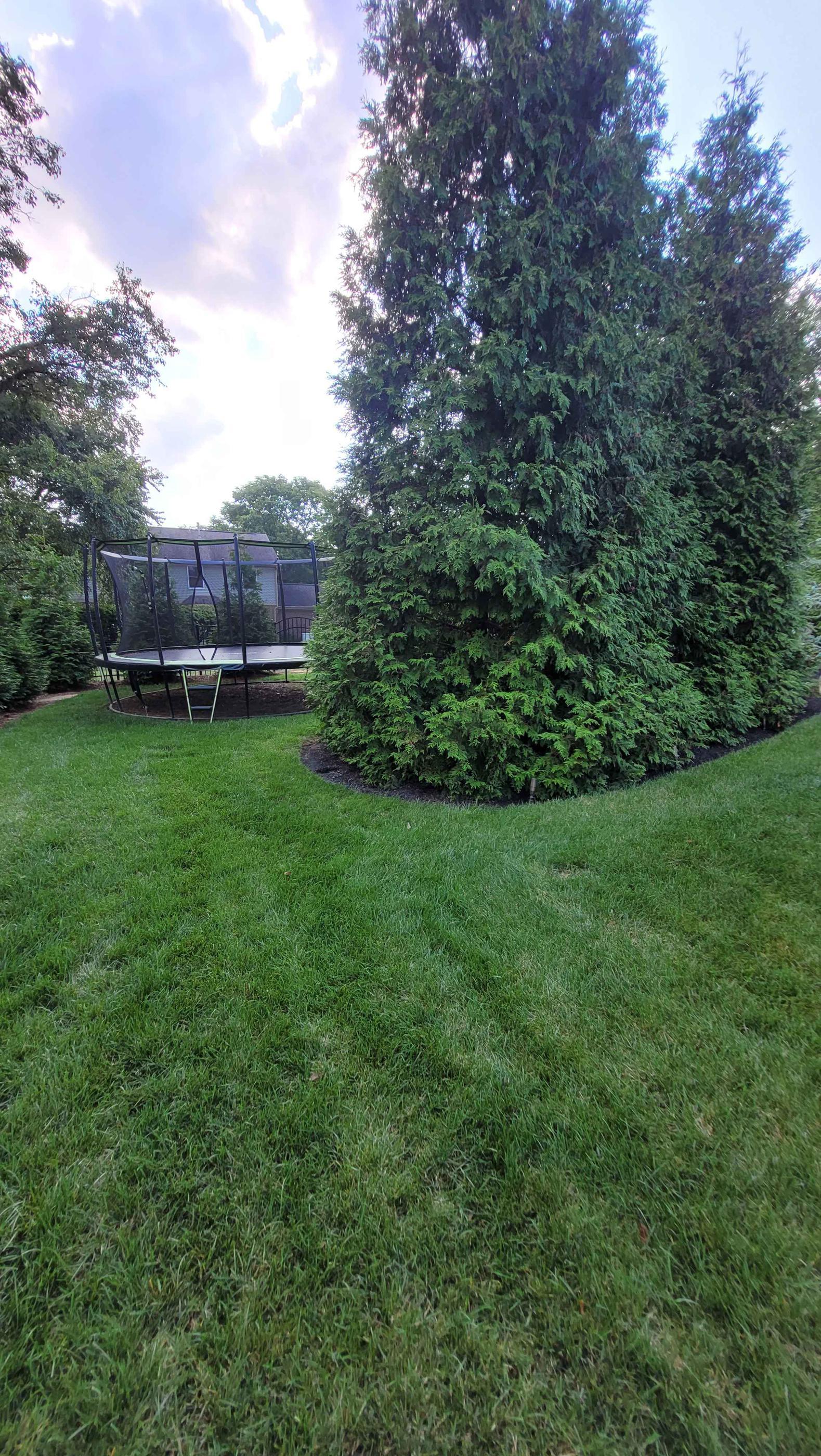
Here is something that drives Hebron homeowners a little crazy. You do not live next to a creek. There is no pond in your subdivision, no river at the bottom of the street, no swamp anywhere nearby. You keep a clean yard. And you still cannot sit on your own deck at five in the afternoon without getting bitten up the legs. So where are they all coming from?
The answer is usually right over your head. Hebron is full of mature trees, big shade canopies, wooded lot lines, the tree-lined edges of all those nice subdivisions out toward the airport, and a lot of Hebron's mosquitoes are not coming up from water at all. They are coming out of the trees. Once you understand that, mosquito control in Hebron stops being a mystery and starts being a thing you can actually do something about, because the mosquito chewing on your ankles in the shade is a specific kind with specific habits, and those habits are beatable.
The Mosquito That Lives in a Tree, Not a Creek
Most people picture mosquitoes breeding in big, obvious bodies of water. Some do. But the ones making a Hebron backyard miserable in the middle of a dry week are a different group, and they have a trick that has nothing to do with creeks or ponds.
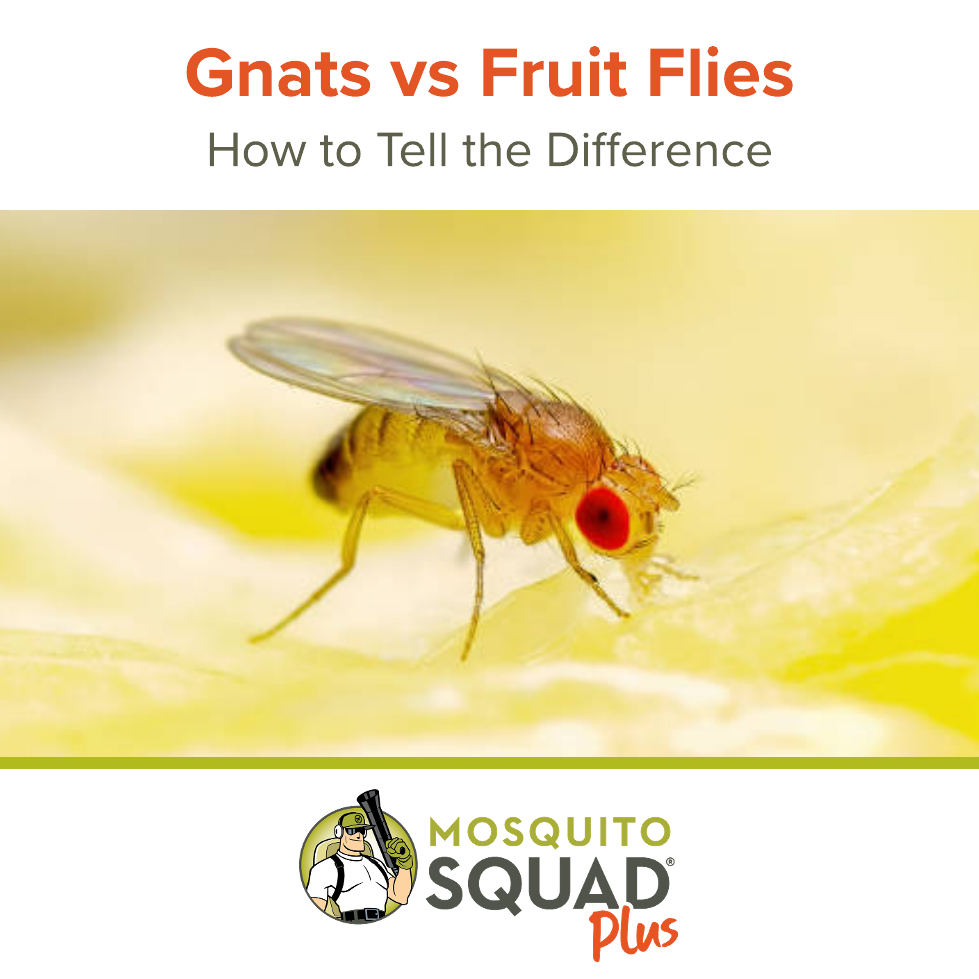
The University of Kentucky documents that the eastern tree hole mosquito breeds in tree holes and other small containers, and that the Asian tiger mosquito breeds in artificial containers and is an aggressive daytime biter. Read that first part again. Tree holes. The little rot pockets and cavities where a branch broke off years ago, the spot where two limbs meet and collect debris, the hollow in an old trunk, those fill with a few ounces of rainwater and a little rotting leaf matter, and that is all one of these mosquitoes needs to raise a whole brood. A mature Hebron yard with a dozen big trees can have dozens of these little breeding cups twenty feet up where you will never see them.
That is why the creek logic fails out here. You can live a mile from the nearest moving water and still have a serious mosquito problem, because the water these mosquitoes care about is measured in tablespoons and it is sitting in your own trees. The University of Kentucky also notes that the eastern tree hole mosquito is the principal carrier of La Crosse encephalitis in the state, which is worth knowing for a community with as much tree cover as Hebron has. This is not just an itch problem. It is the one mosquito-borne illness Kentucky actually has to think about, and it lives in exactly the kind of wooded yard Hebron is full of.
Why a Nice Wooded Lot Is the Worst Case
The cruel part is that the nicer and shadier your lot, the better the mosquito habitat. The features people pay extra for in Hebron, the mature trees, the privacy of a wooded back line, the cool shade over the patio, are the same features these mosquitoes are looking for.
It comes down to two things: shade and containers. The U.S. EPA notes that container-breeding Aedes mosquitoes lay their eggs in water holding organic material, that they prefer dark, shaded spots, and that their breeding sites are so varied and scattered, from tree holes to plant saucers to bottle caps, that eliminating all of them by hand is nearly impossible. A shaded, wooded Hebron lot is a buffet of those sites. The tree holes up top. The clogged gutter that never quite drains. The saucer under the big planter on the porch. The folds of a tarp over the woodpile. The corrugated drain pipe. The kid's toy that has been face-up in the side yard since spring. Each one holds a little dark water, and each one can run a mosquito production line all summer.
And these are not the polite dawn-and-dusk mosquitoes you can plan around. The University of Georgia Extension notes that the Asian tiger mosquito bites during the day, especially in shaded areas. So the shade that makes your backyard pleasant at two in the afternoon is exactly where and when this mosquito wants to feed. That is why you get chewed up sitting in the nicest, coolest part of your yard at the worst possible time, while the open, sunny lawn nobody sits in stays relatively bug-free.
The One Health Reason to Take Tree-Hole Mosquitoes Seriously
For the most part, the mosquitoes in a Hebron yard are a quality-of-life problem, they ruin the deck, they chew up the kids, they cut the evening short. But the tree-hole mosquito carries one thing worth understanding, especially for the young families who fill Hebron's subdivisions, and it is the reason this is not a pest to simply shrug off on a heavily wooded lot.
The eastern tree-hole mosquito is the main carrier of La Crosse encephalitis, and the disease has a specific profile that lines up uncomfortably well with Hebron. The Minnesota Department of Health explains that the tree-hole mosquito is found almost exclusively in wooded or shady areas, feeds during the day rather than at dusk, rarely travels more than two hundred yards from where it developed, and breeds in the water-holding tree holes that form between the trunks of multi-trunk trees as well as in buckets, tires, and other containers. In other words, it lives and bites right where a wooded Hebron family actually spends time, in their own shaded yard, in the middle of the day, born from trees on or near their own property.
Who it affects matters too. The Wisconsin Department of Health Services notes that while most people infected never develop obvious symptoms, severe illness is most common in children under sixteen, and that the carrier mosquitoes are usually most active from late summer into the fall. A peer-reviewed study in the New England Journal of Medicine that followed La Crosse cases found that most patients were school-aged children, with a mean age under eight, and that symptoms commonly included fever, headache, vomiting, and in a substantial share, seizures. Serious cases are rare and most children recover fully, but the combination, a daytime-biting, wood-loving, container-breeding mosquito that mainly affects young kids, is exactly the combination a community of wooded lots and young families should know about.
None of this is a reason to panic, and it is not a reason to keep kids inside. It is a reason to take a persistent mosquito problem on a wooded Hebron lot seriously rather than treating it as a pure nuisance, and to handle the breeding sites and the biting adults rather than just swatting through another summer. The same treatment that gives you your deck back also reduces the population of the one mosquito here with a real health footprint.
Why You Cannot Win This One With a Bucket Walk
Everybody knows the standard mosquito advice: dump your standing water. Walk the yard, tip the saucers, clear the gutters, empty the buckets, flip anything that holds a puddle. It is good advice, and on a property where the mosquitoes are coming from the obvious low spots, it works.
In Hebron it gets you about halfway, and then it hits a wall, because you cannot do a bucket walk on a tree. The tree holes producing a big share of your mosquitoes are up in the branches, fifteen and twenty and thirty feet over your head, and there is no ladder tall enough and no afternoon long enough to find and empty them all. You can run the most disciplined dump-the-water routine on the ground, feel good about it, and still have a full mosquito operation humming away in the canopy you cannot reach. The EPA says as much directly: with container breeders that use scattered, hidden, hard-to-reach sites, getting rid of all the water by hand is nearly impossible.
That is the gap professional treatment is built to close. A barrier treatment does not depend on finding every breeding cup. It targets the adult mosquitoes where they actually spend their day, resting in the cool, shaded, humid vegetation, the underside of leaves, the dense shrubs, the lower branches, the shady foundation plantings. Those resting spots are reachable even when the breeding sites are not. The mosquito barrier treatment coats that resting habitat and knocks down the adults as they shelter between bites, which is how you bring down a population whose nurseries are scattered through the trees where you can never get to them. For households that would rather go botanical, the natural treatment option runs on the same schedule using essential-oil active ingredients, and because both last about three weeks per application, a recurring program keeps pace with mosquitoes that breed continuously all season.
There is one piece of the tree-hole problem a homeowner can address, and it is worth doing on a wooded lot. The reachable tree holes, the ones in trees you can actually get to, can be cleaned out and either filled or drained so they stop holding water, and an arborist can do this as part of normal tree care. Sealing or filling a rot pocket that has been collecting rainwater takes one breeding site permanently out of commission. It will not get the ones forty feet up, which is why treatment still matters, but on a lot with a few accessible problem trees near the patio, it is a real and lasting improvement worth combining with a barrier program rather than relying on either one alone.
Hebron's Season Is Long, and It Starts Before You Think
Mosquito season in Northern Kentucky runs roughly April through September, and a wooded Hebron lot tends to push it at both ends. The canopy traps humidity, the tree holes and shaded containers hold their water differently than an open pond, and the whole property stays a little damper and a little more sheltered than a yard out in the open. So the shady lot that is so pleasant in August is also the one still producing mosquitoes in October.
The lesson is to get out ahead of it. Once the tree holes and containers start producing in spring, the population stacks on itself all summer, generation after generation, and the University of Kentucky notes these container species turn over fast in warm weather and do not range far from where they hatched. That last part is the whole ballgame. The mosquito on your ankle was almost certainly born in your own yard, which is maddening, but it is also the good news, because it means treating your property actually fixes your problem. You are not fighting a river a mile away that you will never control. In Hebron, the yard is both the source and the solution.
The Other Pests a Wooded Hebron Lot Brings
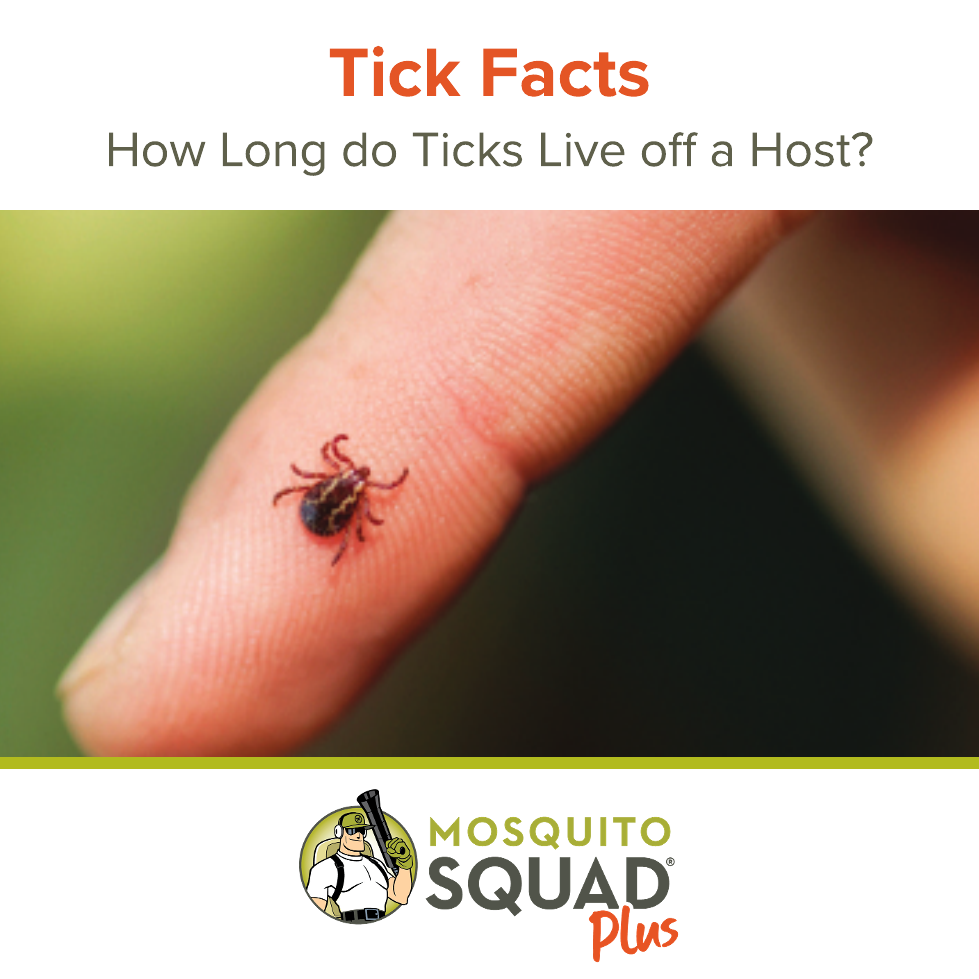
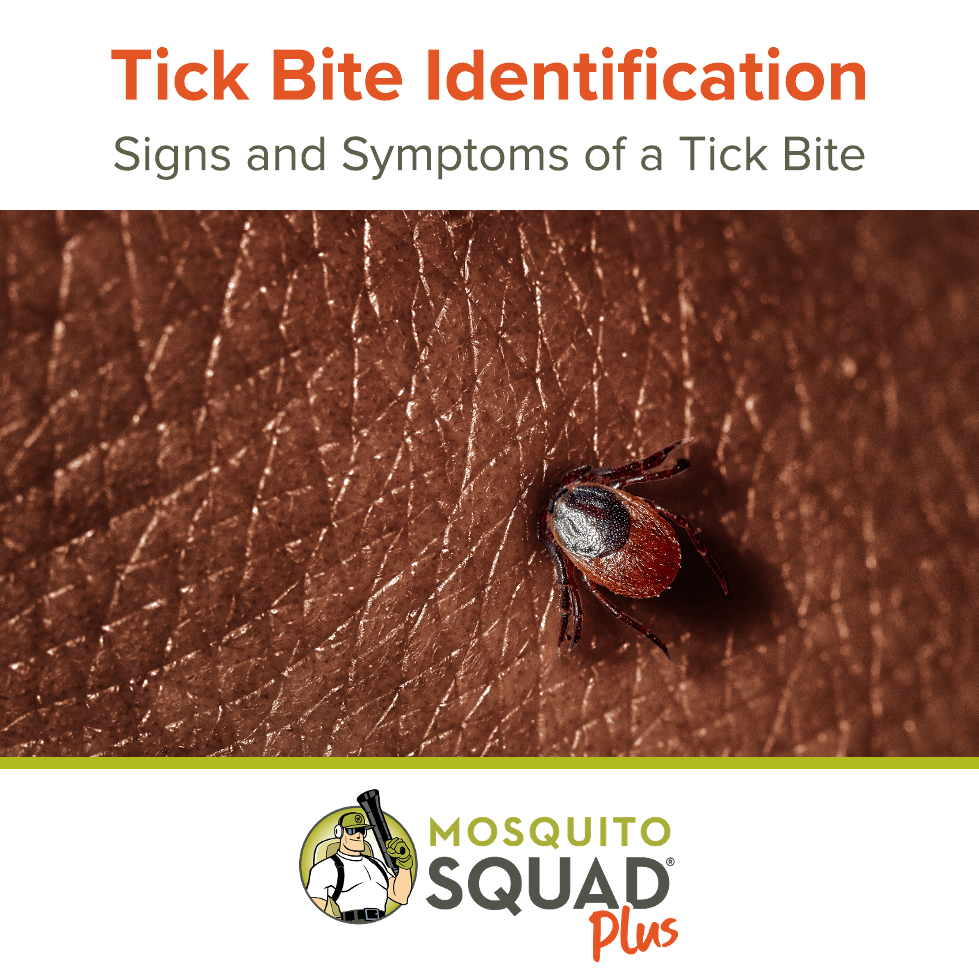
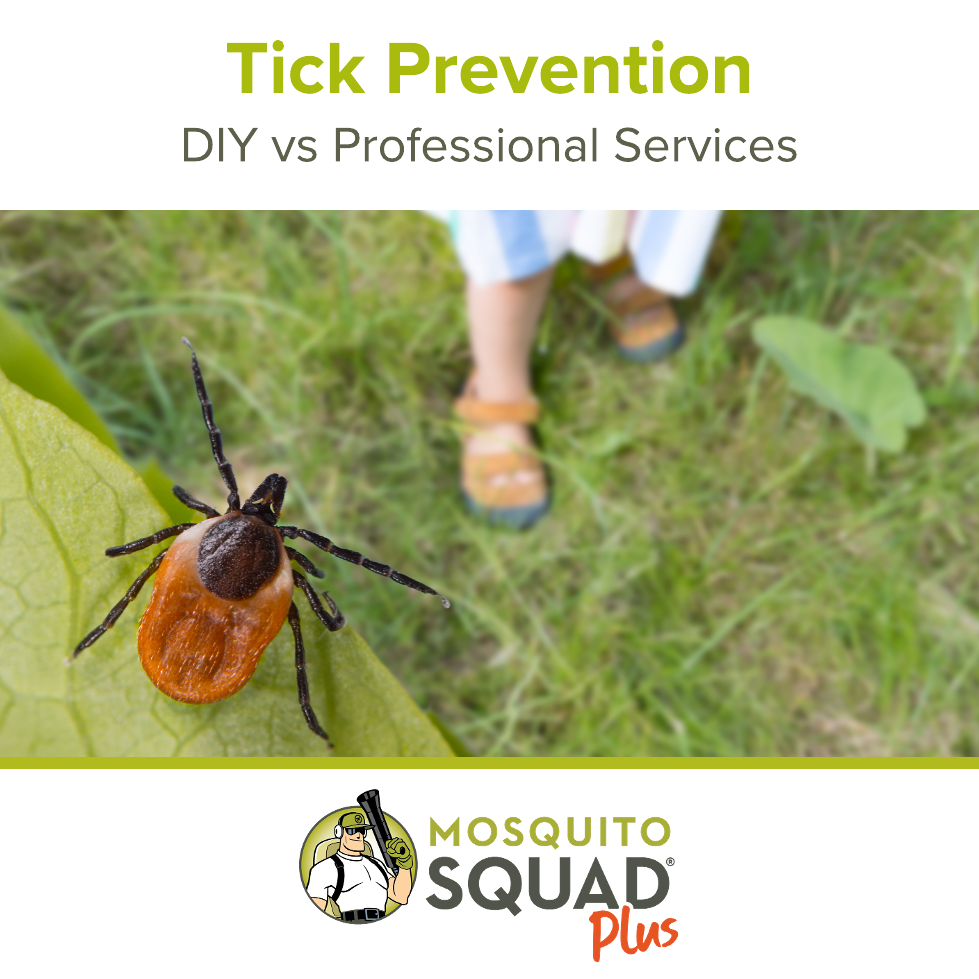
The trees and the wooded back line do not just hand you mosquitoes. They come with a whole supporting cast, all drawn to the same shade and damp and edge. Ticks are the one that matters most. That brushy seam where your lawn gives up and the woods take over is exactly where ticks wait, and Northern Kentucky is squarely lone star tick country, so tick control belongs in the conversation on any wooded lot. The nice thing is that the 6 C's of tick control lean on the same edge work that helps with mosquitoes, so you are largely fighting both in the same places.
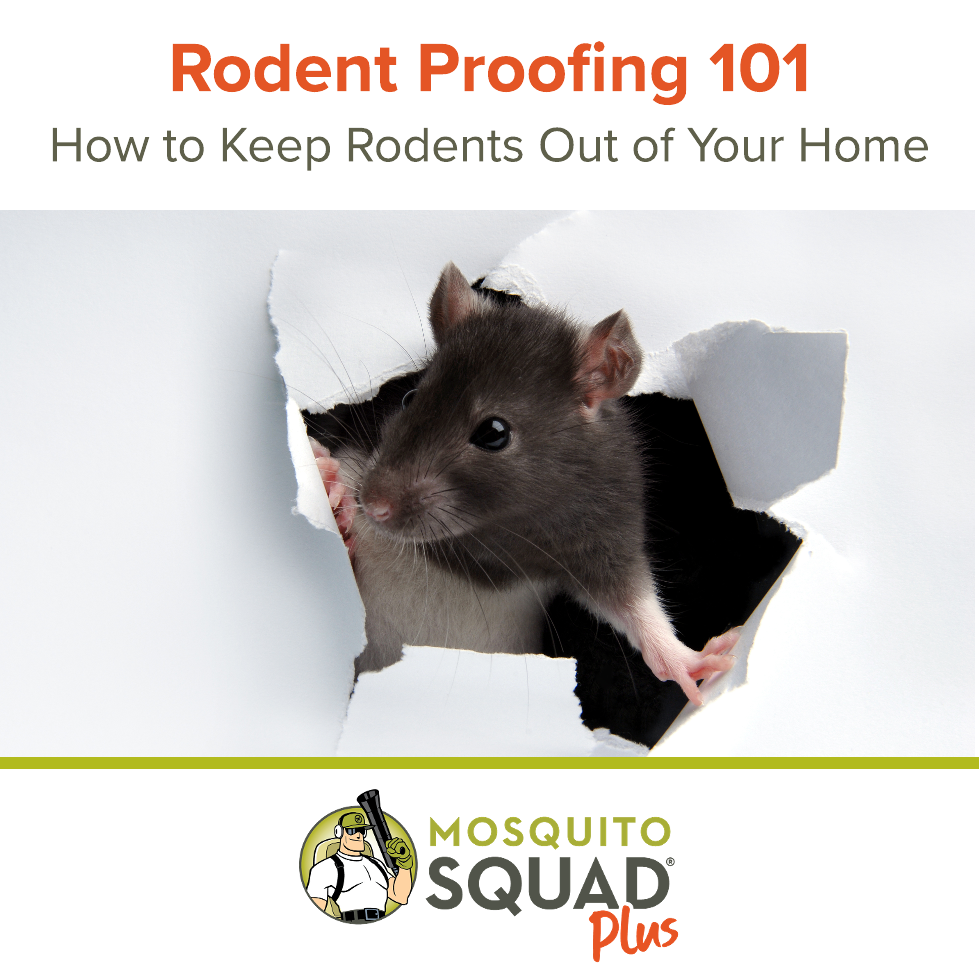
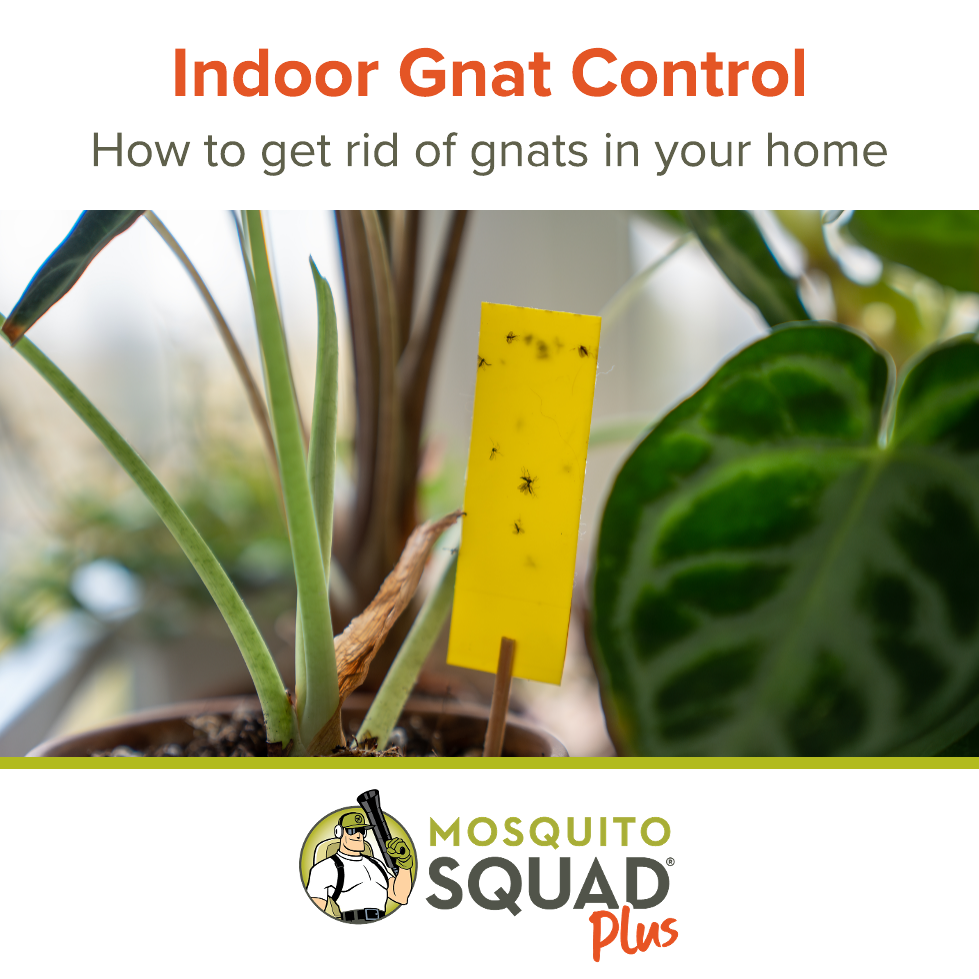
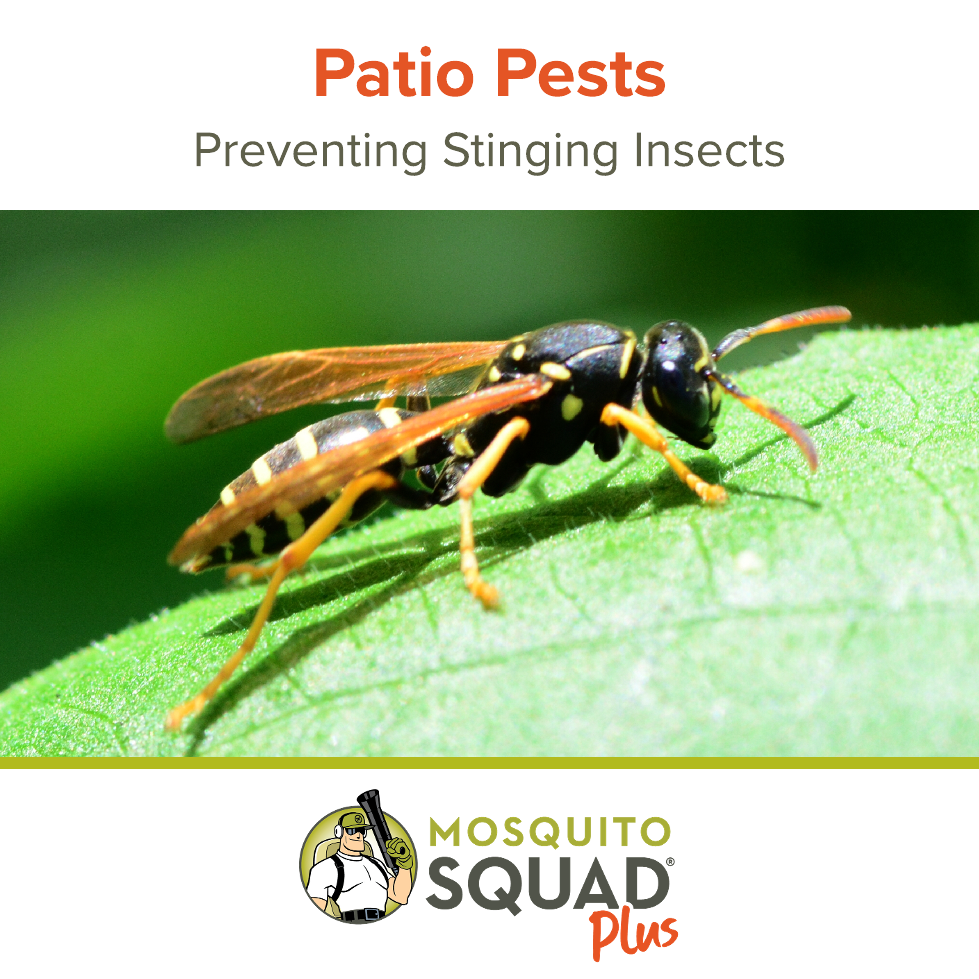
The rest of the cast turns up on schedule. The shaded, moisture-holding landscape beds are where gnats and no-see-ums breed and then swarm a still evening on the patio. The mature trees and deep eaves are where paper wasp and yellow jacket nests go up fast every spring. And come fall, those same wooded lot edges are the highway mice and other rodents take toward a warm foundation. For a property carrying the full wooded-lot lineup across the year, year-round Home Shield coverage takes the whole thing on a rolling schedule instead of making you chase one pest at a time.
What This Means for Your Yard, Practically
If you have been blaming yourself for the mosquitoes, fighting them with citronella candles and a bug zapper and wondering what you are doing wrong, the honest answer is probably nothing. You do not have a hygiene problem. You have a tree problem, and a shade problem, and a container problem, and those are structural features of a nice Hebron lot, not a sign you left a bucket out.
The fix is to stop trying to find every drop of water and instead treat the yard where the adult mosquitoes live. Keep doing the easy stuff, dump the obvious standing water, clear the gutters, store the buckets upside down, those still help. The 7 T's of mosquito control cover that groundwork. Then let a recurring barrier program handle the part you cannot reach, the adults resting in the shade and the broods up in the canopy that no bucket walk will ever find. And for the graduation party or the backyard wedding that a Hebron summer is built around, a one-time special event spray clears the yard the day of so your guests are not fighting the trees.
We treat Hebron along with neighboring Burlington, Florence, Erlanger, and the rest of Boone County, and our work is backed by a 100 percent satisfaction guarantee. Call us at (859) 222-7345 or get a free quote online, and we will walk the property, find where your mosquitoes are actually coming from, and treat the yard so you can have your deck back.