The Leaf Pile at the Edge of Your Maryville Yard Is Doing the Mosquitoes a Favor
Posted by Mosquito Squad Plus
October 22, 2026
Craig has been running Mosquito Squad routes through Maryville all week, and the pattern he describes is one a lot of Blount County homeowners are noticing without quite putting words to it. Mornings are quiet. People are standing in the driveway with coffee, walking the dog around the block, raking for an hour, and not getting touched once.
“I haven’t really seen any mosquitoes in the morning,” he told us. “Typically if I’m out late on a route around 6 o’clock, I’ll start seeing them a lot more.”
That’s what mosquito season looks like in Maryville once October sets in. The bites didn’t stop. They slid to the end of the day, right when people are finally home, grilling, or sitting out on the deck before it gets dark too early to bother. And the mosquitoes doing the biting spent the afternoon somewhere most homeowners have been walking past for two weeks: the leaves on the ground.
Craig put it plainly. With the trees dropping, “there’s usually a lot of leaf litter on the ground. So that’s where most of the mosquitoes now are taking coverage.” Which means the most common fall chore in Maryville, raking everything into a big pile at the edge of the yard, is quietly building the best mosquito shelter on the property. Here’s why that happens, how we adjust mosquito control in Maryville for fall, and the small timing decisions that make the biggest difference.
Why Maryville Mornings Are Quiet and Evenings Aren’t
Mosquitoes can’t make their own heat. Their activity tracks the air around them, and the general rule of thumb is that they slow way down once temperatures drop below about 50 degrees. In mid-October, the coldest part of a Maryville day is right around sunrise. On a lot of mornings this month, that’s cool enough to keep mosquitoes tucked in and sluggish.
By six in the evening the picture flips. The ground and the air are still holding the afternoon’s warmth, the breeze usually dies off as the sun drops, and humidity starts climbing back up. The Tennessee Department of Health notes that many mosquitoes are most active at dusk and dawn, and that wind makes it hard for them to get around. In summer, both ends of the day are fair game. In October, dawn is usually too cold, so dusk carries the whole load. That’s why the 6 p.m. pattern feels so sudden. It’s the same population, just packed into a shorter window later in the day.
It also explains a comment we hear every fall: “I was out there all morning and nothing bit me, so I figured they were done.” The morning just isn’t a fair test this time of year. The real test is a calm evening around 6:30. Ten minutes on the patio then will tell you more than a whole morning of yard work.
Where Maryville Mosquitoes Spend the Day After the Canopy Opens
Adult mosquitoes don’t hover in the open air waiting. During the day they rest somewhere cool, shaded, and damp, where they won’t dry out. UGA Extension describes those daytime hiding spots as vegetation and protected areas, including low ground cover like English ivy, and University of Florida entomologists note that the Asian tiger mosquito prefers to rest in low shrubs near the ground. UT Extension recommends thinning dense vegetation for the same reason: it takes those resting sites away.
All summer, that resting habitat in Maryville sits up off the ground. It’s the underside of shrub leaves, the low branches, the north wall that never sees sun. If you’ve read what Pistol Creek does to mosquito season in Maryville, that’s where the adults drifting in off the water settle in July.
That shifts in October. Maryville has a lot of hardwood cover, and as those trees drop, two things happen at once. The shade overhead thins out, so spots that were dark all summer start getting real afternoon sun. And everything that was providing that shade lands on the ground in a layer that is, from a mosquito’s point of view, close to perfect. It’s dark underneath. It stays damp, especially with the heavier dew that comes with cooler nights. It’s out of the wind. And it sits right next to the lawns, patios, and walkways where people spend their evenings.
So the resting spots move lower. The mosquitoes that used to sit in the shrubs are now sitting under the leaves at the base of those shrubs, along the fence line, in the beds, and against the foundation. When the air warms and settles in the evening, they come up and go looking for a meal. Maryville sits right at the foothills of the Smokies, and the tree cover that makes this town look the way it does in October is the same tree cover that produces all that leaf litter.
The research describes the low, shaded habitat. Where that habitat sits in October is something our techs see firsthand on Maryville routes: it’s on the ground, under the leaves, and that’s where the heavy treatment is landing this month.
The Pile Problem
Craig was blunt about this one. If homeowners “sweep them up into just a pile on the side of the yard, it’s actually going to cause more issues for mosquitoes.”
Most people expect the opposite, so it’s worth walking through what happens inside a pile.
A thin layer of leaves spread across a lawn gets sun and wind on top. Between rains it dries out from the surface down, at least partly. It isn’t great mosquito habitat, and it changes day to day as the wind moves it around.
Rake that same layer into one heap two or three feet deep and it becomes something very different. The outside dries, but the core doesn’t. The middle and bottom of a leaf pile stay dark, cool, and wet for weeks, which is exactly the condition mosquitoes look for when they settle in for the day. That takes habitat that was spread across half an acre and concentrates it into one dense, long-lasting shelter.
Then look at where the pile usually ends up. Against the back fence. Behind the shed. Along the woodline at the edge of the property. Next to the playset, because that corner was out of the way. Those are the spots people walk past at dusk, the spots kids play in after school, and often the spots sitting right between your patio and your neighbor’s. Some piles get a tarp thrown over them to keep them from blowing around, and a sagging tarp collects rainwater in the low spot, which turns a resting site into a breeding site too. UGA Extension counts any item or debris that holds water for a week or longer as potential larval habitat, and a tarp over a leaf pile in a rainy week easily clears that bar.
Raking is still the right move. The trouble starts when the leaves stop at the property line instead of leaving the property.
Getting the Leaves Off the Property in Maryville
The recommendation from the field is simple: bag the leaves and get rid of them, or use curbside leaf pickup. Both work. Each one has a detail that matters.
If you’re inside Maryville city limits, you have loose-leaf collection. The City of Maryville runs fall loose leaf pickup on the same schedule as brush and junk collection, with crews coming through each zone once a month from mid-October through the end of the year, plus one more pass in the spring. Pickup starts in the red zone, so depending on where you live, the crew’s first pass down your street may still be a few weeks off. It’s a real help, and most people inside the city should use it.
The catch is the word “monthly.” If you rake everything to the curb the first weekend the leaves come down and your zone isn’t scheduled for three more weeks, you haven’t removed a pile. You’ve moved it. A loose windrow along the curb sitting through a few rains has the same damp, shaded core as a pile at the back fence, just closer to your driveway and the path you take from the car to the front door at dusk. The better habit is to check your zone date and rake to the curb in the few days before the crew is due. Between pickups, leave leaves spread thin on the lawn or bag them, rather than building a curbside mound that waits a month.
If you’re out in the county, or your timing doesn’t line up with pickup, bagging is the cleaner answer. A few practical notes from what we see on routes:
- Tie the bags. An open bag standing in the rain collects water at the bottom, and that’s a container mosquitoes will happily use.
- Don’t stage a row of bags along the woodline for weeks. Haul them once they’re full.
- The Alcoa-Maryville-Blount County Landfill on Long Powers Road in Friendsville takes waste from Blount County residents. Give them a call ahead to ask how they want yard waste handled before you load the truck.
For a light layer of leaves on open lawn, running the mower over it chops the leaves small enough that they dry and break down instead of matting. That works on turf. It doesn’t solve the deep drifts in beds, along fences, and under decks, which is where the mosquitoes are actually sitting.
How We Change Mosquito Control in Maryville Once the Leaves Drop
The mosquitoes moved, so the treatment moves with them. In summer, a big part of a visit goes to foliage: shrubs, low limbs, and the shady walls along the house. In October, Craig said, “a heavy spray on the leaves is usually what we end up having to do now.”
On a Maryville property this time of year, that usually means:
- Leaf litter in landscape beds, especially beds that back up to the house or a fence and catch drift.
- The base of shrubs and trees, where leaves collect around the trunk and stay wet.
- Fence lines and the woodline edge, where leaves pile up naturally even if nobody rakes them there.
- Under and around decks, where leaves blow in, get stuck, and never see sun.
- Any pile the homeowner hasn’t moved yet. We’ll treat it, but we’ll also tell you it’s the single biggest thing working against the treatment.
Our mosquito barrier treatment comes back every 21 days, and that schedule matters more in fall than people expect. Leaves don’t come down once. They come down for weeks, and every new layer that falls after a visit is fresh, untreated cover. Staying on that cycle through October is what keeps each new drop from turning into a new hiding place. If you’re on the natural treatment option, the residual is shorter, so keeping those visits on schedule matters even more while the trees are actively dropping.
One scheduling detail helps a lot: if a big rake is on the calendar, try to do it and get the leaves off the property a day or two before your scheduled service rather than right after. That way the treatment goes onto the ground and whatever litter is left in beds and edges, instead of onto a pile that’s about to be hauled off.
What You Can Do Between Visits
The 7 T’s of mosquito control still apply in fall. They just look different in October.
Gutters are the first thing to check after a big drop. Leaves pack into gutters and downspouts fast, and a clogged run can hold water for days. After that, flip the things that catch leaves and rain together: birdbaths, plant saucers, kids’ toys, the wheelbarrow, and any tarp left out. Leaves soaking in water break down into the kind of organic soup mosquito larvae feed on. The CDC notes that mosquito larvae need water with little or no flow, and that some species lay eggs just above the waterline in containers that hatch once rain refills them. A gutter matted with wet leaves fits that description almost perfectly.
Beds and foundation strips don’t need to be stripped bare, but a few inches of loose leaves against the house is very different from a foot of packed, wet litter. Under-deck drifts are worth a look too if you can reach them, since they tend to be the wettest, darkest leaf piles on the property. And if you’re hosting on a fall evening, plan around the dusk hour. For a one-off gathering, book a special event spray at least 48 hours ahead so it’s on the schedule for the day of the party.
The Leaves Hide Ticks, Too
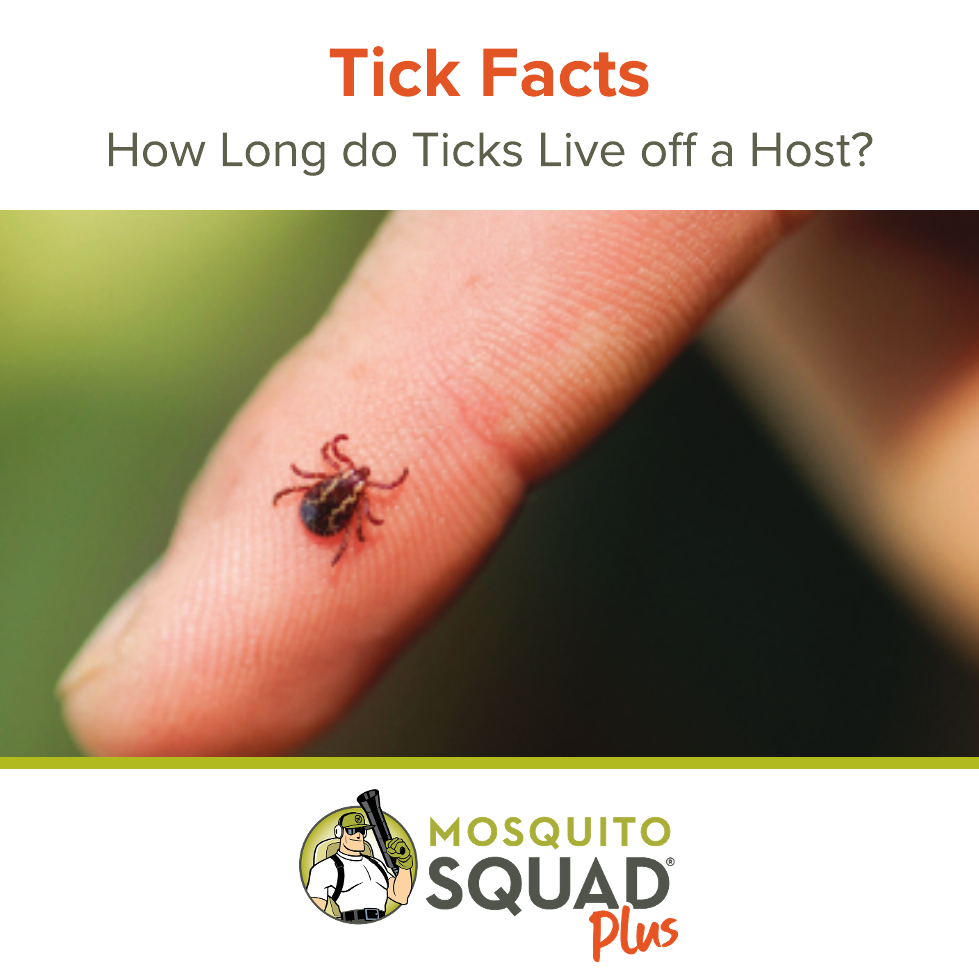
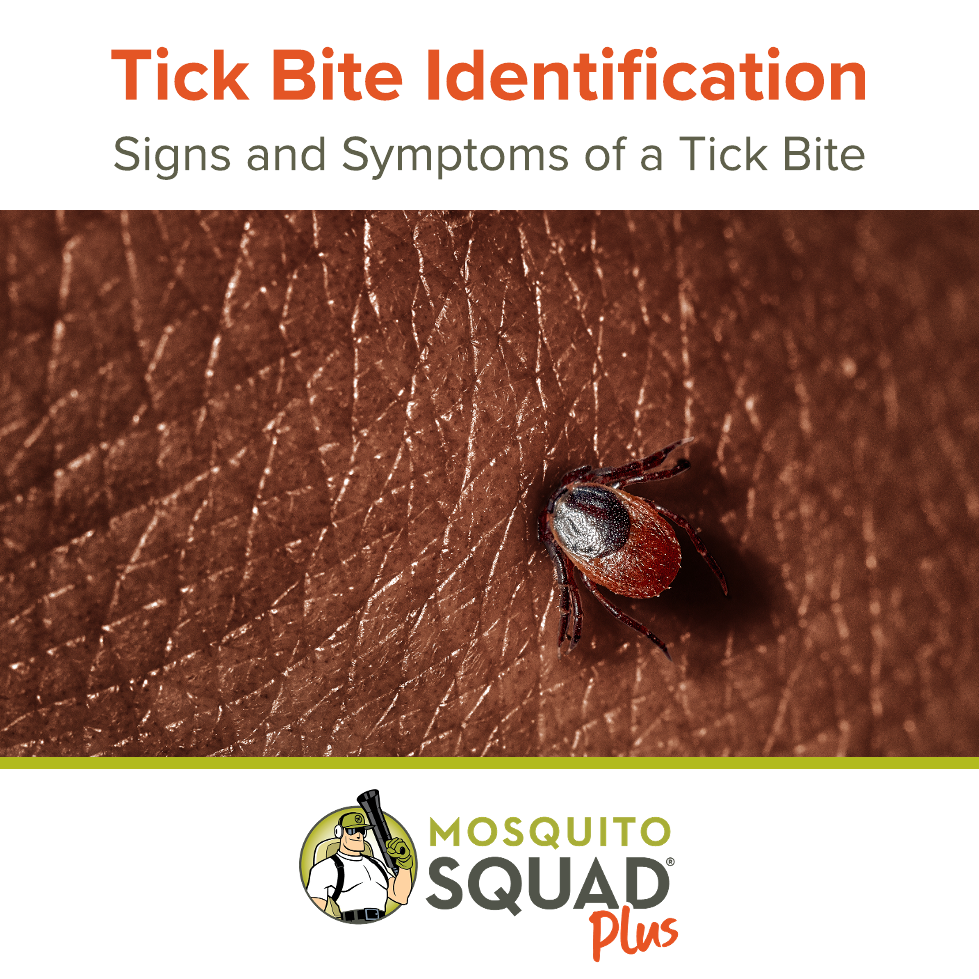
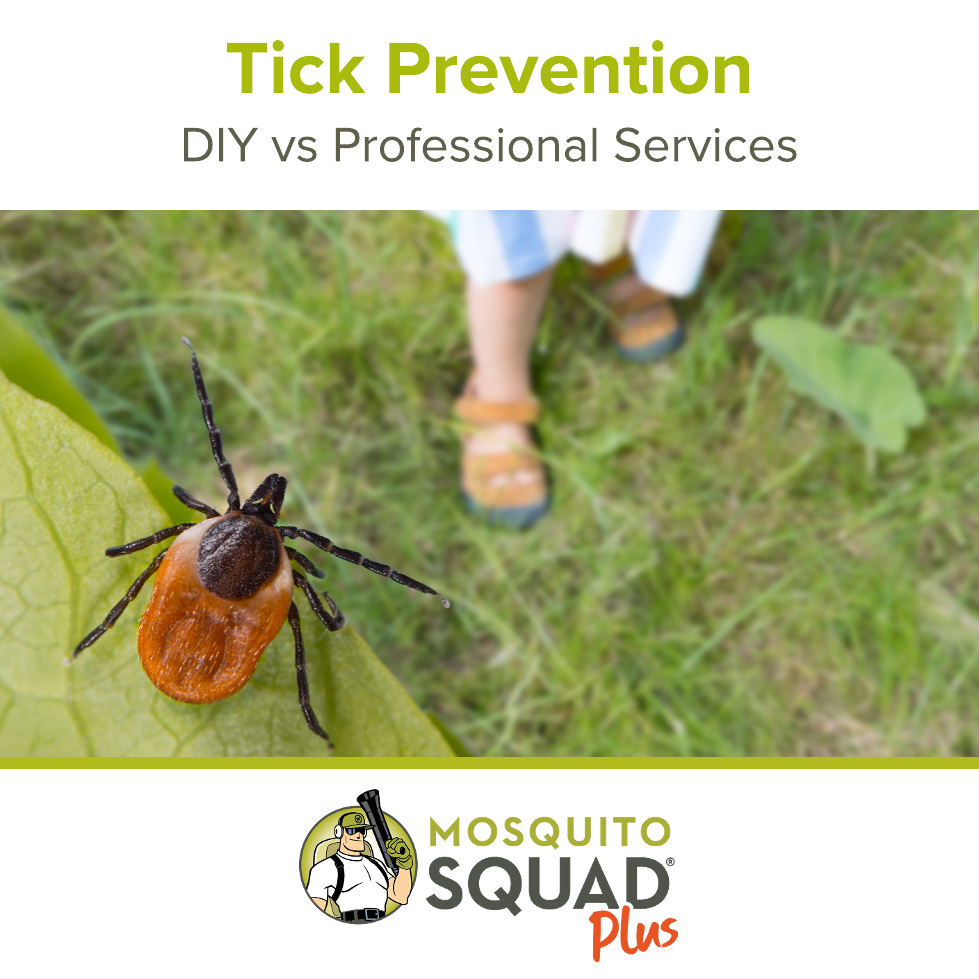
Mosquitoes aren’t the only thing in the leaf litter. Ticks use the same damp layer to wait out dry weather, especially along the strip where mowed lawn meets brush, and deer moving through the wooded edges around Maryville keep that strip supplied. Clearing the pile helps on both fronts. If your property backs up to woods, tick control belongs in the fall conversation too, and the 6 C’s of tick control walk through how we handle that edge.
When to Keep Treating in Maryville, and When It’s Safe to Stop
The leaves are the best guide. As long as trees are still dropping and evenings are still warm enough to sit outside comfortably, there’s new cover going down and mosquitoes using it.
One cold morning doesn’t end the season. A single chilly sunrise just pushes activity later into the day, which is exactly what’s happening on Maryville routes right now. Knoxville’s median first frost lands on October 24th and its median first freeze on November 2nd, according to the National Weather Service, and frost on the lawn at dawn is not the same thing as every resting mosquito under a damp leaf layer being gone. In a warm year, evening activity can hang on past the end of October.
Our practical rule for a Maryville yard:
- If you’re still getting bitten at dusk, mosquitoes are resting somewhere close by, and it’s worth staying on schedule.
- If evenings are consistently cold enough that you’ve stopped sitting outside, the season is effectively winding down.
- If you had a mosquito problem this fall, make a note of where it was worst. The corner of the yard that sheltered mosquitoes in October is usually one of the first places they show up in spring, and our Maryville service team can start there when the season opens back up.
A wet fall makes a difference too. A week of rain can reset mosquito season in Knoxville, and in October that rain lands on a fresh layer of leaves. A soaked leaf bed in a shady corner can stay wet for days after the lawn has dried, and that lingering damp is what fall mosquitoes are looking for.
Fall Evenings in Maryville Are Worth Protecting
October is one of the best months to be outside in Blount County. It shouldn’t end at 6 p.m. because of something sitting under a pile of leaves you raked up yourself.
Most of this comes down to finishing the job. Rake, then bag the leaves or time the curb to your pickup date. Keep gutters and beds from turning into wet leaf traps. And keep your mosquito control in Maryville on schedule while the trees are still dropping, so every new layer of leaves gets treated instead of becoming a new place to hide.
Our Blount County routes also run through Alcoa, Rockford, Louisville, and Seymour, so we see how fall plays out across the county, not just in one neighborhood. If evenings on the deck have turned into a swatting session, reach our Knoxville office at (865) 413-7732 or get a free quote online, and one of our techs will walk the yard and show you exactly where the leaves are working against you. Blount County homeowners have left plenty of reviews if you want a feel for how we work, and every visit comes with our satisfaction guarantee.