What Pistol Creek Does to Mosquito Season in Maryville
Posted by Mosquito Squad Plus
June 22, 2026
You can live in Maryville your whole life, treat your own yard religiously, and still get eaten alive every July, and the reason is usually running quietly a few blocks away. Pistol Creek cuts straight through the middle of town. It comes up out of the springs south of the city, runs past the ballfields and along the greenway, hooks around downtown, and gets dammed into Greenbelt Lake before it heads off toward Alcoa. Thirteen miles of creek, most of it threading right through where people actually live. And every slow bend, every flooded low spot along it, every still edge of that downtown lake is doing the same thing all summer long: making mosquitoes.
That is the part most people miss about mosquito season here. They picture the big water, Fort Loudoun Lake out past Louisville, the reservoir everybody thinks of when they think East Tennessee mosquitoes. But in Maryville the water that actually runs your bug calendar is not the lake at all. It is the channel winding through the middle of town. Understanding mosquito control in Maryville starts with understanding Pistol Creek, because that water is upstream of the whole problem, literally.
A Creek That Runs Through Downtown Is a Mosquito Factory
A river out in the country is one thing. A creek that runs through the populated middle of a city is another, because it puts the breeding water and the people in the same place. Pistol Creek does exactly that. It parallels the Maryville Alcoa Greenway through Pearson Springs Park and Sandy Springs Park, passes the old mill dam ruins on the south side of town, wraps around downtown, and feeds the impounded Greenbelt Lake right in the center of the city. Where it goes, neighborhoods, parks, and backyards go with it.
The mosquito problem is not the moving water itself. Mosquitoes do not breed in a creek that is actually flowing, the current keeps eggs and larvae from establishing. The problem is everything the water leaves behind. When Pistol Creek comes up after a hard rain, and in this part of Tennessee that happens often, it spreads out into the low ground along its banks and then recedes, leaving pools standing in the floodplain. Those pools are dead-still, warm, and full of organic matter, which is precisely what a mosquito needs. The University of Tennessee Extension is blunt about it: all mosquitoes require water to reach the adult stage, and the larvae can go from egg to biting adult in seven to twelve days. A single flood pulse along the channel can seed a whole neighborhood's worth of mosquitoes inside of two weeks.
And the creek floods more than people outside Maryville realize. The National Weather Service maintains flood-only forecast service for the Little River near Maryville, which Pistol Creek feeds, precisely because high water here is a regular event and not a rare one. The USGS keeps a continuous streamflow gauge on that water for the same reason, tracking it every fifteen minutes year round. When the gauge climbs, the floodplain fills, and a few days later the mosquitoes arrive. That is the rhythm the creek sets, and it runs all season.
Why Maryville Gets More Water Than It Looks Like It Should
East Tennessee is wetter than most people give it credit for, and Maryville sits in a spot that collects it. The land tilts down out of the Smokies toward the Tennessee River, and the creeks draining that slope, Pistol Creek, Brown Creek, and the rest, all run through or near town on their way down. Maryville is downhill of a lot of country, and water from a wide area moves through it.
That matters for mosquitoes because it means the breeding water is not just whatever fell in your own yard. It is everything that drained off the higher ground upstream and pooled in the low spots when the creek backed up. A homeowner can have a bone-dry yard and still sit a hundred yards from a flooded creek bottom that is producing mosquitoes by the thousand. The CDC notes that mosquitoes need only a small amount of standing water to breed and that females lay eggs in or near it, and a receding creek leaves a lot of small standing water across a wide area. The geography that makes Maryville green and beautiful, all that drainage off the mountains, is the same geography that keeps the mosquito pressure topped up through the summer.
This is also why the season runs long here. A yard that depends only on rain dries out between storms and gets a break. A property near the water does not, because the floodplain holds water after the rest of the ground has dried. Pistol Creek is a reservoir of breeding habitat that recharges with every rain and drains slowly, which stretches mosquito pressure from the first warm weeks of spring well into fall.
The Mosquito That Is Built for a Flooding Creek
Here is the part that makes a creek like Pistol Creek so productive: there is a whole category of mosquito that is purpose-built for ground that floods and dries and floods again, and a creek floodplain is its ideal home. They are called floodwater mosquitoes, and they do not breed the way the container mosquitoes around your house do.
The University of Illinois Extension explains that floodwater mosquitoes lay their eggs on low-lying dry ground that is later flooded by rainfall, and that heavy rains can hatch large numbers of eggs that were laid over the previous two or more years. Read that again. The eggs sit in the dry floodplain dirt, sometimes for years, waiting. When the creek comes up and soaks that ground, they hatch, all at once, in enormous numbers. The LSU AgCenter notes these eggs can survive a dry spell or a winter and then hatch within days once they are properly flooded. A single big rain that pushes Pistol Creek into its floodplain can trigger a hatch of mosquitoes that have been banked in the soil since the last time the water came up.
That is why a Maryville mosquito season does not build gradually and politely. It comes in pulses tied to the creek. A dry stretch, then a heavy rain, then the creek floods its banks, and a week to ten days later the yard is swarming because a backlog of floodplain eggs all hatched together. It also explains the maddening pattern where a homeowner feels like they got the mosquitoes under control and then a single storm undoes it overnight. The storm did not just create new puddles. It flooded the creek bottom and detonated a population that was already loaded into the ground waiting for water.
The Greenbelt Lake Problem
Then there is the lake in the middle of town. Maryville dammed Pistol Creek decades ago to create the Greenbelt, turning a stretch of polluted urban creek into a downtown green space with water running through it. It worked, the Greenbelt is one of the nicest things about Maryville. But an impoundment is a different animal from a creek, mosquito-wise, and it is worth being honest about.
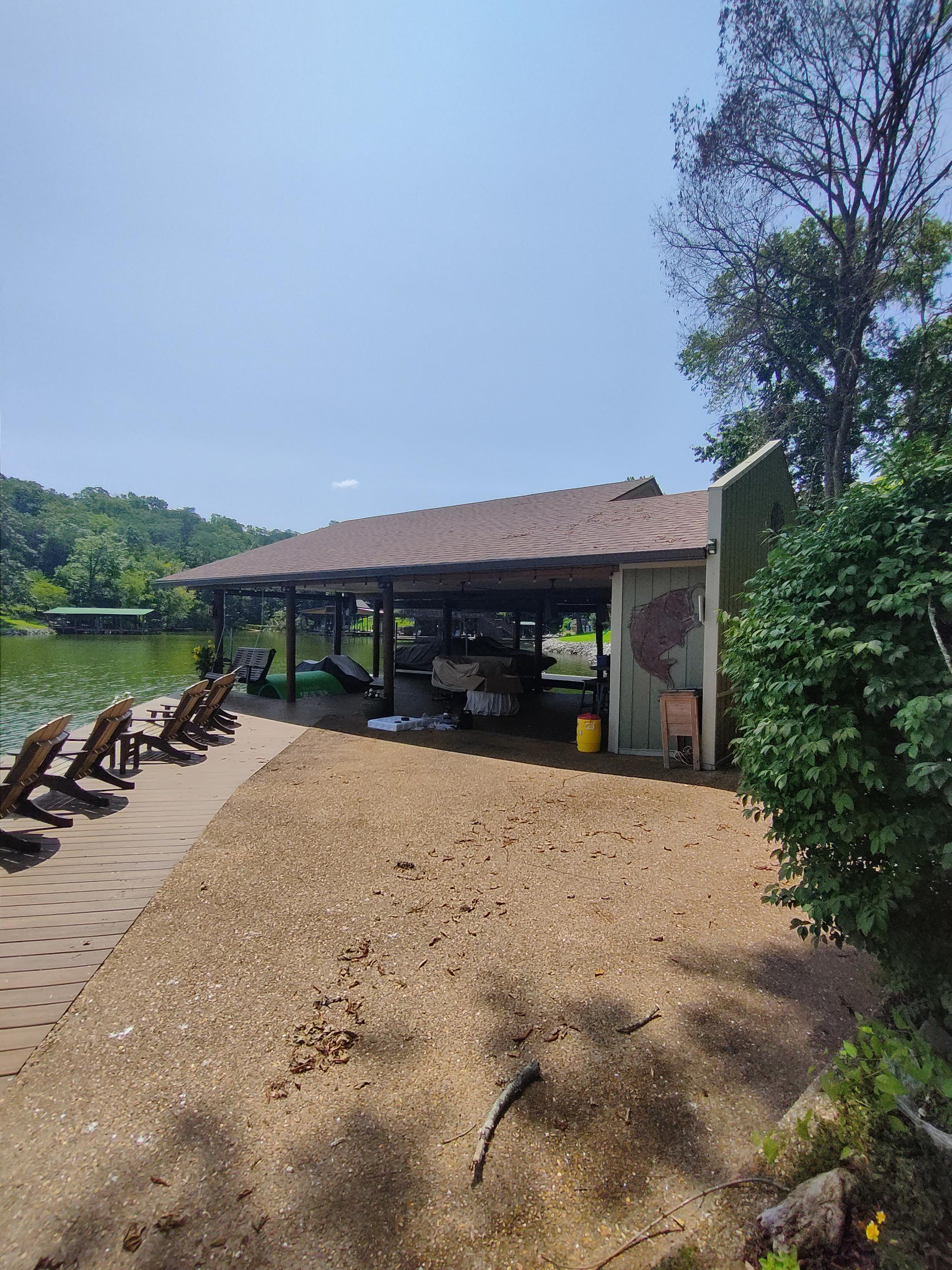
A flowing creek does not breed mosquitoes. A still or slow-moving body of water with vegetated edges absolutely does. When you dam a creek, you trade moving water for standing water, and the shallow, weedy margins of that standing water become prime breeding habitat. The Greenbelt's deep, open middle is not the issue, the same way the middle of any lake is not. The issue is the edges, the shallow vegetated margins where the water meets the bank, the backwater corners, the spots where the flow slows to nothing. Those edges run right along a greenway full of people walking, jogging, and pushing strollers, which means the mosquitoes have both breeding water and a steady supply of hosts in the same place.
None of that is an argument against the Greenbelt. It is a reason to understand that living or spending time near it comes with mosquito exposure that a treatment plan has to account for. A property backing up to the greenbelt corridor is a different mosquito situation than one out in a dry subdivision, and it should be treated like one.
What This Means for an Actual Maryville Yard
Here is the practical problem the water creates. The breeding habitat is mostly not on your property. It is in the floodplain, in the creek bends, along the greenway, at the edges of the Greenbelt. You cannot drain it, you cannot treat it, and you certainly cannot stop Pistol Creek from flooding. So the standard advice to eliminate standing water, while genuinely useful, only gets a Maryville homeowner partway there.
That advice is still worth doing, and the University of Tennessee Extension lays out the basics: dump anything around the house that holds water, the clogged gutter, the plant saucer, the tarp with a sag in it, the kid's wading pool, the bucket behind the shed. The 7 T's of mosquito control start with exactly that, tipping and tossing the standing water you can reach. On a property away from the creek, that work alone makes a real dent. Near the creek, it is necessary but not sufficient, because it does nothing about the much larger volume of breeding water in the floodplain you do not own.
The other half of the job is the adults. The mosquitoes coming off the water and the Greenbelt do not stay there, they disperse into the surrounding yards looking for blood and for shaded, humid places to rest during the day. That resting habitat, the underside of dense foliage, shrubs, low tree branches, the shaded side of the house, is where a barrier treatment does its work. The mosquito barrier treatment targets those resting areas where the adults shelter between trips to bite, which is how you knock down the population that drifted in off water you cannot reach. For households that prefer a botanical approach, the natural treatment option runs on the same schedule using essential-oil active ingredients.
For a yard near the creek dealing with steady pressure all season, the most practical answer is usually a recurring program rather than one-off treatments, because the floodplain keeps producing new mosquitoes every time the water comes up. A year-round Home Shield program keeps the yard covered on a rolling schedule that matches the creek's habit of recharging with every rain.
Ticks Work the Same Corridor
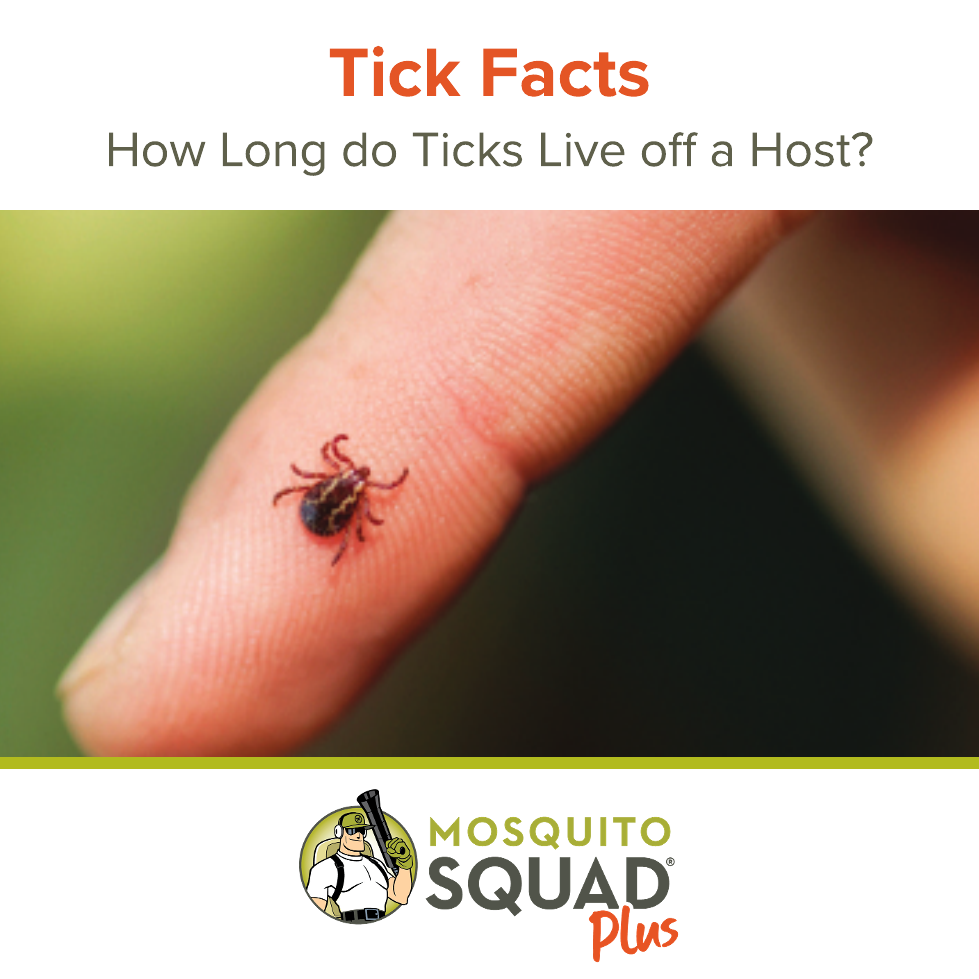
The creek does not just produce mosquitoes. The wooded, brushy corridor along Pistol Creek and the greenway is also a tick highway. The same shaded, humid edge habitat that mosquitoes rest in is where ticks wait for a host, and the greenbelt corridor moves deer and other wildlife right through the middle of town, which is how ticks get distributed along it.
A property backing up to the creek or the greenway is on the edge of active tick habitat, and tick control in Maryville means treating that brushy transition zone where the mowed yard gives way to the wild creek edge. The 6 C's of tick control lay out the approach, and on a creekside lot that edge work matters as much as it does anywhere in East Tennessee. Knox and Blount County both sit in a part of the state where ticks are a real and growing concern, and the creek corridor concentrates them.
The Rest of the Maryville Pest Picture
A few other pests round out what a Maryville property deals with, and several of them tie back to the same water. Gnats and no-see-ums breed in the same damp creek margins the mosquitoes use, and on a still summer evening near the greenbelt they can be as much of a nuisance as anything, which is why knocking down gnats and biting midges often becomes part of a creekside treatment plan.
This is also termite country, and Blount County's humidity and wooded lots make it more so. Termite control is a real part of protecting a home here, since the same moisture that drives the mosquito season keeps the soil around foundations damp and inviting to a colony. And for the outdoor events Maryville is made for, the graduation party, the backyard wedding, the church picnic by the greenway, a one-time special event spray clears the yard beforehand so the guests are not fighting the creek's mosquitoes all evening.
The Creek Is Not Going Anywhere, So Plan Around It
Pistol Creek is part of what makes Maryville Maryville. The greenway, the parks, the Greenbelt, the water running through the middle of town, that is the character of the place, and nobody would trade it. It just comes with a mosquito season that is set by the creek rather than by your own backyard, which means treating a Maryville property is partly about your yard and partly about reckoning with the water nearby.
We cover Maryville along with neighboring Alcoa, Rockford, Louisville, and Seymour across Blount County, and our work is backed by a 100 percent satisfaction guarantee. Call us at (865) 413-7732 or get a free quote online, and we will walk the property, find where the creek's pressure is landing on your yard, and build the plan around it.