Commercial Pest Control in Huntsville: What Offices and Flex Buildings Actually Need
Posted by Mosquito Squad Plus
June 29, 2026
The ants always seem to find the break room first. Then it is a spider web in the corner of the lobby, spotted an hour before a client tour, or gnats drifting over the sink by the coffee machine. For a Huntsville office, none of these is a real danger. Every one of them is a problem, because this is a city of engineers, labs, and research-park tenants, and the buildings here are expected to look as sharp as the work that happens inside them.
That is the part most commercial pest advice misses. The guidance you find online was mostly written for restaurants, all grease traps and health-inspector visits, which is useful if you run a kitchen and beside the point if you manage a 60,000-square-foot office in Cummings Research Park. Huntsville's commercial base is offices, labs, and flex buildings, and those have a pest profile almost nobody writes about honestly: ordinary pests, but real stakes in a building full of credentialed people and visiting clients. An office or flex building is mostly an interior pest problem with a professional-impression problem stacked on top, and closing that gap is what a commercial program here actually has to do.
Why Huntsville's Commercial Buildings Are Different
Start with what is actually here. Cummings Research Park is the second-largest research park in the United States, home to several hundred companies and tens of thousands of workers, and Redstone Arsenal anchors a regional economy with more than 90,000 defense, aerospace, and contractor jobs. The Huntsville-Madison County Chamber describes an economy built on aerospace, defense, information technology, bioscience, and advanced manufacturing. Translated into buildings, that means a commercial base heavy on Class A office space, research and laboratory facilities, mixed office-and-warehouse flex buildings, and the medical and biotech facilities clustered near HudsonAlpha.
None of those are restaurants. They are workplaces full of people sitting at desks, working in labs, and meeting clients, which changes what the pest program is for. In a restaurant, the program protects food and a health-code score. In a Huntsville office or research facility, the program protects two things at once: the interior, where ants, spiders, roaches, and the occasional rodent actually show up, and the professional impression of a building where the people inside are some of the most credentialed in the country and where a visiting client might be deciding whether to award a contract.
This is the part the generic commercial pitch misses. The national chains and the local independents around Huntsville mostly run the same restaurants-and-warehouses script. For the office, lab, and flex tenant that makes up so much of this market, the questions that matter are different: can you work around a building full of people without disrupting them, can you keep the visible areas clean enough that nobody ever thinks about pests, and can you do it discreetly. Our broader commercial services model is built to flex to the building, which in Huntsville usually means an office, not a kitchen.
Commercial Service Is an Interior Program, Not the Backyard Package
Worth clearing up early, because it is a common point of confusion. Our residential service in Huntsville is built around the exterior, the yard, the perimeter, the barrier treatment that keeps mosquitoes and ticks out of your outdoor space. Commercial is a different program. Commercial pest control is roughly 90 percent an interior job, because the interior is where a workplace actually experiences pests and where the professional-impression stakes live.
That means a commercial program treats the inside and the outside as one connected system. The exterior work stops pressure at the building envelope, the foundation line, the entry points, the dock doors on a flex building, before it gets in. The interior work handles what is already established or what slips through: the ants tracking into a break room, the spiders setting up in the corners of a high-ceiling lobby, the occasional rodent working a flex building's warehouse side, the gnats around a kitchenette or a lab drain. For an office or research tenant, that interior weighting is the whole point. Nobody visiting your building sees your foundation. They see your lobby, your conference room, and your restrooms.
The Pests That Actually Show Up in a Huntsville Office or Lab
A commercial program covers a defined list, and on the indoor side that list is ants, spiders, roaches, and gnats. In an office or research-park setting, each of those behaves in a specific way worth understanding.
Ants are the most common office complaint, full stop. They find a break room, a spill under a vending machine, or the sugar near a coffee station, and they establish a trail that seems to regenerate no matter how many you wipe up. The reason killing the visible ants does not work is that the colony is elsewhere, and University of Tennessee Extension notes that effective ant control depends on reaching the colony rather than the foragers you happen to see. In a large office that means treating the entry points and the nest, not just the counter.
Spiders are the professional-impression pest. They are mostly harmless, but a web in a corner of a glass-walled lobby or a conference room reads as neglect to a visiting client, and in a building whose business is convincing federal agencies and Fortune 500 partners that you are buttoned-up, that reading matters. North Alabama also carries a couple of spiders worth respecting; the Alabama Cooperative Extension System documents both the black widow and the brown recluse in the region, which is reason enough to keep storage rooms, mechanical spaces, and low-traffic corners under a real program rather than a broom.
Roaches are the contamination pest, and they are present in Huntsville commercial buildings more than people admit. German cockroaches in particular exploit the break rooms, kitchenettes, and dish areas that every office has, and once established they spread fast. The CDC ties cockroaches to allergens and to the bacteria behind foodborne illness, which is why even an office without a commercial kitchen wants them handled on a recurring program rather than reactively.
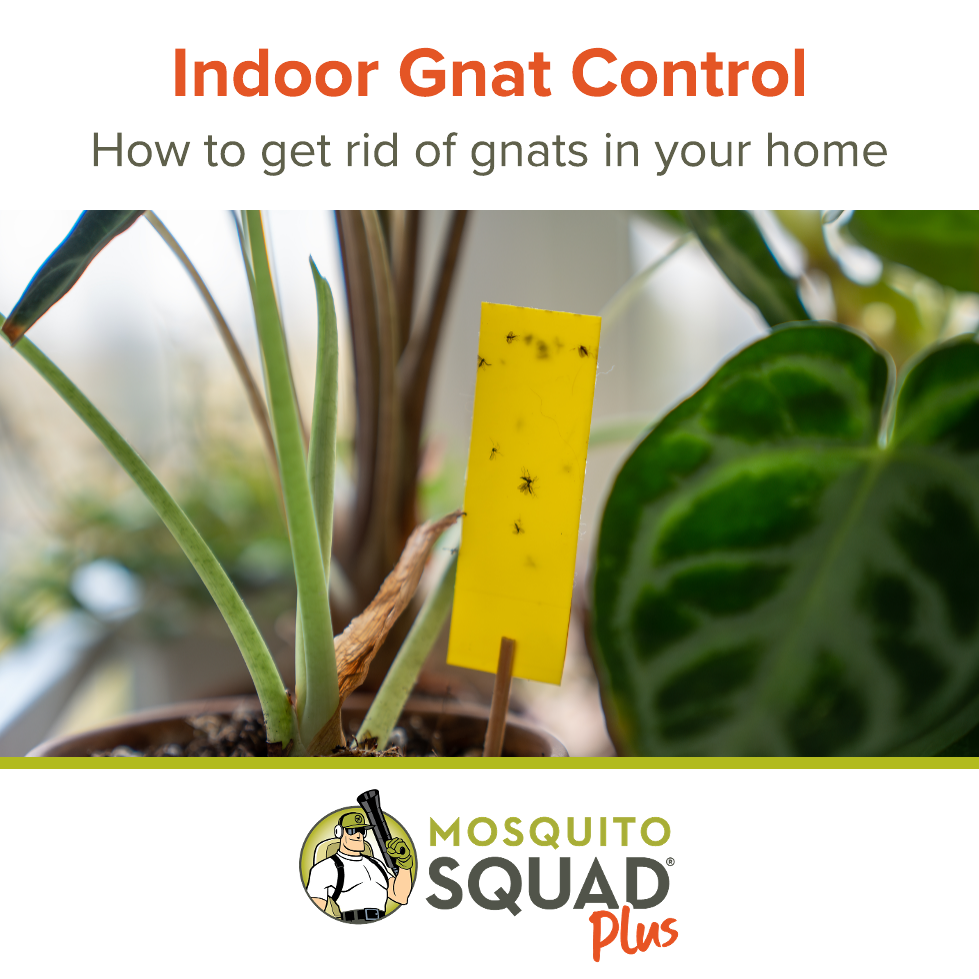
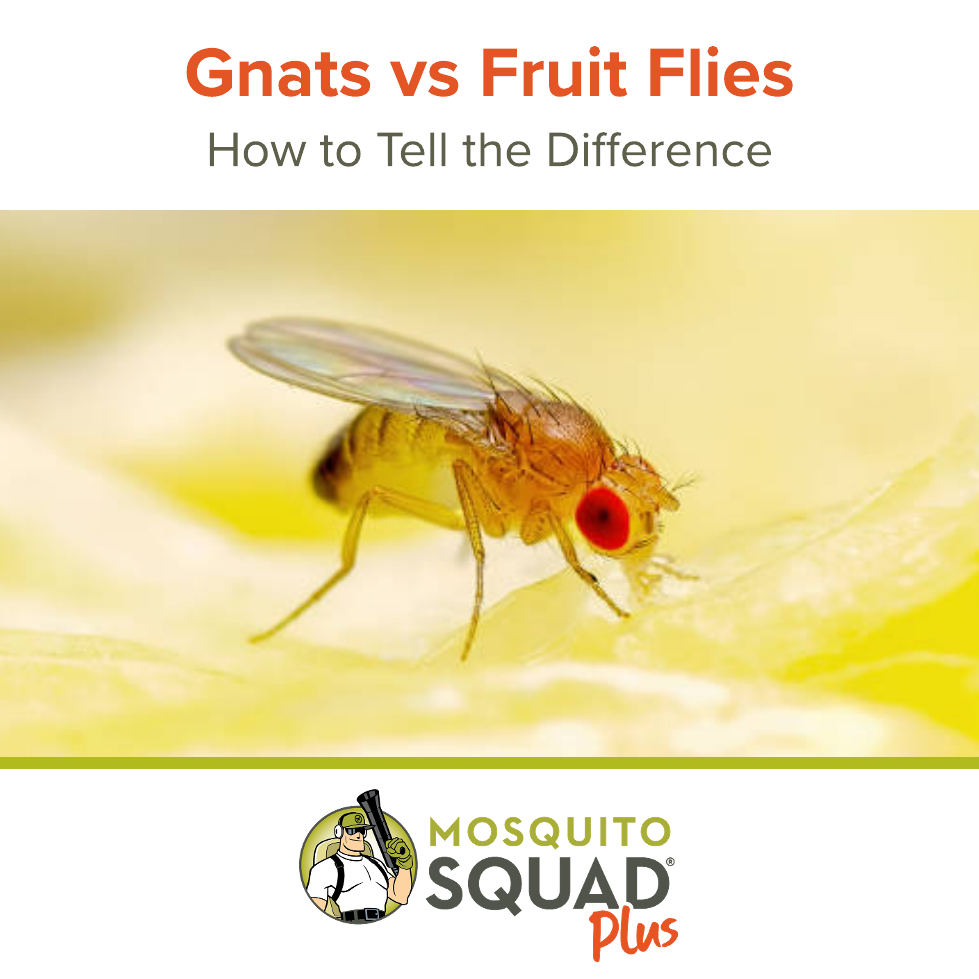
Gnats and small flies cluster around break-room sinks, lab drains, and the moisture points that any large building accumulates. They are among the add-on pests our Squad Plus coverage is built to target alongside ants and spiders. They are a nuisance in an office and a genuine concern in a lab or medical facility where contamination control is part of the operation. A recurring program that treats drains and moisture sources does far more than a one-time spray ever will.
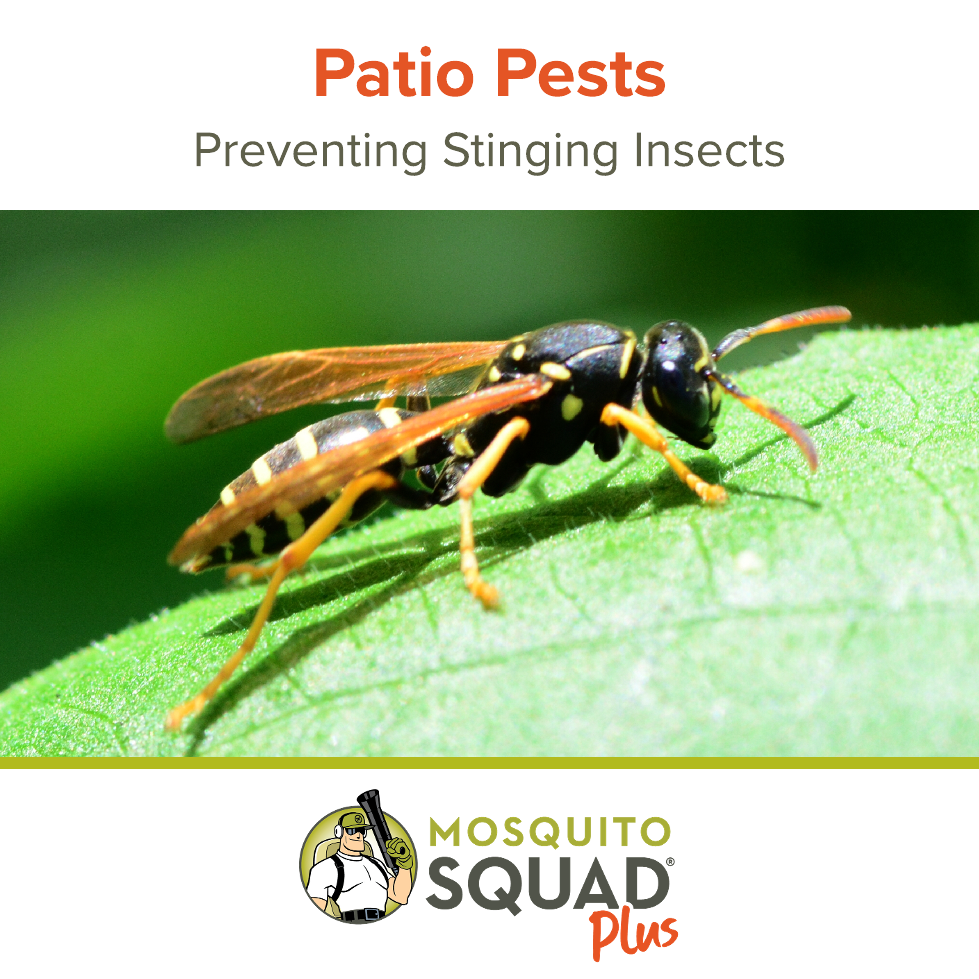
On the exterior side, the program also covers fire ants, mosquitoes, ticks, no-see-ums, fleas, and small paper wasp nests, the same pests that drive our Huntsville pest control work, which matters for any commercial property with an outdoor component: a research-park campus with walkways and green space, an office with a patio or courtyard, a building whose employees eat lunch outside. Fire ants in particular are a North Alabama constant, and a mound beside a building entrance is both a liability and a bad first impression.
Cadence: Why Monthly Is Often Not Enough
Here is the operational point that separates a program that holds from one that lets activity creep back. Most commercial routes, especially the national chains', run monthly because monthly is efficient to schedule across a huge account base. The problem is that the pests do not keep a monthly schedule.
The small flies and gnats that show up around break rooms and lab drains complete their life cycle in roughly eight to ten days, according to the Penn State Department of Entomology. German cockroaches rebound quickly once treatment lapses because each female carries dozens of eggs. That means a building serviced every thirty days has a stretch at the end of each cycle where the residual has faded and a new generation has matured, which is exactly when the office manager starts getting emails about bugs in the break room. Our program runs on the pests' actual life cycle rather than a tidy calendar month, the same 21-day rhythm we run on the exterior barrier side, because that is the interval the biology actually demands.
For an office or lab, cadence also means discretion. A building full of people working on deadline does not want a technician disrupting the floor at 10 a.m. The right commercial provider schedules around your operation, treats the interior when it causes the least disruption, and keeps the visible areas consistently clean rather than swinging between treated and overrun.
What This Looks Like for the Buildings Huntsville Actually Has
The covered-pest list is fixed, but the emphasis shifts with the building, and Huntsville's mix is specific enough to be worth spelling out.
A Class A office in a research park is an ants-spiders-roaches interior program with a heavy professional-impression weighting. The lobby, the conference rooms, the break rooms, and the restrooms are the priority, because those are what employees and clients see, and the exterior work keeps the campus walkways and entrances clean. A flex building, half office and half warehouse, is two programs in one: the office side behaves like any office, while the warehouse side, with its dock doors and stored materials, brings the rodent and spider pressure of a small warehouse. A lab or medical facility raises the stakes on the gnat, drain, and contamination side, where the FDA and facility auditors expect documented pest management as part of the operation. And a research-park campus with real outdoor space leans more on the exterior program, the mosquitoes, ticks, fire ants, and wasps that make walkways and green space usable.
The thread across all of them is the same: these are buildings where the people inside are the product, and the pest program exists to keep the building working without anyone inside having to think about it. For nearby communities like Madison and Owens Cross Roads, where a lot of the area's newer office and flex development is going up, the same logic applies, and our full North Alabama service area covers the surrounding communities.
What Sets a Commercial Provider Apart Here
A few things actually matter when you are choosing who treats a Huntsville commercial building, and they are not the things the brochures lead with.
Responsiveness is first. A pest sighting in an office is not an emergency the way it is in a restaurant kitchen, but a roach in a conference room before a client meeting feels like one. The question to ask any provider is what happens between scheduled visits: do they come back, how fast, and at what cost. Our commercial service carries a 100 percent satisfaction guarantee, and if activity increases between treatments among the covered pests, you call and we come back out to re-treat at no charge. That re-service commitment, and a local team that can actually get there, is worth more than any line in a brochure.
Discretion and documentation come next. An office wants a provider who works around the workforce and keeps records clean enough to hand an auditor, which matters especially for the lab, medical, and federal-adjacent facilities that fill this market. And local knowledge matters more than it sounds: a provider who actually understands that Huntsville's commercial base is offices and labs, not strip-mall restaurants, builds a program that fits the building instead of running a generic route. Mosquito Squad of Huntsville is veteran-owned and has served the North Alabama area since 2018, and our commercial program is built to flex to the building in front of it.
If you manage an office, a flex building, a lab, or a research-park facility in Huntsville and you want a pest program built for that kind of building rather than a restaurant, the place to start is a walkthrough. Call (256) 907-8493 or request a free commercial quote and we will walk the building, see how the space is actually used, and tell you straight what it needs.