Capshaw's Cotton Fields, or as the Mosquitoes Call Them, Home
Posted by Mosquito Squad Plus
June 22, 2026
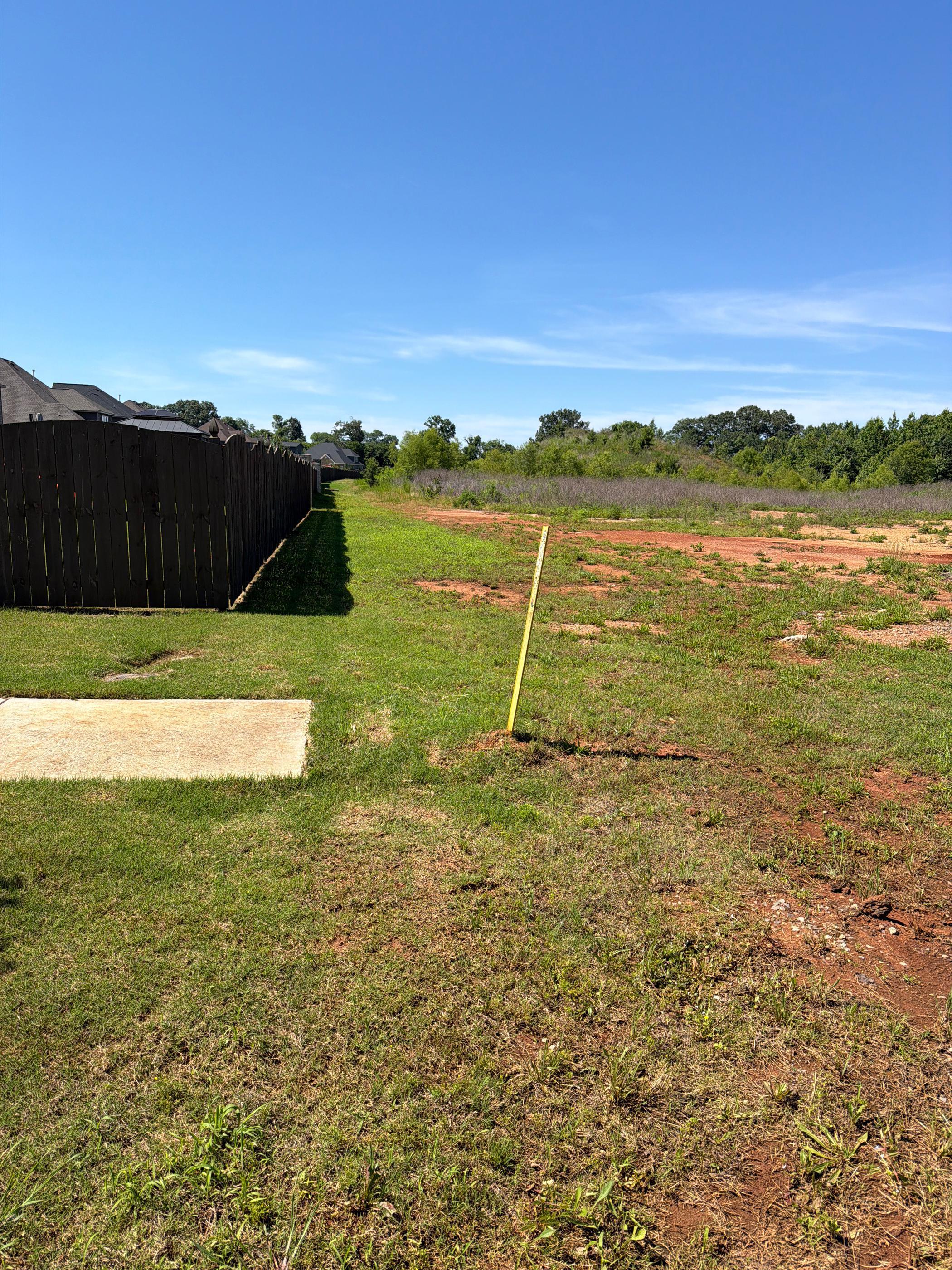
Drive Capshaw Road fifteen miles west of Huntsville and the subdivisions thin out and the land opens up into what it has always been. Corn and cotton. Flat row-crop ground running out to the tree lines, with pockets of houses tucked in between the fields. Capshaw is still farm country, one of the last stretches of working agricultural land in fast-growing Madison County, and that single fact decides almost everything about how mosquito season runs out here.
Because farm ground holds water differently than anything else. A cotton field is graded to move irrigation across it and drain rain off it, and when that drainage is slow, or the field sits flat, or a ditch clogs, the water stands. A farm pond holds water on purpose, all season. The flooded low corner of a planted field after a Tennessee Valley thunderstorm holds water for days. Every one of those is a mosquito source, and a property out here is usually surrounded by them. Mosquito control in Capshaw is a farmland problem first, and treating it like a subdivision problem is how people end up behind all season.
The Mosquito That Comes Off a Plowed Field
There is a specific kind of mosquito that thrives on farmland, and it is not the same one the new subdivisions deal with. Out in the cornrows and cotton fields, the dominant pest is the floodwater mosquito, and it has a trick that makes a working farm its perfect home.
The University of Arizona's agricultural extension describes how the floodwater mosquito lays its eggs directly on damp soil in spots with a history of standing water, where the eggs lie dormant until the next rain or irrigation floods them. Then they hatch all at once. A planted field is built for exactly that cycle. The low end of a cotton row floods, dries, and floods again with the next storm, and each flooding can release a fresh batch of mosquitoes that was waiting in the dirt for the water to come back. The eggs can sit through a dry spell and a cold snap and still be viable when the field floods in spring.
That is a different animal from the container-breeding mosquito that dominates the newer neighborhoods closer to Huntsville. It does not need a clogged gutter or a plant saucer on a porch. It needs a field that floods, and Capshaw has thousands of acres of those. A peer-reviewed analysis of irrigated agriculture found that irrigation both increases and stabilizes mosquito populations, meaning farm country does not just produce more mosquitoes, it produces them more reliably, season after season, because the water is part of how the land works.
Why the Tennessee Valley's Best Farmland Is Also Its Best Mosquito Ground
The same things that made this the most productive farm country in Alabama are the things that make it mosquito country. The Tennessee Valley is the state's most concentrated row-crop region, with Limestone and Madison counties leading Alabama in cotton acreage, and Capshaw sits right on the line between them. Flat, fertile, well-watered bottomland is ideal for cotton and corn. It is also ideal for standing water.
Flat ground does not drain fast. The gentle grade that keeps a field from washing out in a storm is the same gentle grade that lets water sit in the low spots for days afterward. Rich valley soil holds moisture. And the whole farming operation is organized around getting water onto the land, through irrigation, through ditches and laterals, through the natural drainage of the fields, which means there is water moving across this ground for much of the growing season whether it rained or not.
University extension guidance on farm mosquito control is blunt about where the trouble starts. The University of California's agricultural IPM program points to field ditches that hold water for more than four days, tailwater collecting at the low end of a field, and leaky head gates and turnout structures as the classic agricultural mosquito sources. That is a precise description of an ordinary Capshaw farm in an ordinary wet spring. None of it is a sign of neglect. It is just what irrigated row-crop farming looks like, and mosquitoes have spent ten thousand years learning to exploit exactly these conditions.
The Farm Pond Problem Nobody Wants to Hear About
Almost every working property out here has a pond. Stock ponds for cattle, irrigation ponds, the old farm pond that came with the land. They are part of what makes country living what it is, and most of them are not the mosquito source people assume.
The deep, open middle of a healthy farm pond is not where mosquitoes breed. Fish eat the larvae, wind keeps the surface moving, and the water is too open for egg-laying. The trouble is always the edges. The CDC points to the still, shallow, vegetated margins of ponds and standing water as where mosquitoes actually lay, not the open deep water. A farm pond ringed with cattails and tall grass and shaded along one side can put out mosquitoes all summer while the middle looks perfectly clean. The same goes for the seasonal pools, the wet-weather ponds that form in a pasture low spot and hold for a couple of weeks in spring, long enough for a generation of floodwater mosquitoes to complete the cycle and disperse into the yards nearby.
That dispersal is the part that catches people. A homeowner can keep an immaculate yard, dump every bucket, clean every gutter, and still get eaten alive, because the mosquitoes are not coming from their yard. They are coming from the field ditch two properties over and the stock pond across the road. Mosquitoes travel, and on open farm ground there is nothing to stop them.
The Houses Going In Where the Cotton Used To Be
Capshaw is not going to stay all farmland, and that is its own piece of the mosquito story. The suburbs of Huntsville are pushing west, and new subdivisions are going in on land that grew cotton a few years ago. The trend shows up in the numbers: the USDA Census of Agriculture recorded Madison County's land in farms falling from roughly 224,000 acres to 210,000 in just five years during the 1990s, and the conversion has only accelerated as Huntsville has grown. The houses are new. The drainage they sit on is not.
When a builder grades a few dozen lots out of an old field, the underlying lay of the land does not change. The low spots that pooled water when it was a cotton field still pool water now, except now there is a house and a lawn on top of them. The new homeowner inherits a century of farm drainage and has no idea, because nothing about a finished subdivision tells you the back third of the property used to be the wet end of a field. The old farm ditch is still there, running along a property line or buried under a culvert, still carrying water and still holding it where the grade goes flat. New families move out here for the space and the country setting and discover their first summer that the mosquito pressure came with the land, not the house.
This is the collision that defines Capshaw right now. Working fields on one side, new rooftops on the other, and a water table that does not care which is which. The pest pressure that built up over generations of farming does not reset when the subdivision sign goes up. If anything, it concentrates, because now there are people and pets and backyards sitting right on top of ground that has been growing mosquitoes since before any of them arrived.
Ticks Come With the Territory Too
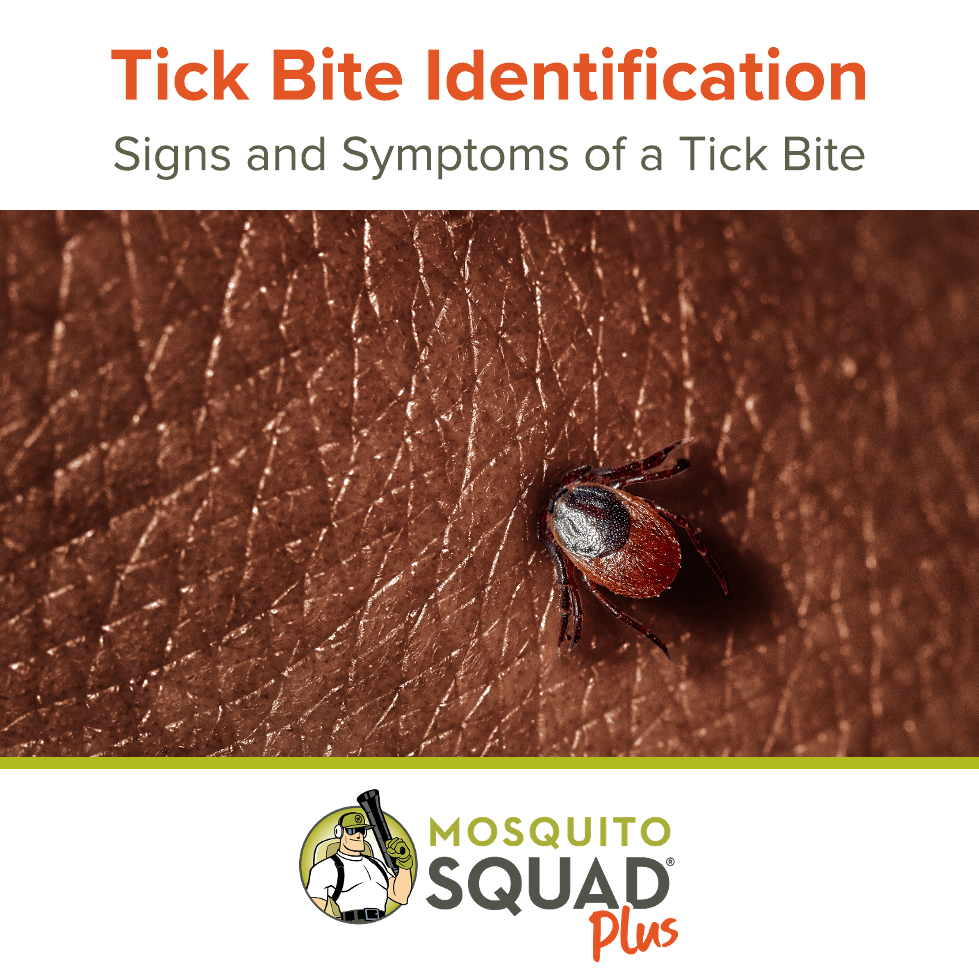
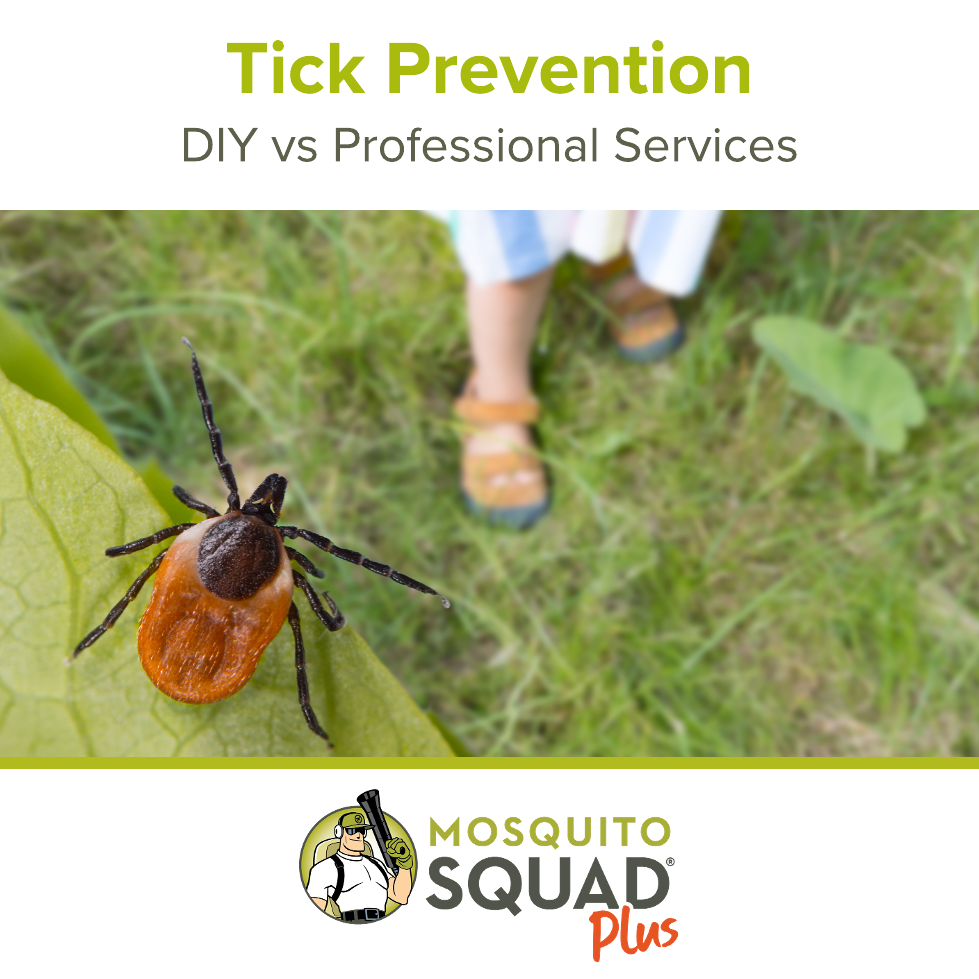
Farm country is tick country, and for a lot of the same reasons. The tree lines that border the fields, the brushy fencerows, the tall grass along a ditch or the edge of a pasture, all of it is prime tick habitat, and farm ground has miles of that edge. Where the mowed yard gives way to a field margin or a wood line, that transition strip is where the ticks wait.
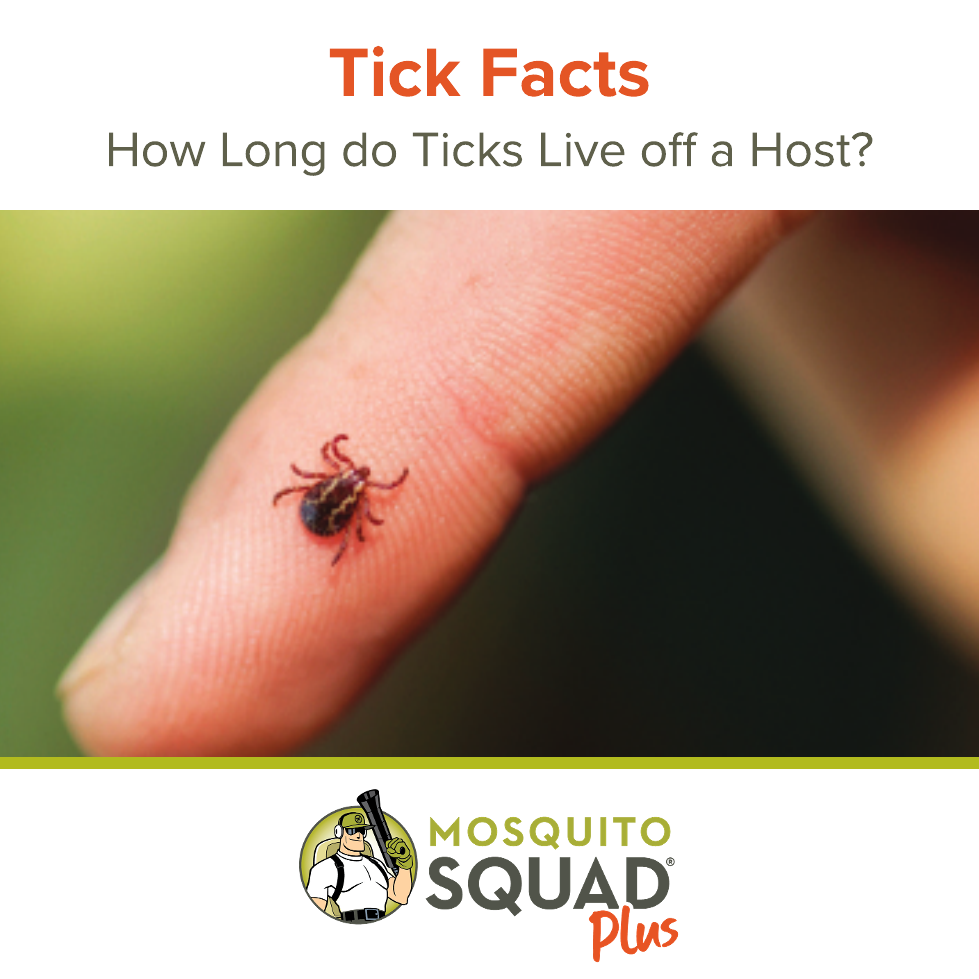
The Alabama Cooperative Extension System identifies the lone star tick as the most abundant tick in the state, found in the brushy, grassy, shaded edges that ring every field in Madison and Limestone counties. Deer move through farm country constantly, working the tree lines and the crop edges, and they bring ticks with them onto every property they cross. A home on the edge of a field is a home on the edge of active tick habitat, and treating ticks out here means working that field-to-lawn border, not just the open grass where people actually spend their time. The 6 C's of tick control lay out the approach, and on a property that backs to cropland or pasture, that edge work is the whole game.
The Pests That Farm Country Sends Toward the House
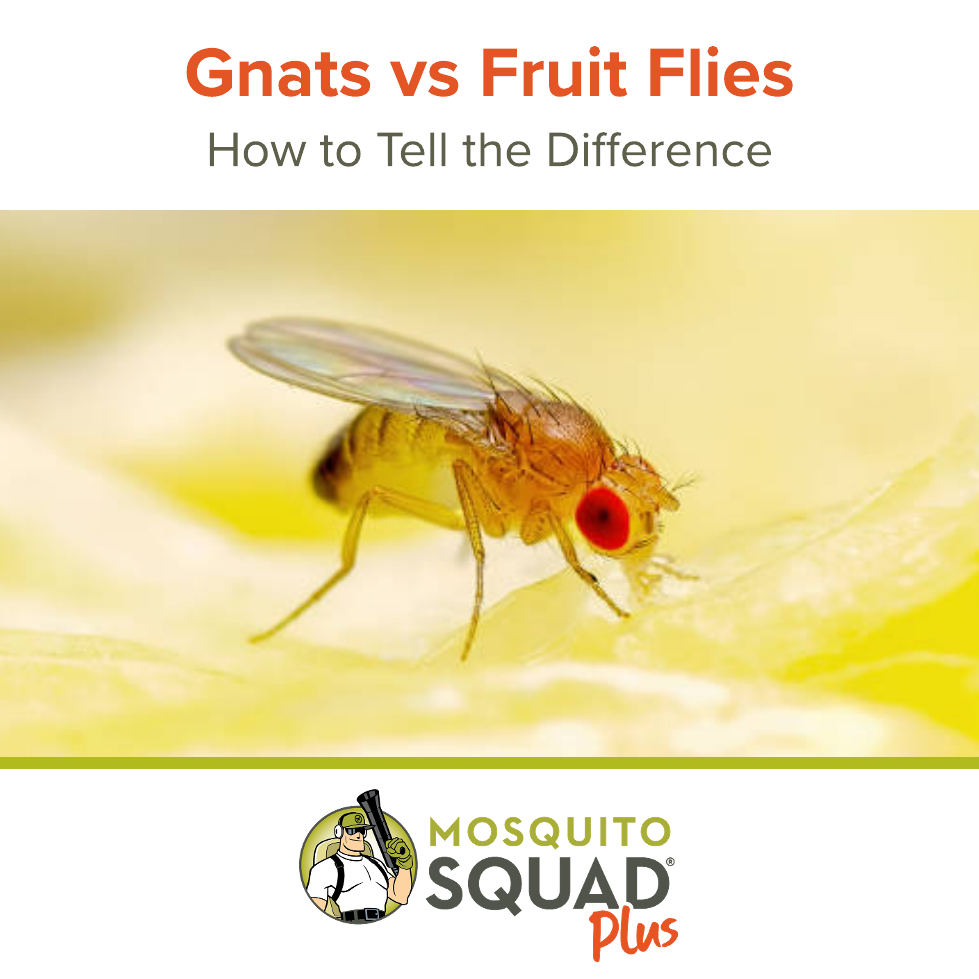
Open agricultural land has its own roster of pests beyond the mosquitoes and ticks, and several of them have a way of ending up at the house. Gnats and no-see-ums breed in the same damp field margins and pond edges the mosquitoes use, and on a still evening they swarm the porch in clouds, which is why knocking down gnats and biting midges becomes part of the picture on a property near working fields or a pond.
Fields and pastures are also fire ant country. The imported fire ant thrives in the open, sunny, disturbed ground of farmland and the freshly graded lots of the new subdivisions alike, and a Capshaw property often has both. The mounds turn up along field edges, in the yard, around the mailbox, anywhere the ground is open and warm.
And when the weather cools and the fields go dormant, the mice and rats that lived all summer in the crop rows and fencerows start looking for somewhere warm. A house sitting in the middle of harvested farmland is the most attractive structure for a mile, and fall is when the rodent pressure moves from the field toward the foundation. A property out here deals with the whole calendar, not just the summer biting season.
Treating a Capshaw Property the Way Farm Ground Actually Works
A Capshaw yard cannot run on the same plan as a yard in a tight Huntsville subdivision, because the pressure is coming from a different place and a lot more of it. In practice it comes down to a few things.
First, accept that the sources are mostly off the property. The field ditch, the neighbor's stock pond, the wet-weather pool in the pasture across the road, those are producing the mosquitoes, and no amount of work inside your own fence line shuts them off. The 7 T's of mosquito control start with tipping and tossing the standing water you can reach, and that work matters, but on farm ground it only ever solves part of the problem. The rest has to be handled with a treatment that targets the adults coming in off the surrounding land, which is what a barrier program is built to do.
Second, treat the edges, not just the open yard. The field margins, the fencerows, the tree line, the shaded band along a ditch or pond, those are where both the mosquitoes rest during the day and the ticks wait for a host. A mosquito barrier treatment works by targeting those resting and harborage areas, the underside of foliage and the shaded vegetation along the edges, which on a farm property is most of the perimeter. For households that prefer a botanical approach, the natural treatment option runs on the same schedule with essential-oil active ingredients.
Third, run it across the whole season and the whole pest list, because farm country does not take a season off. For a property dealing with mosquitoes off the fields, ticks off the edges, fire ants in the open ground, and rodents pushing in come fall, year-round Home Shield coverage handles the structure and yard on a rolling schedule that shifts with what is active. And for the events that country properties are made for, the family reunion, the wedding in the field, the fall bonfire, a one-time special event spray clears the yard beforehand.
Country Living Is Worth the Trouble of Knowing It
Nobody moves out to Capshaw by accident. People come for the open land, the quiet, the room to breathe that you cannot get closer to town, and the working farms that give the place its character. None of that is worth giving up. It just comes with a yard that plays by farmland rules, water standing in the fields and ditches, mosquitoes breeding off ground that floods and dries, ticks working every tree line, and pressure pushing in from acres of land you do not own and cannot treat.
That is not a reason to love the country less. It is a reason to treat the property like the patch of working farmland it sits on. We cover Capshaw along with neighboring Harvest, Toney, Athens, and Madison across the west side of the Huntsville area, and as a veteran-owned local business we know this farm country because we are the ones out here treating it. Our work is backed by a 100 percent satisfaction guarantee. Call us at (256) 907-8493 or get a free quote online, and we will build the plan around your land instead of a subdivision's.