How Tall Grasses Create Ideal Tick Habitats in Merrillville
Posted by Mosquito Squad Plus
August 6, 2026
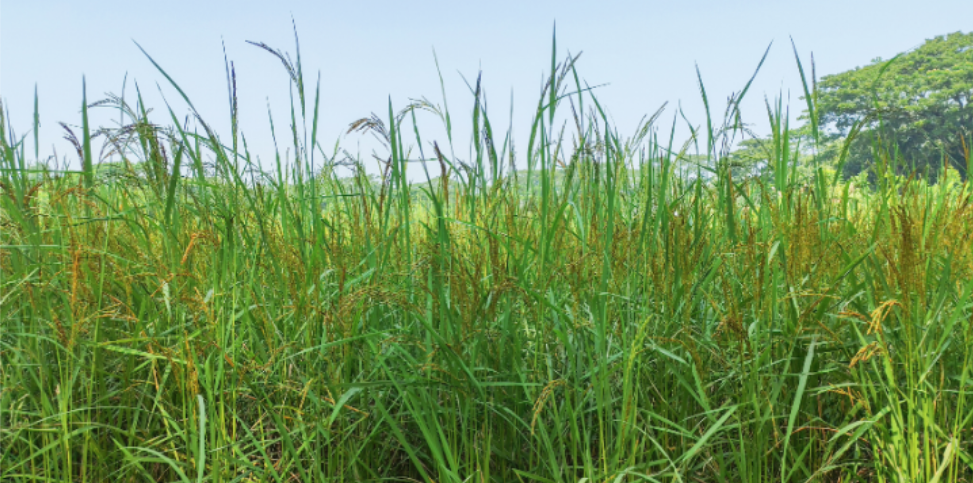
Merrillville combines large swathes of farmland, private homes, established neighborhoods, and parks for a varied landscape in Northwest Indiana. Merrillville's variety of natural spaces, especially the amount of field and tall grasses, provides a large number of places for different tick species to establish themselves and reproduce.
Why Tall Grass Supports Tick Activity
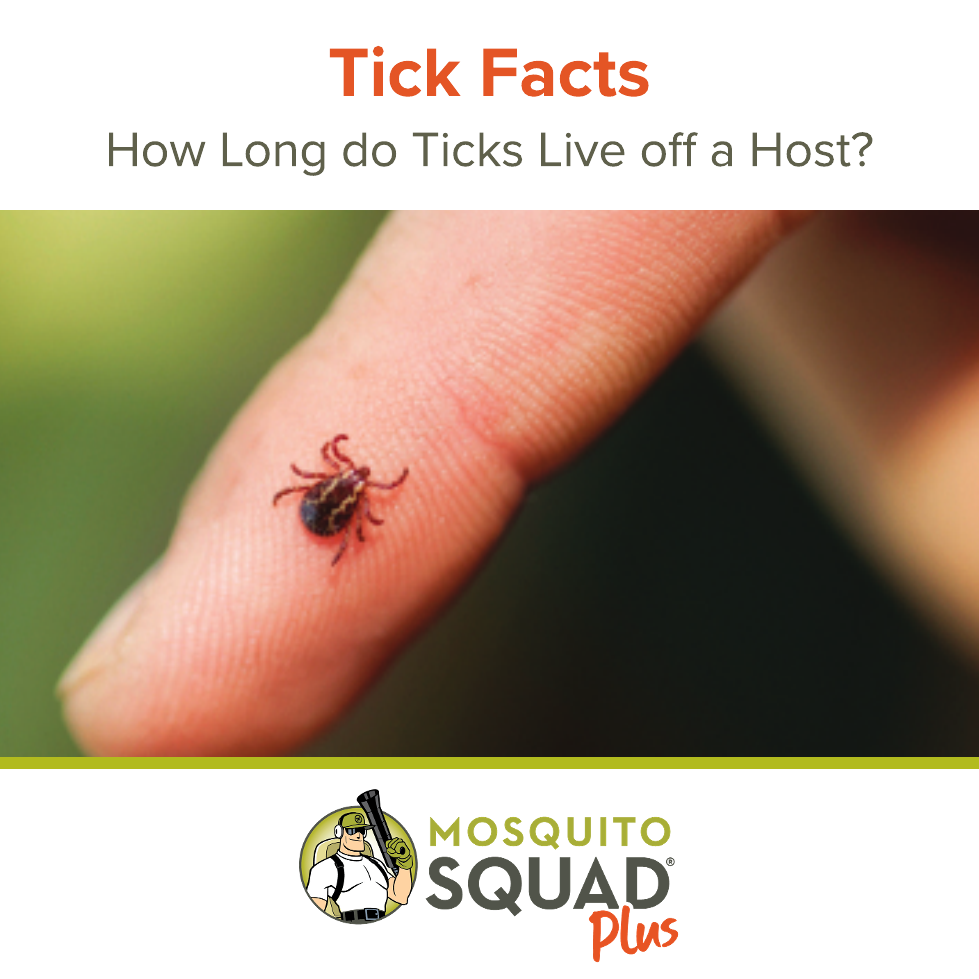
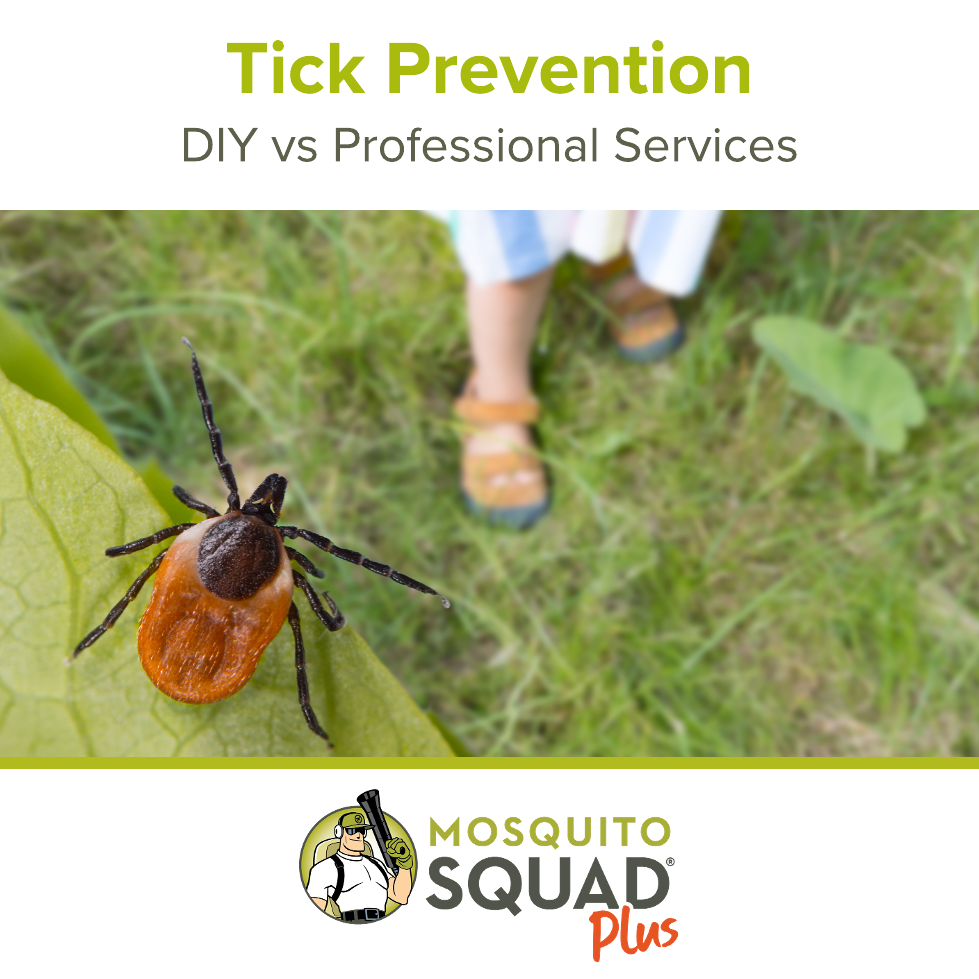
Because of their size and lack of flight, ticks are hard to spot when they are seeking a new host. They use humans, pets, and wildlife as hosts and to travel to new areas. Ticks primarily climb grass blades, weeds, and brush to wait for a passing host. This makes tall grass a practical place for ticks to rest and also a place people should pay close attention.
Northwest Indiana summers are hot and fluctuate between heavy rain and dry conditions. When the weather is hotter and drier, ticks seek moisture so they do not dry out. If they're living in tall grasses along forest edges, they will seek out leaf litter and the moisture they hold during these periods.
In a suburban community such as Merrillville, habitat can occur in ordinary places, including an overgrown drainage strip, the back edge of a large lot, or vegetation beside a walking route. Mosquito Squad Plus of Northwest Indiana serves homeowners throughout the area with targeted outdoor pest treatments.
Where You Might Encounter Ticks
You typically will not run into ticks in the middle of a well-maintained, sunny yard; it's not the right habitat for them. Ticks prefer shaded, sheltered areas with moisture and nearby pet/wildlife activity, including:
- Tall grasses, brush, and leaf litter
- Wooded borders and stone walls
- Stacked wood and overgrown brush
- Areas frequently visited by deer, rodents, or other animals
If you or your pets spend any time in areas like this, you should be doing tick checks before coming inside. When opting for professional tick control, homeowners should expect treatment planning to focus on the specific edges and sheltered zones where tick encounters are more likely.
Tick-Borne Illnesses Deserve Attention
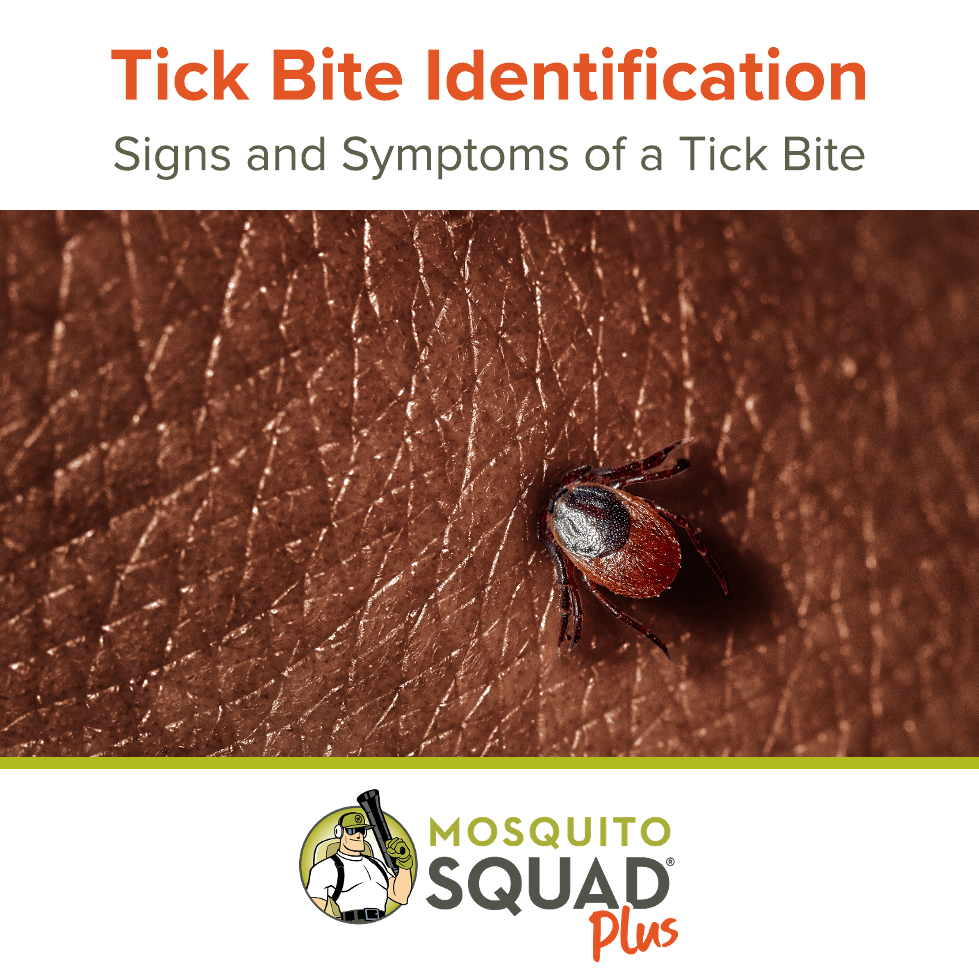
Several tick species occur in Indiana, including blacklegged ticks, American dog ticks, and lone star ticks. Depending on the species, a tick bite can transmit illnesses such as Lyme disease, ehrlichiosis, anaplasmosis, or Rocky Mountain spotted fever. A lesser-known syndrome from the Lone Star tick is alpha-gal syndrome, a potentially serious allergy to products containing mammalian meat.
A tick bite is often easy to miss, so prevention matters even when no immediate irritation appears. Symptoms vary by illness, and anyone who develops a rash, fever, unusual fatigue, or joint discomfort after a possible bite should contact a medical professional. The local article on Northwest Indiana tick control offers additional context for managing exposure around regional properties.
Reduce Tick Habitat Around Your Property
Keep grass trimmed, clear excess leaf litter, cut back brush, and create separation between recreation areas and wooded edges. A band of gravel or wood chips can help define the transition between a frequently used yard and dense vegetation. Place play equipment and seating away from brushy borders, stack firewood neatly in a dry location, and discourage wildlife from feeding near the home. Explore Northwest Indiana pest control services and contact us to get started. Call (219) 402-3344 for a free quote for Merrillville, IN tick control.