Ann Arbor MI Tick Control: What to Know About Local Tick Risks
Posted by Mosquito Squad Plus
October 15, 2026
Ann Arbor is home to multiple nature parks and well-wooded neighborhoods. This environment, walking trails, and other green spaces create opportunities for wildlife to linger and people to spend time outside. The accompanying shade and thick underbrush create an environment ticks favor. Mosquito Squad Plus of Lansing provides tick control to Ann Arbor, MI, and can help build a broad pest treatment plan.
4 Common Ticks in Michigan
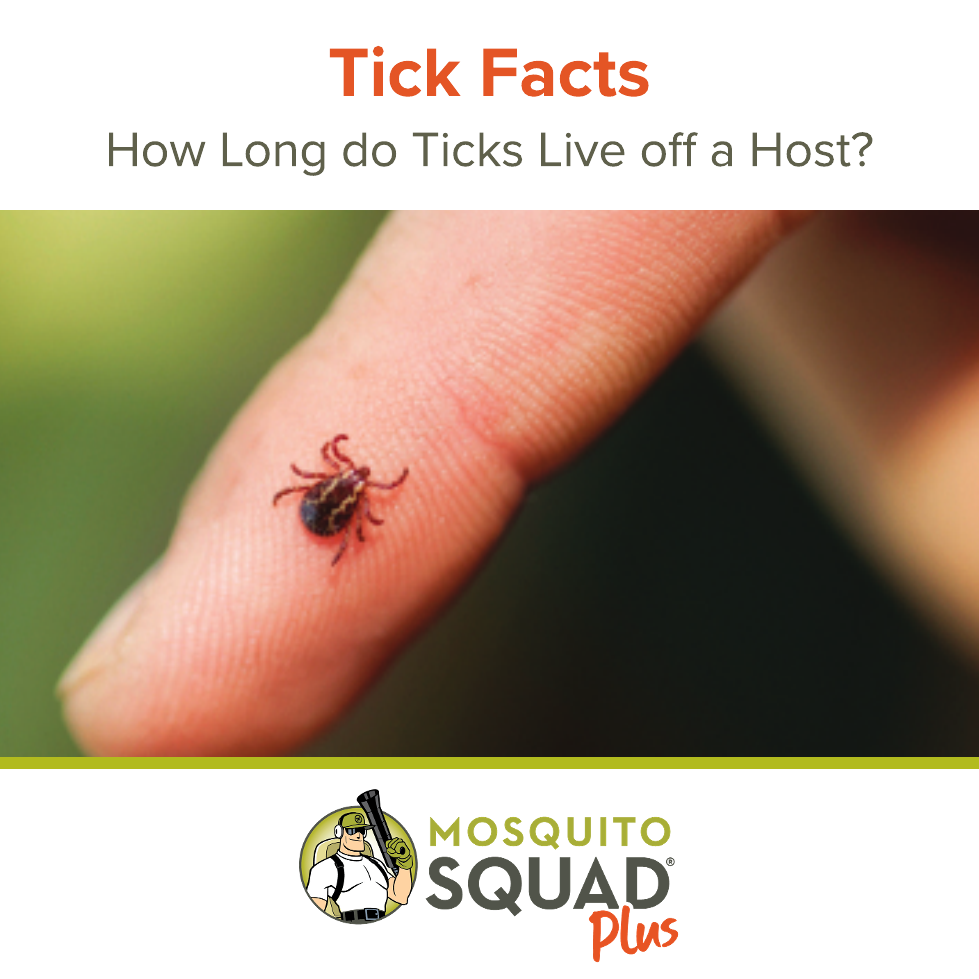
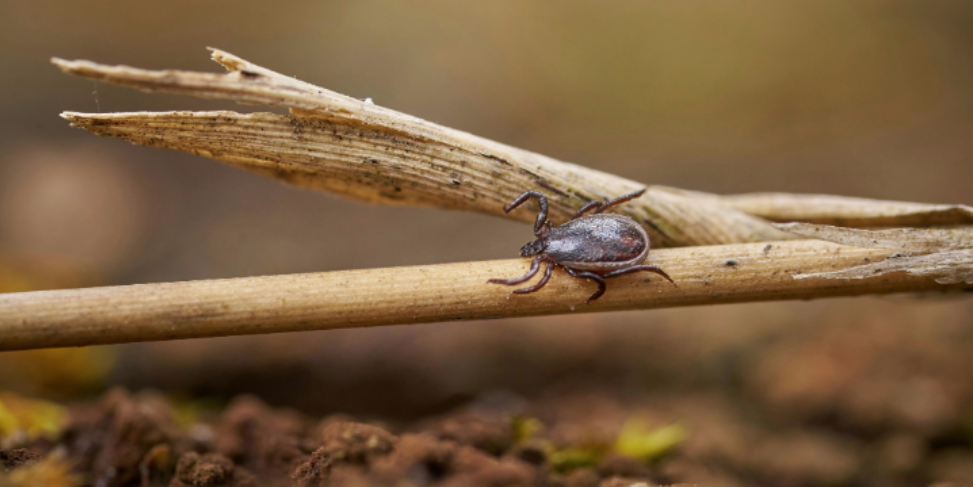
Michigan is home to more than 20 known tick species. Four common species residents should know include:
- American dog tick: Widespread in forests and grassy areas; despite the name, it does not limit prey to dogs. They do use people as hosts as well.
- Blacklegged tick: Also called the deer tick, this species occurs in wooded environments with low vegetation. This species can be a problem in winter; adults can be active as long as temperatures remain above freezing.
- Lone star tick: Occasionally found in wooded and grassy areas across Michigan, the lone star tick is known to actively pursue hosts, not just wait for them to pass by.
- Woodchuck tick: Often found on pets, this tick commonly lives near woodchuck and skunk dens. It is associated with Powassan encephalitis.
Where Are Ticks Found Around Ann Arbor?
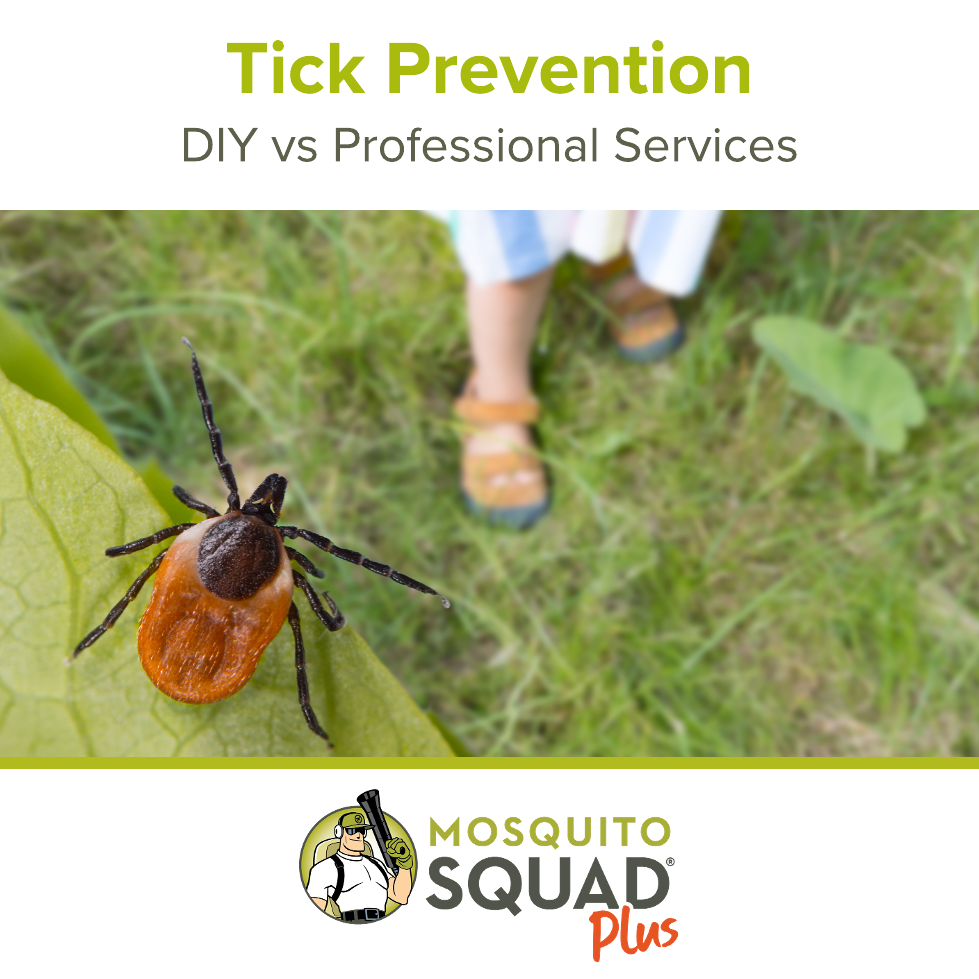
Ticks do not jump or fly. Instead, they wait on grass, leaves, shrubs, and other vegetation for a person or animal to brush past. Around Ann Arbor, favorable habitat includes wooded edges, tall grass, leaf litter, shaded areas, and brush piles.
Exposure can happen on trails or in residential yards, but homes near woods or fields are more likely to encounter ticks, particularly those bordering natural areas.
What Tick-Borne Diseases Are a Concern?
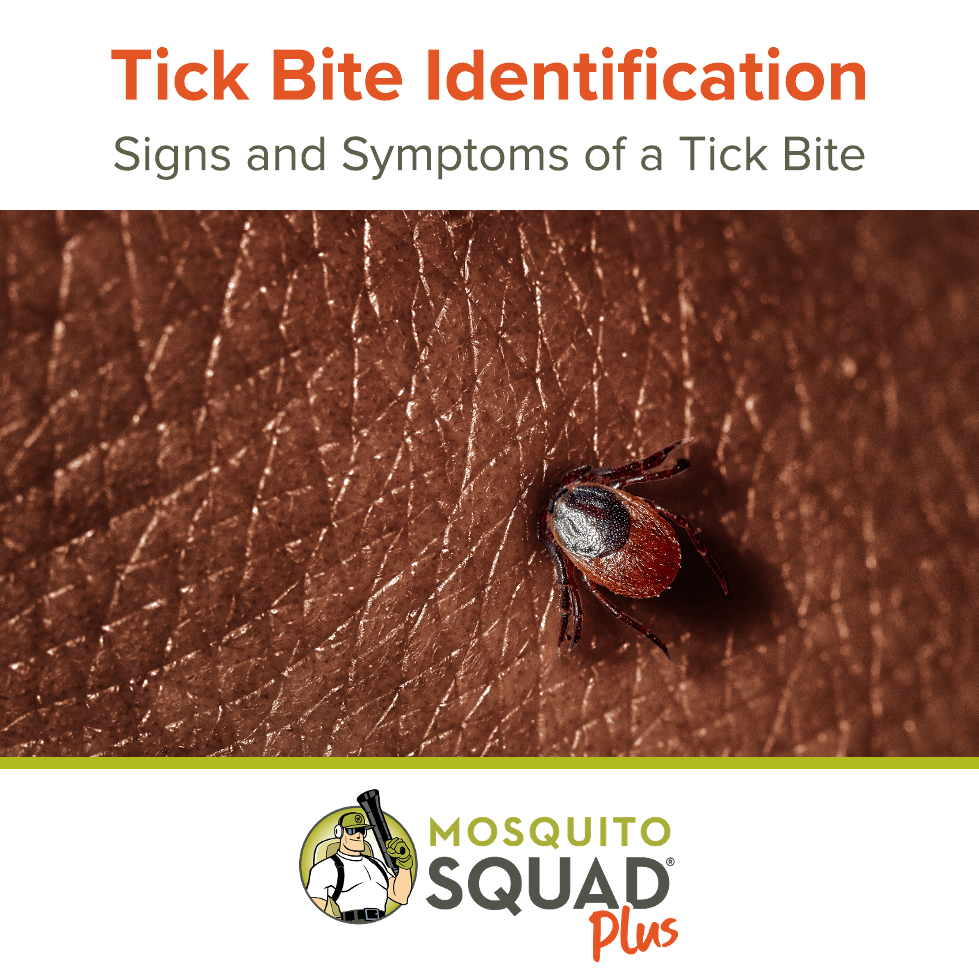
Lyme disease is one of the best-known tick-borne illnesses in Michigan. It is usually transmitted by blacklegged tick nymphs, rather than adults. Other potential tick-borne illnesses include anaplasmosis, babesiosis, ehrlichiosis, tularemia, and Powassan virus infection. Symptoms differ by illness, so anyone who feels unwell after a known or suspected tick bite should contact a medical professional.
Can Ticks Affect Pets?
Dogs and cats can encounter ticks while exploring the yard or if you take them on walks or hikes through wooded areas. Pet owners can reduce encounters by checking pets for ticks after these activities. Common places you should check are around the ears, neck, legs, feet, and tail. Check these potential latching points and follow veterinarian-recommended tick prevention measures.
How Does Wildlife Affect Tick Activity?
Deer, mice, raccoons, woodchucks, and other wildlife can act as tick hosts and transport them between areas. Yards near wooded corridors or places with frequent wildlife activity may provide more opportunities for tick encounters.
How Can You Reduce Tick Encounters?
Take the time to complete regular yard maintenance, trimming back thick vegetation and raking up fallen leaves. Move woodpiles and stored project materials away from spaces people spend time in.
When walking through natural areas, stay near the center of trails when possible, primarily to avoid brushing against tall grass or brush where ticks are waiting. Long pants, closed shoes, and lighter-colored clothing can also make ticks easier to spot. Just like pets, do thorough tick checks on people after spending time outside.
Professional Ann Arbor, MI Tick Control
Mosquito Squad Plus of Greater Lansing serves Ann Arbor with professional pest treatments focused on likely tick habitat. Learn more about why homeowners choose Mosquito Squad Plus or call (517) 798-8681 for a free quote over the phone.