The Ticks Ault Park Sends Into Hyde Park
Posted by Mosquito Squad Plus
July 20, 2026
The deer come out of Ault Park at dusk. You can watch them work the edges of the lawns along Observatory in June, and by full dark they are two and three streets deep into Hyde Park, browsing the hostas and standing in driveways until a car turns in. Most people who live near the park have stopped noticing them. They should pay closer attention to what the deer are carrying, because the same animals that trim your daylilies overnight are the reason a tidy in-town lot with no woods on it still puts ticks on the dog.
When people picture the kind of property that gets ticks, they picture acreage, a wild back edge, a creek drainage, woods behind the fence. Hyde Park has almost none of that. The lots are small, the houses sit close, and the yards are kept up. Ticks show up anyway, and the reason is a mismatch people miss. The yard is not the habitat. The park is the habitat, and it sits at the end of the block. Ault Park runs 224 acres of wooded ravines and forested trails right along the neighborhood's eastern edge, and everything living in those ravines treats the surrounding streets as more of the same range.
The honeysuckle in the ravines is doing more than you think
Walk any of the Ault Park trails and the green wall pressing in on both sides is mostly Amur honeysuckle. It leafs out before the native trees in spring and holds its leaves after everything else has dropped in fall, which is why the ravines look solid green from March into November.
Cincinnati Parks knows exactly what it is dealing with. The city's forest restoration crews have made cutting back honeysuckle, privet, and burning bush a stated priority at the park, treating the stumps as they go. The crews have flagged trail-corridor clearance as one of the first priorities, which tells you where the worst of it sits, right along the paths people and dogs use. That work is slow and the shrub grows back hard, so for now it owns most of the understory, and the deer and mice living in it are not waiting on the restoration schedule.
Honeysuckle is not a tick plant on its own. What it does is pull in the animals that carry ticks and give them somewhere to settle. Researchers working across the St. Louis region found that white-tailed deer strongly preferred honeysuckle-invaded ground, and that those invaded plots held far more ticks as a result, with roughly ten times the number of infected nymphs compared to cleared ground. When the same researchers pulled the honeysuckle out of test plots, deer sign and infected tick numbers both fell, which told them the plant was working through the deer rather than changing the ticks directly. Deer bed down in the dense tangles because the draping branches give them cover, and they browse the edges at night.
That pattern is not confined to Missouri. A study in a southwestern Ohio forest, a short drive from these ravines, measured the litter layer under honeysuckle and found the shrub raised the abundance of Acari, the group that includes ticks. The deer are only half of it. The immature ticks feed on smaller animals, and a review in BioScience laid the mechanism out plainly: blacklegged tick numbers climb where white-tailed deer and white-footed mouse activity climbs, and understory shrub invasion drives up both. Ault Park's honeysuckle feeds the deer and shelters the mice at the same time, which is close to ideal conditions for building a tick population.
The mice matter for a reason beyond numbers. Deer move the ticks around, but the white-footed mouse is where a lot of the young ticks pick up the Lyme bacterium in the first place. Ohio State researchers describe the white-footed mouse as one of the most common small-mammal sources of infection to ticks in their larval and nymph stages, and the statewide surveillance work found roughly one in five sampled mice already carrying antibodies to the pathogen. A honeysuckle understory that packs mice and ticks into the same shaded ground is not just growing more ticks. It is growing more of the infected ones.
The hosts do not stay in the park. Every evening the deer step over the line into Hyde Park, and the ticks that fed on them ride along and drop off wherever the deer stop to browse. That is how a lot with no woods of its own inherits the park's tick load. You do not need woods on your property when the woods send their wildlife to you.
Why a lot with no woods still ends up with ticks
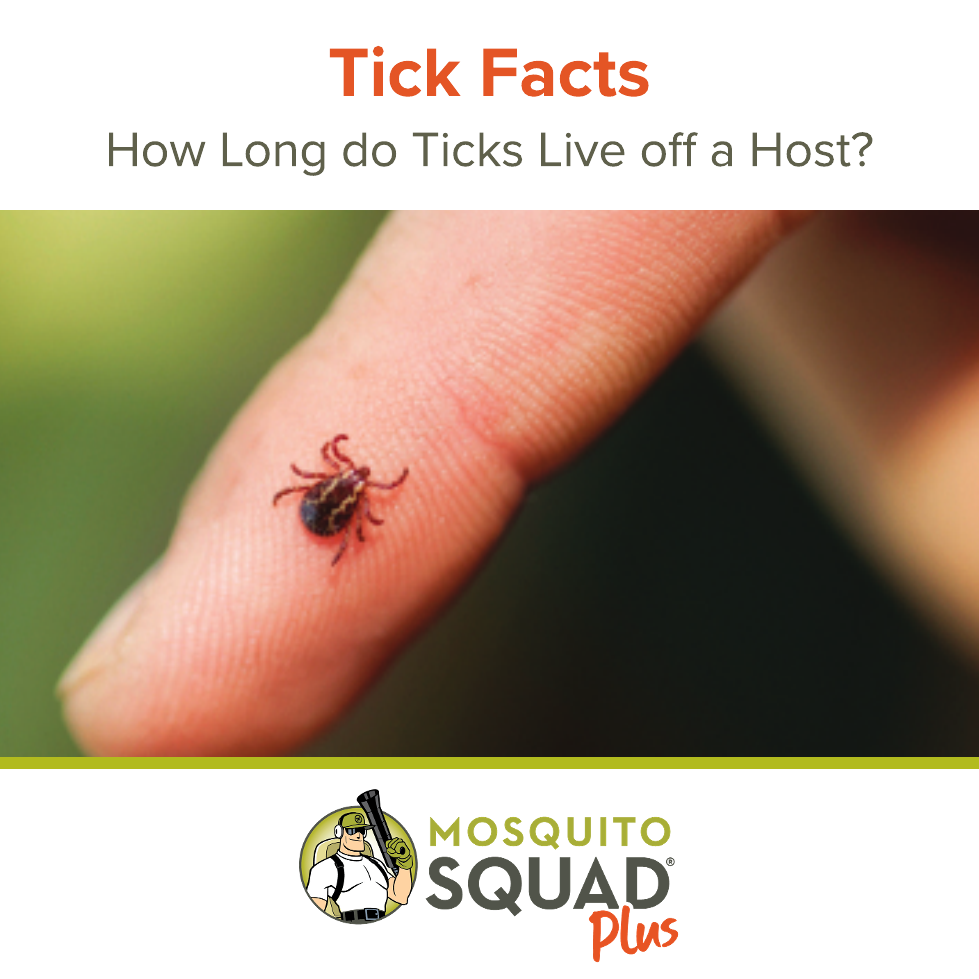
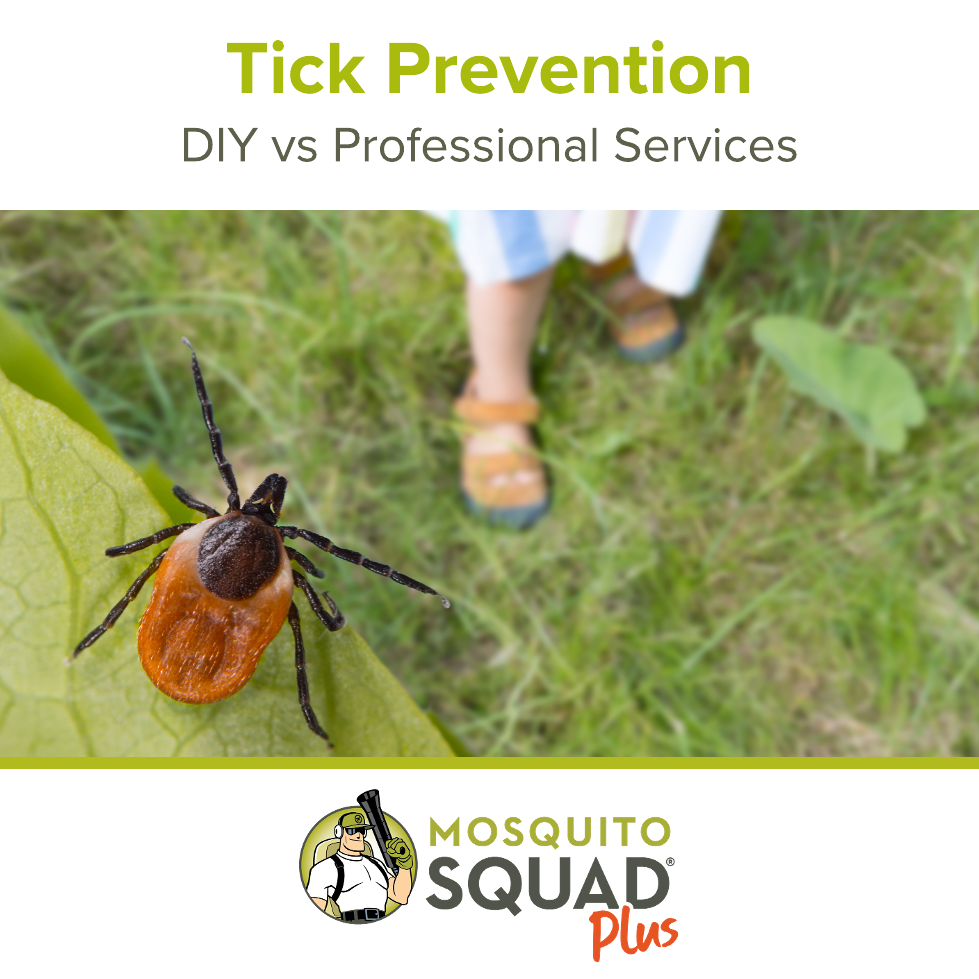
Once a tick drops off a deer in your yard, it needs somewhere humid and shaded to wait for its next host, and older Hyde Park lots offer more of that than people expect. The tick that matters most here is the blacklegged tick, also called the deer tick. Its immature stages feed on small mammals, and Ohio State Extension is specific that the larvae and nymphs feed primarily on white-footed mice and chipmunks, both of which live in the shaded margins of the neighborhood and thick in the park. The adults feed on deer. That is the whole cast: mice and chipmunks near the ground, deer moving through, and ticks cycling between them and picking up whatever those animals carry.
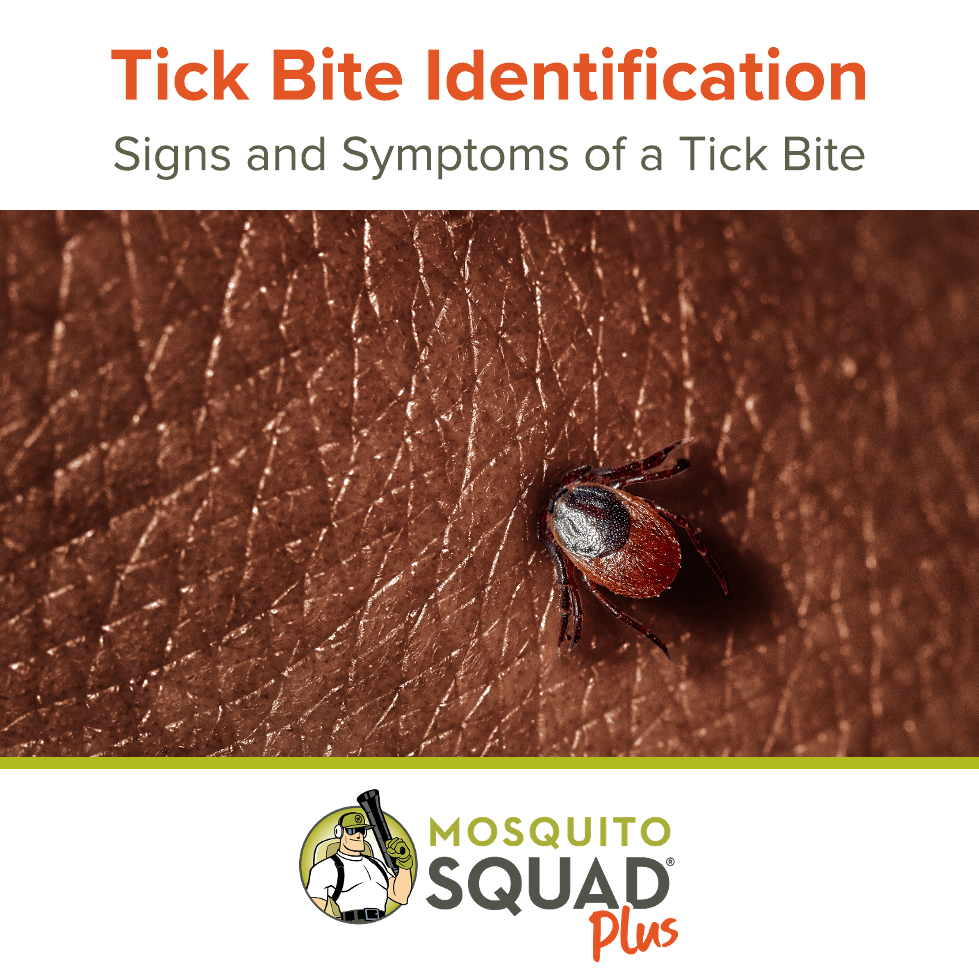
The blacklegged tick is the one that spreads Lyme disease. The lone star tick and the American dog tick you also find around Cincinnati transmit other illnesses, but the CDC is clear that neither one spreads Lyme. That is why the deer tick draws the most attention here. Blacklegged ticks became established in Ohio in 2010 and have since spread across the state. Peer-reviewed surveillance found the tick in 57 of Ohio's 88 counties by 2012, with a share of the collected ticks already carrying the Lyme bacterium and one in five sampled white-footed mice showing antibodies to it, evidence the full cycle had taken hold. An Ohio State study put the risk of a Lyme-infected bite in Ohio on par with Connecticut, and reported the tick present in all 88 counties.
Hamilton County Public Health has not been quiet about it. Their medical director has called Lyme a real risk here in the county rather than a distant one, and the department points to the usual early signs of fever, aches, fatigue, and a spreading bullseye rash, with early treatment mattering because untreated cases can move on to joint and heart complications. None of that is meant to alarm anyone off their own porch. It is meant to explain why a tick found on a kid in a Hyde Park backyard is not the same shrug it might have been twenty years ago.
On the lot itself, the ticks settle into the shaded, damp ground you would predict. Leaf litter under mature trees holds them well. So does dense ornamental groundcover, which is easy to overlook in a neighborhood built on it. The New York State Department of Health, in its long-running tick guidance, names pachysandra directly as a groundcover worth restricting where family and pets spend time, because it holds the humidity ticks depend on and gives the mice cover at the same time. The same guidance flags bird feeders and woodpiles for drawing in the rodents that feed the young ticks. A lot of Hyde Park's shaded foundation beds and side yards fit that description exactly, running right up against the house.
What people try first, and where it runs out
The first instinct is usually to keep the dog out of the park, which helps a little and settles almost nothing. The deer are the larger delivery system and they come to the yard on their own schedule, feeder or no feeder, leash or no leash. The second instinct is a spray-and-forget can from the hardware store, which knocks down whatever is present the afternoon it goes down and does nothing for the ticks arriving off the next deer that crosses the line a week later.
Better yard habits do move the needle, and they are worth doing. The CDC's landscaping guidance is the sensible baseline: clear leaf litter, mow often, keep the grass short at the lawn's edge, stack firewood in a dry spot so it stops sheltering rodents, and put a three-foot band of wood chips or gravel between the lawn and any wooded or planted edge to slow ticks migrating in. Moving play sets and patio furniture away from the shaded borders helps too, since that is where the nymphs sit. The CDC also makes a point that lands hard in a neighborhood like this one, that plenty of people pick up ticks in their own yard or right around the block, not on some remote hike.
Personal habits carry part of the load the yard cannot. Treating clothing and shoes with permethrin, using an EPA-registered repellent, tucking pants into socks on park walks, showering within a couple of hours of coming in, running clothes through a hot dryer, and checking yourself, the kids, and the dog after time outside all cut down on bites. Hamilton County Public Health repeats most of that list every season for a reason.
A lot of Hyde Park homeowners land in the same place after a full season of trying. They have raked and trimmed, kept the dog leashed, run the tick checks, and still find nymphs on a kid after an afternoon in the backyard. The reason is structural: the pressure is not generated on the lot, so it cannot be fully solved on the lot. It has to be intercepted at the seam where your yard meets the park's overflow, again and again, across the months the ticks are moving.
What holds the line on an in-town lot
Holding a Hyde Park property means treating the specific ground where ticks wait and doing it on a schedule that matches how fast the park restocks them. A barrier treatment applied every 21 days is built around that reality. The interval is the differentiator, and it is not arbitrary. It keeps a working residual on the shaded edges, the groundcover beds, and the leaf-litter zones through the stretch when a monthly service would leave a two-week hole for the next wave to move in behind it.
The tick-focused approach targets the harborage rather than the open lawn, because the open lawn is not where the ticks concentrate. Our 6 C's of Tick Control framework walks through it: clearing and treating the transitional edges, the ground cover, and the litter layer where nymphs wait for a host to brush past. On a small lot that borders the park, those zones are compact and treatable, which is one real advantage Hyde Park holds over the sprawling estate edges out in Indian Hill and the larger-lot pockets around Madeira. You are defending a shorter perimeter, and a shorter perimeter is easier to hold.
Because the mouse and chipmunk cycle is part of the problem rather than a side note, tick work on these lots pairs naturally with attention to the rodents feeding the immature ticks. That is why our Home Shield and Complete Home & Yard programs fold rodent pressure into the same plan rather than treating it as a separate call weeks later. For households with vegetable beds, pollinator plantings, or young kids and pets, we also run a plant-based treatment option that families near the park tend to choose.
None of this is a one-time cure, and no honest operator should sell it that way. The park is not going anywhere and neither are the deer. What a treated property gets is a defended edge that resets every 21 days, so the ticks coming off the next deer do not get a foothold in the groundcover before something stops them.
When to start, and why early beats late
Timing decides how the season goes. The dangerous stage of the blacklegged tick is the nymph, which is about the size of a poppy seed and active through late spring and summer, exactly when people are outside and least likely to spot one on a shin. By the time you are pulling ticks off the dog in June, the nymphs have been out for weeks and the yard has already been seeded. The move that works is to have treatment in place before that, in late March or early April, so the first flush of ticks coming off the deer never establishes in your groundcover to begin with.
Ault Park does not switch its tick season off early either. The honeysuckle that shelters the hosts holds green late into the fall, the adult ticks stay active well past the first cool nights, and the deer keep moving through the neighborhood the whole time, so pressure on the bordering streets in Hyde Park, over into Mount Adams, and out toward Terrace Park runs longer than a calendar would suggest. If you want the fuller picture of why local tick numbers have climbed, our piece on ER visits for tick bites walks through the county data, and the Indian Hill wooded-lots post covers how the same deer-and-mouse machinery drives a very different landscape a few miles east.
Treatment does not replace the basics, and the two work best together. Check yourself, the kids, and the dog after any time in the yard or the park, paying attention to the warm, hidden spots where nymphs go unnoticed. If you find one attached, remove it promptly with fine tweezers, close to the skin, and note the date, because the early bullseye rash and flu-like symptoms Hamilton County describes can take days to show. Save the tick in a sealed bag if you want it identified later. The same barrier visits that hold the ticks also keep the mosquito pressure down off the shaded slopes, which is a second reason the shaded lots bordering the park benefit from being on a schedule rather than reacting a bite at a time.
We have been treating yards across Blue Ash, Hyde Park, and greater Cincinnati since 2013, and the Ault Park corridor is one we know street by street. If ticks keep turning up on a lot that has no business having them, the honeysuckle in the ravines and the deer at the end of the block are almost always the reason. Call (513) 666-5354 or request a free quote and we will walk the property, find the harborage zones, and build the schedule around when the park is sending them over.