Why Red Bank Yards Are Still on the Mosquito Schedule in November
Posted by Mosquito Squad Plus
October 30, 2026
Most years, our Red Bank route wraps up sometime in October. This year it didn't. Traditional barrier treatments went on the books for November 4 and November 6, and they weren't make-up visits from a rained-out September. They were regular stops on the regular cycle, for homeowners in 37415 who were still getting bit after the leaves started coming down.
Most of us treat mosquito season like pool season. The cover goes on after Labor Day, the patio cushions get stacked in the garage, and the assumption is that the bugs packed up along with everything else. In Red Bank, the calendar and the weather rarely agree on when that actually happens, and mosquitoes only listen to one of them.
The other surprise is what those November visits look like. Pull the treatment notes on a handful of Red Bank properties and no two plans match. One yard gets the front, one side, and the pool area, with the back of the house left alone because that's how the owner wants it. Another has a standing instruction to stay clear of a beehive on one side of the house. A quarter-acre lot nearby gets the full perimeter plus the foliage.
Both of those things, the late season and the custom plans, come from the same idea. Mosquito control in Red Bank, TN works best when it follows what is actually happening in a specific yard, not what the calendar says should be happening. Our Red Bank service page covers the bigger picture on local pest pressure. This post goes deeper on two questions that come up every fall: why are you still treating, and why does my plan look different from my neighbor's?
The Calendar Says Fall. The Thermometer Has Other Plans.
One set of numbers explains most of it. The National Weather Service office that covers Chattanooga puts the median first frost at October 31 and the median first freeze at November 9. Median means half of all years run later than that. In those records, a frost is anything at or below 36 degrees, and a freeze is 32 or below.
So in a typical year, early November in Red Bank sits in a gap. Mornings are cold enough to see your breath on the way to the car. Afternoons still climb into weather where a T-shirt is plenty for raking. Mosquitoes are cold-blooded, so they slow way down on the cold mornings and pick right back up when a warm afternoon or a warm week rolls through. One frosty night on the windshield doesn't end the season. Sustained cold does, and in a typical year that is still a ways off in the first week of November.
Leaf drop changes the yard too. Once the hardwoods thin out, the shade that's left is mostly the evergreen kind: foundation shrubs, hollies, ivy on a retaining wall, the dark ground under the deck. Whatever mosquitoes are still around end up resting in those spots, which happen to sit right where people walk in and out of the house.
There is also a gap between the season people feel and the season that is actually happening. By October, hardly anyone is sitting outside at dusk. Dinner moves inside, weekends fill up with ballgames and errands, and the deck sits empty most evenings. Fewer people outside means fewer bites, which feels like the mosquitoes left. Then a warm Saturday shows up. Somebody gets back from a walk on the Stringers Ridge trails or a game at White Oak Park, lights the fire pit, and the back yard reminds everyone the mosquitoes never really did leave.
That is why the late visits hold their value. A treatment in the first week of November protects the warm stretches still coming, and in Red Bank there are usually more of those than anyone expects. It's the same reason mosquito control in Chattanooga comes down to weather more than dates.
What Fall Mosquitoes Are Doing for Next Spring
The Asian tiger mosquito, the small black one with the white stripe that bites during the day, doesn't ride out a Tennessee winter as an adult. It rides it out as an egg. Researchers have found that female tiger mosquitoes pick up on the shorter days and cooler temperatures of autumn and switch to laying a special kind of egg, one built to sit dormant through winter and hatch once spring warms back up. The Tennessee Department of Health lists this species among the most common disease-carrying mosquitoes in the state, so this isn't just about itchy ankles.
The mosquitoes still active in a Red Bank yard in late October and November are not a leftover nuisance. A lot of them are laying next year's first wave. The CDC notes these eggs stick to the inside walls of containers just above the waterline, can survive drying out for up to eight months, and can even make it through a winter in the southern United States. The flowerpot saucer, the wheelbarrow leaned against the shed, the toy truck that caught an inch of rain in October: those become the starting line for April.
Research out of the University of Tennessee shows how long this runs locally. In a study across ten East Tennessee counties, tiger mosquito egg-laying activity peaked starting in late June and kept going steadily into fall. It doesn't fall off a cliff at Labor Day here. It tapers, and it tapers slowly.
The mosquitoes that bite after dark play a similar long game. Researchers studying Culex mosquitoes in central Ohio collected blood-fed females into late November in two of the three years they sampled. Red Bank runs a good bit warmer than Columbus in November. If they're still feeding that late up there, it isn't a stretch to plan for it down here.
None of this means anybody needs mosquito treatments in January. It means the last treatment of the year matters more than people give it credit for. Knocking down adults before they finish laying cuts into the population waiting for the weather to turn again.
What Most Red Bank Homeowners Do in October
The pool gets closed, the patio furniture gets put up, and the citronella candles go back in the cabinet. Somebody dumps the birdbath once and leaves it standing upright. The kids' sandbox lid gets tossed on crooked. Then the first cold snap comes through, the bites stop for a few days, and the conclusion is that the season's over, so the last treatment or two gets skipped.
Here's where that falls short. A single cold front isn't the end of anything in Red Bank. Dumping a container once doesn't help much if it stays upright, because it refills with the next rain and the eggs already stuck to the wall get their water back. And a pool cover that sags and collects rain is one of the better mosquito nurseries on the block through November.
The fix is mostly about follow-through. The basics from our 7 T's of Mosquito Control still apply in fall: tip the containers, then store them upside down or under cover so they can't refill. Pump standing water off the pool cover after a rain. And keep the treatment schedule running until the weather, not the calendar, says the season is done.
Why No Two Red Bank Treatment Plans Look the Same
Now for the other half of what shows up in the November notes.
Red Bank lots in our records mostly run a quarter acre to a half acre. That is big enough that the yard has distinct parts that get used in different ways, and small enough that every one of those parts sits close to a neighbor. A half acre in Red Bank is not a blank rectangle. It's a front yard with the mail walk and the dog's favorite spot, a side yard with the AC unit and a hose reel, maybe a pool or a patio, a back section that may or may not get used at all, and a lot of fence line shared with someone else.
A good mosquito barrier treatment plan treats those as separate zones, because they are. Here is what that looks like on real Red Bank accounts, with the details kept anonymous.
Front yard, side yard and pool, with the back of the house left out
One homeowner wanted the front, one side, and the pool area treated, and asked us to leave the back of the house out of the plan. That's a completely reasonable request. Maybe the back is a vegetable bed they'd rather manage themselves. Maybe it's just preference. The plan follows it.
What we do on our end is make sure the treated zones get full coverage, including the shrubs and shaded spots right along the edge of the area that's left out. That edge is where mosquitoes drifting out of the untreated section look for a place to rest first, so it's worth getting right.
The beehive on the side of the house
Another account carries a standing note: avoid the beehive on one side of the house. That note stays attached to the property every visit, so whoever is on the route that day knows about it before the truck even stops.
Bees and mosquito treatments don't mix, and nobody in this business should pretend otherwise. NC State's entomology extension puts it plainly: what works on mosquitoes is usually rough on honey bees too. So the hive side gets left alone and the rest of the yard gets treated. Beekeepers should mention the hive when they sign up, and mention it again if it moves. We'd much rather hear about it twice than not at all.
Perimeter plus foliage on a quarter acre
On a quarter-acre lot, one plan in the notes is the full perimeter plus the foliage. No exclusions. Everything that can hold a resting mosquito gets covered: foundation shrubs, the undersides of leaves along the hedge line, the shaded ground under the deck, the plantings along the fence.
On a lot that size, the resting spots are close together and there isn't much wasted ground between them, so full coverage tends to show results quickly.
Mostly the back yard, but the front too
Another Red Bank customer said the mosquitoes were mainly in the back yard, but they were getting hit in the front too. That pattern usually comes down to where people actually stand still.
The back is where people sit. The front is where they stand at the car unloading groceries, stop to talk with a neighbor, or wait on the dog. A plan that only covers the back leaves all those front-yard minutes unprotected. When we walk a property, we ask where the household spends time, not just where they've noticed the most mosquitoes.
So when someone asks what mosquito control in Red Bank includes, the honest answer starts with a question back: which parts of the yard, and how do you use them? It's the only way to build a plan that fits.
When the Problem Starts Next Door
One Red Bank customer signed up for a simple reason. The neighbors had a lot of standing water, and the mosquitoes did not care whose property it was on.
We've covered that dynamic before. Our post on why your neighbor's yard affects how many mosquitoes you have gets into the basics, and our Northshore breakdown walks through how short a distance the daytime biters actually travel.
The short version: nobody can fix someone else's clogged gutter or forgotten kiddie pool, but anyone can make their own yard a bad place for mosquitoes to land and rest. University of Georgia Extension calls the single most effective step getting rid of standing water on the property and in the neighborhood, which is why a friendly word over the fence about a tarp or a bucket is worth the awkward minute. When that conversation doesn't happen, treatment on your side of the fence still cuts down how many mosquitoes rest and breed on your piece of the block.
What About the Gnats?
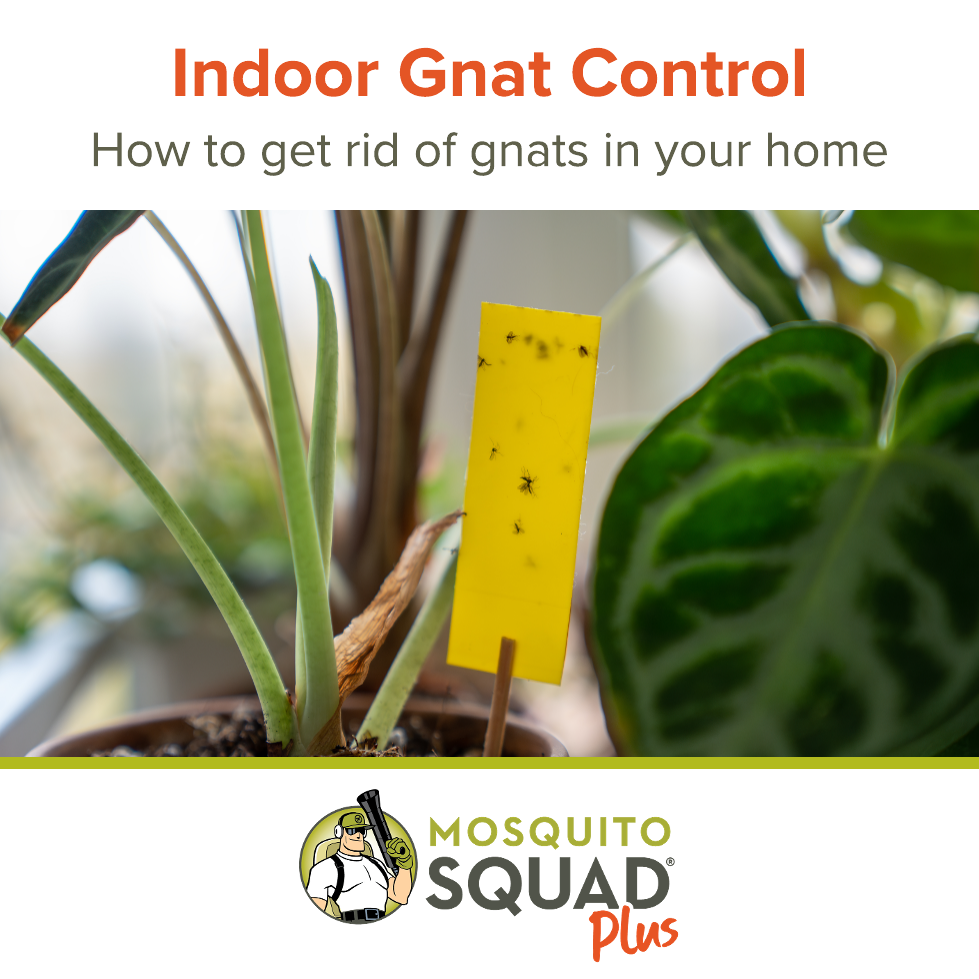
Gnats come up on Red Bank accounts too, especially in fall when the yard stays damp and the leaves start breaking down. They're annoying, they hang around your face, and it's reasonable to assume a mosquito treatment takes care of them too.
That depends on the plan. Gnats aren't covered by every plan, so it's worth asking directly when setting up service or switching plans. We'd rather say up front what is and isn't covered than leave anyone wondering why the gnats are still around after a visit. Our gnat control page explains what's involved, the dedicated option for persistent gnat and fly problems is Squad Fly Control, and our earlier post on why gnats are an underrated annoyance explains why they're worth taking seriously.
Per-Treatment or Year-Round?
Plenty of yards do fine on per-treatment mosquito barrier treatment. It comes around every 21 days through the season, and for many yards that's all they need.
Some customers move to a year-round plan after a season or two. Usually it's because the mosquito side is handled and they start noticing everything else: spiders around the porch light, ants in the kitchen in spring, things trying to get inside when the weather turns. Squad Yard Defender adds ticks, outdoor ants, spiders and other yard pests. Home Shield adds year-round perimeter coverage around the house, and Complete Home and Yard covers both. There's no contract on any of them. The point is to stop thinking about pest control one bug at a time.
For households that would rather keep things plant-based, our natural treatment option is an essential oil treatment that knocks down mosquitoes and ticks the moment it touches them. In Red Bank it comes around every 14 days instead of every 21, and it's a common pick for yards with gardens, kids, and dogs that live outside.
When to Make the Call in Red Bank
Still getting bit on warm afternoons in late October or early November? It isn't too late. A treatment now protects the warm stretches still ahead and cuts into the eggs being laid for spring. First service is scheduled within 48 business hours, weather permitting, and every visit is backed by our satisfaction guarantee. If a treatment doesn't measure up, contact the office within 14 days and we'll come back for a courtesy treatment at no additional charge.
Reading this in the middle of winter? Put a reminder on the calendar for early spring. Chattanooga yards turn over fast once the rain and warmth line up, which we covered in our post on what happens to mosquito season after a week of rain. The yards that start on schedule tend to stay ahead all season.
Before the last visit of the year, a few things are worth doing:
- Tip containers and store them upside down or under cover so they can't refill.
- Clean gutters after the last of the leaves come down, since a clogged gutter can hold water well into winter.
- Drain and cover the kiddie pool, birdbath, or fountain that won't get used until spring, and keep the pool cover pumped off.
- Let us know about any changes: a new hive, a new garden bed, a pool closing for the season, or a part of the yard to add to or leave out of the plan.
Mosquitoes aren't the only thing that shifts when the weather turns. For what keeps going after the season is truly over, see our post on pest control in Chattanooga during the winter.
Local Plans for Red Bank Yards
Mosquito Squad of Chattanooga and NW Georgia has run Red Bank routes since 2012. We're veteran-owned, we know these routes, and we build each plan around the yard it's for. That's the same approach we bring to neighboring Hixson and Signal Mountain. And if ants are the other Red Bank headache, our post on Red Bank fire ant control gets into why older yards fight a different ant problem.
For a plan built around how your yard actually gets used, call (423) 403-3513 or request a free quote. You can read what Chattanooga homeowners say about us and check our current offers.