Red Bank Fire Ant Control: Why an Older Yard Fights a Different Ant Problem
Posted by Mosquito Squad Plus
July 6, 2026
You can mow over a fire ant mound in a Red Bank yard and not think anything of it until the next afternoon, when you are standing in the same spot in flip-flops and suddenly your ankles are on fire. That is the part people get wrong about fire ants. The mound you see is the smallest part of the problem, and on an older lot with an established lawn, the colony has usually been there a lot longer than the mound has been visible. Red Bank yards have a fire ant problem that does not look like the one you see in a brand-new subdivision, and the difference matters for how you actually get rid of them.
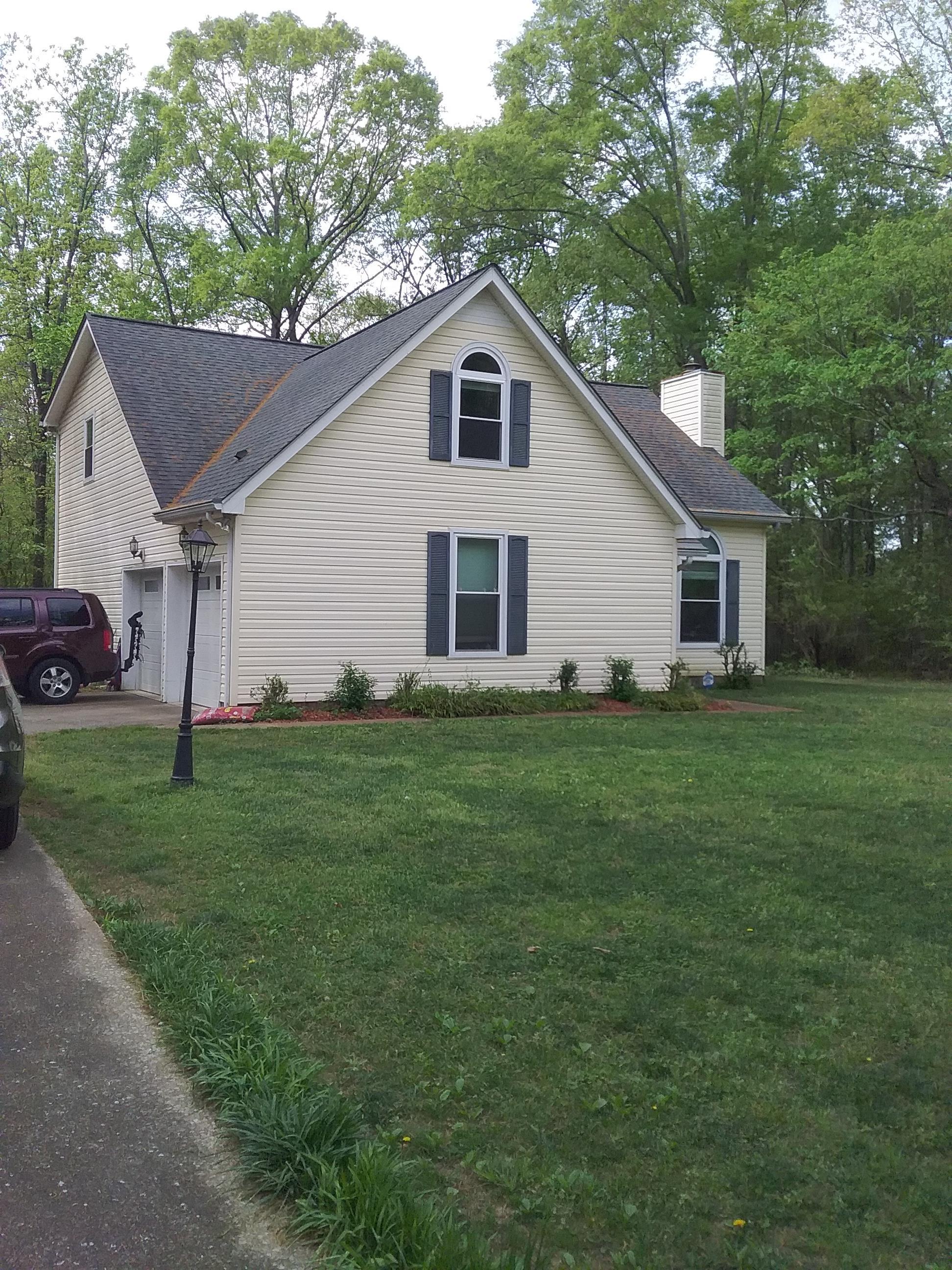
We have treated enough yards on this side of Chattanooga to know the Red Bank pattern. These are older, established neighborhoods, mature lawns, settled landscaping, crawl-space homes with foundations that have been in the ground for decades. People assume fire ants are a new-construction problem, something that comes in with disturbed soil and fresh sod. They are not. An established sunny lawn in Red Bank is exactly the habitat a fire ant colony wants, and the older foundation gaps and crawl spaces give the colony a way to push the problem from the yard toward the house. So a Red Bank homeowner is often fighting a more entrenched colony than a neighbor across town in a five-year-old build, and treating it like a one-mound problem is why it keeps coming back.
So here is the honest version of why fire ants hit Red Bank yards the way they do, what makes the Chattanooga area's fire ants their own particular headache, and what it actually takes to keep a lawn clear.
Why Chattanooga's Fire Ants Are a Special Case
Most of the country dealing with fire ants is dealing with one species, the red imported fire ant. The Chattanooga area is not most of the country. This corner of Tennessee and Northwest Georgia sits squarely inside the zone where two species overlap, and that overlap is the reason the fire ant situation here is genuinely its own thing.
The red imported fire ant and the black imported fire ant were both brought into the southern United States from South America in the early 1900s, and where their ranges met, they interbred. According to the research compiled through the cooperative extension system, that hybridization happened specifically in the adjoining parts of Tennessee and Georgia and neighboring states. Read that again, because it is describing this exact region. Chattanooga and the NW Georgia line sit inside the hybrid zone, which means a Red Bank yard can be dealing with red imported, black imported, or the hybrid of the two, and the hybrid in particular is well adapted to the cooler edge of fire ant range that this part of Tennessee represents.
That has a real consequence. Hamilton County is one of the Tennessee counties under fire ant quarantine, which regulates moving soil, sod, hay, and nursery stock out of the area specifically to slow the spread. The quarantine is a useful tell for homeowners: it means the state and federal agriculture authorities consider fire ants established and reproducing here, not an occasional visitor. When the government draws a regulatory line around a pest, the yards inside that line are not dealing with a someday problem. They are dealing with a now problem.
What Fire Ants Actually Want, and Why Red Bank Lawns Provide It
Fire ants are a sun-and-open-ground insect. The federal agriculture descriptions are consistent that open, sunny lawns and fields are the most attractive habitat, which is the opposite of the wooded, shaded tick habitat that dominates the ridgelines north of here. A maintained, sunny Red Bank lawn, the kind people have spent years getting established, is close to ideal.
The mound you see is misleading. A fire ant mound can run ten inches or more high and fifteen inches across, but it can also go three feet or more deep, and the visible dome is just the climate-control chimney for a colony that lives mostly underground. The ants come boiling out fast and aggressive when the mound is disturbed, run up any vertical surface they can reach, and sting in numbers, and the sting raises the white pustule a day or so later that anyone in the Southeast knows on sight. On a property with kids playing in the yard or a dog that roams, a mound near the play area or along the back fence is a genuine hazard, not just a lawn blemish, because the colony does not give a warning before it defends itself.
The older-neighborhood angle is where Red Bank specifically gets hit. The same crawl-space foundations and older foundation gaps that this part of Chattanooga is known for give fire ants a path from the yard toward the structure, particularly when summer heat or heavy rain pushes a colony to relocate. A colony that has lived undisturbed in an established lawn for a couple of seasons is bigger, deeper, and harder to knock out than a fresh one, which is exactly why the established Red Bank yard tends to be a tougher fight than the new build down the hill.
Why the Hardware-Store Approach Keeps Failing
Almost every Red Bank homeowner has fought fire ants the same way: see a mound, dump something on it, watch the ants vanish for a week, then find two new mounds a few feet over. There is a specific reason that cycle never ends, and it comes down to the queen.
A fire ant colony is run by a queen buried deep in the nest, and the colony survives as long as she does. When you pour a fast-acting product or a pot of boiling water on the top of a mound, you kill the workers you can see, but you usually do not reach the queen. University of Tennessee extension research is direct that home remedies like boiling water kill a mound only about 60 percent of the time and often just provoke the colony to pick up and relocate a few feet away, which is precisely the "I killed it but now there are more" experience everyone has had. Gasoline and other flammable home remedies are worse, they do not reliably work, they poison the soil, and they are dangerous to the person using them.
The approach that actually works is built around getting an active ingredient back to the queen, and the established method is a two-step program. Broadcast a bait-formulated product across the whole lawn in spring and again in fall, because the foraging workers carry the bait down to the queen, and that broadcast step alone can suppress mounds by up to 90 percent when it is done correctly. Then treat any individual mounds that survive. The catch is that "done correctly" hides a lot of detail that trips up homeowners: the bait has to be fresh, because ants ignore stale bait, it has to be applied when the ants are actively foraging, which means soil temperatures between about 65 and 90 degrees and not in the heat of a summer afternoon, and it has to go down when the grass is dry and no rain is coming so the foragers can actually retrieve it. Get the timing wrong and you have spread expensive bait that the colony never touches.
This is the real argument for a professional program in a yard like the ones in Red Bank. It is not that the products are secret. It is that fire ant control is a timing-and-coverage discipline run on the colony's biology, twice-a-year broadcast coverage hitting the foraging windows, follow-up on the survivors, and consistency season over season so the lawn never gives a new colony the room to establish. That is a hard thing to keep up with on your own across a full established lawn, and it is exactly the kind of recurring, whole-property work a program is built for.
What a Red Bank Yard Actually Needs
The honest version of fire ant control on an established Red Bank lot has a few parts, and each one is doing real work.
It runs on the calendar the ants keep, not the one that is convenient. The colony forages hardest in the moderate temperatures of spring and fall, which is why the broadcast treatments are timed to those windows rather than dropped whenever someone happens to think about it. Treating on the ants' schedule is the difference between bait that gets carried to the queen and bait that bakes on the lawn.
It covers the whole lawn, not just the mounds you can see. Because the visible mounds are a fraction of the colonies present, and because a sunny Red Bank lawn is prime habitat across its whole open area, spot-treating mounds one at a time is always a step behind. Whole-yard coverage is what actually lowers the population, and it connects naturally to the broader fire ant control and yard pest work a property like this needs.
It pays attention to the structure, because this is Red Bank. The older foundations and crawl spaces that define these neighborhoods are exactly the gaps fire ants exploit to move from yard to house, which is why the perimeter-and-structure coverage in the Home Shield program matters here in a way it might not in a slab-on-grade new build. For homeowners who want the lawn and the structure handled together through the whole season, the Complete Home and Yard program is built for exactly that, fire ants and the rest of the yard pests from the roofline to the back fence.
And it runs season over season, because fire ants are established here, not passing through. The quarantine is the official version of that fact, and it fits the larger reality that pest pressure here runs year-round, not just in summer. A one-time knockdown in an established Red Bank lawn buys you part of a season. Consistent year-over-year coverage is what keeps a yard genuinely clear, because it never gives a new colony the open ground it needs to dig in.
We are a veteran-owned family business, and our owners are veterans who chose to plant roots in this community, which means the Red Bank yards we treat are the same kind of neighborhoods our own families spend time in. We have been protecting homes across Chattanooga and NW Georgia since 2012, including the established lawns and older foundations throughout Red Bank and over in East Brainerd, the other corner of this market where fire ant pressure runs heaviest. The fire ant season here runs from late spring straight through fall, and it is genuinely one of the more persistent ant problems we deal with in our service area. Pricing is quoted after we walk the property, because an established lawn and a new build are not the same job, and there is no long-term contract and a satisfaction guarantee behind the work.
The mound in the back corner is not the problem. It is the part of the problem you can see. A program that treats the rest of it is what keeps the yard usable.