The Red Meat Allergy Birmingham Keeps Hearing About, and Who Actually Gets It
Posted by Mosquito Squad Plus
September 2, 2026
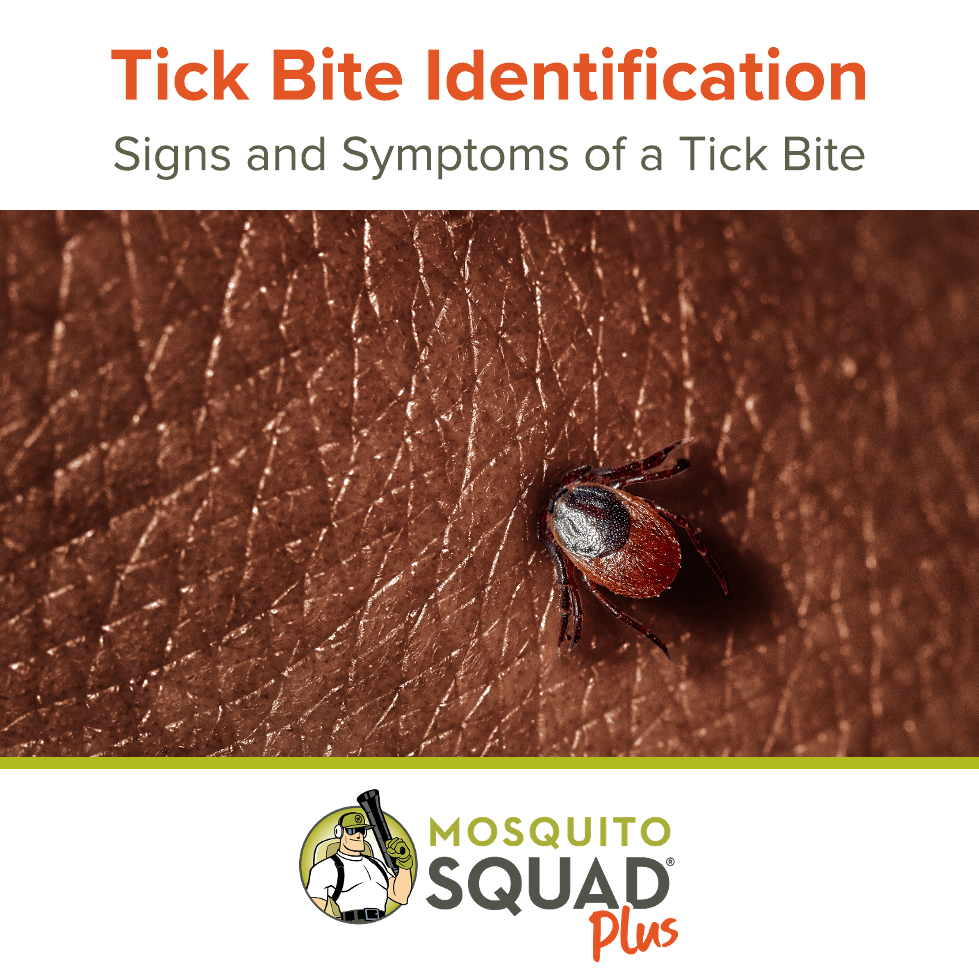
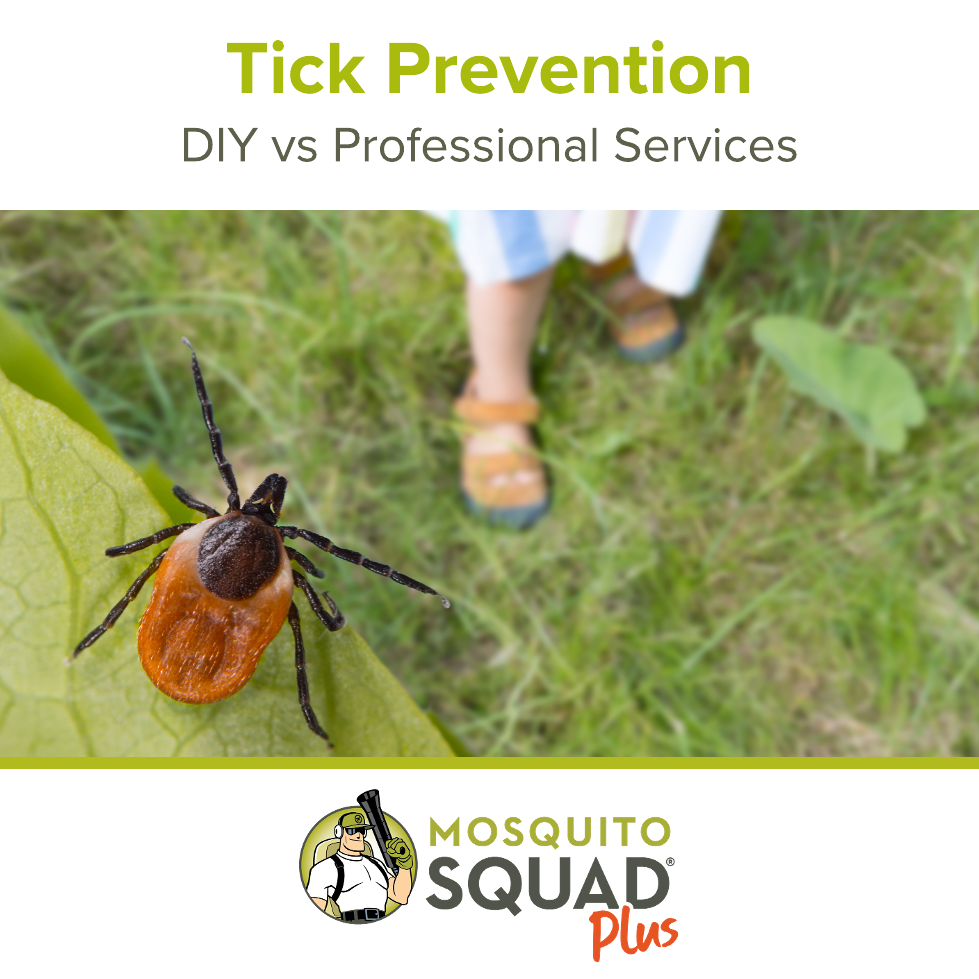
A lone star tick attached to the back of your knee pumps saliva into you the whole time it feeds, and that saliva carries a sugar called alpha-gal. No germ involved, no infection, just a molecule your body was never meant to meet through your skin.
You've probably heard about it by now. Somebody at church can't eat barbecue anymore. A neighbor got hives at midnight and couldn't figure out why until the third time it happened. The story travels fast around here because it sounds made up, and because the punchline is a steak.
We treat yards across Greater Birmingham, and this has become one of the questions we get asked standing in somebody's back yard. It usually arrives as a worry more than a question. You want to know whether you should be scared.
The honest answer has two halves, and most coverage only gives you the first one. Contact with this tick is common in Alabama. The allergy itself is not. Those are different facts, and CDC published new numbers this summer that make the gap between them clearer than it has ever been. Understanding which side of that gap you're on is worth more to you than another article telling you a tick can ruin bacon.
What Alpha-Gal Syndrome Is, In Plain Terms
Alpha-gal is a sugar. Its full name is galactose-alpha-1,3-galactose, and nobody says that out loud. It sits in the tissue of nearly every mammal on earth except humans and a handful of primates, so beef, pork, lamb, and venison all carry it, along with dairy and gelatin.
Your immune system has no quarrel with that sugar when it arrives through your stomach. The trouble starts when it arrives through a bite. CDC describes tick saliva as delivering alpha-gal along with other salivary compounds that provoke a response, and notes that physically breaking the skin barrier appears to matter to how the allergy develops. Your body files the sugar as a threat. Later, when you eat a burger, it responds accordingly.
The delay is what makes this so hard to catch. Peanut allergy announces itself in minutes. This one waits. Reactions typically land two to six hours after the meal, which for most families means the middle of the night, long after anyone would connect it to dinner. A review written for infectious disease physicians notes the symptoms are vague enough that diagnosis gets delayed for years, and that plenty of clinicians still aren't familiar with the condition.
Symptoms vary more than most allergies do, and that spread is part of why you might not connect them to a meal. Some people get stomach trouble and nothing else, some get hives and swelling, and a smaller number have reactions serious enough to need emergency care. None of that is something a yard company diagnoses, and it's why the useful question on a Pelham or Alabaster lot is how many bites a household is taking in the first place.
Food isn't the only route, either. Since alpha-gal rides in mammal tissue generally, it turns up in gelatin, in dairy for some people, and in a handful of medical products derived from animals. The connection surfaced in medicine before anyone had named the syndrome, when researchers investigating severe reactions to a cancer drug found alpha-gal antibodies in the patients who reacted. Sensitivity varies enough that two people with the same diagnosis can live very differently, one cutting beef and moving on, another reading labels on every medication.
The Tick Behind It Is Alabama's Most Common
Here's the part that lands closest to home. The Alabama Cooperative Extension System identifies the lone star tick, Amblyomma americanum, as the most abundant tick species in the state, ahead of the blacklegged tick and the American dog tick that also live here in numbers.
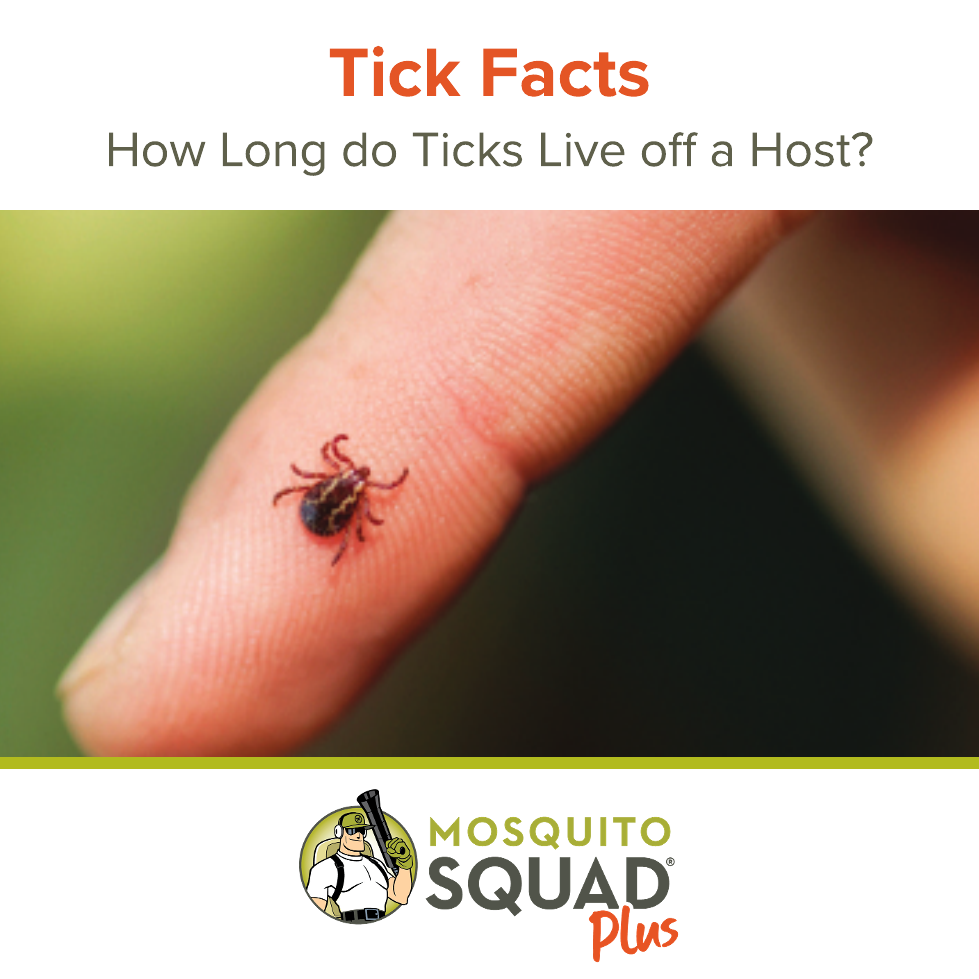
That tracks with what we plan around on a Birmingham property, and with what you're likely to find in your own yard. If you pull a tick off a dog anywhere in Jefferson or Shelby County, the odds favor a lone star. The adult female wears a single cream-colored dot in the middle of her back, the feature that named the species. Males carry faint markings around the edge instead, and the youngest stages carry nothing useful at all, so you will probably never identify what bit you.
This species behaves differently from the deer tick people picture. Extension entomologists in Maine, where the species has been pushing north, describe it living in forested ground with dense shrubby undergrowth and along the edges of rivers and streams near where animals bed down. That description fits a great deal of the ravine and creek terrain we work under the over-the-mountain communities, and it explains why tick season in Vestavia Hills runs harder than people expect.
It does both. Like any tick it climbs into low vegetation and waits there for something to pass, which is what questing means, but this one will also break off and move toward warmth and carbon dioxide once you're close. A tidy lawn buys you less protection from this one than from most.
What CDC Measured This Summer, and Where Alabama Sits
On July 2, 2026, CDC published seroprevalence results from 3,000 blood donor samples across ten states, testing for the antibody that indicates alpha-gal exposure. In the five states with the highest rates combined, an estimated 24 percent of adults tested positive. Arkansas came in at 31.2 percent. Missouri hit 26.0. Tennessee, the closest of the ten to us, landed at 21.5.
Alabama was not in the study. We want to be plain about that instead of letting a number drift across the state line. The ten states were Arkansas, Kentucky, Maine, Minnesota, Missouri, New Mexico, South Carolina, Tennessee, Virginia, and Washington. Nobody has published a comparable figure for Jefferson County or for Alabama, and anyone who quotes you one is guessing.
What CDC does say generally is that in parts of the country where lone star populations are established, and ours are, somewhere between 5.5 and 31.2 percent of people over sixteen might test positive. Alabama is squarely inside the established range on the federal surveillance map, which covers your ground whether you're in Irondale or out past the county line. That's a wide band, and the width is the point.
Those figures also sit on top of a trend line. An earlier CDC analysis covering 2017 through 2022 counted more than 90,000 suspected cases nationally, with roughly 15,000 new ones added each year across the study period, and estimated that up to 450,000 Americans may have been affected. The agency was careful to note that suspected cases cluster where lone star populations are established or reported, and that the count reflects testing patterns as much as true incidence. More doctors ordering the test finds more cases. That doesn't tell you the underlying rate went up by the same amount.
South Carolina is the reason to respect it. That state has established lone star populations and came in at 5.5 percent, the second lowest in the whole study, and CDC says outright that the reason is unknown. Having the tick doesn't automatically mean having the antibody.
A Positive Test and the Allergy Are Two Different Things
Almost everything written about alpha-gal flattens what comes next, and it should change how you weigh your own risk.
Carrying the antibody means your immune system has met alpha-gal. It doesn't mean you have the syndrome. CDC is direct about this: only a small minority of people who test positive carry the syndrome itself, and the precise share isn't known. In one case-control study, 63 participants in North Carolina tested positive and not one of them had the allergy.
The agency's recommendation follows from that. Testing should be reserved for people whose symptoms already point that direction, since running the test on someone without symptoms produces positives that mean very little and can lead to people cutting foods out of their diet for no reason. CDC also notes there isn't enough evidence to recommend dietary changes for someone who tests positive but has no symptoms.
None of that makes the syndrome trivial for the people who have it. Reactions can be severe, management is mostly avoidance, and it can last a long time. What it does mean is that a positive lab result on its own isn't a diagnosis, and a bite isn't a sentence. If you're having delayed reactions after meals, that's a conversation for an allergist, and we'll tell you the same thing standing in your driveway. Our end of it stops at the property line, and lowering the bite count is the only outcome we can promise on a Helena lot or anywhere else.
Density, Distance, and Why the Metro Is Not One Risk Zone
The same CDC analysis turned up something that maps onto Birmingham unusually well. For every tenfold increase in county population density, the probability that a resident tested positive dropped by about 29.5 percent.
Read it carefully, though, because CDC hedges its own finding, and we would rather you had the hedge too. When the researchers sorted counties into plain urban, suburban, and rural buckets, the differences between those groups were not statistically significant. Seropositive donors turned up in urban counties in four of the states. So the gradient is real as a trend and unreliable as a label, and we would sooner hand you both halves than the convenient one.
What that suggests for a metro shaped like ours is straightforward enough, and you can probably place your own house on it. A lot backing a wooded ravine in Mountain Brook or a place out toward Chelsea or Pell City puts a household in contact with tick habitat far more often than a townhouse near Five Points South does. Not that the tick refuses to live in town. It comes down to how many hours a week somebody spends at the edge where lawn gives way to something wilder.
Distance from downtown is a poor proxy for that. The shape of your particular lot is a good one, and that's why pest control in Birmingham is a property-by-property job and not a zip code job. We've written before about how the Red Mountain divide splits this metro into two different pest pictures, and the same logic runs here.
Why Some People Get It and Others Never Do
Repeated exposure appears to matter. The research points toward the number of bites influencing how strongly the antibody response builds, so a season where you take many bites puts you in a different position than a season where you take one. Tufts researchers describe the late-summer situation where somebody walks into a cluster of freshly hatched larvae and picks up an enormous number at once, which they've taken to calling a tick bomb.
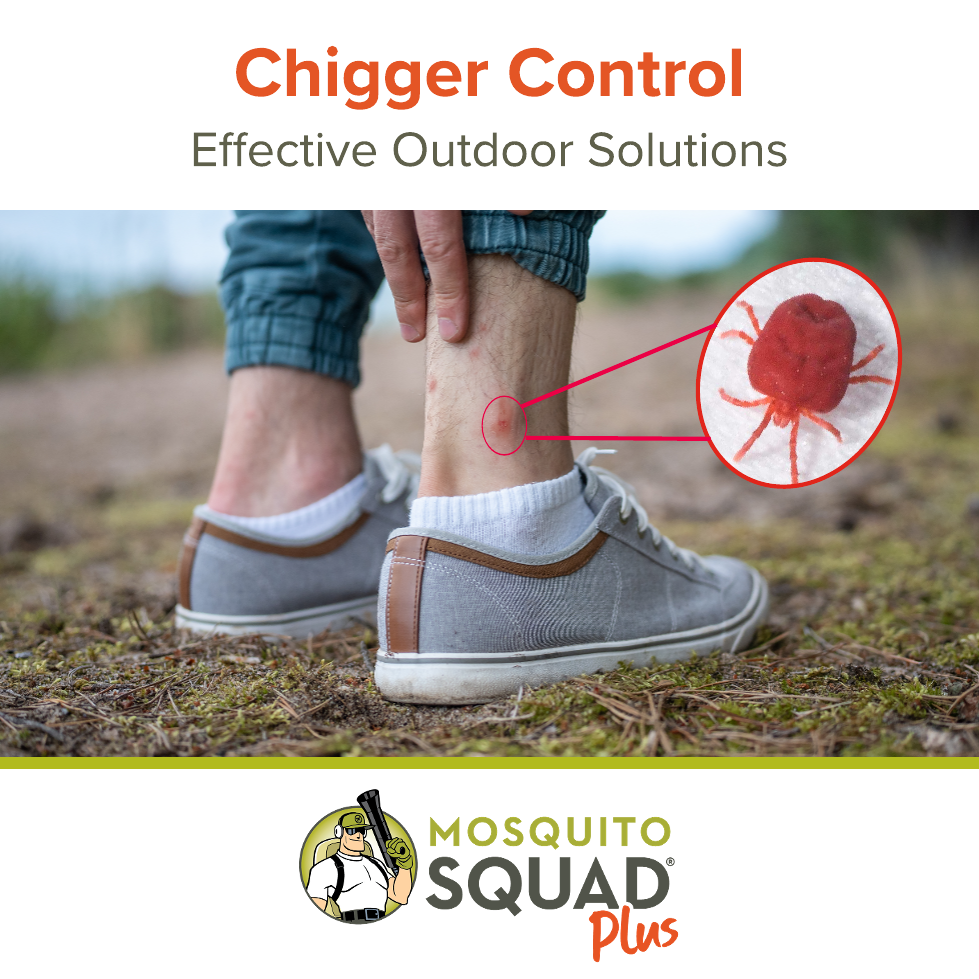
Those larvae deserve a moment for a practical reason. URI's tick researchers note that the youngest stage carries no disease organisms but still injects the allergenic saliva when it bites. So a handful of bites you dismissed as chiggers were not necessarily harmless, and telling the two apart matters more than the itch suggests. Our chigger and mite control page covers the difference.
Beyond exposure, the picture gets murky. Researchers have looked at blood type, at age, at sex, and at genetics. CDC found men more likely to test positive than women and older adults more likely than younger ones. Why one person crosses from sensitized into allergic while their spouse in the same yard never does isn't settled science, and you should be skeptical of anyone who tells you otherwise.
What Lowers Your Exposure on a Birmingham Lot
Everything above points at one lever you control, and it is the only one we can help you pull. You can't change your immune system and you can't test your way out of this. You can change how many bites your household takes in a season.
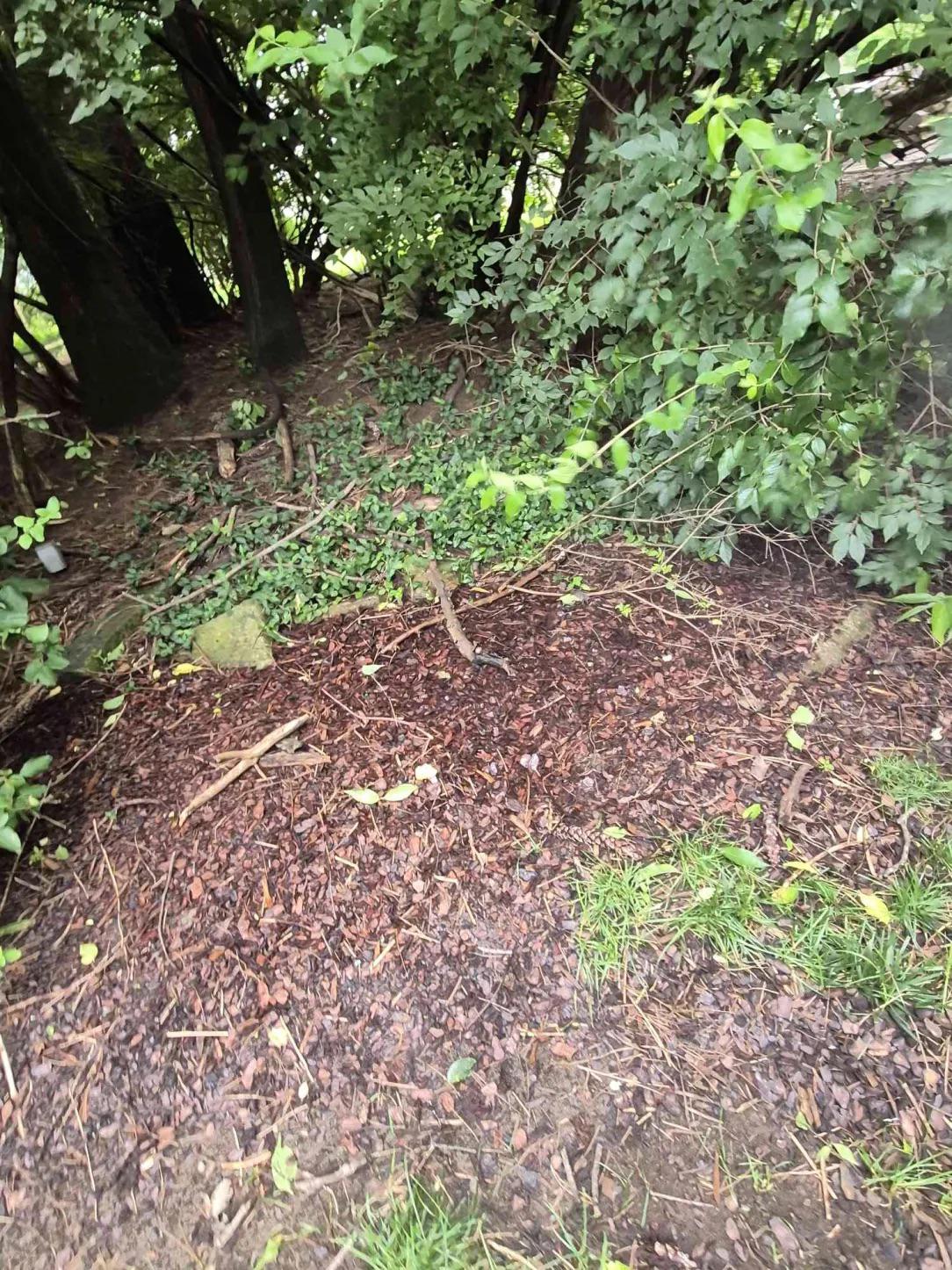
That work happens at ground level and at the edges. Ticks concentrate where your mowed grass meets something else, in leaf litter, in ivy and dense ground cover, at the base of your retaining walls, along the shaded strip behind your garage. Our Yard Defender work targets that harborage rather than broadcasting across open turf, and our barrier treatment comes back every 21 days in season, working on ticks while it handles mosquito control in Birmingham yards on the same visit.
The framework behind it is our 6 C's of tick control, and it's why tick control in Birmingham yards looks different from a mosquito route. It exists because tick work and mosquito work aren't the same job even when they land on the same visit.
Your half matters too, and on most lots it moves the number. Anything that lets sun and air into the litter layer makes the ground less survivable, so pull leaves out of the corners, thin heavy ground cover, keep the fence line clear, and move the play set away from the back boundary. Households with a dog should build the habit of checking it, because what the dog brings home is a real route into the house. When fleas show up the same season, and they often do, that's the same damp ground talking.
There's a personal side that pays off no matter what happens in your yard. Treating shoes, socks, and outdoor clothing with permethrin before yard work or a hike puts a layer between you and the ground where these ticks live. A shower within a couple of hours of coming inside washes off anything that has not attached yet, and a real check afterward beats a glance. The youngest stage is small enough that people miss them entirely until the itching starts a day later, so run your hands along your ankles, waistband, and the backs of your knees rather than trusting a look in the mirror.
For families wanting the yard and the structure covered together, Complete Home & Yard folds Home Shield in on top of the yard program, a fit for older lots where the pests don't stay outside once the weather turns. Households with small children in the grass can ask about the natural treatment option instead, and we wrote up how that option performs without the sales gloss.
When to Get Ahead of It
Late August through October is the stretch that surprises most of the people we talk to. Spring gets all the attention because that's when the adults are moving and you're thinking about your yard again, so if you stayed on top of things through May you'll often ease off right as the youngest stage becomes most active.
Damp ground stretches the season at both ends here, the mechanism behind how damp ground keeps ticks alive in the creek corridors below the ridges. Coverage that lapses in September on a shaded lot leaves the gap open during weeks that count.
If you do find one attached, take it off with fine tipped tweezers, gripping as close to your skin as you can and pulling straight out with steady pressure. Skip the folk methods. Petroleum jelly, a hot match, and nail polish all encourage the tick to stay put longer, the opposite of what you want. Clean the spot afterward and write the date down somewhere you'll find it again.
Regional maps give you a rough sense of where pressure sits, but your own fence line will tell you more than any map can.
We're a veteran owned family business covering Homewood, Hoover, Vestavia Hills, and Trussville along with the rest of the metro.
If you want a set of eyes on the property to point out where ticks are concentrating, call (205) 784-1058 or request a free quote. Every treatment is backed by our guarantee, and current special offers are posted.
We aren't doctors and we don't diagnose anything. Our job is cutting the number of bites your family takes across a season, the only part of this equation a yard company has any business claiming to affect.