What the Dog Park Sends Home With You in Cahaba Heights
Posted by Mosquito Squad Plus
July 20, 2026
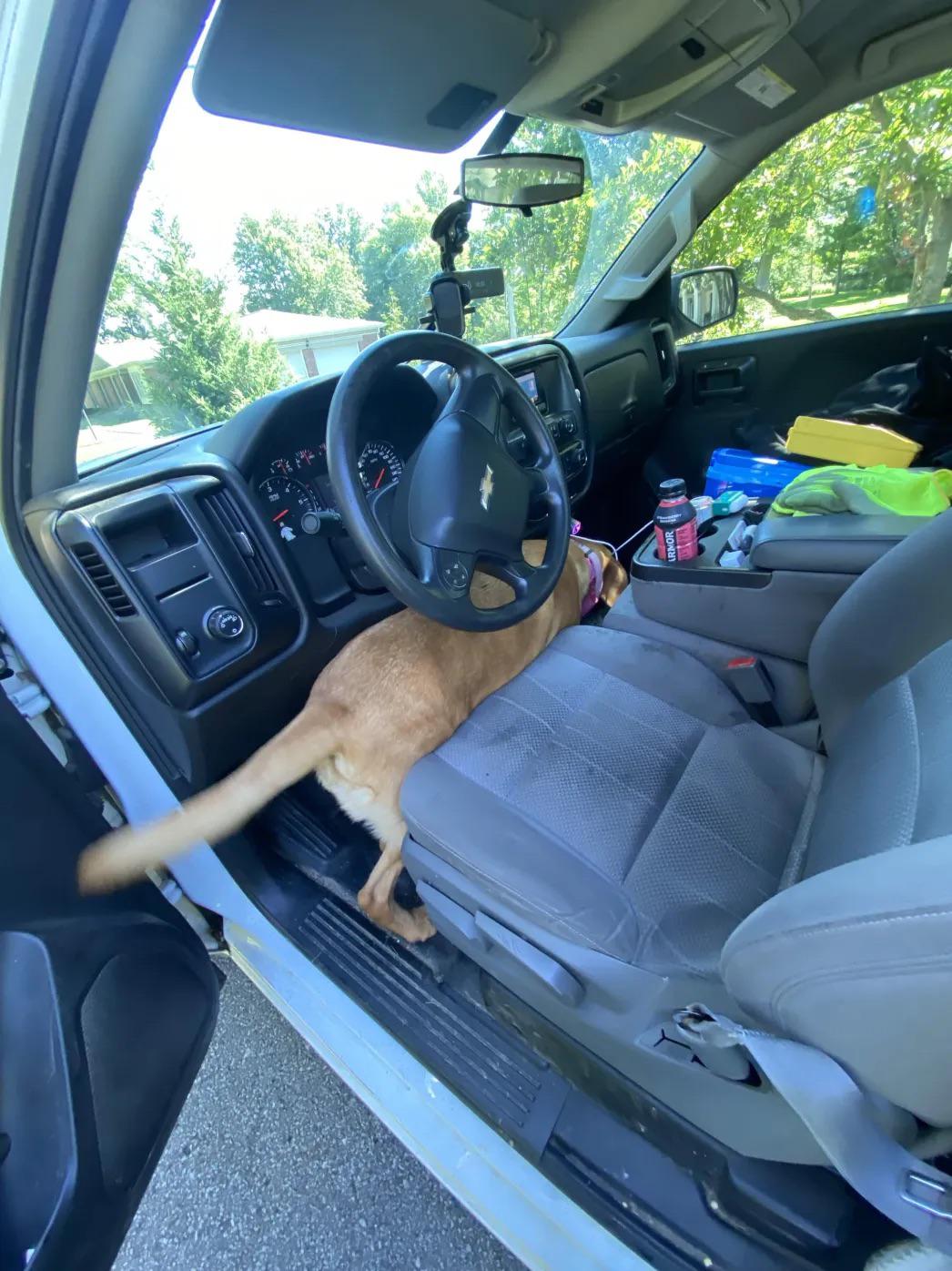
Go by the dog park at Cahaba Heights Park on a Saturday morning in June and count the dogs. Two fenced runs, one for the dogs that never stop moving and one for the dogs that would rather lie down in the shade, a splash pad somebody's labrador is standing in with the water running, and a steady rotation of people coming and going off Dolly Ridge Road. On a good weekend, dozens of dogs pass through that grass. They sniff each other, they roll, they lie down in the same shaded corners, and then they load up and go home to houses that are, in most of Cahaba Heights, a five minute walk away.
That is a lot of dogs sharing a small amount of ground, and it is why tick control in Cahaba Heights is a different job than tick control up the hill.
The Vestavia Story Does Not Fit Here
We have written before about why tick season in Vestavia Hills runs harder than people expect. That post is about terrain: homes carved into a hillside, a leaf-littered drop-off at the back of the lot, deer moving along the wooded slopes and dropping ticks at the edge of a yard nobody can control. On a ravine lot, that is the story, and the treatment follows the wooded edge.
Cahaba Heights sits differently. The lots are smaller and closer together, a lot of them flat, and the back fence usually opens onto another back fence rather than a slope running down to a creek. Plenty of homes here have no wooded edge at all in the sense a Vestavia ravine lot does. The floodplain and drainage story behind mosquito season in Cahaba Heights is real, and it is a separate conversation from this one.
So when a homeowner in Cahaba Heights calls because their kid found a tick on the dog's ear, and we walk the property and find no wood line, no leaf litter, no deer path, the answer is that the tick did not come from the yard. It came from somewhere the dog went.
The Tick That Follows Dogs Home
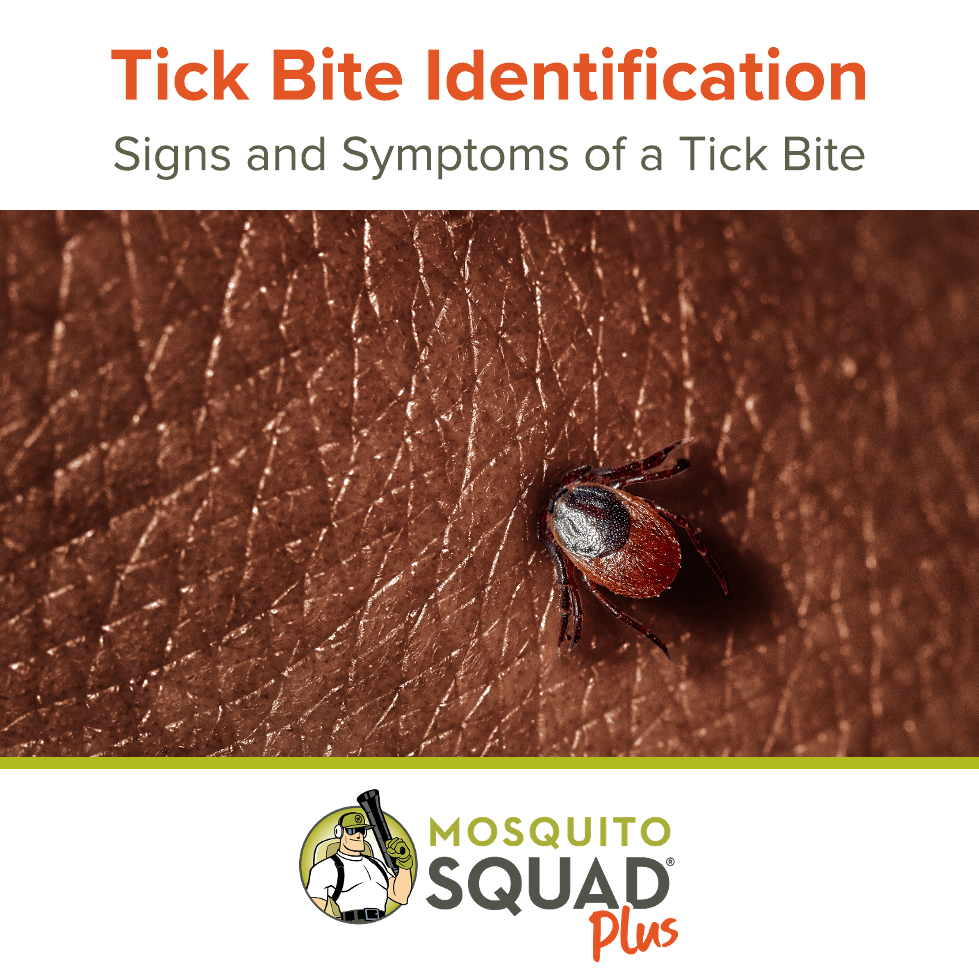
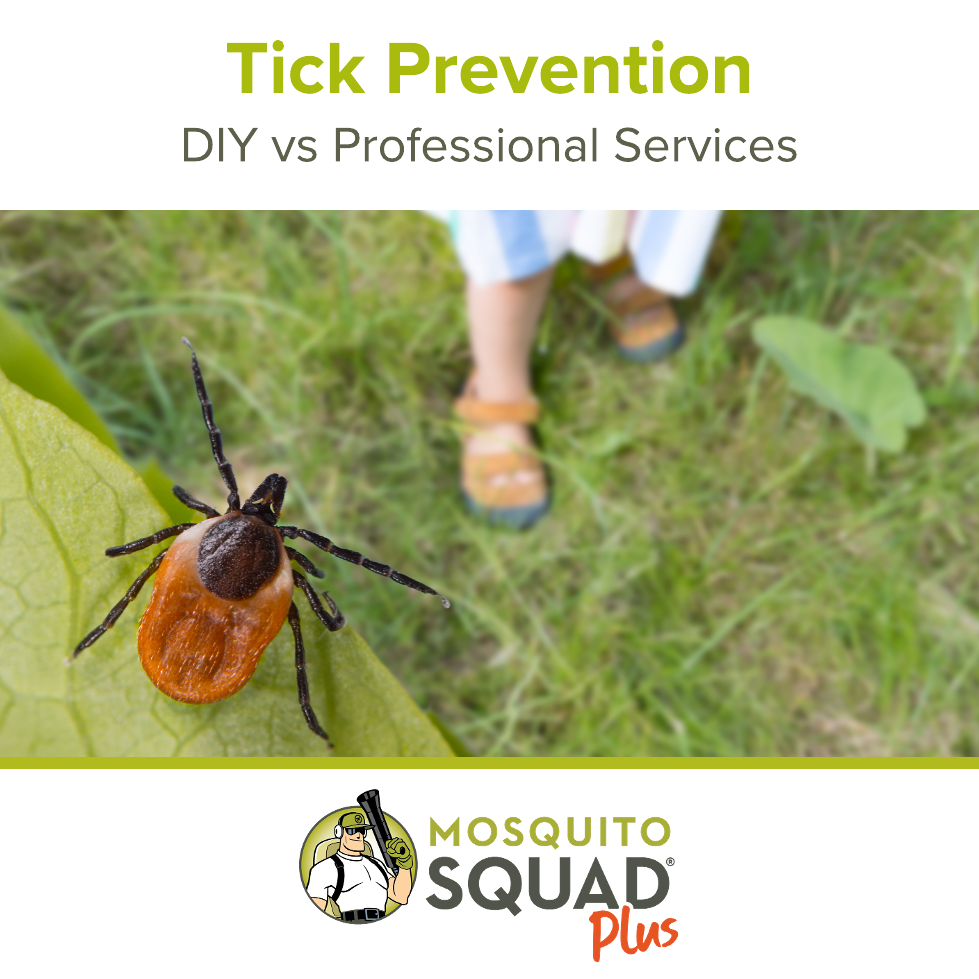
Most tick advice is written about ticks that wait. They climb a blade of grass, hold their front legs out, and grab on when something warm brushes past. The Alabama Cooperative Extension System calls this questing, which is why tick advice focuses on edges: brush, tall grass, leaf litter, the line where a lawn meets the woods. Extension is blunt that ticks do not hang around in the middle of a mowed, sunny lawn. There is one tick, though, that does not play by those rules, and it is the one built for a neighborhood like this.
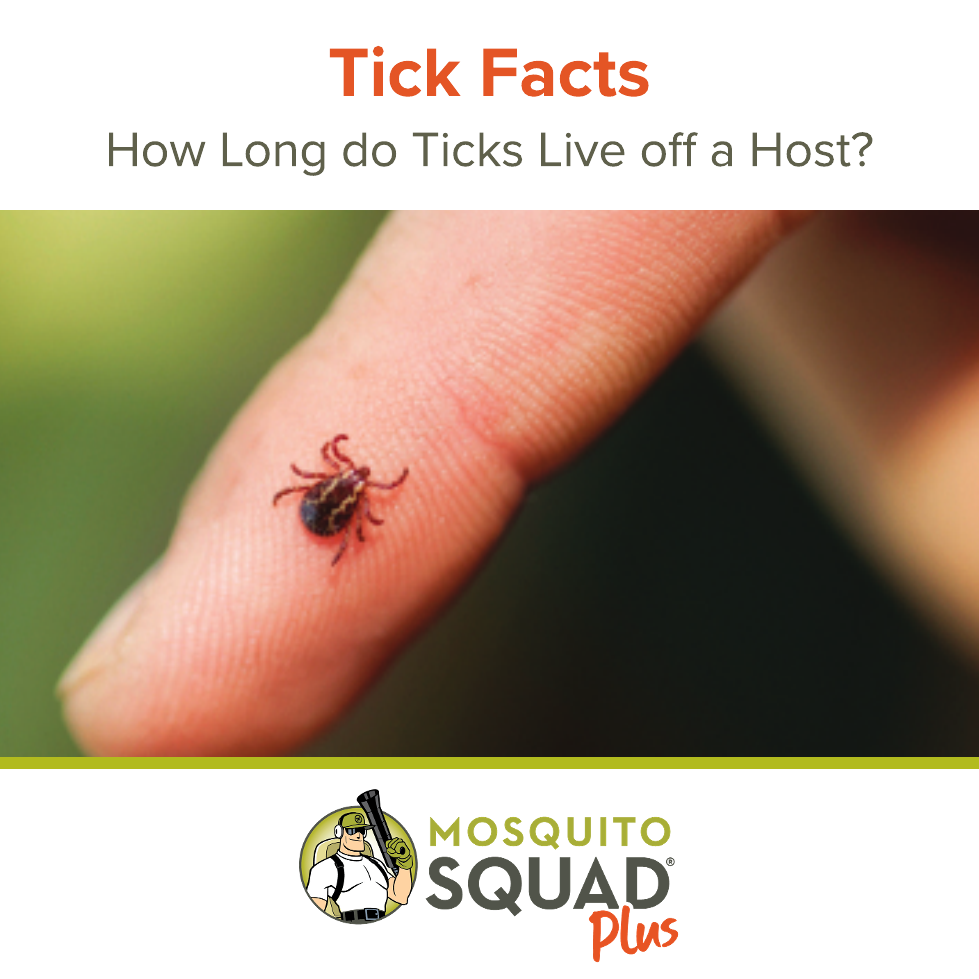
The brown dog tick, Rhipicephalus sanguineus, is sometimes called the kennel tick. University of Florida Extension documents that it is unusual among ticks in being able to complete its entire life cycle indoors as well as outdoors. Dogs are its preferred host in the United States, and a large population essentially requires dogs to sustain it. It does not need deer or a ravine. It needs dogs and it needs cracks.
This is what changes the calculation for a household near the Cahaba Heights Park dog run. UF Extension describes how these infestations begin: a small number of ticks carried inside on a dog that has been away from home. The likely pickup spots are places where dogs from many sources come together, which UF lists as kennels, grooming shops, veterinary waiting rooms, and other infested houses. A fenced run off Dolly Ridge Road where dozens of dogs mix on the same grass every weekend belongs on that list, and pet health references name dog parks explicitly.
Why the First Few Ticks Never Get Noticed
The brown dog tick's whole strategy is to be boring at the start. A female drops off the dog after feeding and finds a crack to hide in, whether that is a baseboard, a carpet edge, the seam behind the dog's bed, or a gap in the garage wall. She lays eggs there, and the count is not small. Depending on the source, a single fed female puts down one to three thousand eggs.
Nothing looks wrong yet, because dogs carrying a light load of these ticks often show no signs at all, which the Western College of Veterinary Medicine notes directly in its profile of the species.
UF Extension describes what happens next in a line anybody who has dealt with this will recognize. The early stage of the infestation, when only a few individuals are present, is usually missed completely, and the first sign the owner gets is ticks crawling up the walls or on the curtains. By then it is not a yard problem anymore. It is a household that has been quietly incubating for a couple of months.
Cahaba Heights Amplifies This, and Vestavia's Ravines Do Not
For a brown dog tick population to take hold, you need dogs, you need enough of them mixing that a tick moves from one household to another, and you need places for the off-host stages to hide. Cahaba Heights supplies all three, which is what sets it apart from the rest of our Vestavia Hills service footprint.
The neighborhood is dense and it is walkable in a way most of the metro is not. There is a reason for that. Cahaba Heights grew up as its own little settlement, the old New Merkel community, before Vestavia annexed it, and the New Merkel House still sits right beside the park as a nod to that history. The place was built at a human scale, so people here do not drive their dogs somewhere to walk them, they walk out the front door.
The commercial strip is close enough that the dog comes along. The park sits in the middle of it all with the dog run, turf fields, an inclusive playground, and Vestavia Hills Elementary Cahaba Heights right next door. The dogs of this neighborhood are not isolated on separate acre lots the way they would be up on a Shades Mountain ridge. They are in constant, casual, low-grade contact with each other, which is exactly the circulation a dog-dependent tick needs.
Then the housing stock closes the loop. Older homes with settled foundations, garages, crawl spaces, floorboard gaps, and porches give the off-host stages the cracks they need. This is a different animal from Alabama's usual suspects: the Alabama Department of Public Health's common species for the state are the blacklegged, American dog, and lone star ticks, all of which live outdoors. The brown dog tick is the one that moves into the house and stays.
Ravine lots up on Shades Mountain are dealing with deer-driven pressure that stops at the back fence line. A tight, dog-dense neighborhood is dealing with pressure that moves through the front door.
The Ticks That Are Waiting Anyway
None of this means the other species take the season off, and a dog is an efficient way to collect all of them. Extension lists the lone star, the black-legged, and the American dog tick as the state's most common hard-bodied species, and our tick map shows how their ranges overlap here. Most quest low, on vegetation within about a foot of the ground, roughly muzzle height for a dog nosing through a shrub bed. The perimeter of a Cahaba Heights yard may not be a Vestavia ravine, but shrub bases, foundation plantings, the shaded strip along a privacy fence, and mulch beds are all serviceable tick real estate.
There is also something new worth knowing. Alabama Extension reported the Asian longhorned tick detected in the state for the first time on a dog in DeKalb County. Auburn entomologist Xing Ping Hu notes a single female can lay one to two thousand eggs and reproduce without a mate, and that unlike most of Alabama's ticks, which turn up singly, this one is often found in large clusters on one host. It was found on a dog, which is a reasonable prompt to take what comes home on your animal seriously.
What About Disease
We are not going to oversell this, because the accurate picture is more useful than a scary one. The brown dog tick's biggest disease burden falls on dogs, not people. It transmits canine ehrlichiosis and canine babesiosis and is a well-documented vector of pathogens in dogs worldwide, but it has not been shown to transmit Lyme disease.
Rocky Mountain spotted fever is the one people ask about. The brown dog tick does transmit it, but the CDC is specific that brown dog tick driven RMSF has a distinct epidemiology concentrated in Arizona and northern Mexico, not the Southeast. In this part of the country, RMSF is more commonly associated with the American dog tick. Veterinary literature reinforces that the brown dog tick pattern is a peridomestic one built around dogs, and researchers writing in JAVMA describe how the presence of dogs in a neighborhood tracks with tick abundance and human risk.
So the accurate way to say it for Cahaba Heights: this is primarily a threat to your dog and a serious nuisance risk to your house. Alabama's other ticks are the ones you watch for human disease, and the Alabama Department of Public Health's rundown of tickborne illnesses in the state, alongside the broader Jefferson County picture we have covered before, is worth reading if that is your concern. Both problems are solved by the same discipline.
The Two Mistakes We See Most
Treating a dog-driven problem like a woods-driven problem. A homeowner reads standard tick advice, pulls the brush back, adds a gravel border, and mows tighter. Reasonable steps that do the yard-edge part of the job. But in a yard with no wood line, brush work alone does not touch the vector, because the vector is a golden retriever.
Assuming the dog's preventive covers the house. This is the big one. A monthly chew or topical from your vet is essential, and we tell every customer to stay current on it, but it protects the dog, not the building. It does not stop a fed female from dropping off in the mudroom, and it does nothing about the eggs behind the baseboard. That gap is why the Alabama Department of Public Health stresses routine tick checks after you come in from outdoors, dogs included, rather than relying on any one product.
There is a third mistake, which is waiting for evidence. Nobody calls in April on a hunch. They call in July when there is a tick on a curtain.
What Holds Up in a Neighborhood Like This
Our work in Cahaba Heights is layered, and the order is deliberate.
The barrier comes first. Our Mosquito Barrier Treatment runs on a 21 day cycle from spring through fall and does double duty on ticks. Twenty one days is not a billing convention, it is the interval that matches how fast populations rebuild here, so a competitor on a monthly cycle leaves you a gap every month. Our tick control work follows Extension guidance and treats low into ground-covering vegetation and the lower branches of shrubs, the areas pets frequent, rather than broadcasting across open lawn where ticks were never going to be.
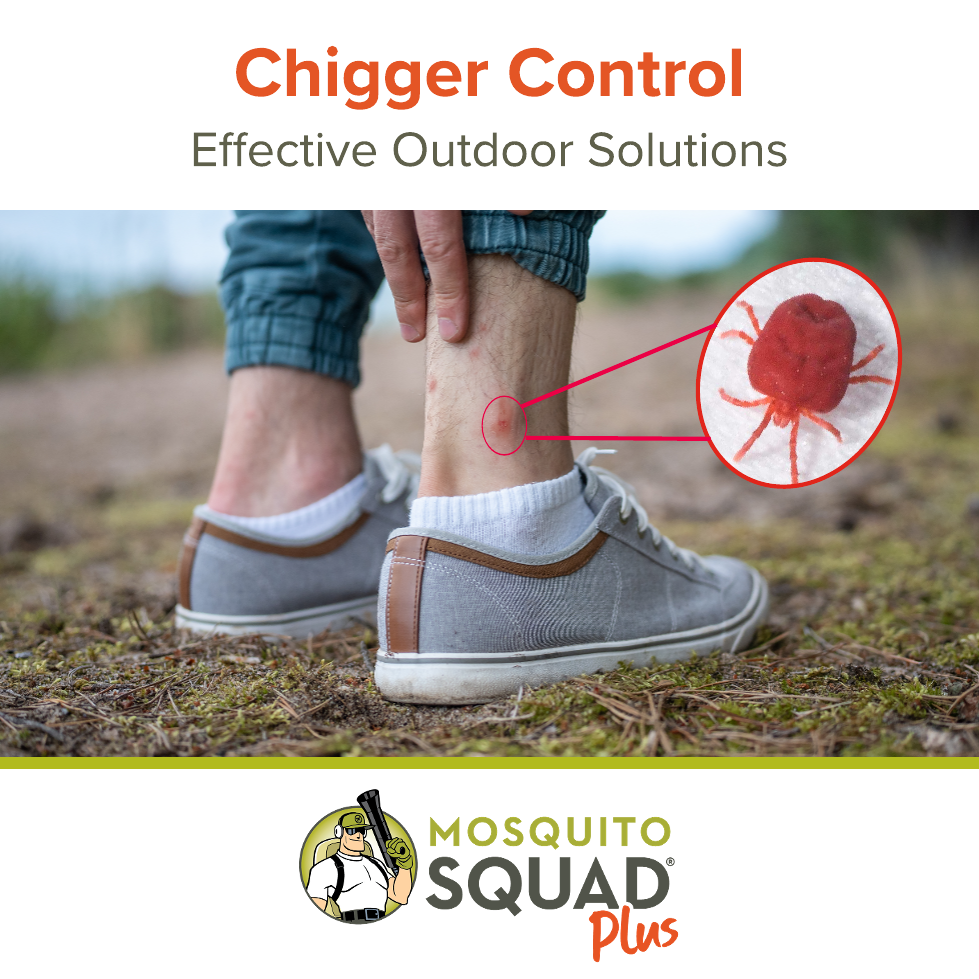
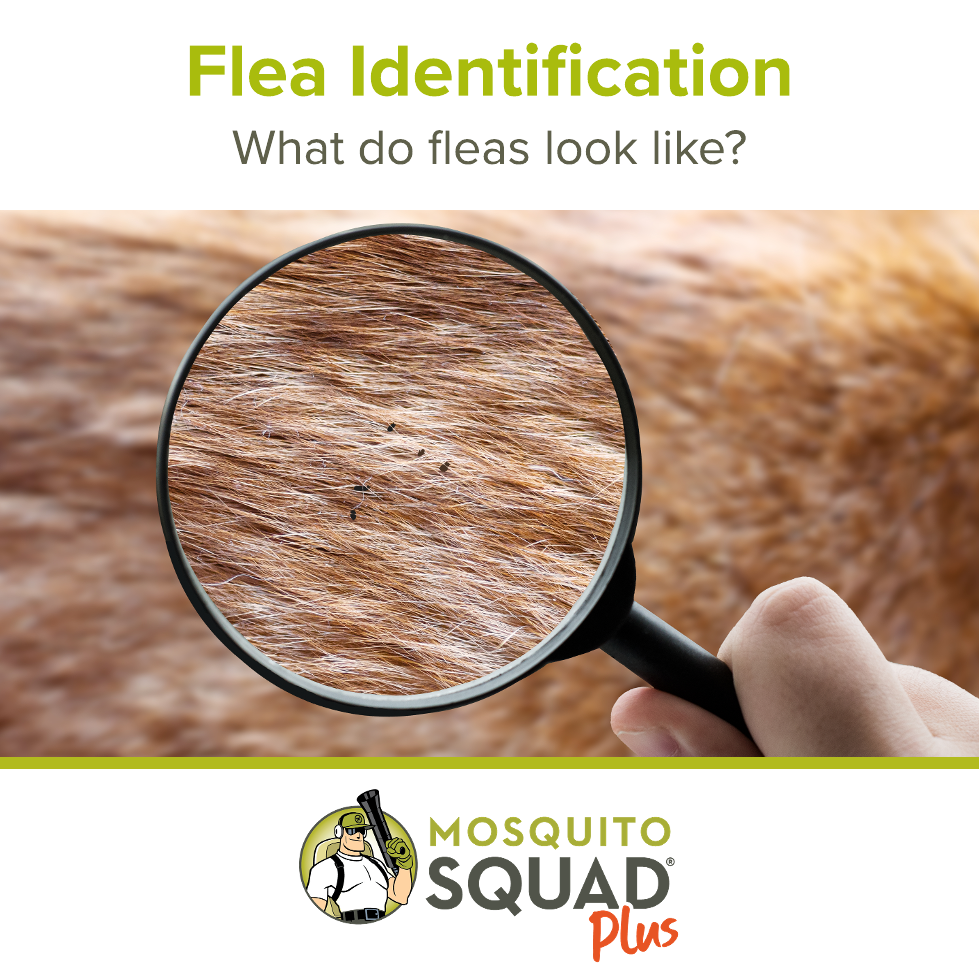
Then the yard's harborage. Squad Yard Defender picks up ground-level pests a barrier alone will not settle, including fleas and chiggers, which travel with dogs the same way ticks do. Find one and you should assume the other; our flea control and chigger control pages cover how they overlap.
Then the structure. This is where a dog-tick household differs from a ravine household. Home Shield treats the foundation, entry points, vents, and seams. In a house where a brown dog tick population is establishing in the cracks, that structural treatment is the part that ends the problem, and our Complete Home and Yard package combines it with the yard work on one program.
Because rodents host several of Alabama's tick species and Extension makes rodent management part of the tick protocol, our rodent control often runs alongside. For patios that get heavy summer use, an automatic misting system adds a fixed layer that does not depend on anyone remembering anything, and households with young kids, dogs in the grass, or pollinator beds can run the natural treatment option instead.
The whole approach follows our 6 C's of Tick Control, and if you want to see how we think about the standing-water side of the same property, the 7 T's of Mosquito Control covers it.
Timing, and Why July Is Late
Alabama Extension puts tick control programs at April through October, treating every four to seven weeks. Our 21 day cycle sits at the tight end of that range on purpose.
But the calendar that matters in a dog park neighborhood is the dog's, not the tick's. The park is busiest when the weather is good, which is when tick activity is climbing. The CDC notes tick exposure can happen year-round while activity peaks in the warmer months of April through September. Your dog's exposure and the tick's activity peak together, and a household infestation lags both by six to eight weeks, the time the indoor cycle takes to become visible. Which means the ticks on the curtain in July were picked up in May.
What We Do Here
Mosquito Squad Plus is a veteran-owned family business, treating Vestavia Hills yards, Cahaba Heights included, since 2018. We also run Mountain Brook, Homewood, and Hoover, plus the rest of our Greater Birmingham service area.
When we walk a Cahaba Heights property, we ask a different set of questions than we would on a ravine lot. Where the dog sleeps, where it enters the house, where the shaded ground it lies on in August is, and where the cracks near all of that are. A plan built off those answers looks different from one built off a wood line, and it should.
You do not need to be home. We send a reminder before every visit and let you know when we are on the way, and every job is backed by our guarantee. Call (205) 900-3528 or request a free quote. Current special offers are posted, and our reviews are there if you want to see what neighbors say.