Birmingham Tick Control: Lyme Disease and the Lone Star Tick Problem in Jefferson County
Posted by Mosquito Squad Plus
August 27, 2026
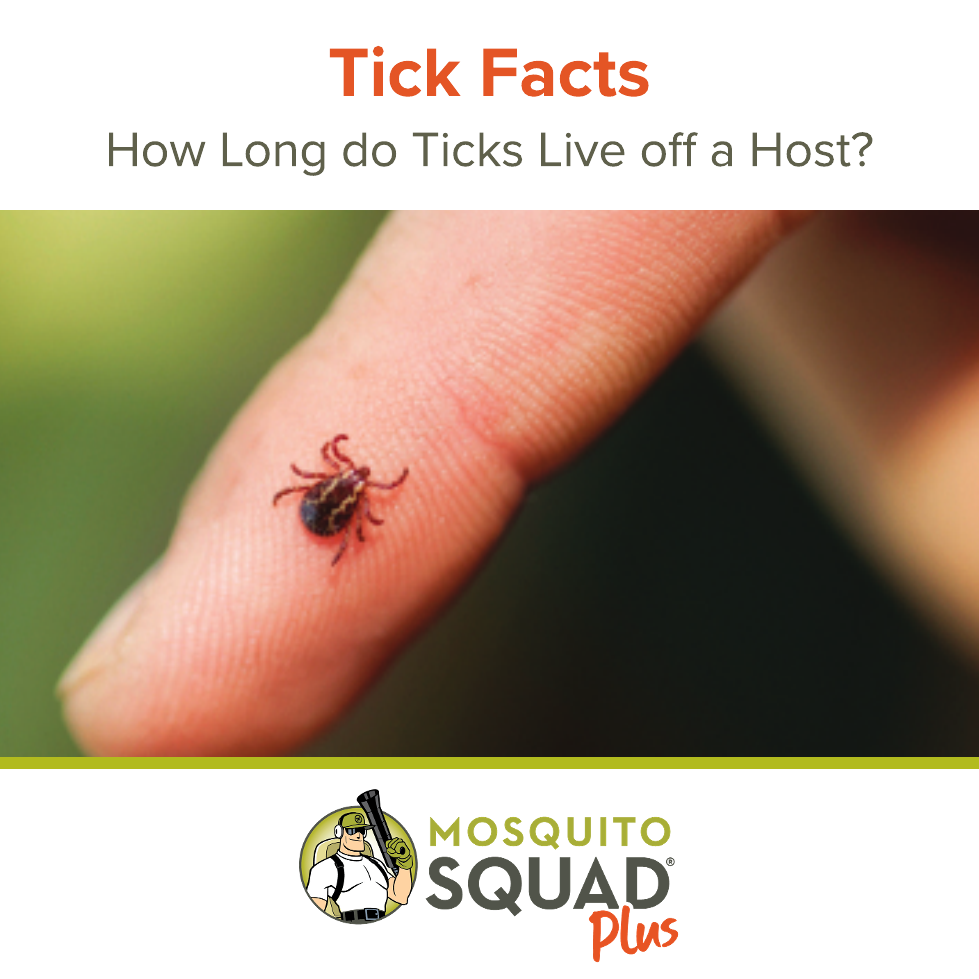
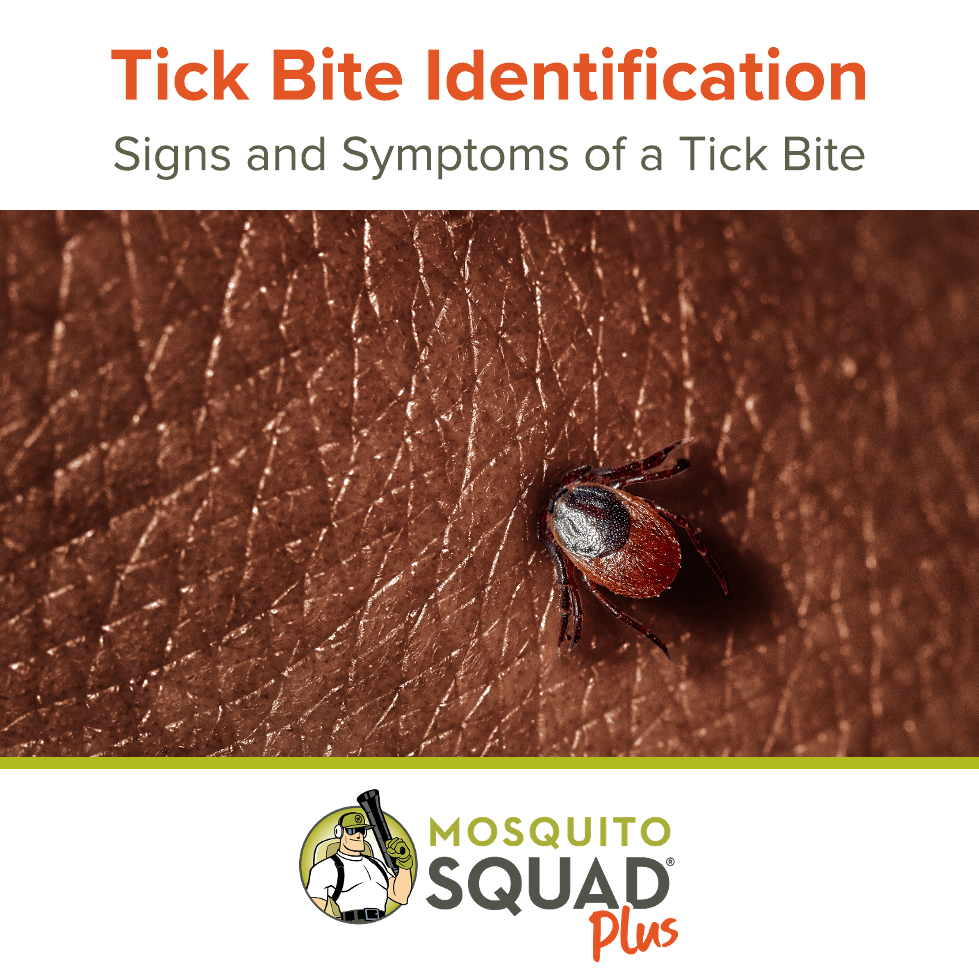
Ticks that come off a kid or a dog in Greater Birmingham tend to end up in a sandwich bag on the kitchen counter. Somebody photographs it. Then they call and ask whether it carries Lyme disease.
That is a fair question with a complicated answer. The species living in most Jefferson County yards does not transmit Lyme at all, and the illnesses it does transmit run on a different calendar and call for a different tick control response.
What Diseases Do Ticks Carry in Alabama?
A four-year statewide survey collected ticks across Alabama from 2018 through 2021 and screened them for a full panel of tick-borne pathogens. The results, published in a peer-reviewed vector-borne disease journal, found the agents responsible for anaplasmosis, babesiosis, ehrlichiosis, and spotted fever rickettsiosis circulating in Alabama ticks. The causative agent for Lyme disease was not detected in that sampling, even though human cases have been reported in Alabama. Sampling gaps are real and the finding isn't the last word, but it lines up with how ADPH classifies the state.
That gap between reported human cases and what turns up in the ticks themselves is worth sitting with. It doesn't mean nobody in Alabama gets Lyme. It means that when we walk a property in Hoover or Trussville and find an established tick population on your ground, the realistic exposure runs toward the spotted fever and ehrlichiosis group rather than the Northeast disease profile most people have read about.
The Alabama Department of Public Health lists spotted fever rickettsiosis among the most common tick-borne illnesses under surveillance in the state, and notes that untreated spotted fever rickettsiosis can progress to encephalitis, seizures, or respiratory and renal failure inside a week. That's a serious illness with a fast clock on it, and it gets far less homeowner attention here than Lyme does.
Is Lyme Disease Common in Birmingham?
Lyme disease is uncommon in Birmingham. ADPH classifies Alabama as a low-incidence state for Lyme and notes that local cases cluster between March and October when ticks are active. Nationally, the CDC recorded more than 89,000 Lyme cases in 2023, but the overwhelming majority of them come from a small set of high-incidence jurisdictions in the Northeast, mid-Atlantic, and upper Midwest.
Blacklegged ticks are present in Alabama, and on shaded wooded slope they're a legitimate part of the picture. Across the metro as a whole, though, the lone star tick is what turns up on people, and it bites humans aggressively across all three of its feeding stages.
None of that argues for relaxing. It argues for aiming at the right target. A household treating tick season as a Lyme problem checks for a bullseye rash, finds nothing, and stops paying attention. A household that knows it's dealing with lone star ticks watches instead for sudden fever and body aches in the days after a bite. It also won't dismiss a sudden red meat allergy in an adult who's eaten barbecue their whole life, because that's a documented outcome of these bites.
What Are Seed Ticks?
Seed ticks are newly hatched lone star tick larvae, and they arrive by the hundreds instead of one at a time. Lone star females lay in a single mass, and that one habit changes what a late-summer tick encounter looks like.
A female lone star lays her eggs in one mass. When those larvae hatch, they don't disperse. According to University of Florida extension research, larvae encountered before they've found a host can number in the several thousands within a very small area. They measure half a millimeter to a millimeter long. People call them seed ticks.
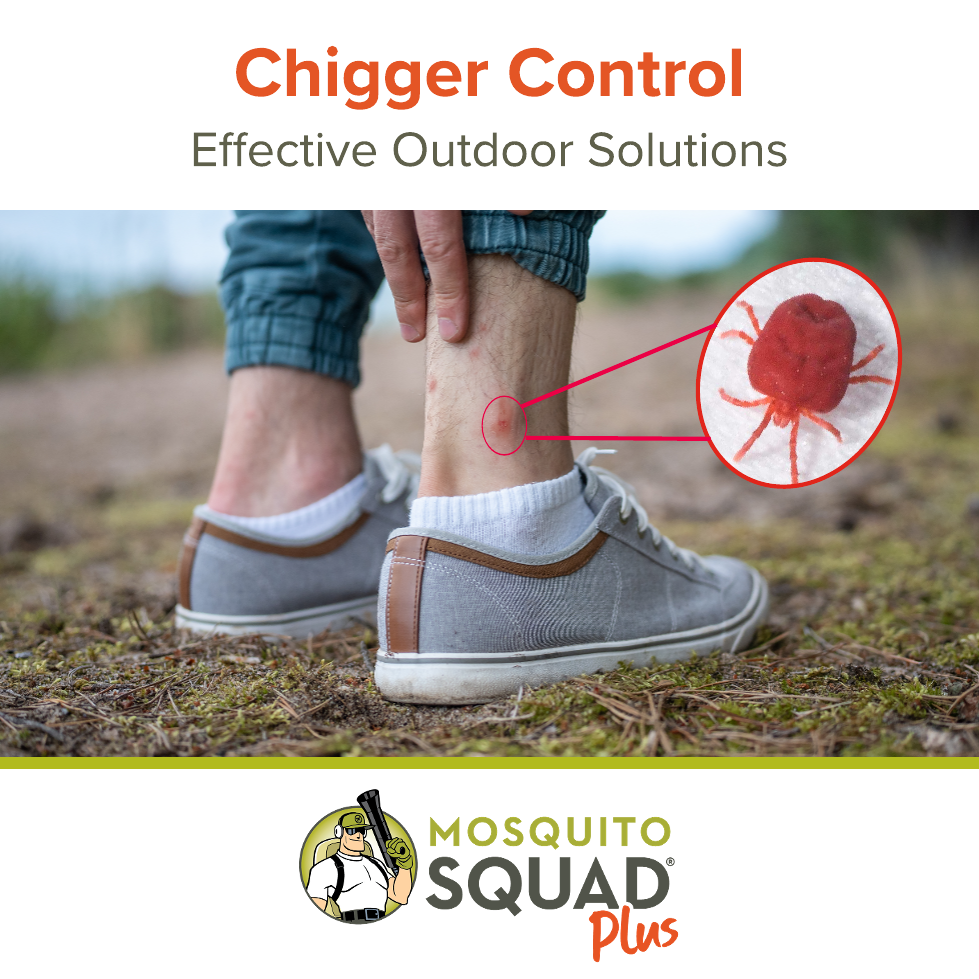
Walk to a back fence in mid-August, brush one clump of vegetation, and you can come inside with dozens of bites across both ankles. Nobody saw a tick. Nobody felt anything. The assumption is chiggers, or fleas, or some mystery rash, and that misread costs weeks.
Larval lone stars generally aren't the disease carriers in the population. The nymphs and adults are. But a seed tick hatch tells you something important, which is that adult females fed successfully on your property, dropped off on your property, and laid on your property. It's evidence of an established population, not a passing one.
Why DIY Tick Control Falls Short
Most Birmingham households run the same three plays before they call anybody.
Repellent on the people. That works while it's on, and it does nothing to the population reproducing behind the shed.
A flea and tick collar on the dog. Useful for the dog. It doesn't reduce what's in the grass, and it does nothing for the eight-year-old playing in it.
One spray in May. This is the most common miss, and it comes from thinking of tick season as one event. Lone stars come in overlapping waves, with adults and nymphs working through spring and early summer and larvae hatching heavily in late summer. A single May application is long finished before the seed ticks arrive.
What Actually Reduces Ticks on a Birmingham Property
Tick work is different from mosquito work, and the difference is where the pressure sits and how long it stays.
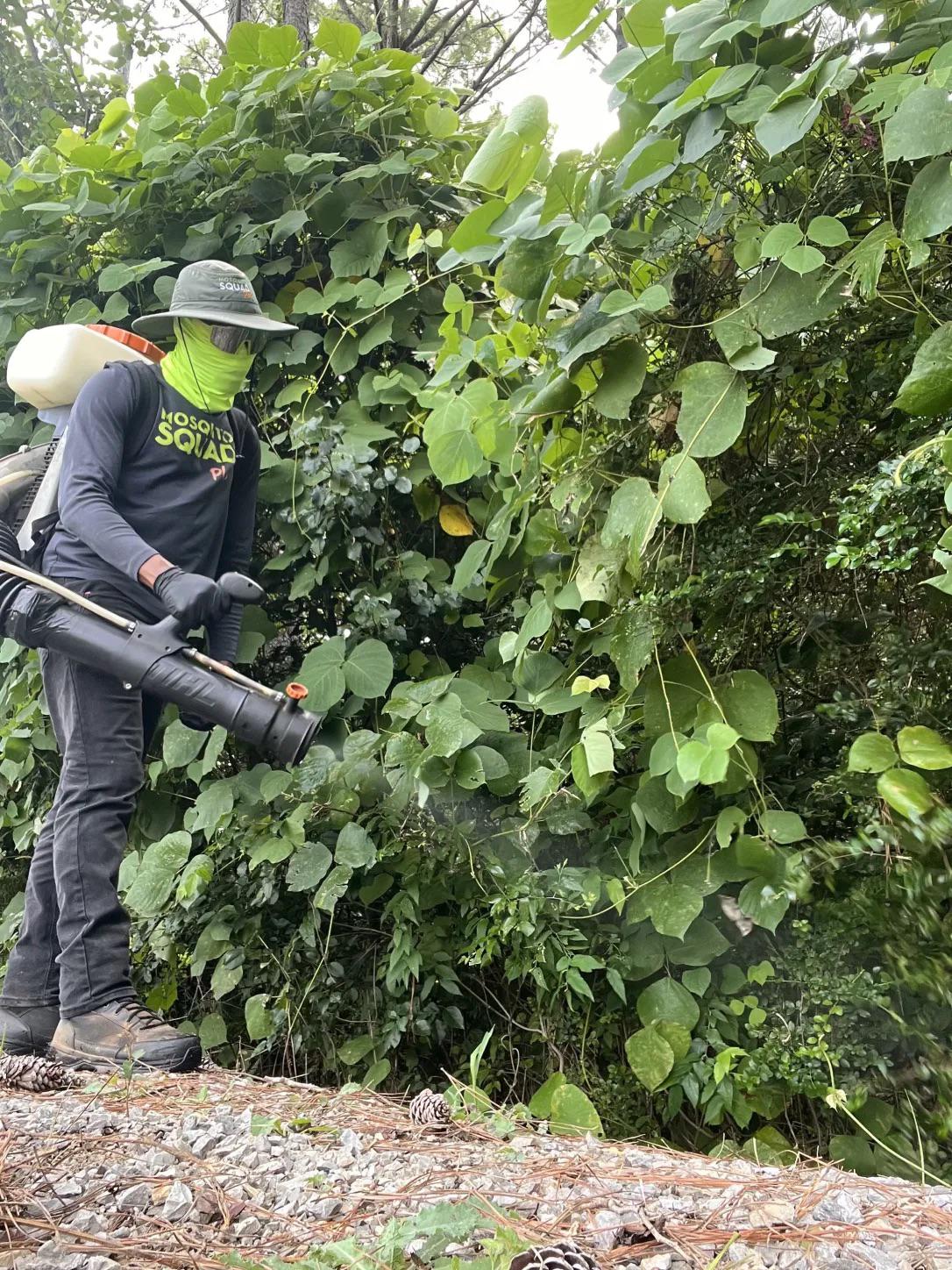
Our tick and mosquito barrier treatment runs on a recurring cycle through the active season rather than as a one-time knockdown, because the population isn't a single generation. Yard Defender work concentrates on the ground-level and perimeter zones where ticks stage rather than broadcasting across open turf, which is where they aren't. Home Shield adds structural work at the foundation, windows, vents, and entry points, and Complete Home & Yard puts that together with full yard management covering ticks, fire ants, fleas, and chiggers. The pest package lineup lays out what each tier covers.
The same shaded ground that supports ticks supports chiggers and fleas, which is why bites nobody in your house can identify usually trace back to the same few feet of ground. Our 6 C's of tick control walks through the property-side habits worth pairing with treatment, and every visit is backed by our guarantee.
Commercial properties run on the same biology with more foot traffic crossing the same edge habitat, which is what our commercial services are built for.
When Should You Start Tick Control in Birmingham?
ADPH reports tick-borne illness in Alabama year-round, and by late March we're already running treatments. Winter slows lone stars without shutting them off, which is why the decision wants making in February even though the first application lands in late March.
Terrain changes how hard that window hits. Properties in Vestavia Hills and Mountain Brook that back to wooded slope carry more pressure than open lots, and we've written about why tick season lands harder there. Small shaded lots in Homewood support ticks for reasons that have more to do with ground moisture than woodland. Fast-growing areas like Trussville and Chelsea put new lawn against established wildlife habitat, and lone stars follow deer. Pets move ticks across all of it, which we covered in our post on what dogs bring home.
We are veteran owned and family run, and we treat properties across Jefferson, Shelby, and St. Clair counties. Every community we cover sits inside lone star range, which means the February decision looks about the same on a half acre or on five. Request a free property walk or call (205) 928-8943 and we'll show you where the population is staging before the first wave moves.