What Happens to Pests Around Muskegon Homes When Summer Ends?
Posted by Mosquito Squad Plus
October 16, 2026
Homeowners and seasonal residents spend Summers in Muskegon on both Muskegon Lake and Lake Michigan. The city is surrounded by parks and wetlands, providing reliable sources of shelter and food for a variety of pests. The transition from summer to fall does not cause a sudden drop in pests around homes here. Some pests are at peak activity while others begin searching for warm shelter to spend winter. Mosquito Squad Plus of West Michigan Lakeshore helps homeowners navigate Muskegon, MI pest control concerns as seasons change.
Mosquitoes Can Remain Active After Summer
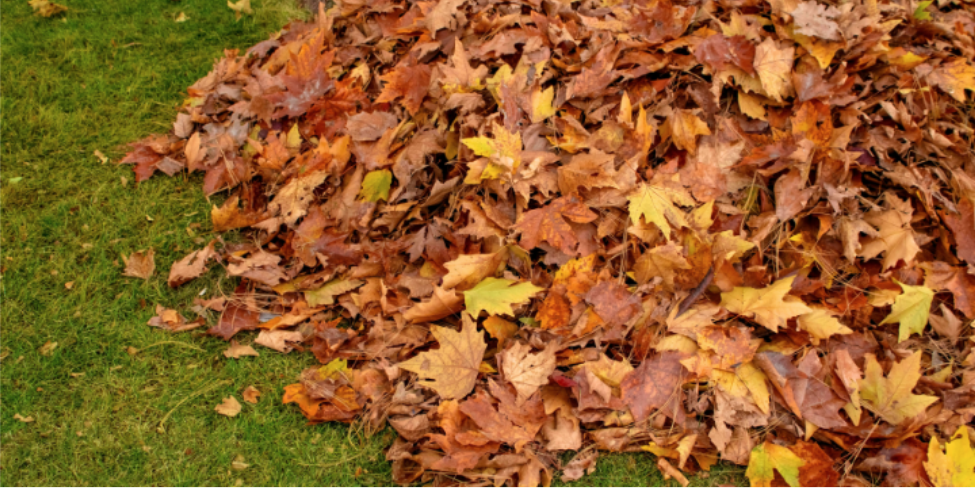
Mosquitoes stay active through late summer and into fall. Temperature shifts are gradual on the Lakeshore, with stretches of warm days keeping mosquitoes busy. Fall rain showers can replenish marshy land and even rehydrate previously laid mosquito eggs. Take the time to clear gutters clogged with falling leaves and containers holding standing water. This can reduce potential breeding locations. Our mosquito barrier treatment helps control up to 85-90% of mosquitoes for up to three weeks, helping you through the transition to freezing temperatures.
Tick Activity Does Not Follow the Same Schedule
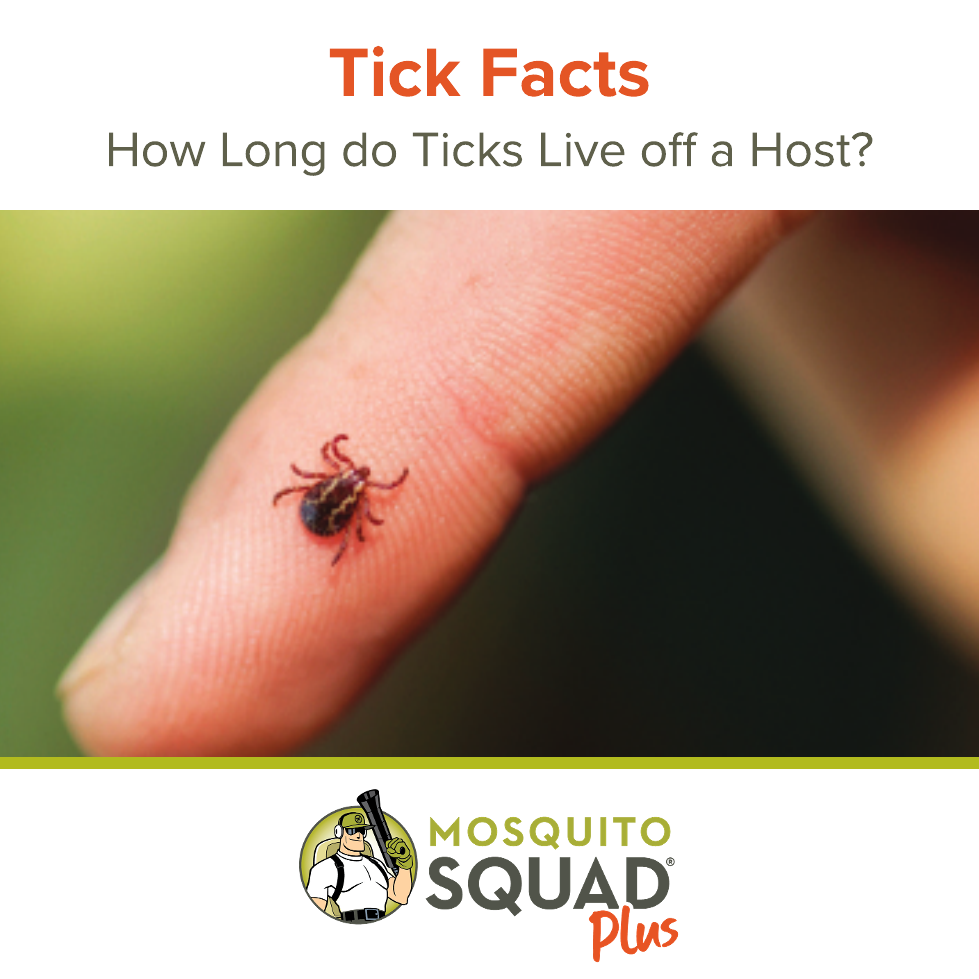
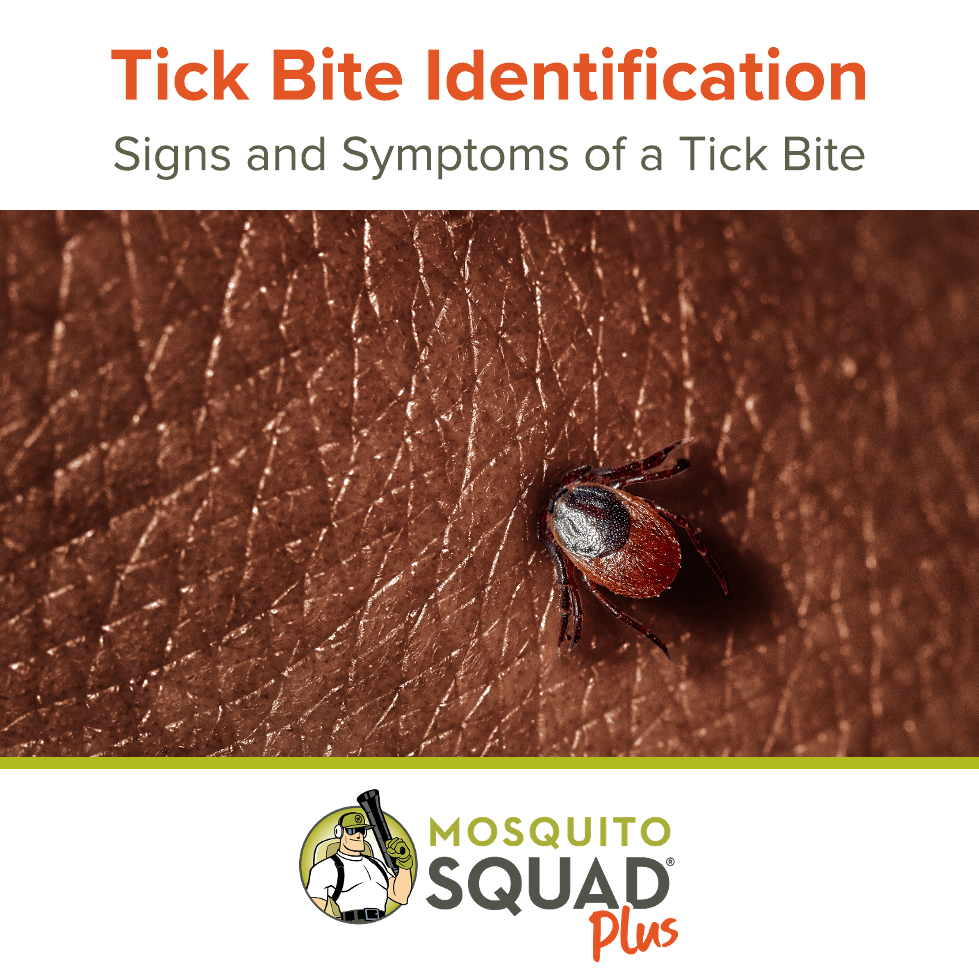
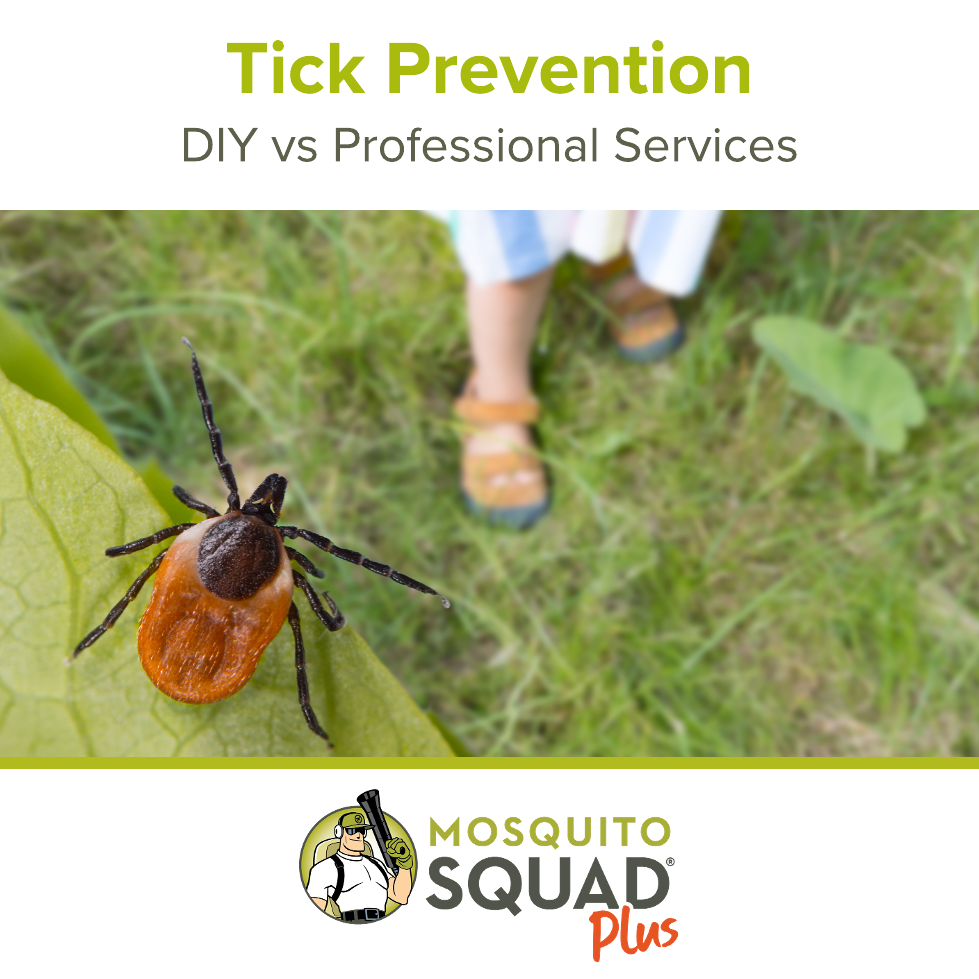
Ticks are less influenced by temperature changes than you may expect. Blacklegged ticks and American dog ticks are actually active well into November. Blacklegged ticks especially can continue to be active in seeking hosts as long as temperatures remain above freezing. Keep in mind ticks prefer to seek shelter in thick brush and leaf litter, so fall yard work may put you directly in their path. Wildlife moving through your yard may introduce ticks as well; tick control can address parts of the property where these pests are likely to spend time.
Moisture Can Keep No-See-Ums Around
No-see-ums and other small biting flies are closely tied to humidity, damp organic matter, and protected outdoor areas. Muskegon’s proximity to Muskegon Lake and Lake Michigan, combined with wet vegetation or low-lying areas after rain, can support these pests during warmer stretches. As cooler weather and stronger breezes arrive, activity may become less noticeable because biting midges are weak fliers. No-see-um control can address persistent activity around patios and other outdoor spaces.
Some Summer Flies Begin Slowing Down
Flies generally thrive during warmer weather, so cooler temperatures can gradually reduce outdoor activity. Food residue, trash, pet waste, and decaying organic material can still attract them later in the season, however. Good sanitation and secure trash storage can reduce favorable conditions, while professional fly and other pest control can address continued activity. Flies that make their way inside may also remain noticeable even after outdoor numbers begin declining.
Rodents Respond to Changing Conditions, Too
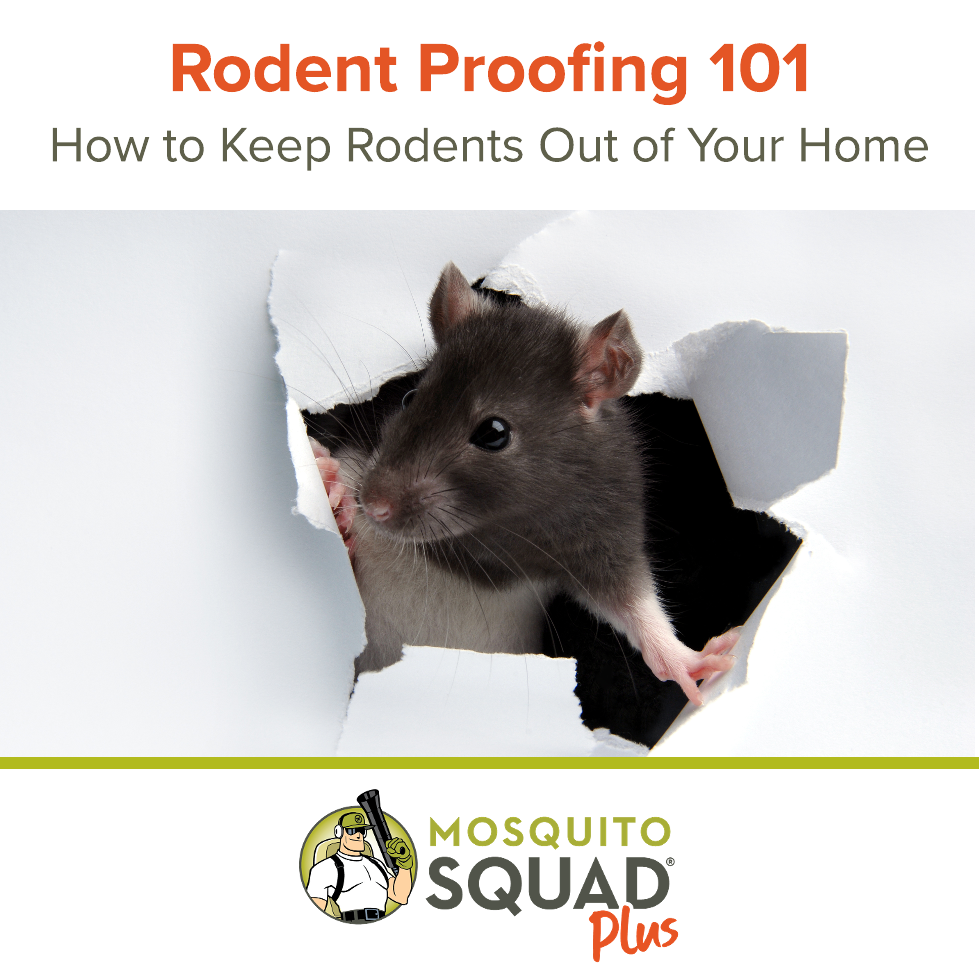
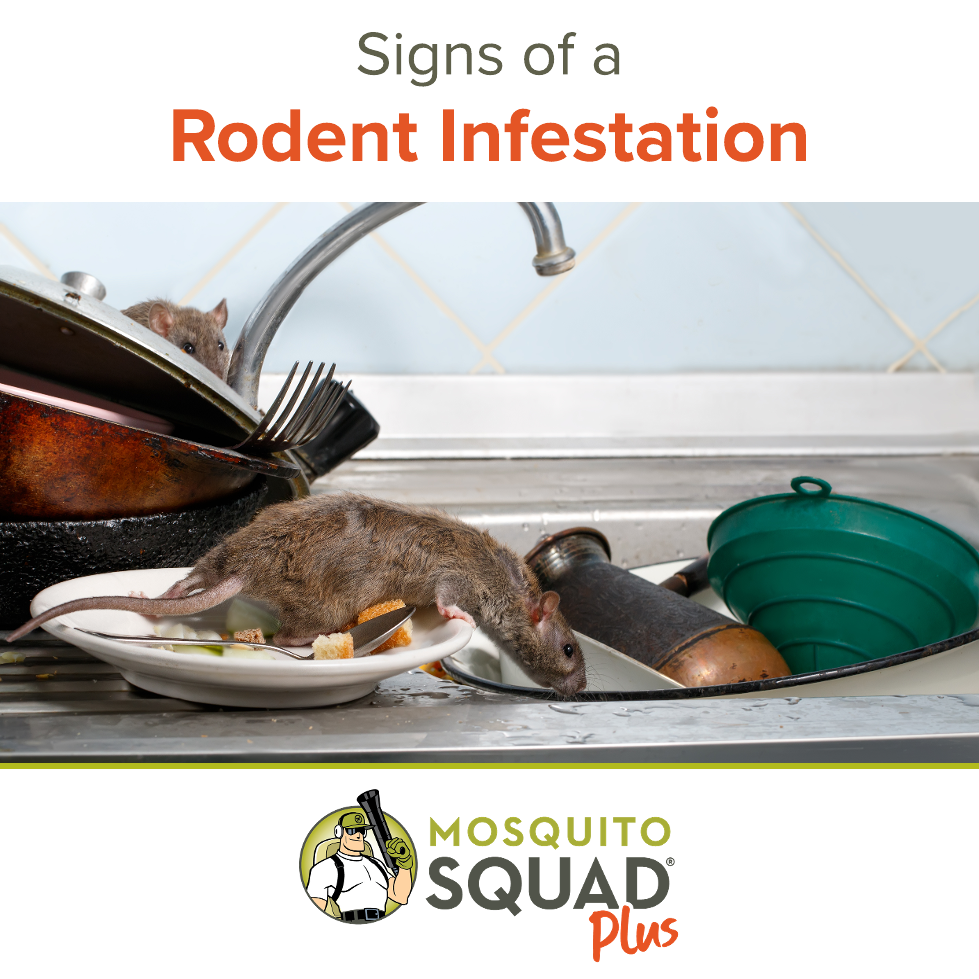
Falling temperatures and changing food availability can encourage rodents to investigate garages, sheds, crawl spaces, and areas around foundations. Droppings, gnaw marks, nesting material, or disturbed stored goods may indicate activity nearby. Rodent control can help address an existing problem, while sealing accessible gaps and keeping bird seed, pet food, and pantry items in secure containers can make sheltered spaces less appealing.
Prepare Your Muskegon Home for the Seasonal Shift
Contact Mosquito Squad Plus of West Michigan Lakeshore with questions about how our team can help you navigate the seasonal transition of pest behaviour. Our team can provide a free quote over the phone at (616) 426-6776.