Can Overgrown Property Borders Increase Tick Risk in Grand Rapids Backyards?
Posted by Mosquito Squad Plus
September 22, 2026
A well-maintained yard, or even a yard that is primarily a pool or patio, does not get rid of the chances of a tick encounter completely. An area homeowners need to pay attention to is the edges of the property, where ticks tend to seek out. Grand Rapids, MI, tick control starts with a reliable and knowledgeable company like Mosquito Squad Plus of West Michigan Lakeshore.
Are ticks common around Grand Rapids?
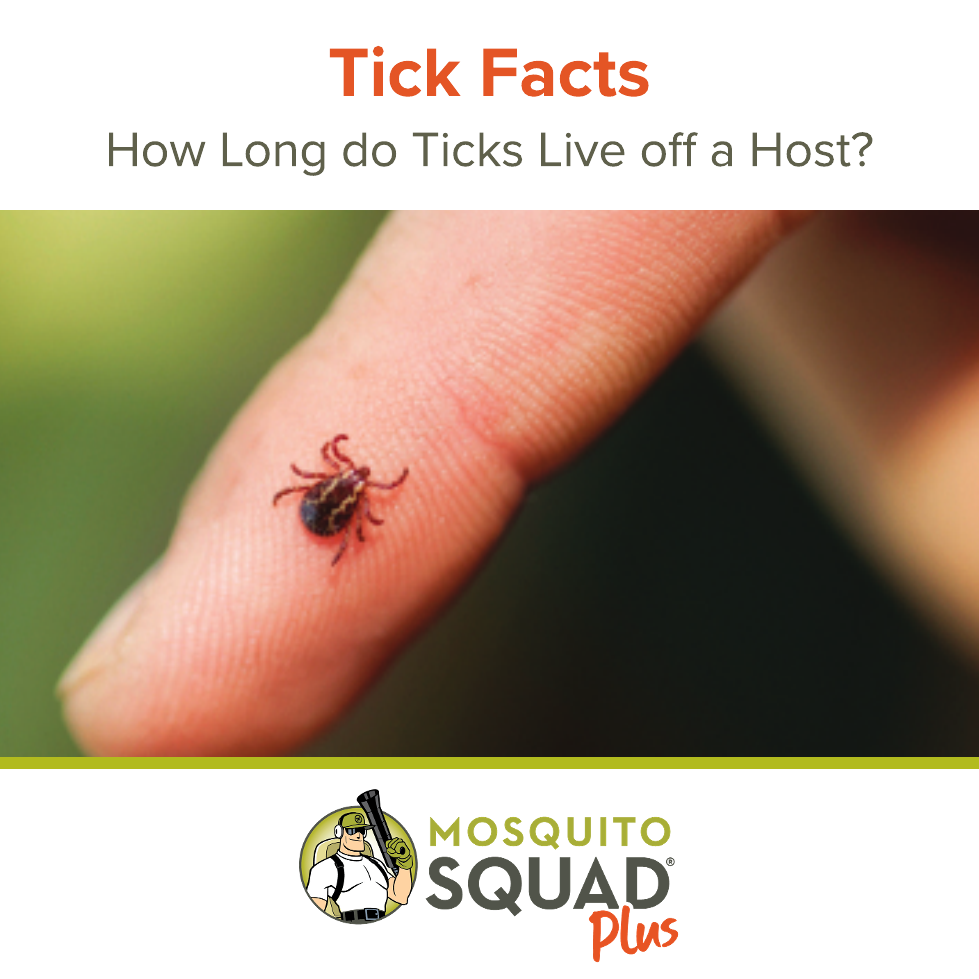
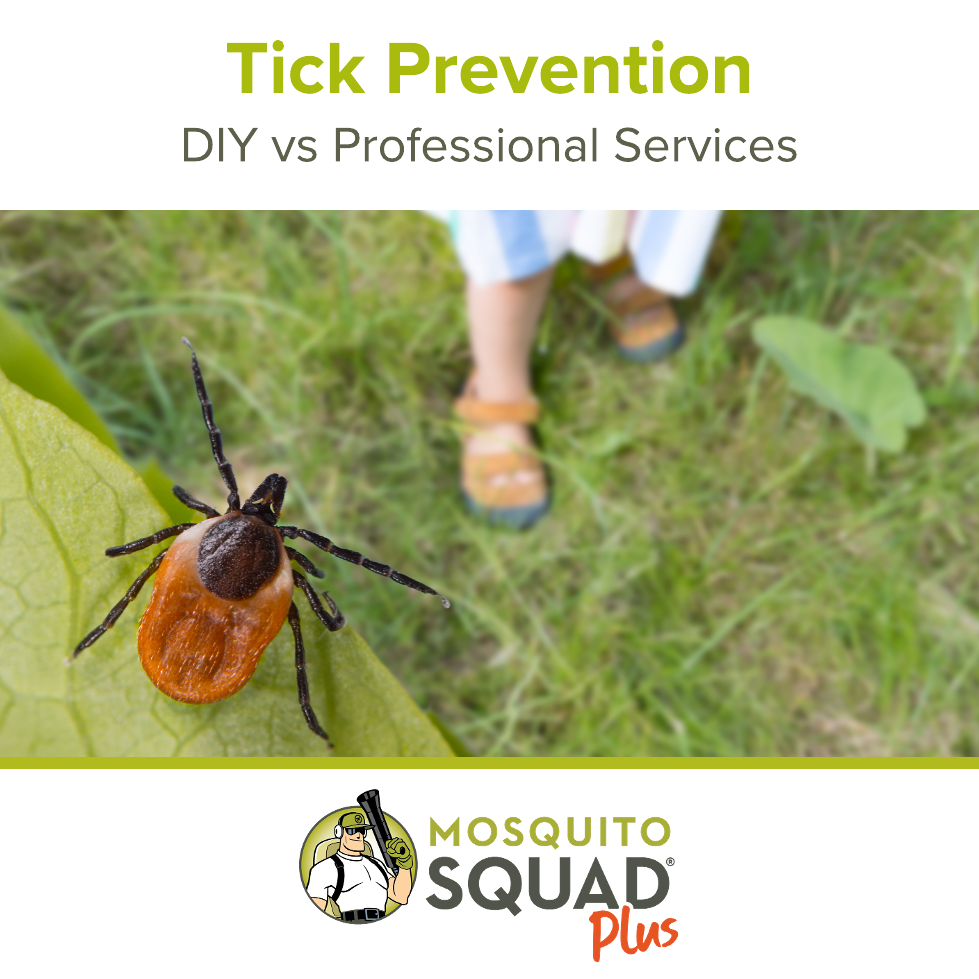
Ticks are well established throughout Michigan, including around Grand Rapids. Most species are commonly found in woods, tall grasses, bushes, and other areas where shade and hosts are easily accessible. Tick control is important and can be more so for properties bordering woods, fields, or even undeveloped land.
- American dog tick: One of the most commonly encountered ticks in Michigan. It is often found in grassy, brushy, and wooded areas and can be associated with illnesses including Rocky Mountain spotted fever and tularemia.
- Blacklegged tick: Also called the deer tick, this species is established in Michigan and can transmit Lyme disease as well as several other illnesses.
- Lone star tick: This species is encountered less consistently in Michigan but may still appear in wooded or grassy environments.
Why do overgrown property borders attract ticks?
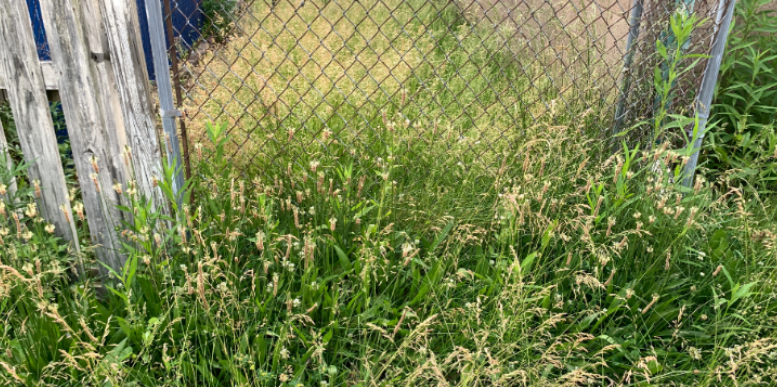
Ticks favor places that stay humid and shaded, as they are vulnerable to drying out. The edges of properties are not always clear, so they are more likely to have overgrown grass or other vegetation. Tall grass, low branches, and other landscaping growing along fence lines can offer sheltered conditions for ticks.
The same border areas that provide shade for ticks can attract wildlife, such as mice and squirrels, looking for food and a cool place to rest. Deer may also graze on the vegetation, and ticks will either drop off of hosts passing through or wait to bite a new host.
Which parts of the yard deserve the most attention?
Homeowners should pay particular attention to areas where maintained yard space meets taller vegetation, and perform appropriate pruning and tidying in these spaces. Professional tick control can focus on appropriate areas where ticks are more likely to travel or rest.
Frequently used spaces like play areas, patios, walking pads, and any dedicated pet areas should also be considered. Creating clearer boundaries between these spaces and overgrown borders can support other pest management services used around the property.
How can homeowners make property borders less favorable to ticks?
The simplest things homeowners can do to help limit chances of a tick encounter start with keeping landscaping trim and tidy. If you have previously not been paying close attention to the edges of your yard, it's time to give them a thorough go over. Cut back vegetation that spills into walkways to prevent people from brushing against it and potentially walking away with a tick on them.
After spending time near wooded or brushy borders, check clothing, skin, children, and pets for ticks. If a tick is attached, follow current public-health guidance for careful detachment and contact a healthcare professional if concerning symptoms develop. Learning more about tick control services can also help homeowners decide when professional treatment makes sense.
Get Started
Mosquito Squad Plus technicians inspect the property during treatment visits and can focus applications on appropriate areas where ticks are likely to be active. To discuss Grand Rapids, MI tick control, call (616) 426-6776 for a free quote over the phone, or contact Mosquito Squad Plus of West Michigan Lakeshore to get started.