How Can Historic Princeton Estates be Protected Against Overwintering Pests?
Posted by Mosquito Squad Plus
November 5, 2026
The historic nature of Princeton homes can lead to increased pest activity within indoor areas due to the common migration of overwintering pests. Aging seals, new additions, and complex rooflines can all create small points of access where pests can enter into crawl spaces, attics, and nest within wall voids. While not every Princeton home will experience heightened pest pressure, there are signs to keep in mind when considering how to implement Princeton pest control treatments.
Entry Points to Inspect Before Cold Weather
It can be beneficial for Princeton residents to conduct simple home inspections to locate initial areas of risk. Doorways, windows, and attic vents can create prime opportunities as aging door sweeps, torn window screens, and damaged vents create points of entry where rodents, boxelder bugs, or other pests can enter. Check the areas where siding, chimneys, and roofline changes can create pockets that become hidden by shadows or the structure itself. Consider using a flashlight to illuminate these areas, and keep a running log of places where cracks, gaps, and crevices have been noted. While some areas can be addressed by Princeton residents themselves, there are areas that could require professional attention.
Which Overwintering Pests Homeowners May Notice
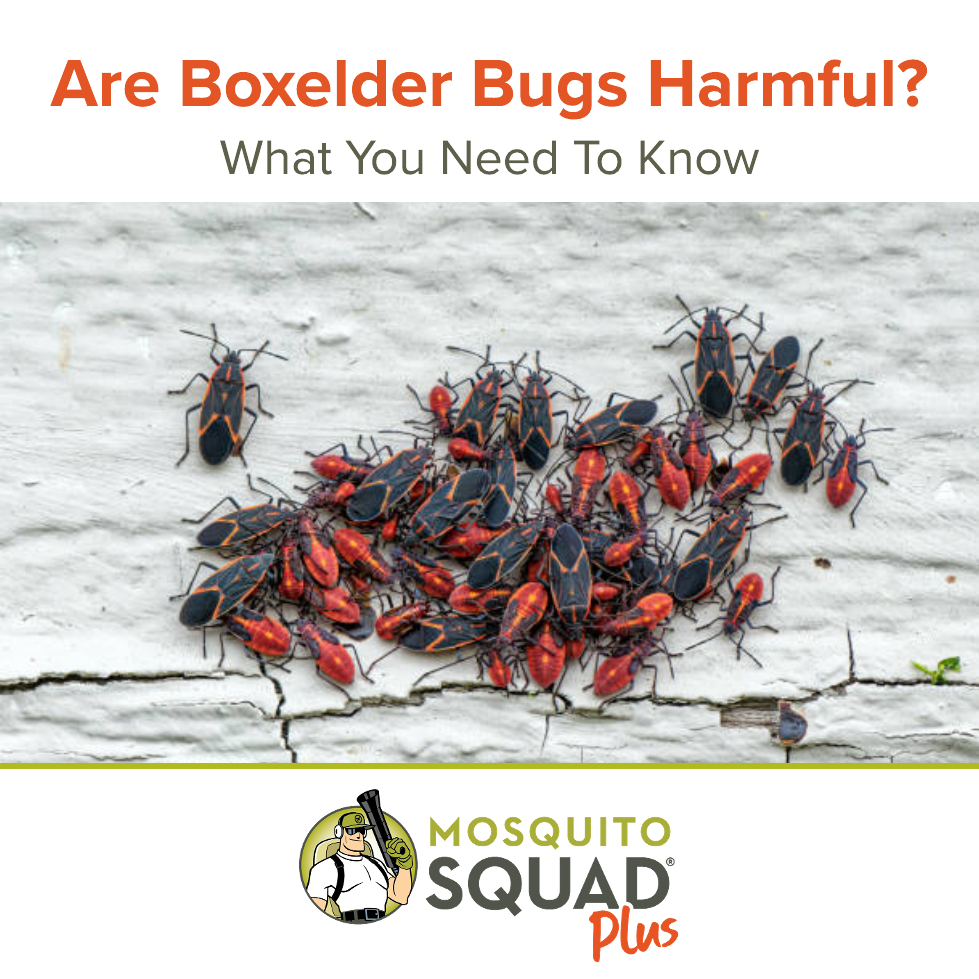
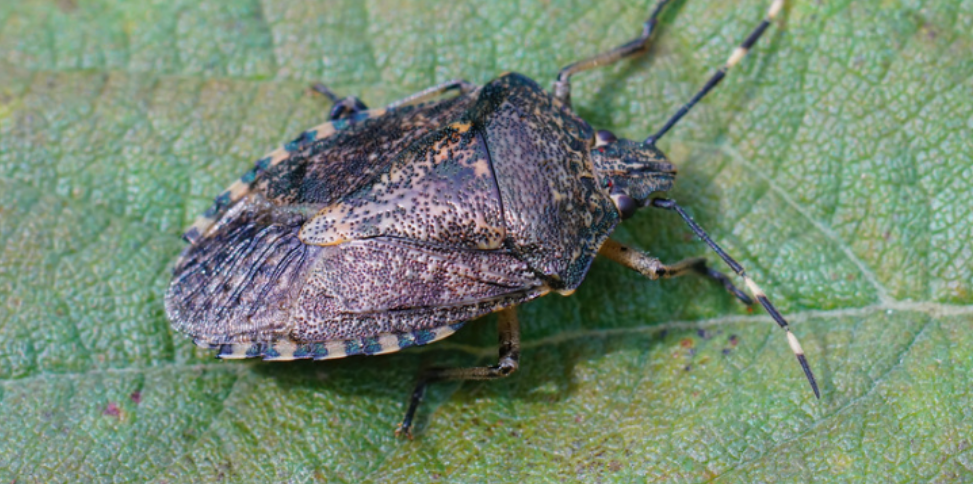
Asian lady beetles, stink bugs, and boxelder bugs will commonly swarm the sunny sides of homes while seeking entry into indoor living spaces and wall voids. Spiders will follow these and other prey into homes and actively hunt at night or build their webs near common points of entry. Rodents commonly seek access to attics, basements, and wall voids within Princeton homes in order to gain access to shelter, food, and water during the cooler months.
How to Exclude Pests Without Damaging Historic Features
It can be difficult for Princeton residents to assess how to reduce pest access while maintaining historic features of their home, but there are initial steps that can be taken.
Trim bushes and tree limbs away from rooflines and foundational areas where pests can use them as highways to your home. Maintain screens and weatherstripping around windows to limit small gaps or tears where pests can easily enter. Reduce leaf litter, brush, and overgrown vegetation around the yard. Lastly, speak with a professional service provider in Princeton for recommendations on proper sealing techniques and methods that help to maintain the home without damaging worn or aging infrastructure.
What to Do If Pests Are Already Inside
If you’re already noticing signs of indoor pest activity at your Princeton home, there are steps you can take to reduce their presence. Resist the urge to smash or crush stink bugs or Asian lady beetles, as they are commonly known to stain and emit a pungent odor when crushed. Instead, designate a handheld vacuum or shop vac to address insect pests such as stink bugs, boxelder bugs, and Asian lady beetles. This can help reduce contamination or staining, and will allow you to quickly vacuum and dispose of insect pests. Likewise, vacuum any signs of spider eggs found around the home and consider cleaning the vacuum to reduce the likelihood of any egg sacs left behind.
Professional Pest Control for Historic Homes in Princeton
When you experience heightened pest activity, complications around hard to reach areas, or difficulties identifying where pest pressure originates, it may be beneficial to seek professional pest control support.
Our team at Mosquito Squad of Princeton is proud to offer comprehensive pest control services to Princeton residents. Our team will begin with a property inspection to understand the layout and note areas of concern in order to help create a tailored plan. With this information, we can apply our pest control treatments and exclusion methods in a manner that specifically addresses your home and needs. Depending on your needs, recurring service can help manage pest activity throughout the season.
Call (609) 778-1797 or request a free quote online.