Which Plants Are Most Vulnerable to Spotted Lanternflies in New York?
Posted by Mosquito Squad Plus
August 26, 2026
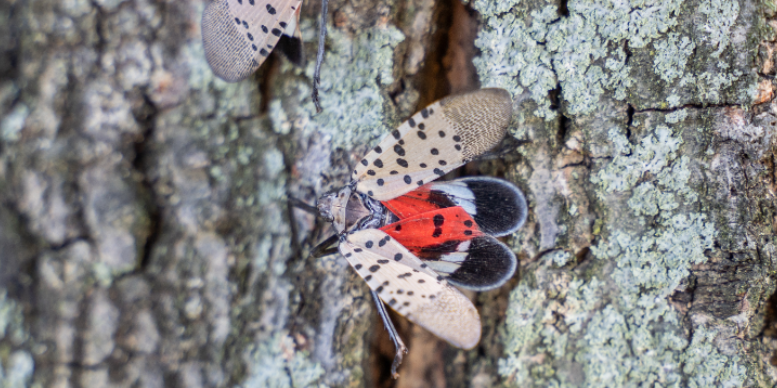
Spotted lanternflies, being both pesky and invasive, have favorite plants to snack on in New York. So, if you see them on your property, chances are you have something they like.
Because spotted lanternflies don’t feed on just any plant. They have persnickety preferences, which means they follow after specific plants like an obsession.
So, do you have their favorites on your property? And what damage do they cause to them?
Tree-of-Heaven is Their Favorite
Ah, Ailanthus altissima, the spotted lanternflies’ favorite—they treat this species of plant like a shrine. Adults flock to this plant to feed and lay eggs. So, if you have one on your property, you truly have a spotted lanternfly magnet. It will sustain any of them on your property, and from there they spread.
Tree-of-heaven and spotted lanternflies are both invasive. The tree-of-heaven also often gets mistaken for sumac and black walnut. If you’re not sure if you have one on your property, here’s what to look for:
- Smooth gray bark
- Compound leaves with 11 to 41 leaflets
- A strong unpleasant smell when you crush a leaf
If you see one, remove it. Young seedlings can be pulled or dug up, taking care to remove all roots and fragments, ideally when the soil is moist.
Grapevines Take The Worst of It
Spotted lanternflies literally suck the life out of plants. And grapevines often suffer the most damage. Vineyards experience severe yield losses with that precious sugar content ravaged and sucked dry. And if a vine is impacted over multiple years, it usually results in complete vine death.
If left unchecked, spotted lanternflies will have their way with New York’s grape, orchard, and logging industries. And even if you have a small grape arbor in your backyard, it’s not immune to them.
Fruity Trees Draw Them In (Especially Stone Fruit)
You love your fruit trees, but spotted lanternflies love them even more. Nymphs feed on a wide range of species including fruit trees like plum, cherry, and peach.
When spotted lanternflies take over a fruit tree, you don’t see the normal tell-tale signs of insect infestation (like chewed leaves). Instead, your tree’s overall health and fruit yield go into a tailspin.
When spotted lanternflies take hold, your tree begins putting all its energy into replacing sap and not growing fruit. Then, it goes into the winter unhealthy and with less energy stored. And, it could mean your fruit tree is done-for.
Other Trees Spotted Lanternflies Like
While these aren’t the favorites, spotted lanternflies also feed on:
- Willows
- Maples
- Poplars
- Sycamores
- Black walnut
- Birch or river birch
So, if you have these on your property, keep an eye on them.
Ornamentals
When you were planning out your landscaping in South Salem, you may have chosen, lush beautiful plants like:
- Rose of Sharon
- Lilacs
- Hops
- Tree lilac
But, spotted lanternflies like these too. While they don’t gravitate to one particular ornamental plant, if you have a combination of them on your property, you could be drawing them in.
What Damage Do Lanternflies Cause?
Spotted lanternflies don’t chew plants. Instead, they have piercing, spear-like mouthparts that drink sap. So, you won’t find holes in leaves, ragged edges, or the other visual evidence you’d expect.
Look for this instead:
- Weeping or oozing sap on trunks and stems, sometimes with a fermented smell
- Wilting, especially on new growth
- Branch dieback over successive seasons
- A sticky film on anything under the canopy
- Black sooty mold on leaves, stems, and the ground below
As spotted lanternflies feed, they excrete honeydew (that feels like sticky sap), and if left alone, it’ll start growing black, sooty mold. This mold blocks photosynthesis and weakens plants progressively the longer they are exposed.
You might also find your hostas, patio furniture, and car with a thin coat of it.
Their Traveling Eggs Sustain Them
Spotted lanternflies can lay eggs on almost any smooth outdoor surface. Eggs are grayish-brown, smooth, putty-like smears (like dried mud). Fresh ones have a waxy shine while older ones crack and dull to gray-brown. You should look for them anytime between October through May.
Here’s where to check:
- Tree trunks and branches
- Siding
- Stone walls
- Rocks, grills
- Patio furniture
- Firewood stacks
- Trailers
- Vehicles
If you see them, scrape them off, then double bag them or drop them into alcohol or bleach.
New York's Department of Agriculture and Markets currently does not need sighting reports from these counties:
- Westchester
- Putnam
- Dutchess
- Rockland
- Orange
- Ulster
- Sullivan
- Nassau
- Suffolk (except for North Fork)
- New York City
If you see one in those counties, knock it down immediately. But, if you are elsewhere in the state, report it, take a photo, collect a sample, and then knock down any additional spotted lanternflies you might see.
Let Us Handle Spotted Lanternflies
Removing spotted lanternflies’ favorite plants and scraping egg masses can help. But once a population is established on your property, DIY efforts rarely work the way they need to.
And that’s why spotted lanternfly control from Mosquito Squad Plus (serving South Salem and surrounding communities) starts with our trained technicians inspecting the property to find where lanternflies are feeding and laying eggs. Then treating those areas with EPA-registered products applied according to label guidelines.
No treatment can remove all spotted lanternflies, but we get pretty close. That’s the power of consistent treatment and trained technicians that understand your property.
Seeing spotted lanternflies on your South Salem property? Call Mosquito Squad Plus of Northern Westchester Putnam Dutchess County at (914) 353-4921 or contact us online for a free quote.