The Water That Makes Richwood Worth the Address Is the Same Water Breeding the Mosquitoes
Posted by Mosquito Squad Plus
June 17, 2026
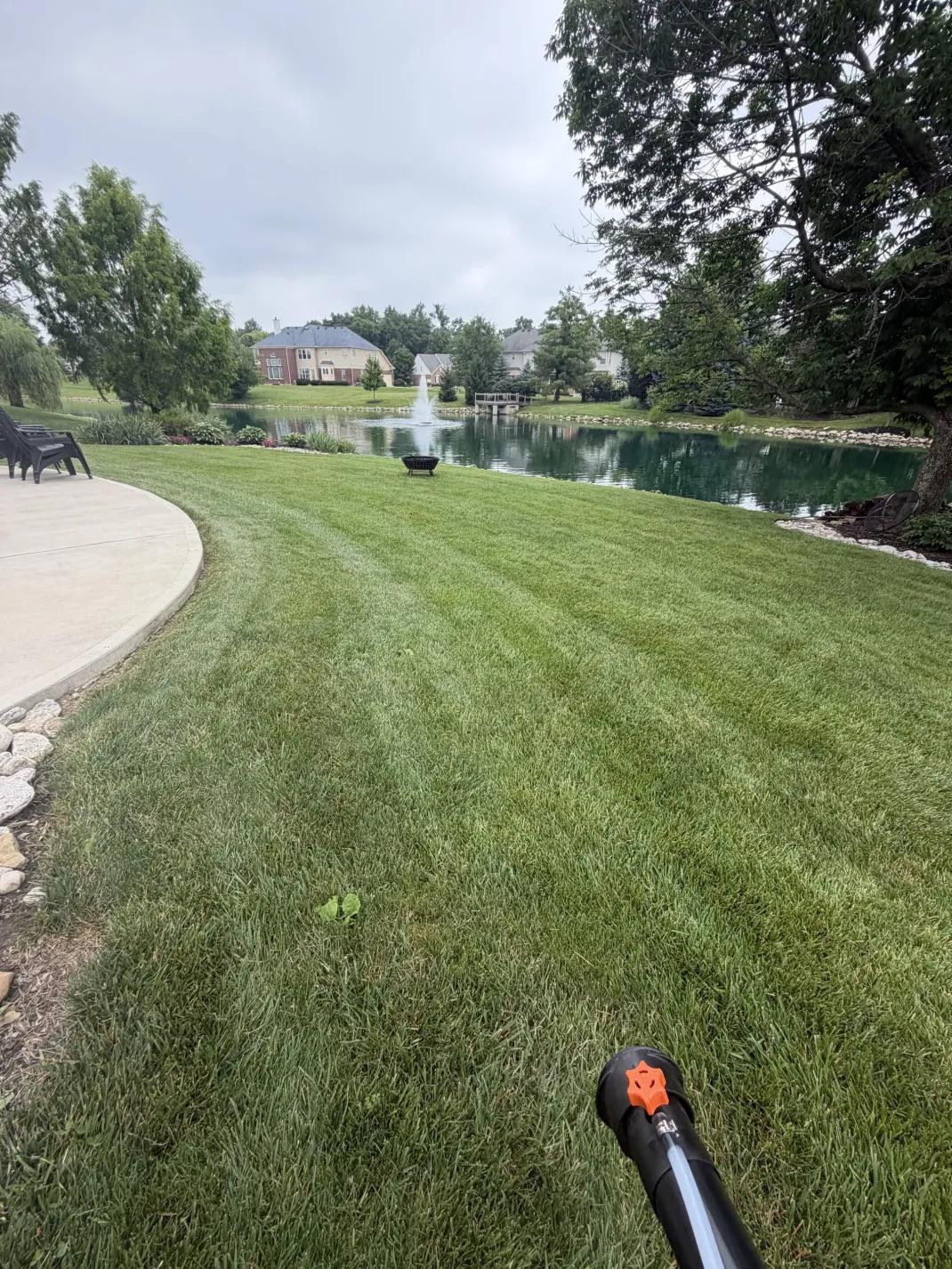
The lots that sell first in Richwood are the ones on the water. You know the ones. The homes that back to a pond off the Richwood exit, the lots that look out over a fairway lake, the stretch in the Estates of Richwood where the houses ring a stocked pond with a lighted path around it. People pay extra for that view, and they are right to want it. A house on the water is a nicer place to live than a house in the middle of a field.
Here is the part nobody mentions at the closing table. That water is the single biggest reason your yard works harder against mosquitoes than the house two streets back that does not have a view of anything. We treat a lot of these properties, and the pattern is consistent. The closer the lot sits to the pond, the lake edge, or the low wet ground along a fairway, the earlier the mosquitoes show up in spring and the longer they hang around in fall. It is not a knock on the lot. It is just what comes with living next to standing water in a Kentucky summer.
The good news is that none of this means the lake view was a mistake, and it does not mean the pond is the enemy. A well-kept pond with moving water and fish in it breeds far less than people assume. The trouble is narrower and more specific than the whole pond, and once you understand exactly where it comes from, a Richwood water lot is very manageable. Here is what is actually happening on these properties, and what it takes to keep the nicest lots in the neighborhood from also being the buggiest.
Why the Water Lots Carry More Pressure
A mosquito needs almost nothing to get started. Calm water that sits still for a couple of days, a little organic material in it, and some shade. That is the whole recipe. The open middle of a golf course lake or a stocked pond is not where that happens, because moving, aerated, fished water is hostile to larvae. The breeding happens at the edges.
The University of Kentucky's horticulture extension is direct about this. Ornamental pools and landscape ponds are potential breeding sites, and the things that turn them into active ones are the shallow margins, the organic matter that collects in them, and the landscape plants that crowd the water's edge and provide both shade and shelter for larvae. That is the shallow, planted, slow-moving rim of the pond, not the deep open center. Research compiled by NC State Extension on ponds and stormwater features found mosquitoes present in the large majority of standing-water impoundments studied, with the activity concentrated where organic material accumulates and predators thin out, which is almost always the vegetated perimeter rather than the open water.
For a Richwood water lot, that perimeter is your back property line. The shallow vegetated edge of the pond, the cattails and reeds that grow in where the bank meets the water, the soft wet ground in the swale between the manicured lawn and the pond, that ten to twenty foot band is the production zone. The house in the middle of the subdivision does not have that band. Your lot does, and it runs the length of your view.
There is a second water source most water-lot owners never think about, and it is on the dry part of the property. The same lots that get the view tend to get the irrigation, because a manicured high-end lawn sloping toward a pond gets watered to stay green through a Boone County July. Overwatering, low spots that hold the runoff, and the saucer-shaped grading that drains toward the water all create small pockets of standing water on the lawn itself, away from the pond entirely. Those are mosquito sites too, and they are the ones a homeowner can actually do something about.
The Mosquito You Are Actually Swatting
The species doing most of the biting on a Richwood lot is the Asian tiger mosquito, and knowing its habits explains why the water lots feel worse even during the day. University of Florida research documents it as a daytime feeder, most active in the morning and late afternoon, that rests in shaded low vegetation close to the ground and does not travel far from where it emerged. That is the bug biting you while you are on the dock or walking the path at six in the evening, not just at dusk.
Because it stays close to where it breeds, a water lot effectively grows its own supply. The pond edge and the wet swale produce the adults, the landscaped beds and shrubs along the patio give them shaded resting cover a few steps away, and they never need to leave. The lot two streets back gets the occasional drifter. The water lot hosts a resident population all season. That is the difference you are feeling, and it is why the consumer fogger you run on a Saturday does so little. You are knocking down today's adults while the edge keeps producing next week's.
The Pests That Have Nothing to Do With the Pond
It would be a half-truth to talk about a Richwood water lot and only mention mosquitoes, because the same premium lot that borders water usually borders something else too. The communities off the Richwood exit are built on what was open Boone County farmland and woodlot, and the nicest lots tend to be the ones backing to a preserved tree line, a wooded buffer, or the rough along a fairway. That edge is tick and chigger country, and it has nothing to do with the water.
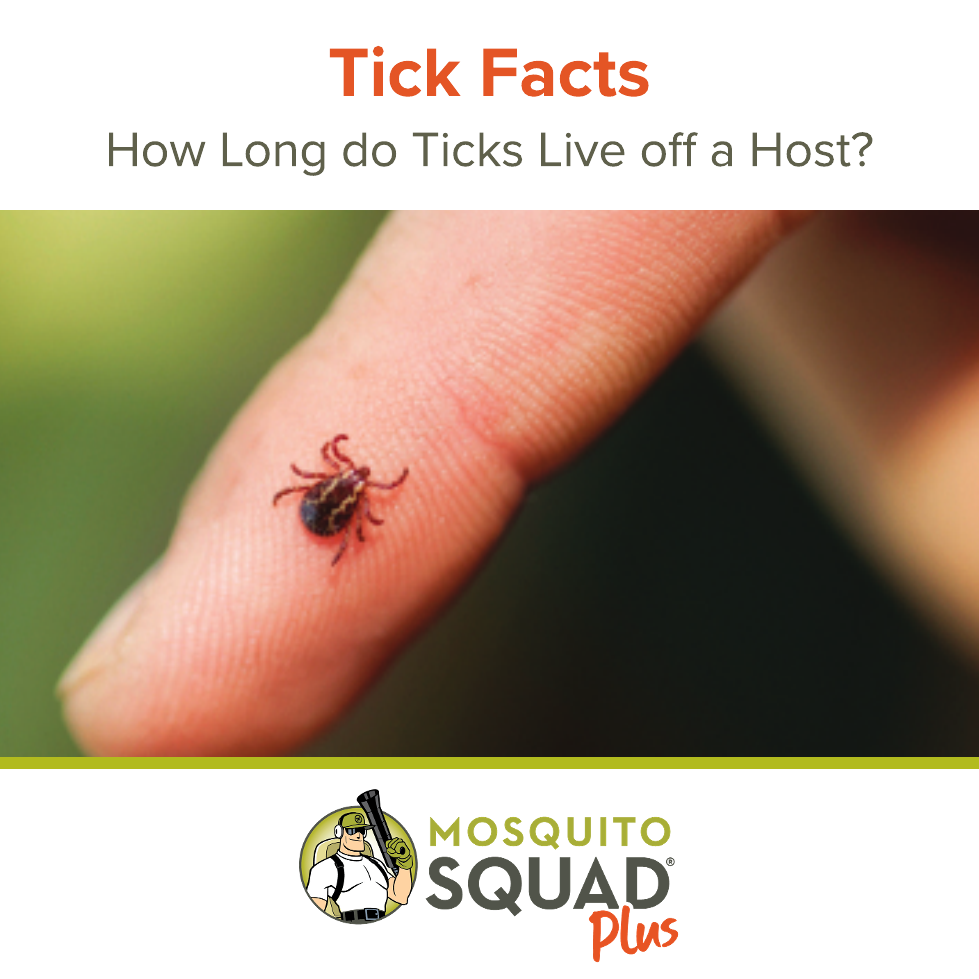
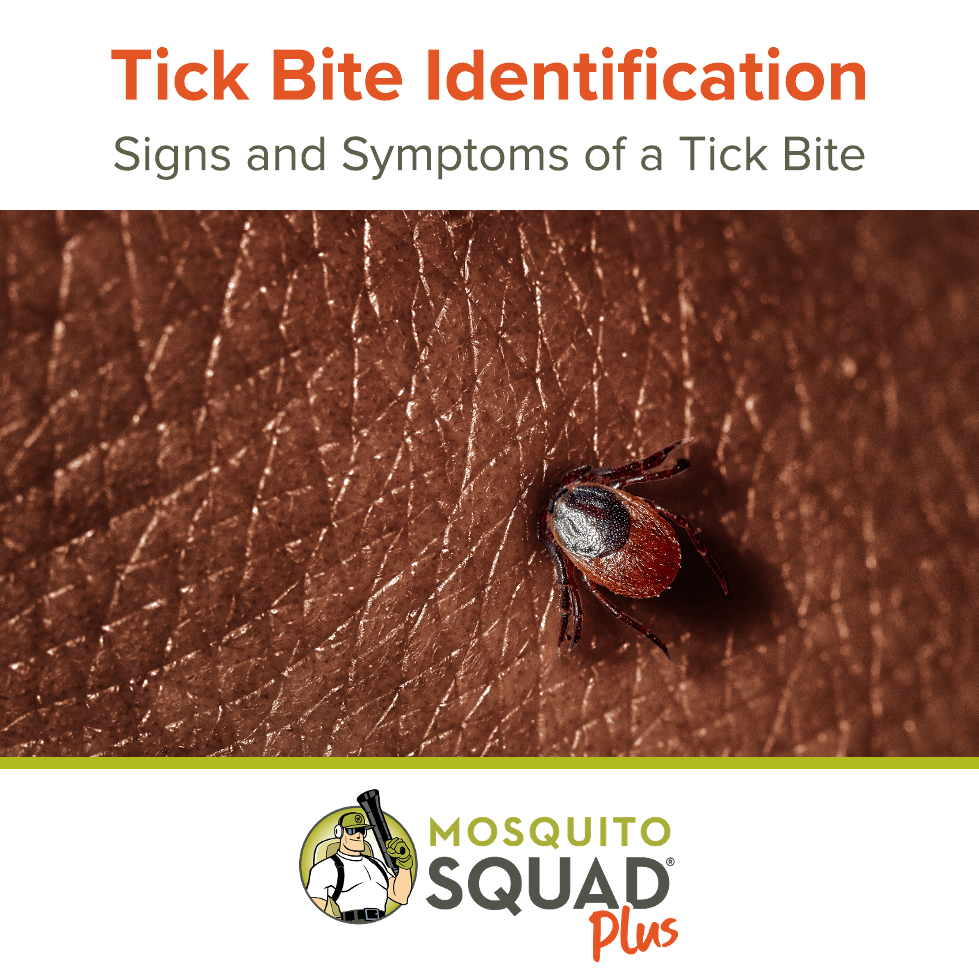
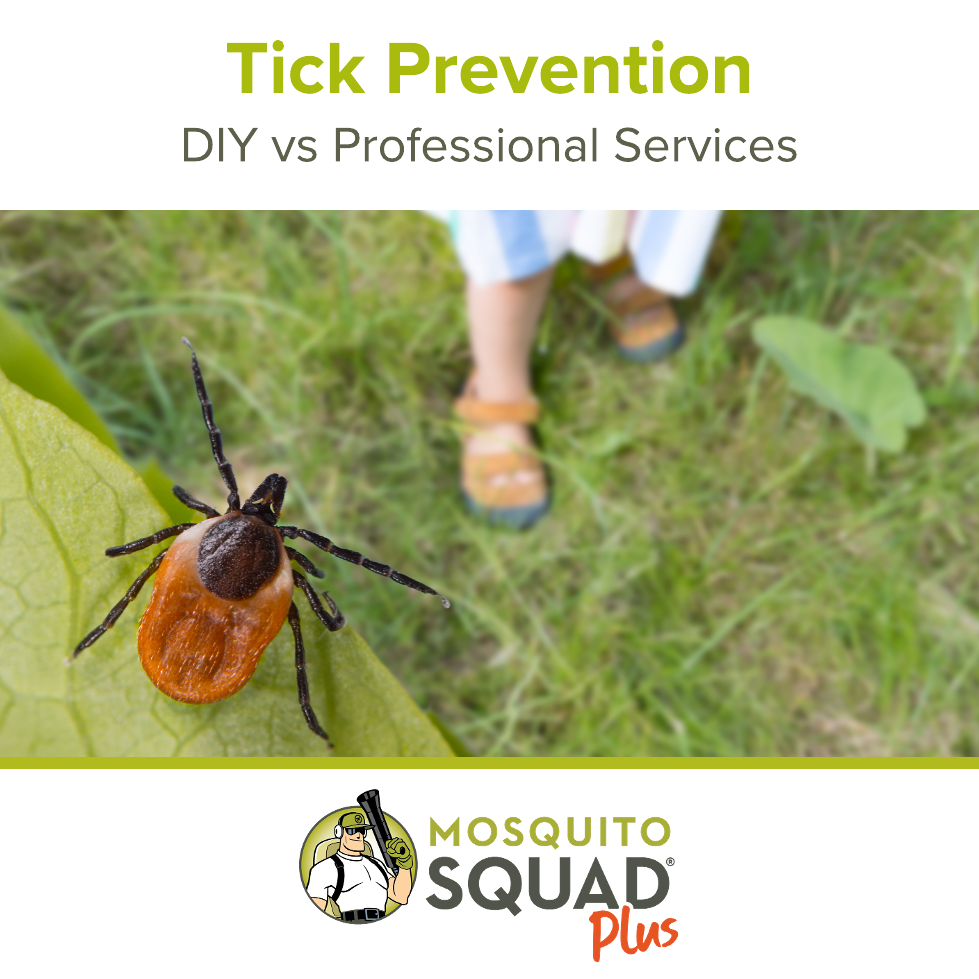
Ticks work the transition zone where the mowed lawn meets the taller, brushy, wooded edge. The CDC documents the lone star tick, the aggressive human-biter now established across Kentucky, as concentrating in exactly that kind of dense edge habitat, and it does not wait at the tree line. It moves into the maintained lawn to find a host, which on these properties is the dog crossing the yard or the kids cutting toward the woods. The blacklegged tick that carries Lyme works the same edge on a slower, quieter schedule. Deer moving between the wooded buffers of these subdivisions carry both, and the wooded lot lines that make the lot feel private are the corridor they travel. Our 6 C's of tick control framework is built around treating exactly that kind of edge.
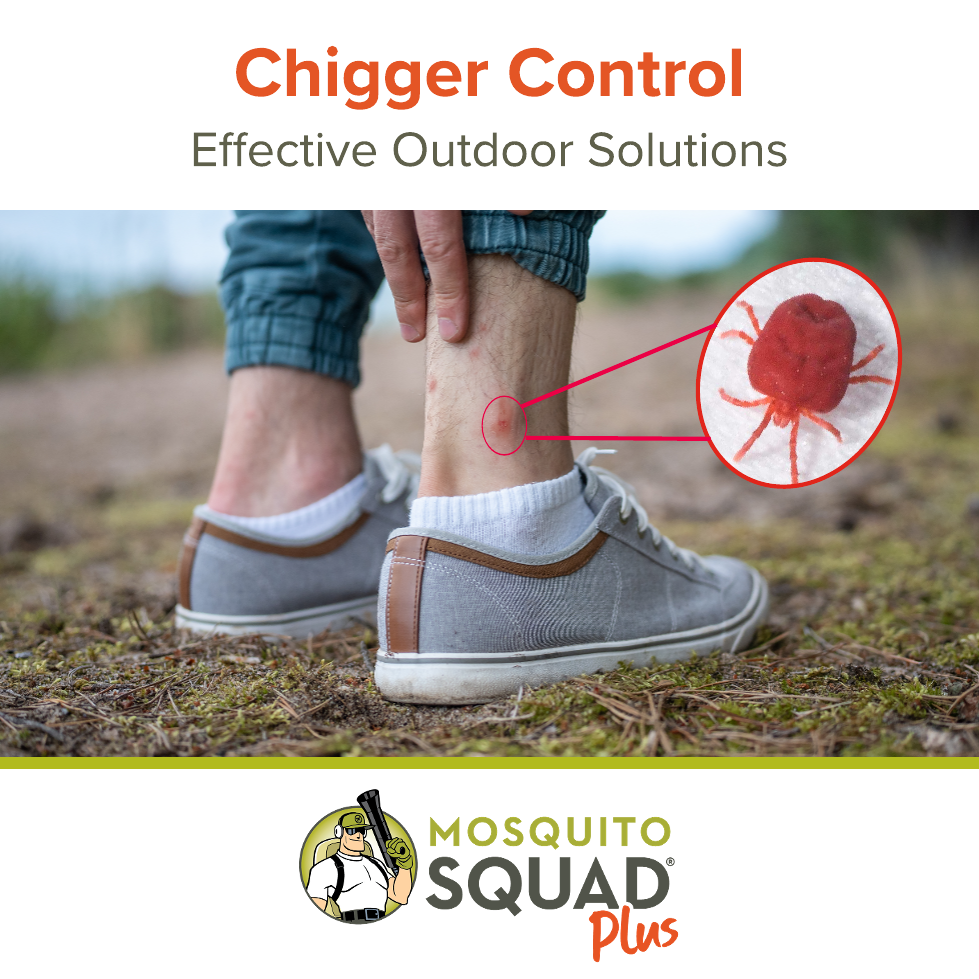
Chiggers occupy the same band, the unmowed grassy edge where the lawn gives way to brush. University of Kentucky entomology notes chiggers concentrate in overgrown, transitional vegetation, the exact margin that defines the back of a wooded-buffer lot. So the premium Richwood lot frequently has two separate pressure zones running its property line at once: the water edge producing mosquitoes on one side, and the wooded or brushy edge questing ticks and chiggers on the other. Treating one and ignoring the other leaves half the yard open.
What Homeowners on These Lots Usually Try
The first instinct is reasonable and it is what most people do. You wait until the biting gets bad, usually June, drive to the hardware store, and come home with a hose-end sprayer or a propane fogger. You walk the back edge on a Saturday, knock the adults down for the evening, and feel like you handled it. By midweek they are back, because the pond edge and the wet swale never stopped producing.
The second instinct is better, and you should do it regardless: get rid of the standing water you can actually reach. Dump the saucers, fix the gutter that sags, regrade the low spot in the lawn that holds water after the irrigation runs. The CDC's guidance is right that eliminating standing water is the foundation of mosquito control, and on a water lot the irrigation-driven low spots are the part of the problem squarely in your control. The catch is the same one every water-lot owner runs into. You can run a flawless lawn and still get hammered, because the breeding edge is the pond margin and the wet bank, which is often shared property, HOA ground, or simply too large and too wet to manage by hand.
That is the wall. The water that gives the lot its value is also the part of the pest problem a homeowner cannot fully reach alone. Which is exactly where a treatment program earns its place on these properties.
What Actually Works on a Richwood Water Lot
Getting a water lot back is about treating it as what it is, a property with a permanent production edge that is going to keep making mosquitoes, and making the rest of the yard a place they cannot use. That shifts the job from killing today's bugs to shutting down the edge.
A barrier treatment goes after the resting stage. The Asian tiger mosquitoes coming off the pond margin have to land somewhere shaded during the day, and on a water lot that somewhere is the landscaped beds, the shrub line along the patio, and the vegetation between the house and the water. A barrier application coats those resting surfaces so the adults moving in from the edge land on treated cover and do not survive to bite. Run on a regular cycle, roughly every three weeks through the season, it keeps the yard hostile even though the pond edge keeps producing. The 7 T's of mosquito control put that resting-surface work at the center for this exact reason.
The second layer is larval control for the standing water on your side of the line. The wet swale, the irrigation low spots, the drainage pockets that hold water, those get treated with products that stop larvae from developing into adults. You may not be able to treat the HOA pond itself, but you can take your own lawn and grading out of production, which on a heavily irrigated water lot is a bigger share of the problem than people expect.
And because the wooded or brushy edge is its own pressure zone, the tick and chigger side gets treated as the same job, not a separate one. The tick control and chigger control work targets the fence line and the lawn-to-woods transition where they quest, in the same visit as the mosquito control work, because both edges are on the same property. For a water lot that wants every zone handled under one year-round plan, the Complete Home and Yard program covers the full pest control spread from the waterline to the back fence. Treating the water edge for mosquitoes and the wooded edge for ticks and chiggers is what actually changes how a Richwood lot feels, rather than handing you one quiet weekend.
When to Get on the Schedule
The timing runs earlier than most people expect, because the pond does not wait for summer to start producing. Once daytime temperatures settle into the mid-50s and the spring rain has the pond margins and the swales holding water, the first mosquito cycles are already underway in the shallow edges. That is usually April in Boone County, sometimes the back half of March in a warm year. Ticks are questing on the wooded edge by then too. Getting on a program before the pressure is obvious, rather than after you have lost a few evenings on the patio, is the difference between staying ahead of the season and chasing it the whole way.
By the time the biting is bad enough that you go looking for a fogger in June, the pond edge has had a couple of months and several mosquito generations to establish, and the wooded edge has been moving ticks since the first warm week. The lot that gets treated early holds the line. The lot that waits spends the summer reacting.
We treat water lots and wooded-edge lots throughout Richwood and the surrounding Boone County communities off the Richwood exit, from the pond properties in the Estates of Richwood to the fairway and lake lots out toward Union and the newer subdivisions around Florence. A free consultation walks the actual property, finds where each pressure zone is coming from, the water edge and the brush edge both, and lays out what a full-season schedule looks like for that specific lot. You can see what other Northern Kentucky customers say about the work, then call (859) 222-7345 or reach out online for a no-obligation quote.
The lake view is worth having. You just want to be the homeowner who enjoys it without handing the backyard over to whatever is breeding along the edge of it.