Pest Control in Northern Kentucky Starts at the Ohio River and Works Its Way In
Posted by Mosquito Squad Plus
May 28, 2026
Stand on the bank of the Ohio River in Covington on a morning in late March when the river is running high and the air still has that cold-damp smell that belongs to February and tell me it feels like pest season. It does not. The river is wide and fast and the wind off the water makes the whole idea of mosquitoes feel months away. But the river is already doing what it does every spring. It is rising into the wooded margins along its banks, leaving behind shallow temporary pools in the low areas when it recedes, and activating a mosquito population that has been waiting in the soil since October. By the time it feels like pest season in a Northern Kentucky backyard, the Ohio River has already been running the calendar for six weeks.
That is the frame for pest control in Northern Kentucky. Not a single neighborhood. Not a single creek. The Ohio River itself, running along the entire northern edge of this market, warming the valley corridor earlier than inland Kentucky does, draining three counties worth of watershed toward it from the south, and setting a pest calendar that no homeowner looking at the forecast in March would guess is already underway.
Boone County drains toward it from the west. Kenton County drains toward it through the Banklick and Licking River systems from the center. Campbell County drains toward it from the east along the ridge communities sitting above the river valley. Every one of those drainage paths produces mosquito pressure. Every one of them feeds a tick and chigger picture in the wooded corridors and rural edges along the way. And none of them has a public mosquito spraying program running against them the way Lexington and Louisville do. Whatever happens in a Northern Kentucky yard from April through October happens without any external population reduction working on your behalf.
That is the whole frame for pest control in Northern Kentucky. The river starts it. The drainage spreads it. The absence of public programs means it lands entirely on the homeowner to address it.
What the Ohio River Valley Does to the Pest Calendar
Northern Kentucky is the only market in this portfolio sitting on the south bank of the Ohio River looking north into Ohio. Every other market in this portfolio is inland. Birmingham sits on limestone ridges in the middle of Alabama. Huntsville sits in a valley in north Alabama. Chattanooga sits in a river valley but not on a major river corridor with an open water microclimate running through the winter. Dayton sits at a three-river confluence but those rivers are smaller and the winters are colder. Northern Kentucky sits on the Ohio River, and the Ohio River rarely freezes fully anymore.
That open water matters. A river that wide running that volume of water through the winter keeps the near-surface temperature and humidity along the valley floor meaningfully higher than inland areas at the same northern latitude. For communities in Campbell County sitting on the ridge above the river, and communities in Kenton County sitting in the valley behind the ridge, and communities in Boone County sitting on the rolling terrain to the west, the first sustained above-50-degree days of spring arrive earlier than the calendar suggests they should. Fifty degrees is when mosquito species common to Northern Kentucky begin feeding, breeding, and establishing in earnest. The Ohio River Valley corridor reaches that threshold reliably by mid-March in most years.
The Kentucky Department for Public Health tracks vector-borne disease activity across the state, and the Ohio River Valley corridor from Campbell County west through Jefferson County represents some of the most consistent year-over-year mosquito activity in the commonwealth. That consistency is not random. It is the valley microclimate doing what it does every spring, warming the corridor faster than the surrounding region and activating a pest season that most homeowners in Florence, Erlanger, and Covington are not expecting for another six weeks.
The Licking River Confluence and What It Does to the Central Market
The Licking River enters the Ohio at Covington and Newport after running north through Campbell and Kenton Counties for its entire length. Most Northern Kentucky homeowners cross it on the way to Cincinnati without giving it much thought. The river is the reason Taylor Mill sees early-season mosquito pressure from floodwater mosquito species. It is the reason the wooded corridors along its banks through Taylor Mill and into Fort Thomas produce tick habitat that works its way into residential yards regardless of how far those yards are from the water itself.
The Licking River's spring pulse is specific and predictable. As the Ohio rises, it backs water up into the Licking at the confluence. That backed-up water raises the Licking along its lower banks, floods the wooded margins in Newport and Covington, and leaves behind shallow temporary pools when it recedes. Those pools are what the inland floodwater mosquito, Aedes vexans, has been waiting on. The species lays its eggs above the waterline in areas prone to flooding. The eggs sit dormant through winter. When the spring pulse comes and recedes, the population emerges in volume quickly, long before the season feels like it has started to anyone standing in a backyard in March.
University of Kentucky Extension pest management documentation identifies Aedes vexans as one of the most common pest species in Kentucky, with breeding sites specifically described as rain pools, floodwaters, and temporary bodies of freshwater along creek and river margins. That is a description of the Licking River corridor in March. And by April, when that population has already built, the Asian Tiger mosquito is adding its own generation on top of it from container breeding sites in the residential yards along every street in the market. Two species. Two timelines. Both underway before most homeowners have started thinking about pest season.
Banklick Creek and the Kenton County Interior
Banklick Creek runs 19 miles through the interior of Kenton County before draining toward the Licking River near Latonia. The entire 19-mile length of it has been on Kentucky's 303d list of impaired water bodies under the Clean Water Act since 1998. The reasons cited are organic enrichment, low dissolved oxygen, and hydromodifications from residential development along its banks. The Banklick Watershed Council was awarded a $250,000 Kentucky Division of Water grant in May 2025 specifically citing local concerns about increasing development pressure and its impact on the watershed.
Organically enriched, slow-moving water is precisely what the CDC identifies as the most productive breeding environment for Culex pipiens, the northern house mosquito and the primary West Nile vector in Kentucky. Banklick Creek delivers that condition consistently through Independence, Fort Mitchell, and the communities along its corridor for 19 miles. The stormwater infrastructure that grew up alongside that creek system as Kenton County developed, retention ponds, catch basins, drainage swales built into subdivision plats across a community that grew 94 percent since 2000, adds another tier of Culex production on top of the creek itself. Independence alone built enough stormwater retention infrastructure during its growth years to sustain a Culex population independently of the creek. Together they produce the most consistent West Nile pressure in the Northern Kentucky market.
Big Bone Lick and the Boone County Wildlife Corridor
Boone County's pest story is a different animal than Kenton County's. The creek systems are smaller. The development pattern is more spread out. And sitting inside the Union zip code is the 813-acre Big Bone Lick State Historic Site, a mixed hardwood forest and wetland park that supports a robust white-tailed deer population and functions as a wildlife corridor feeding pest pressure into every subdivision built around it.
The deer do not honor the park boundary. They move through drainage easements, wooded lot lines, and the green-space buffers connecting the park to the residential corridors throughout Union, Burlington, and Hebron. Adult Lone Star ticks ride those deer. White-footed mice and other small mammals serving as larval and nymphal tick hosts move through the same corridors. The tick pressure that Boone County homeowners deal with on their back fence line is not coming from a wilderness area far away. It is coming from the wildlife that moved through that fence line last night.
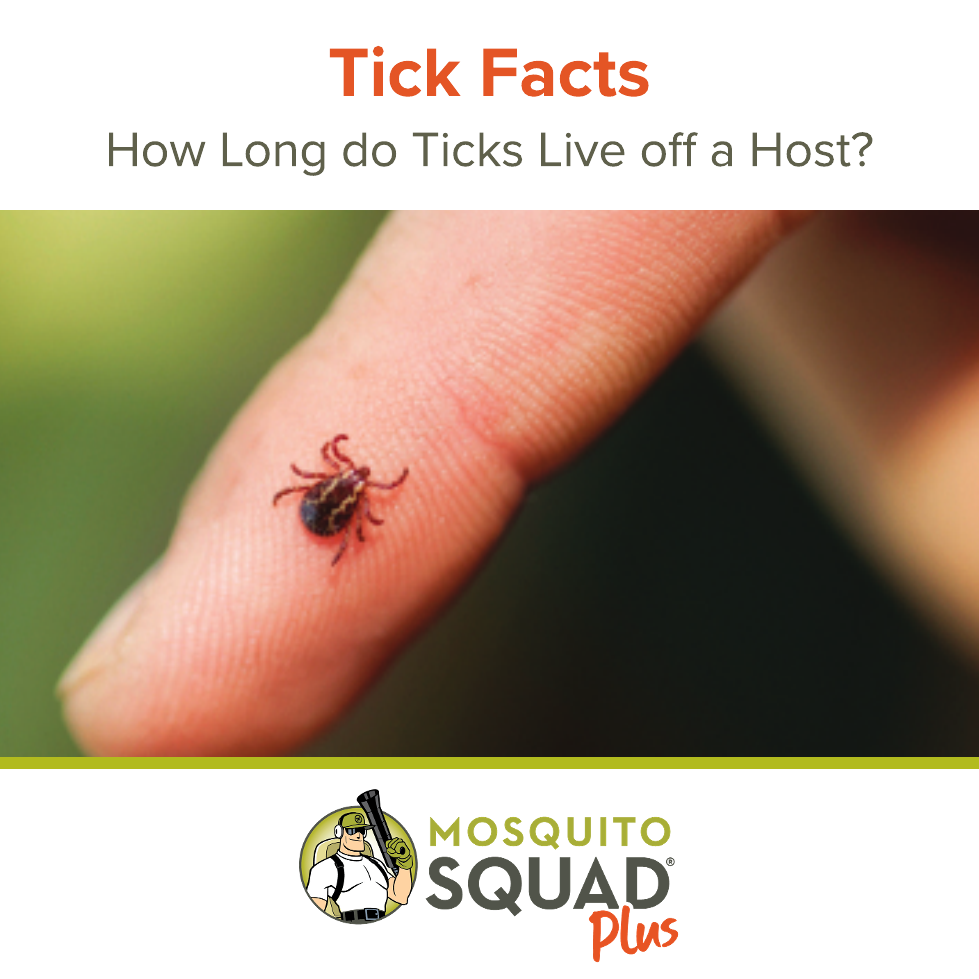
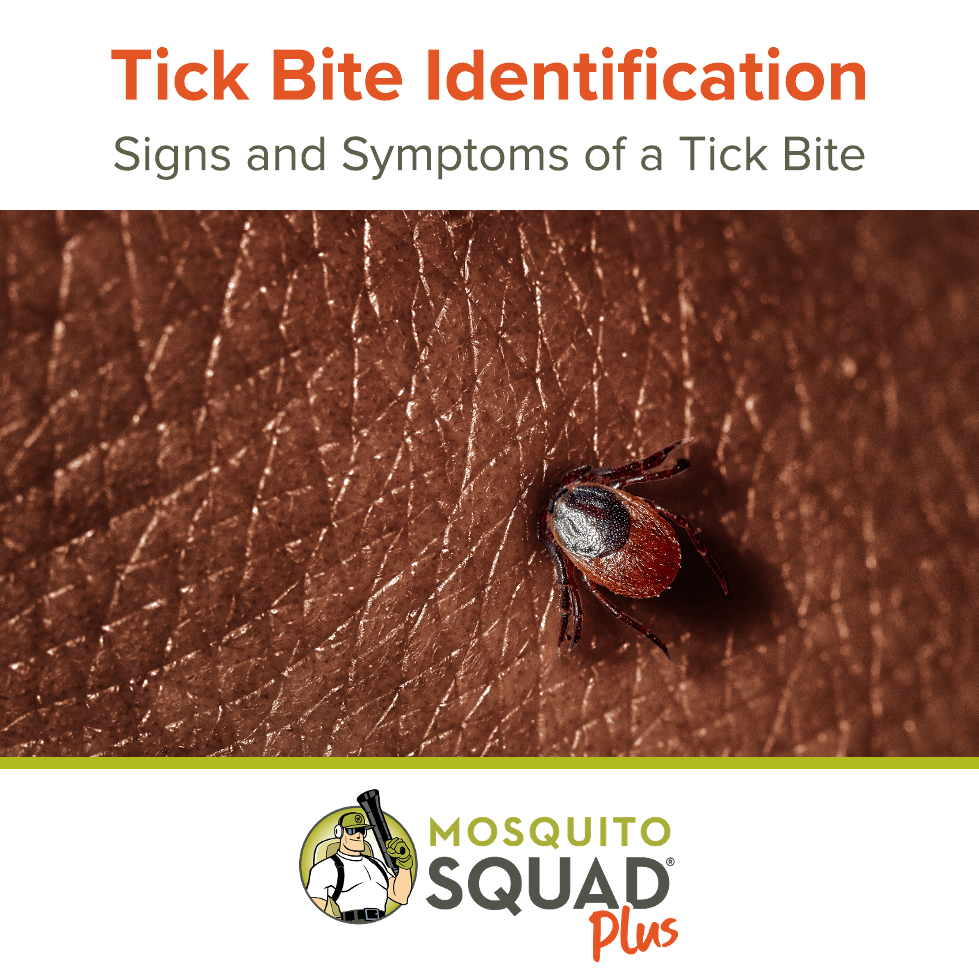
University of Kentucky Extension documents the Lone Star tick as the most commonly encountered tick across the state. It is an aggressive quester, meaning it actively pursues hosts rather than waiting passively on a blade of grass. It can cross open lawn to reach a target. Its bite can trigger alpha-gal syndrome, an immune reaction to red meat that develops weeks after the initial exposure and gets misdiagnosed as food poisoning or IBS for years before anyone connects it to a tick bite the patient may not even remember getting. The CDC's Morbidity and Mortality Weekly Report documented Kentucky alongside Arkansas, Missouri, Tennessee, and Virginia as the highest-prevalence states in the country for alpha-gal syndrome. Boone County is inside that picture, and the Big Bone Lick wildlife corridor is one of the reasons why.
No Public Program Is Coming to Help
This is the piece most Northern Kentucky homeowners do not know until they go looking for it.
Lexington-Fayette County runs a routine, scheduled, neighborhood-level mosquito fogging program every summer. Louisville Metro does the same. The Northern Kentucky Health Department monitors mosquito populations in Boone, Campbell, Grant, and Kenton Counties and responds to mosquito complaints and West Nile virus surveillance. What it does not run is a proactive neighborhood spraying program. There is no monthly truck driving down a Hebron subdivision street. There is no county larvicide program treating Banklick Creek retention pond margins on a schedule. There is no regional tick management program working the Big Bone Lick corridor.
Pest pressure that builds in a Northern Kentucky yard from April through October builds without any external population reduction working against it. Whatever happens in your yard is entirely up to you. That fact alone changes the calculus for pest control in Northern Kentucky in a way that does not apply to pest control in Lexington or Louisville. In those cities the public program is doing background work even when the homeowner is doing nothing. Here it is not.
The West Nile Picture in 2025
This is not background noise and the numbers deserve to be stated plainly.
On September 30, 2025, the Kentucky Department for Public Health issued a statewide health alert documenting 19 confirmed West Nile virus cases including one death, compared to a historical average of 7 cases per year. Nearly three times the baseline in a single season. The Cincinnati Health Department reported 24 West Nile positive mosquito pools in 2024, compared to a 10-year average of six. Hamilton County Public Health confirmed the county's first human West Nile case of 2025 in Sycamore Township, which sits directly across the river from Northern Kentucky.
Northern Kentucky is not downstream of those numbers geographically. It is part of the same Ohio River Valley corridor. The Culex mosquito that transmits West Nile does not recognize state lines. The organically enriched standing water in Banklick Creek and the stormwater retention infrastructure throughout Kenton County produce the same Culex populations that the Cincinnati data is tracking on the Ohio side of the river. The trend line is not subtle. The season is getting longer, the virus is moving through the mosquito population more aggressively, and Northern Kentucky sits in the middle of the corridor where it is happening.
The Tick Picture Across Three Counties
Ticks in Northern Kentucky run differently depending on which county you are in, and it is worth knowing which pressure you are actually dealing with before assuming the answer is the same everywhere.
Boone County's dominant pressure is the Lone Star tick moving on deer through the Big Bone Lick wildlife corridor and into the rural-edge subdivisions of Union, Burlington, and Walton. It is aggressive. It establishes quickly in back fence line habitat. The alpha-gal syndrome connection makes it the tick conversation that matters most in Boone County right now.
Kenton County's blacklegged tick pressure is concentrated in the wooded creek corridors along Banklick Creek and in the established residential lots of Edgewood and Crestview Hills where mature canopy has created the shaded leaf-litter transition zones the blacklegged tick concentrates in. It is most active in the cooler shoulder seasons, early spring and fall, when most homeowners have stopped thinking about ticks entirely. That is exactly when it is peaking.
Campbell County adds a dimension neither Boone nor Kenton carries at the same intensity. La Crosse encephalitis, transmitted by the Eastern tree hole mosquito, Aedes triseriatus, is endemic to the Ohio River Valley hardwood corridor. The CDC identifies the Ohio River Valley states as the primary endemic zone for La Crosse encephalitis in the United States. The wooded residential lots in Fort Thomas, Cold Spring, and Highland Heights create exactly the tree-hole habitat this species breeds in. The disease produces severe outcomes primarily in children under 16. The wooded character of Campbell County's ridge communities is genuinely worth having. It is also worth treating around.
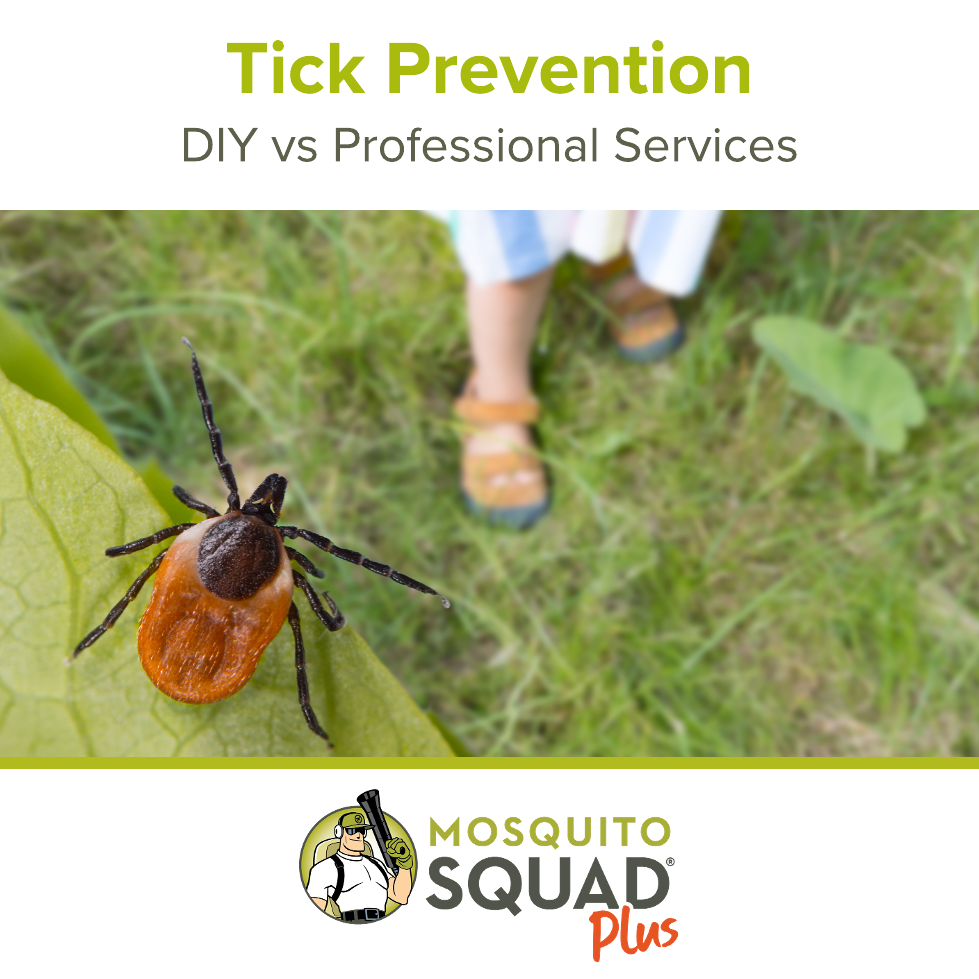
A tick control program paired with mosquito barrier treatment on the same recurring schedule handles both pressures without two separate service visits. The 6 C's of Tick Control framework covers how to think about that pressure on a specific residential lot.
What the Outdoor Season Actually Looks Like
Mid-March through October for most properties in the Northern Kentucky service area. The Ohio River Valley's earlier warming means conditions for mosquito establishment arrive before the calendar or the forecast suggests they should. The river corridor communities closest to the Ohio, Covington, Newport, Fort Mitchell, Erlanger, see the season activate first. The inland Boone County communities see the Lone Star tick pressure building on the same timeline. Campbell County ridge communities deal with early season pressure from the valley humidity and a longer tick season running into fall than most homeowners expect.
The signs the season has arrived are specific. A mild March morning where the first bite happens in the garden before anything feels warm enough for mosquitoes. Standing water in a clay-soil low spot still sitting five days after the last rain. Eastern redbud blooming along river-facing slopes. None of those are dramatic signals. They are quiet ones that mean the treatment program that produces a usable yard this summer needed to start already.
The Mosquito Squad of Northern Kentucky runs barrier treatment programs on a 21-day recurring cycle through the outdoor season. That schedule is built around the mosquito lifecycle, not the calendar. A generation of Asian Tiger mosquitoes can complete development in as little as seven to ten days in warm May temperatures. A 21-day treatment cycle intercepts each new generation before it establishes. One treatment in May and one in July is not pest control. It is wishful thinking applied to a biology that does not care what month it is.
For properties that prefer botanical-based chemistry, the natural mosquito treatment runs on the same 21-day schedule with essential oil active ingredients effective against both Asian Tiger mosquitoes and the Culex species responsible for West Nile transmission in the Ohio River corridor. The chemistry changes. The schedule and the placement logic do not.
For outdoor events, a special event treatment applied 24 to 48 hours before provides a tighter knockdown on top of the recurring program. For properties with significant outdoor living space along any of the river or creek corridors, an automatic misting system can supplement the recurring barrier treatment by targeting the morning and late afternoon activity windows of the Asian Tiger mosquito immediately around the deck or patio.
The Indoor Season That Runs Behind the Outdoor One
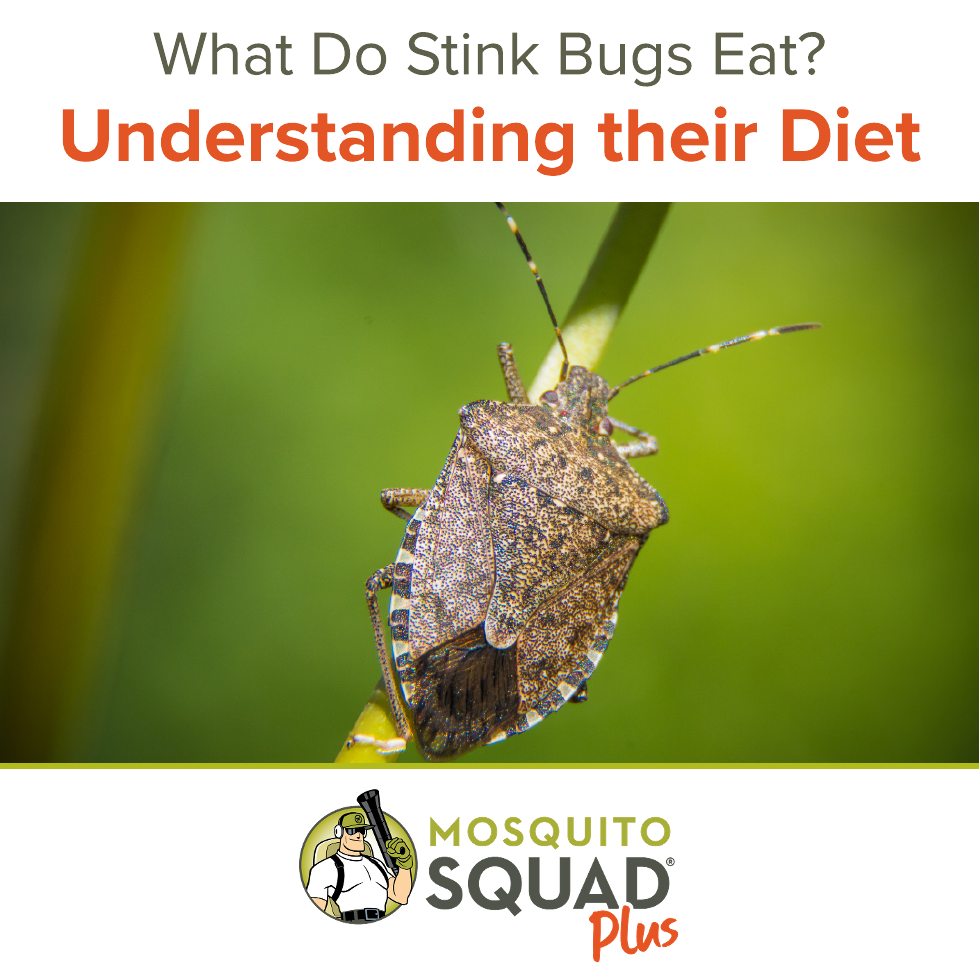
Northern Kentucky shares the Ohio River Valley's overwintering pest story with Cincinnati. The winters are cold enough to drive brown marmorated stink bugs, boxelder bugs, and multicolored Asian lady beetles into structures every fall. The housing stock across Florence, Erlanger, Edgewood, and the older inner-ring communities of Fort Mitchell and Fort Thomas gives them plenty of entry points to work with.
Ohio State University Extension's BYGL entomology documentation is direct that these species invade structures in fall and exit in spring, using the same gaps both directions. The stink bug on your windowsill in April entered last October. Those gaps are still open. Next October's population already has a confirmed route.
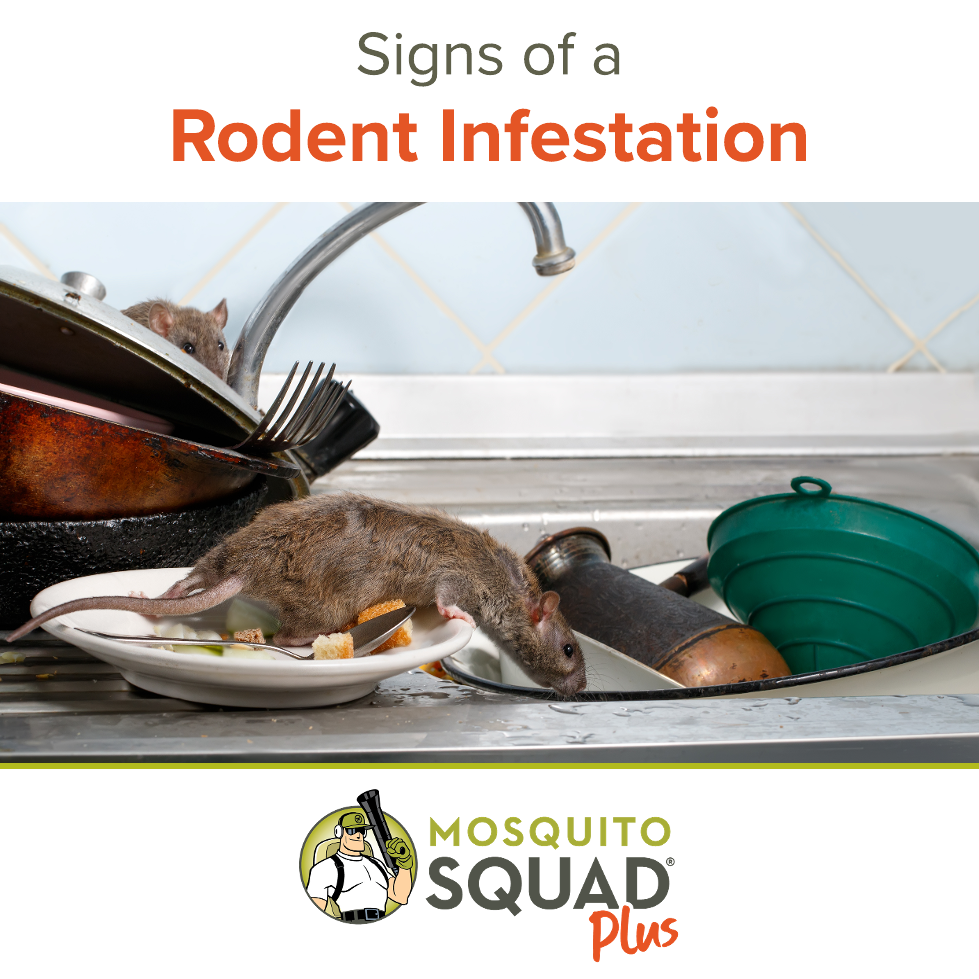
Mice compound the indoor story in a way the overwintering insects do not. A mouse that enters in November through a gap at the garage door threshold or around a utility penetration does not leave when spring arrives. It breeds. The rodent pressure that surprises Northern Kentucky homeowners in April is the compounded result of a November entry nobody addressed, quietly building through the winter in the wall cavity above the laundry room or the attic insulation above the bedroom. The Home Shield program addresses the indoor side of Northern Kentucky pest control on a recurring schedule that matches when these pressures actually move. Fall perimeter treatment timed to the overwintering entry window. Spring treatment timed to emergence and exit. The outdoor barrier treatment cannot reach this side of the calendar. That is the gap most homeowners do not close until they are already dealing with the consequences.
The Full Northern Kentucky Pest Control Picture
The Ohio River started this. Three counties worth of drainage, wildlife movement, creek systems, and stormwater infrastructure spread it inward from the river corridor into every neighborhood in the market. No public program is running against it. The West Nile numbers in 2025 are not historical background. They are the current condition in the valley corridor Northern Kentucky sits in. The tick picture across three counties is more complex and more concerning than most homeowners in any of those counties have been told.
None of those conditions are going away. The river is not moving. The Banklick is not going to stop being impaired. The deer are not going to stop moving through the Union subdivisions. What is addressable is the pest population that uses all of it, and a treatment program that starts before the population establishes is the one that actually changes how the season feels.
The Mosquito Squad of Northern Kentucky serves Florence, Union, Burlington, Hebron, Independence, Walton, Erlanger, Fort Mitchell, Edgewood, Fort Thomas, Taylor Mill, Covington, Newport, Highland Heights, and Crestview Hills. If the outdoor season has started or the fall overwintering window is approaching, reach out before the river gets ahead of you.